Table of Content
▼- What Are BS-VII Emission Norms?
- What the BS-VII Rules Bring
- Will BS-VII Emission Norms Apply to Existing Cars?
- Honest Note
- BS-VI vs BS-VII: Key Differences
- BS-VII Emission Norms Rollout Timeline
- Will New Cars Get Costlier?
- Should You Buy Now or Wait for BS-VII?
- How to Check Whether Your Car Is BS-VI
- Conclusion
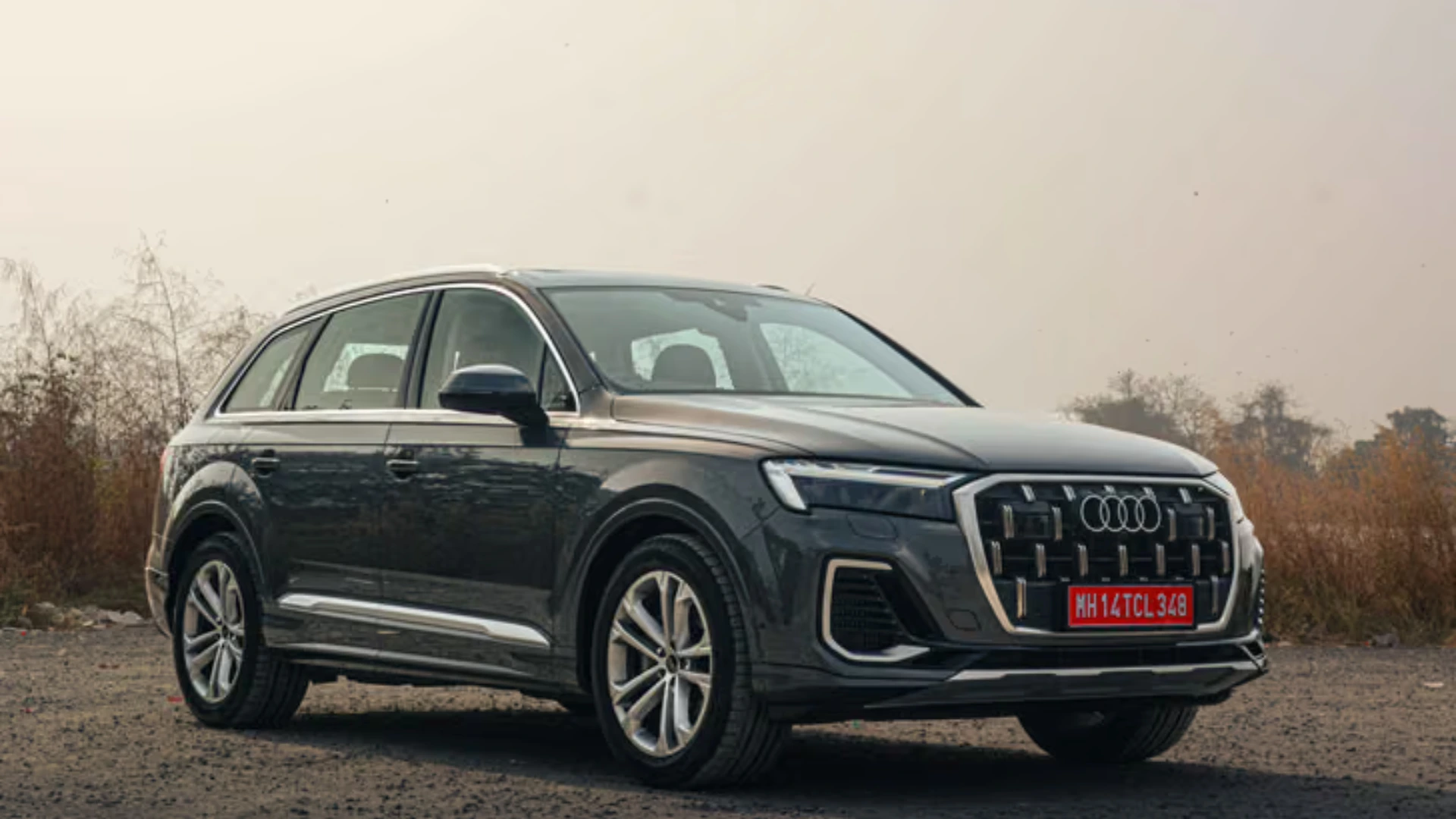
The implementation of BS-VII emission standards has made many car owners in India raise a question: will my existing car be affected? The answer is simple, and it is yes. The new rules apply only to newly produced vehicles, meaning that a vehicle that is already created or registered before the implementation of the new emission standard is still considered legal and roadworthy.
What becomes different is what comes out of showrooms. The Ministry of Road Transport and Highways (MoRTH) sent out a draft order on October 12 proposing a roll out in three phases starting from April 2029 through to April 2035 with new cars and SUVs for the first phase. As it is still a draft, the dates and details are likely to change before the final gazette notification.
What Are BS-VII Emission Norms?
Bharat Stage (BS) standards refer to the emission standards for vehicles in India that were based on European standards. It sets the limits for the emissions of CO, NOx, HC, and PM. BS-VI was introduced in India in April 2020, and the country went directly from BS-IV to BS-VI.
Most people have a misunderstanding about this: the emissions limits for vehicles remain quite similar to BS-VI. The only change comes in the methods of emissions calculations.
What the BS-VII Rules Bring
Here is what the proposal actually changes:
- More accurate particle measurement: The PM limit reduces from 23 nanometers to 10 nanometers, thus including more particles in the counted numbers.
- Brake and tire emissions: For the first time in emissions legislation, brake wear and tire microplastics are regulated.
- Real-life tests: Car tests are being carried beyond the laboratory, extending what was initiated under BS-VI.
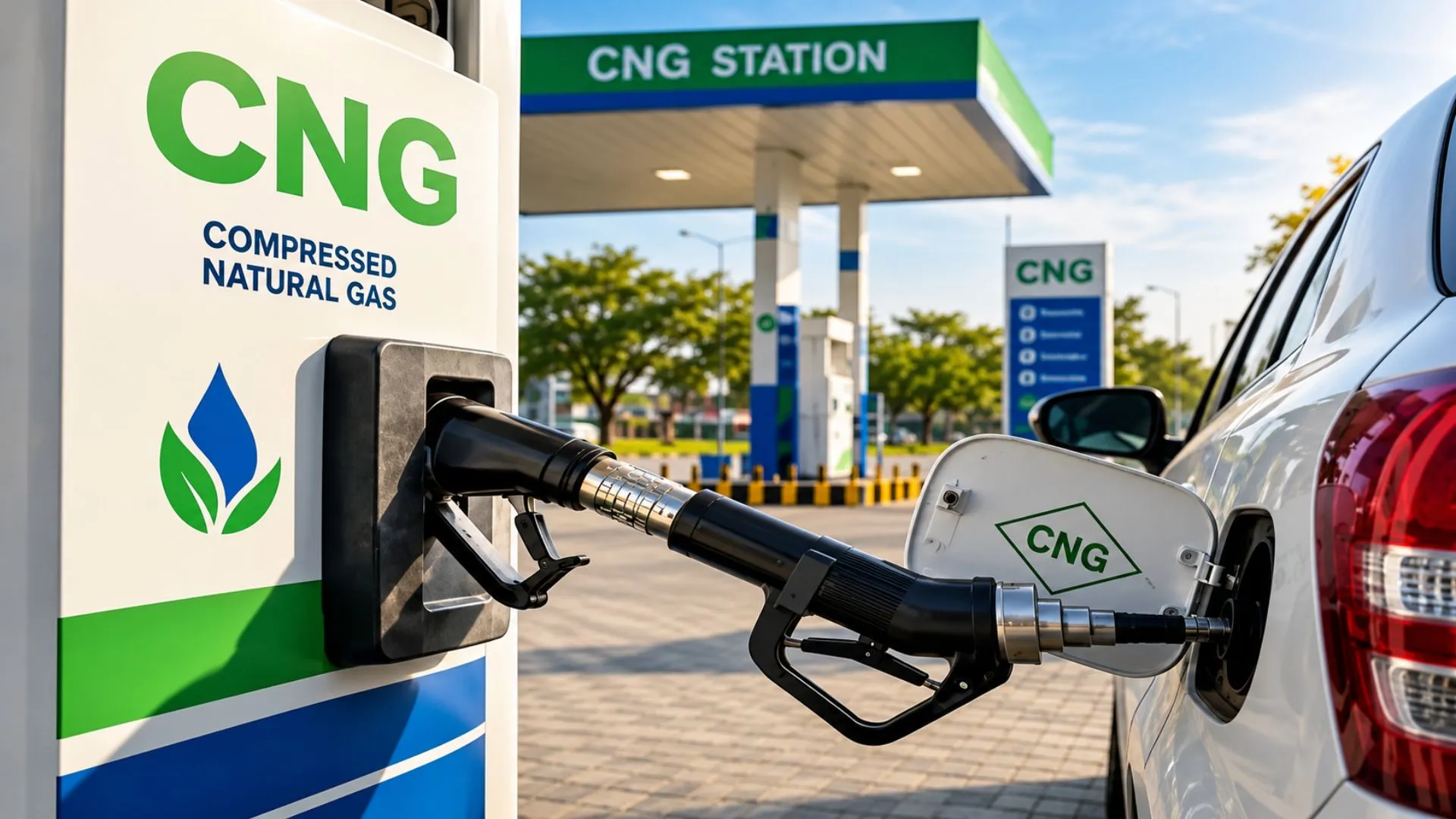
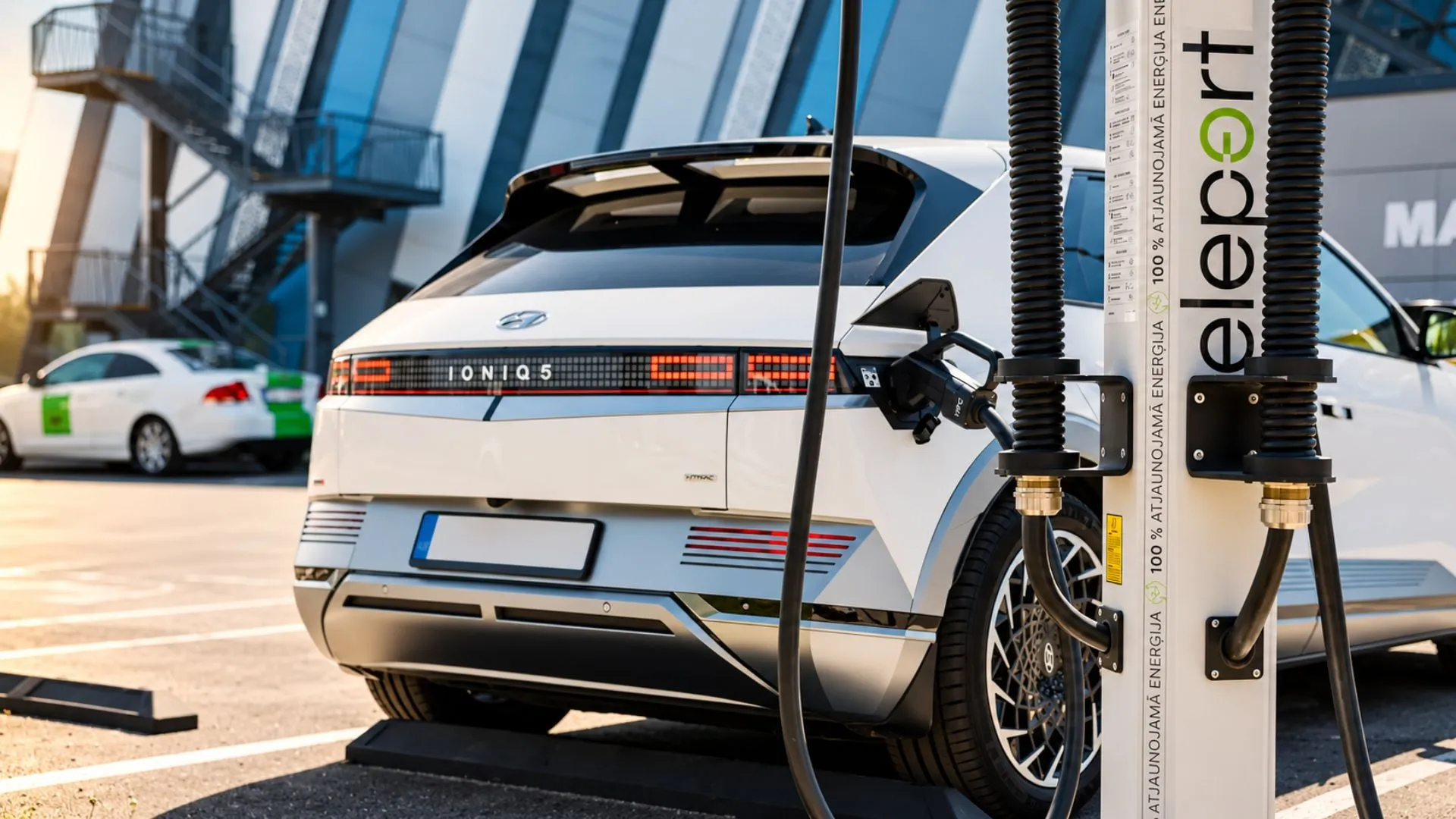
- Wider scope: The earlier proposals placed stricter controls on CNG vehicles and looked into the regulation of EV batteries.
Also Read: CNG the New Diesel for India: What FY2026 Sales Data Reveals
Will BS-VII Emission Norms Apply to Existing Cars?
No. Nothing in the draft asks owners of BS-VI cars to replace, retrofit or scrap them. India has handled a change like this before. When BS-VI arrived, the Supreme Court barred the sale and registration of new BS-IV vehicles from 1 April 2020, yet cars already registered kept running.
|
Your Situation |
What Changes |
|---|---|
|
You own a BS-VI car today |
Nothing. It stays legal and registered |
|
You buy a new car before April 2029 |
You get a BS-VI car |
|
You buy a new car after April 2029 |
You get a BS-VII car |
|
You own an older BS-IV car. |
BS-VII does not affect it, though local age-based rules remain separate. |
Honest Note
BS-VII will not touch your current car’s legality, but it can touch your wallet if you are shopping for a new one. Manufacturers will spend on compliance, and some of that cost usually reaches buyers. The other thing worth saying plainly: the 2029 timeline is a proposal. Anyone calling it final today is ahead of the facts.
BS-VI vs BS-VII: Key Differences
|
Factor |
BS-VI |
BS-VII (Proposed) |
|---|---|---|
|
Status |
In force since April 2020 |
Planned from April 2029 for cars |
|
European reference |
Euro 6 |
Euro 7 |
|
Tailpipe limits for cars |
Set at BS-VI levels |
Largely unchanged |
|
Particle measurement |
23 nm threshold |
10 nm threshold |
|
Brake dust and tyres |
Not regulated |
Covered for the first time |
|
Real-world testing |
Introduced |
Pushed further |
BS-VII Emission Norms Rollout Timeline
The draft stages the transition by vehicle type. Category-specific notifications covering testing and compliance will follow after stakeholder discussions.
|
Phase |
Vehicle Category |
Proposed Start |
|---|---|---|
|
1 |
New cars and SUVs |
April 2029 |
|
2 |
Small commercial vehicles, delivery vehicles and pick-up vans |
2030 |
|
3 |
Buses, trucks and heavy-duty vehicles |
April 2031 |
Full implementation across all categories runs until April 2035.
Also Read: Superior Range Retention in EVs: How Much Range Do Electric Cars Really Keep?
Will New Cars Get Costlier?
This scenario is likely, but no specific number has been revealed. Stricter regulations generally increase compliance costs, with BS-VI having proved this point. Prices went up, as production of diesel cars became more costly, and smaller diesel-powered vehicles have been withdrawn by several players in the industry.
- Diesel cars: Likely to be the most affected segment.
- Petrol cars: Emission standards remain unaltered, meaning the impact will be less pronounced.
- Manufacturers: A company’s investments into R&D and compliance costs will define the extent to which the price will be affected.
Should You Buy Now or Wait for BS-VII?
Our view: do not delay a purchase because of BS-VII. April 2029 is more than two years away, and a BS-VI car bought today stays fully legal for as long as you own it.
- Buy now if: you need a car, your budget is ready, and you would rather not risk a price rise.
- Wait only if: you were planning to buy after 2029 anyway and want the latest emission technology.
How to Check Whether Your Car Is BS-VI
Most cars registered from April 2020 are BS-VI, though some makers launched BS-VI models earlier. Two quick ways to confirm yours:
- Registration certificate (RC): It often lists the emission norm.
- Dealer or owner’s manual: The service team can confirm it from your chassis number.
Conclusion
The BS-VII emission norms will be introduced only for new cars and SUVs from April 2029 and will have no impact on the existing cars. Therefore, for BS-VI car owners, there is nothing to worry about, and they can drive their cars normally, as they have always done, without having to be concerned about anything. The only change that is expected is that new car buyers might have to pay more to cover the compliance costs incurred by car manufacturers owing to these new norms.
Karan Bhatia
Karan Bhatia is an automobile expert and reviewer with 8+ years of experience test-driving cars, bikes, and EVs. He provides honest, detailed, and practical reviews that highlight performance, design, safety, and value for money. His expert insights help readers make confident choices when buying their next vehicle.