Table of Content
▼CNG, the new diesel for India is no longer a far-fetched idea, because CNG has overtaken diesel in the country's passenger vehicle sales. For years, diesel was the obvious pick for anyone who drove a lot, thanks to its fuel efficiency, long range and strong torque.
That decision is not as simple today, with petrol engines getting more efficient, hybrids improving, EVs becoming more capable and tighter emission rules changing how manufacturers plan their engines.
Is CNG the New Diesel for India?
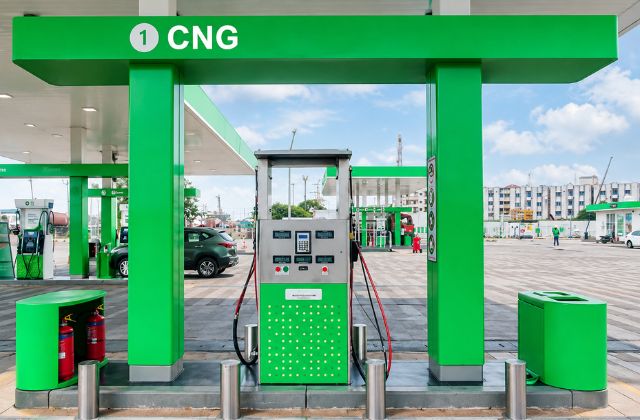
That is not accurate. CNG has risen as the budget-friendly option offering good mileage in the base segment of the market, while plug-in hybrids and range-extending EVs may be suited to begin the phasing out of diesel, especially in expensive models. Diesel is still a good option in the market for those in need of the performance and long-range capability.
FY2026 Sales Data: CNG vs Diesel
CNG's share of the market has grown sharply over three years. The FY2026 numbers show the shift clearly.
|
Metric |
Figure |
|---|---|
|
CNG share of passenger vehicle sales (FY2026) |
21.98 percent |
|
Diesel share of passenger vehicle sales (FY2026) |
18.08 percent |
|
CNG share about three years ago |
Around 12 to 13 percent |
|
CNG passenger vehicles sold in FY2026 |
More than 10 lakh |
Also Read: E10 Fuel India: May Return as an Option, Says Report
Why Buyers Are Choosing CNG
The concept is straightforward. CNG reduces the operational of vehicle management while not requiring drivers to change their experience of driving. This is what attracts them:
- Reduced costs: The owner's fuel expenses are reduced if high annual mileage is accomplished.
- No new practices: There is no learning of new technologies, and nothing changes in current practices.
- Greater number of available vehicles with factory-fitted CNG: More manufacturers are now supplying their vehicles with CNG.
Brands Offering CNG Cars in India
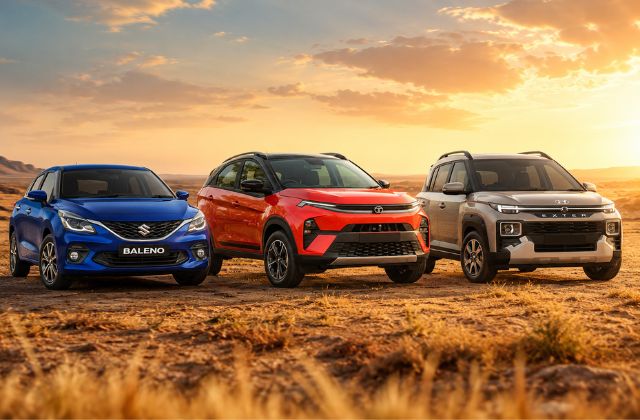
Maruti Suzuki has built a strong CNG portfolio, while Tata Motors and Hyundai have extended the technology across select models. Kia has also entered the factory-fitted CNG space.
|
Brand |
CNG Position |
Models Mentioned |
|---|---|---|
|
Maruti Suzuki |
Strong CNG portfolio |
Swift, Dzire, Baleno |
|
Tata Motors |
Expanded to select models |
Nexon, Punch |
|
Hyundai |
Expanded to select models |
Exter |
|
Kia |
Entered factory-fitted CNG |
Carens, Carens Clavis |
CNG availability differs by model and variant, so confirm it with your dealer before booking.
Can CNG Move Up to Larger SUVs?
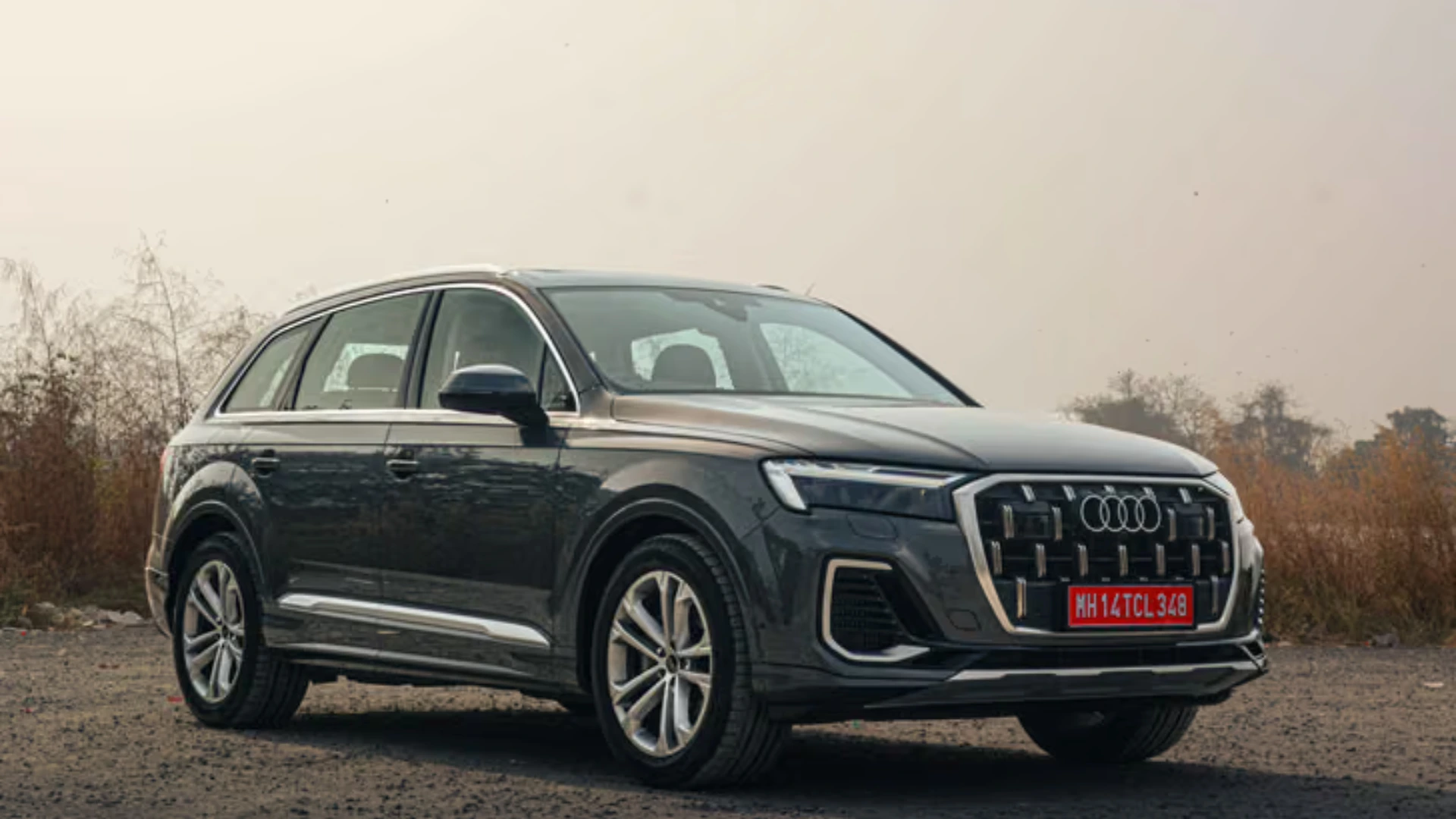
The bigger question is how far up the segment ladder CNG can climb. A CNG-powered Mahindra XUV 7XO is only a hypothetical example today, but a buyer for it clearly exists. Think of a family buying a large SUV, covering 20,000 to 30,000 km a year and wanting to keep running costs under control.
What to Watch Out For
There are certain factors related to CNG that need to be considered by customers prior to preferring it over diesel:
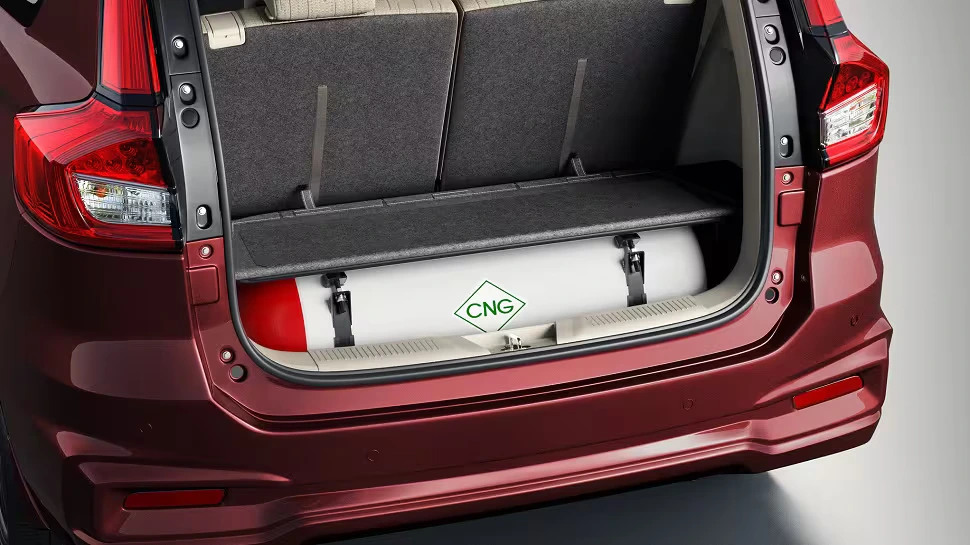
- Luggage space: The tank storing CNG might take away excessive luggage space.
- Power: The performance of a CNG car is unlikely to come as good as its petrol or diesel counterpart.
- Dependency on a network: One would rely on the availability of CNG stations to fill up the car tank.
What Could Replace Diesel in Larger Cars?
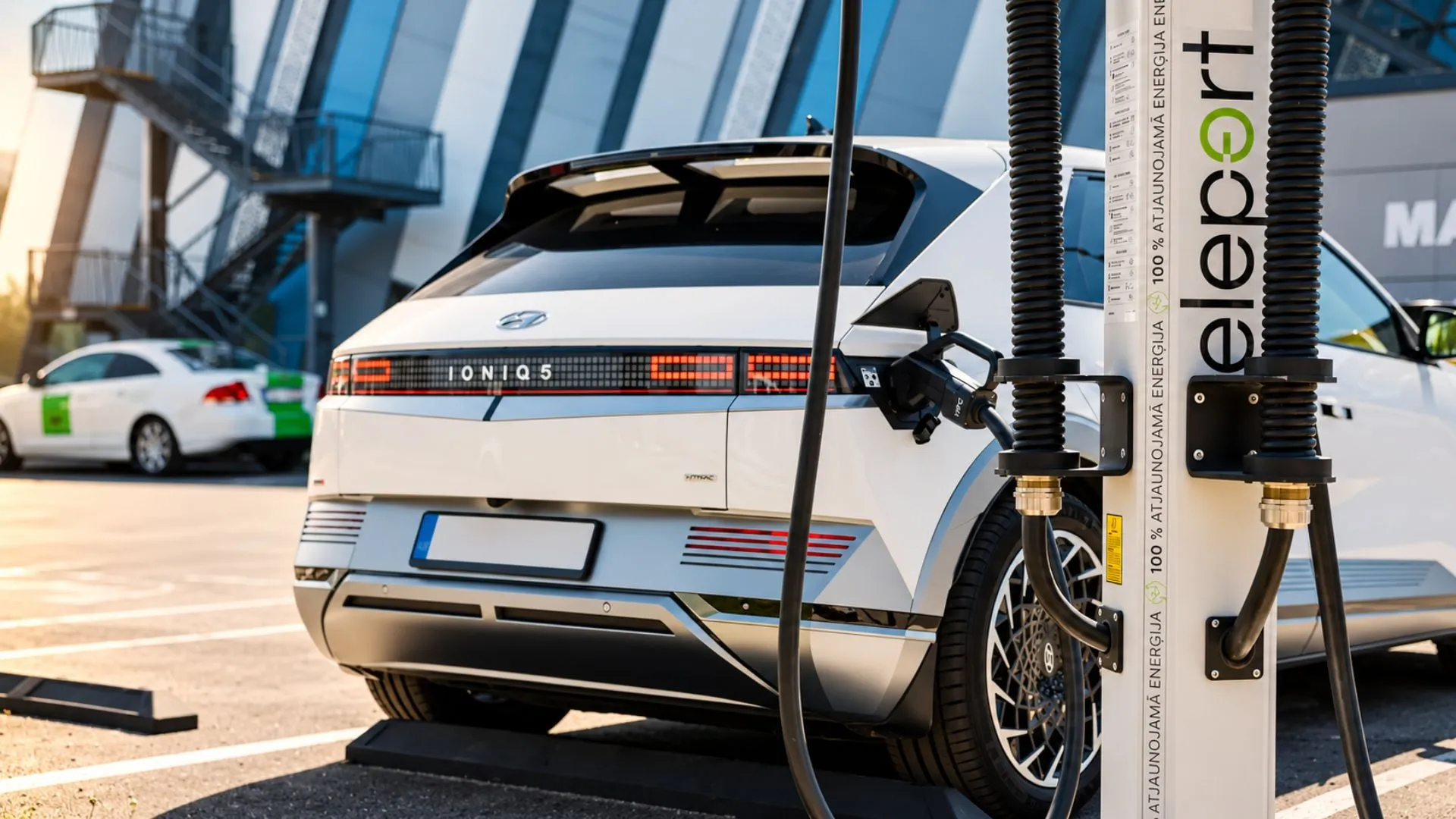
Plug-in hybrids and range-extender EVs offer a more interesting long-term answer, providing electric driving for the shorter trips but retaining an engine for the longer journeys, which might deliver the efficiency, range, and convenience that made diesel such an attractive option. The upside is the cost element working against them, which makes it much harder in lower and mid segments to justify the economics. Rightly so, CNG fits the bill with the above.
|
Powertrain |
Best Suited For |
Main Strength |
Main Limitation |
|---|---|---|---|
|
CNG |
Lower-priced, high-mileage buyers |
Low running costs |
Boot space, performance and network |
|
Diesel |
Long-distance and performance buyers |
Efficiency, range and torque |
Tighter efficiency rules ahead |
|
Plug-in hybrid or range-extender EV |
Larger, costlier cars |
Electric short trips plus engine for long journeys |
Higher cost |
The BYD Seal U DM-i, a plug-in hybrid with an estimated price of Rs 60 to 70 lakh, shows how costly this technology still is.
Also Read: Hybrids vs. Plug-in Hybrids in India 2026: Which One Should You Buy?
How CAFE III Norms Change the Picture

The upcoming CAFE III norms will tighten fuel-consumption targets in stages from April 2027 through 2032. They do not signal the end of diesel, but they give manufacturers another reason to improve the efficiency of their whole range. Strong hybrids, plug-in hybrids, range-extender EVs, EVs and CNG can all play a role, each at a different price point.
Conclusion
Is CNG the new diesel for India? The answer is clear but limited. As per FY2026 numbers, CNG has gained a 21.98% share of passenger vehicle sales while diesel has gained a share of 18.08%. CNG has become the practical option for buyers who are focused on budget and higher mileage. In the premium segment, plug-in hybrid vehicles and range-extender electric vehicles are better positioned to play diesel's part. For the most part, though, CNG is the economical option for a typical consumer.
Karan Bhatia
Karan Bhatia is an automobile expert and reviewer with 8+ years of experience test-driving cars, bikes, and EVs. He provides honest, detailed, and practical reviews that highlight performance, design, safety, and value for money. His expert insights help readers make confident choices when buying their next vehicle.


_1790319921.webp)