Table of Content
▼- What is E85 Flex Fuel?
- Why Does E85 Deliver Lower Mileage?
- Mileage Comparison
- Real World E85 Mileage Data
- USA Market Experience
- Brazil Market Experience
- Does E85 Affect Pickup and Performance?
- Why Performance Can Improve
- Hero Splendor Flex Fuel Performance Data
- Power Comparison
- Torque Comparison
- What Does This Mean?
- Advantages of E85 Flex Fuel
- Lower Emissions
- Reduced Oil Imports
- Good Performance
- Potential Cost Savings
- Drawbacks of E85 Flex Fuel
- Lower Fuel Economy
- Limited Fuel Availability
- More Frequent Refueling
- Not Suitable for Standard Petrol Vehicles
- Running Cost Calculation
- Petrol
- E85
- Savings
- Petrol vs E85 Comparison
- Is Flex Fuel Worth Buying in India?
- Conclusion
As flex fuel vehicles begin to gain attention in India, many buyers are curious about how E85 fuel compares with regular petrol in everyday driving. Mileage and pickup are often the two biggest concerns, especially for people considering a flex fuel car or bike for daily use.
In simple terms, E85 does not provide the same fuel economy as petrol because ethanol contains less energy per litre. This means vehicles typically consume more fuel to cover the same distance. However, the higher octane rating of ethanol allows flex fuel engines to maintain strong performance, with some vehicles even reporting slightly better power and torque figures than their petrol counterparts.
Global markets such as Brazil and the United States have been using flex fuel vehicles for years, offering valuable insights into their real-world performance. Here's a closer look at how E85 affects mileage, pickup, running costs, and overall driving experience compared to petrol.
What is E85 Flex Fuel?
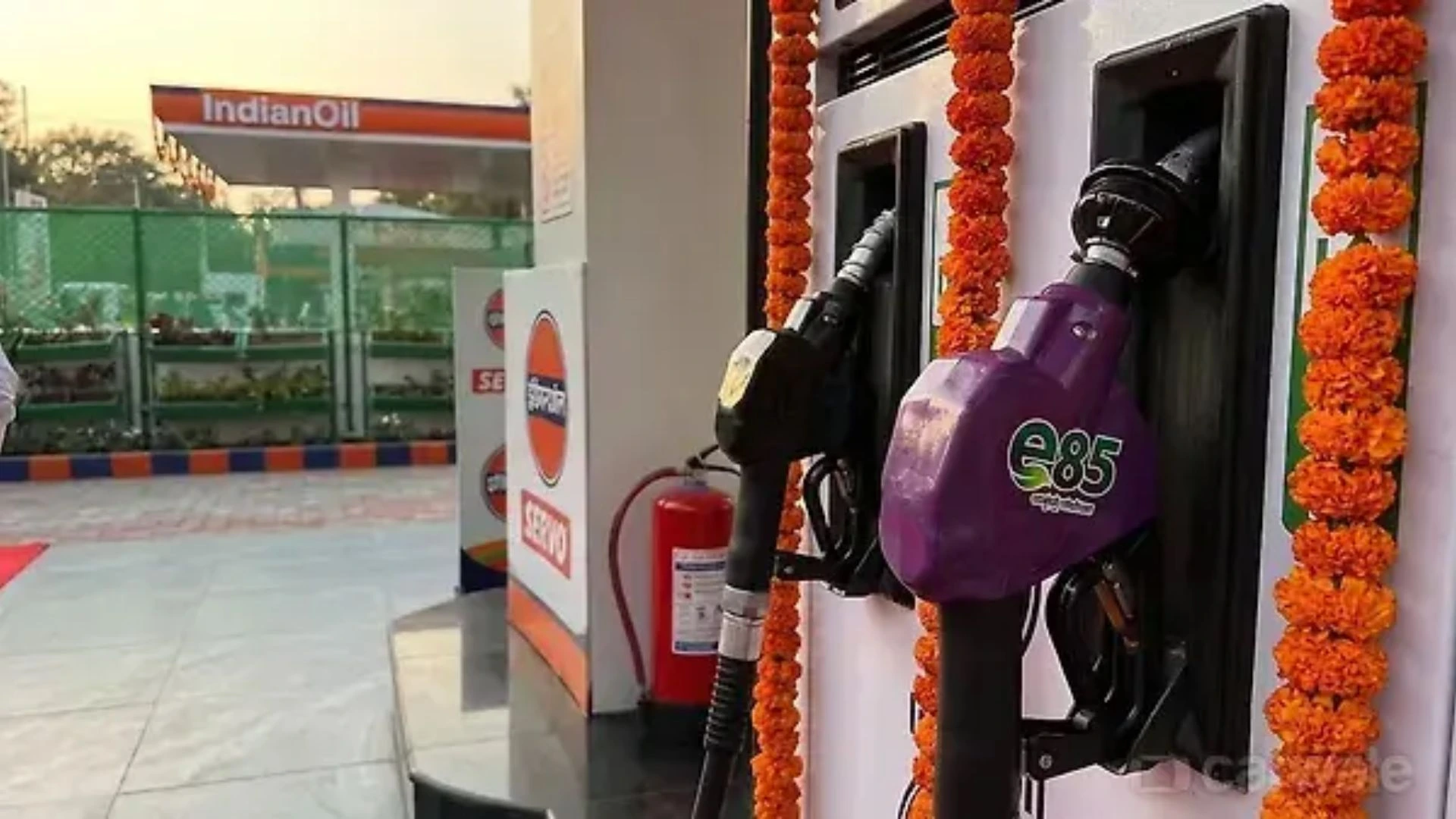
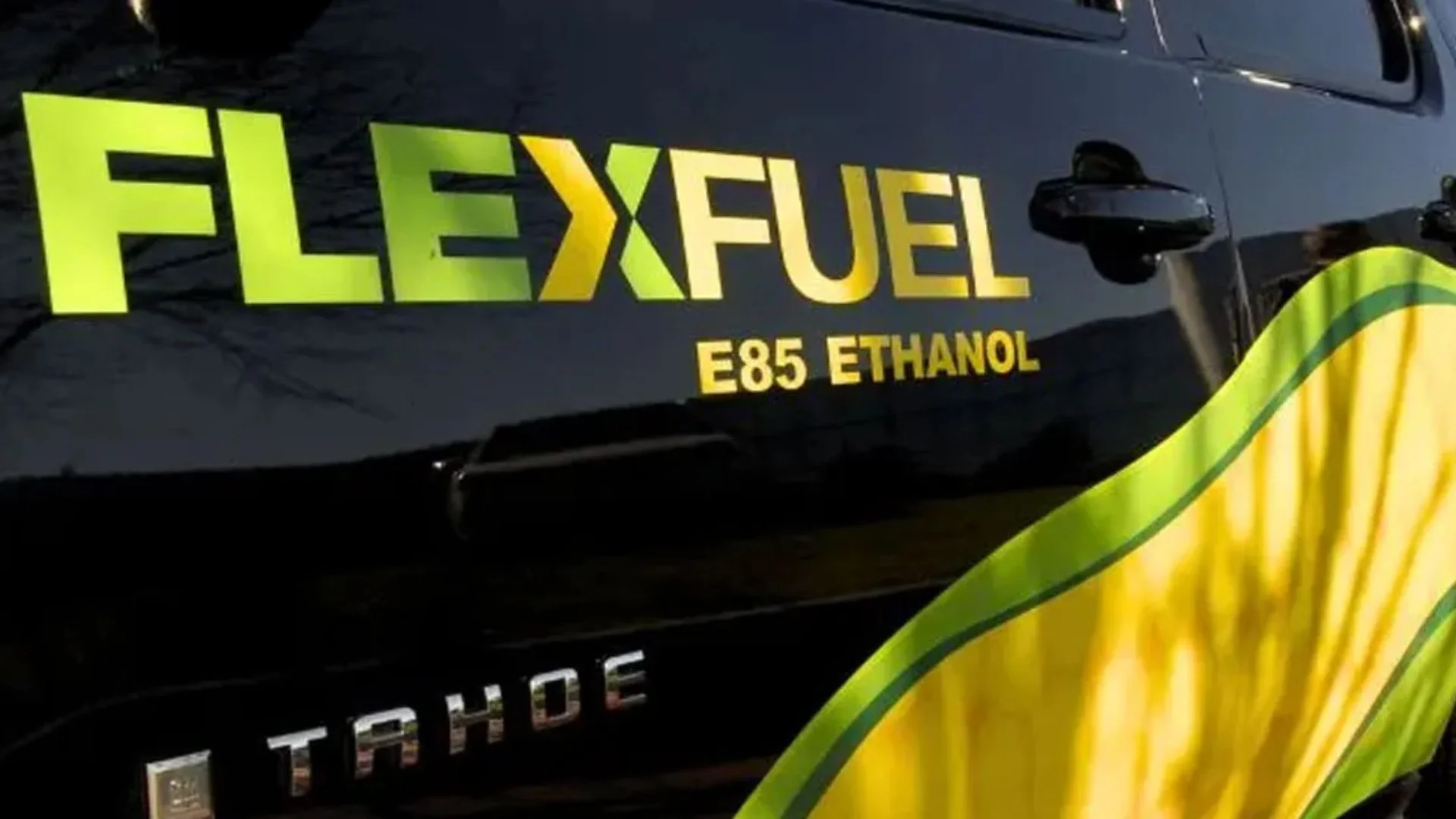
E85 is a fuel blend containing up to 85% ethanol and 15% petrol. Flex fuel vehicles are specially designed to run on different ethanol petrol mixtures without requiring any manual adjustments.
Unlike conventional petrol vehicles, flex fuel vehicles use:
- Ethanol-compatible fuel lines
- Modified fuel pumps
- Special injectors
- Advanced ECU calibration
These modifications help the engine adapt automatically to varying ethanol levels.
Also Read: https://autonexa.com/what-is-flex-fuel-vehicles-in-india-2026-complete-guide
Why Does E85 Deliver Lower Mileage?
The biggest reason behind lower mileage on E85 is its lower energy density compared to petrol. Simply put, ethanol contains less energy per litre, so the engine needs to burn more fuel to produce the same amount of power and cover the same distance.
As a result, vehicles running on E85 typically consume more fuel than they would on regular petrol. This is a common characteristic of ethanol-blended fuels and has been observed in flex-fuel markets around the world.
Mileage Comparison
|
Fuel Type |
Expected Mileage |
|
Petrol |
20 kmpl |
|
E85 |
14 to 17 kmpl |
The exact mileage can vary depending on several factors, including:
- Vehicle type
- Engine tuning
- Driving conditions
- Load carried
- Traffic conditions
It is worth noting that official mileage figures for newly launched flex fuel passenger vehicles in India are still awaited. Real-world testing over the coming months will provide a clearer picture of actual fuel economy.
Also Read: https://autonexa.com/hero-motocorp-launches-splendor-and-hf-deluxe-flex-fuel-bikes
Real World E85 Mileage Data
Countries such as Brazil and the United States have been using flex fuel vehicles for years, offering valuable insights into how E85 performs in everyday driving conditions.
USA Market Experience
According to industry studies and user reports, E85 typically results in a fuel economy reduction of around 15% to 27% compared to petrol. While the exact loss varies by vehicle, the overall trend remains consistent across most flex fuel cars.
|
Petrol Mileage |
E85 Mileage |
|
18 kmpl |
13 to 15 kmpl |
|
20 kmpl |
15 to 17 kmpl |
|
25 kmpl |
18 to 21 kmpl |
This explains why E85 is generally chosen for its lower fuel cost and environmental benefits rather than superior mileage.
Brazil Market Experience
Brazil, the world's largest flex fuel market, has been using ethanol-blended fuels for more than two decades. Studies and consumer experiences show that vehicles running on high ethanol blends generally deliver lower mileage than petrol, similar to trends observed in the United States.
Brazilian drivers often use the popular "70% Rule," which suggests ethanol becomes economically beneficial when its price is less than 70% of petrol's price. Despite the mileage reduction, many consumers continue to choose ethanol because of its lower cost and environmental benefits.
|
Petrol Mileage |
E85 Mileage |
|
18 kmpl |
13 to 15 kmpl |
|
20 kmpl |
15 to 17 kmpl |
|
25 kmpl |
18 to 21 kmpl |
Brazil's long-term experience shows that the success of E85 depends largely on fuel pricing. While mileage is lower than petrol, significant fuel cost savings can make ethanol a practical choice for many drivers.
Also Read: https://autonexa.com/maruti-suzuki-wagonr-flex-fuel-debuts-as-indias-first-e85-car
Does E85 Affect Pickup and Performance?
This is where E85 often surprises many buyers. While mileage may decrease, performance does not necessarily suffer in a properly engineered flex fuel vehicle.
Why Performance Can Improve
Ethanol has a significantly higher octane rating than regular petrol. A higher octane fuel can withstand greater compression before igniting, allowing the engine to operate more efficiently.
Benefits of higher octane E85 fuel include:
- Better combustion efficiency
- Reduced engine knocking
- More aggressive ignition timing
- Smoother power delivery
Because of these characteristics, flex fuel vehicles can maintain petrol-like performance and, in some cases, even produce slightly higher power and torque figures when specifically tuned for E85.
Hero Splendor Flex Fuel Performance Data
Hero MotoCorp's flex fuel motorcycle provides an interesting example.
Power Comparison
|
Model |
Power |
|
Regular Splendor |
7.91 bhp |
|
Splendor Flex Fuel |
8.4 bhp |
Torque Comparison
|
Model |
Torque |
|
Regular Splendor |
8.05 Nm |
|
Splendor Flex Fuel |
8.3 Nm |
What Does This Mean?
The flex fuel version delivers:
- Around 7% more power
- Around 3% more torque
This demonstrates that ethanol can maintain or slightly enhance performance when the engine is specifically engineered for it.
Advantages of E85 Flex Fuel
-
Lower Emissions
Ethanol burns cleaner than petrol, which helps reduce carbon monoxide and certain harmful emissions. This makes E85 a more environmentally friendly fuel option for the future.
-
Reduced Oil Imports
Higher ethanol usage can reduce India's dependence on imported crude oil. Since ethanol is produced locally from agricultural feedstocks, it also supports domestic energy production.
-
Good Performance
E85 has a higher octane rating than petrol, which allows better combustion and reduced engine knocking. In properly tuned flex fuel vehicles, performance remains similar to or slightly better than petrol.
-
Potential Cost Savings
Although E85 delivers lower mileage, its lower fuel price can help offset the additional fuel consumption. If E85 remains significantly cheaper than petrol, drivers may benefit from lower running costs.
Drawbacks of E85 Flex Fuel
-
Lower Fuel Economy
The biggest drawback of E85 is lower mileage. Since ethanol contains less energy than petrol, vehicles need more fuel to cover the same distance.
-
Limited Fuel Availability
E85 fuel stations are still limited across India. Until the fuel network expands, finding E85 in every city or highway location may be difficult.
-
More Frequent Refueling
Because mileage decreases on E85, vehicles may require more frequent fuel stops. This can reduce the overall driving range compared to petrol.
-
Not Suitable for Standard Petrol Vehicles
Regular petrol vehicles cannot safely run on E85 without modifications. Flex fuel vehicles use specially designed fuel system components and ECU calibration to handle higher ethanol blends.
Running Cost Calculation
Let us compare a practical example.
Petrol
- Fuel Price: ₹100 per litre
- Mileage: 20 kmpl
Cost per kilometre:
₹100 ÷ 20 = ₹5/km
E85
- Fuel Price: ₹75 per litre
- Mileage: 16 kmpl
Cost per kilometre:
₹75 ÷ 16 = ₹4.68/km
Savings
₹5.00 − ₹4.68 = ₹0.32 per km
This example shows that E85 becomes beneficial only when its price remains significantly lower than petrol.
Petrol vs E85 Comparison
|
Parameter |
Petrol |
E85 |
|
Mileage |
Better |
Lower |
|
Fuel Price |
Higher |
Usually Lower |
|
Pickup |
Good |
Similar or Slightly Better |
|
Emissions |
Higher |
Lower |
|
Driving Range |
Longer |
Shorter |
|
Environmental Impact |
Higher |
Lower |
Is Flex Fuel Worth Buying in India?
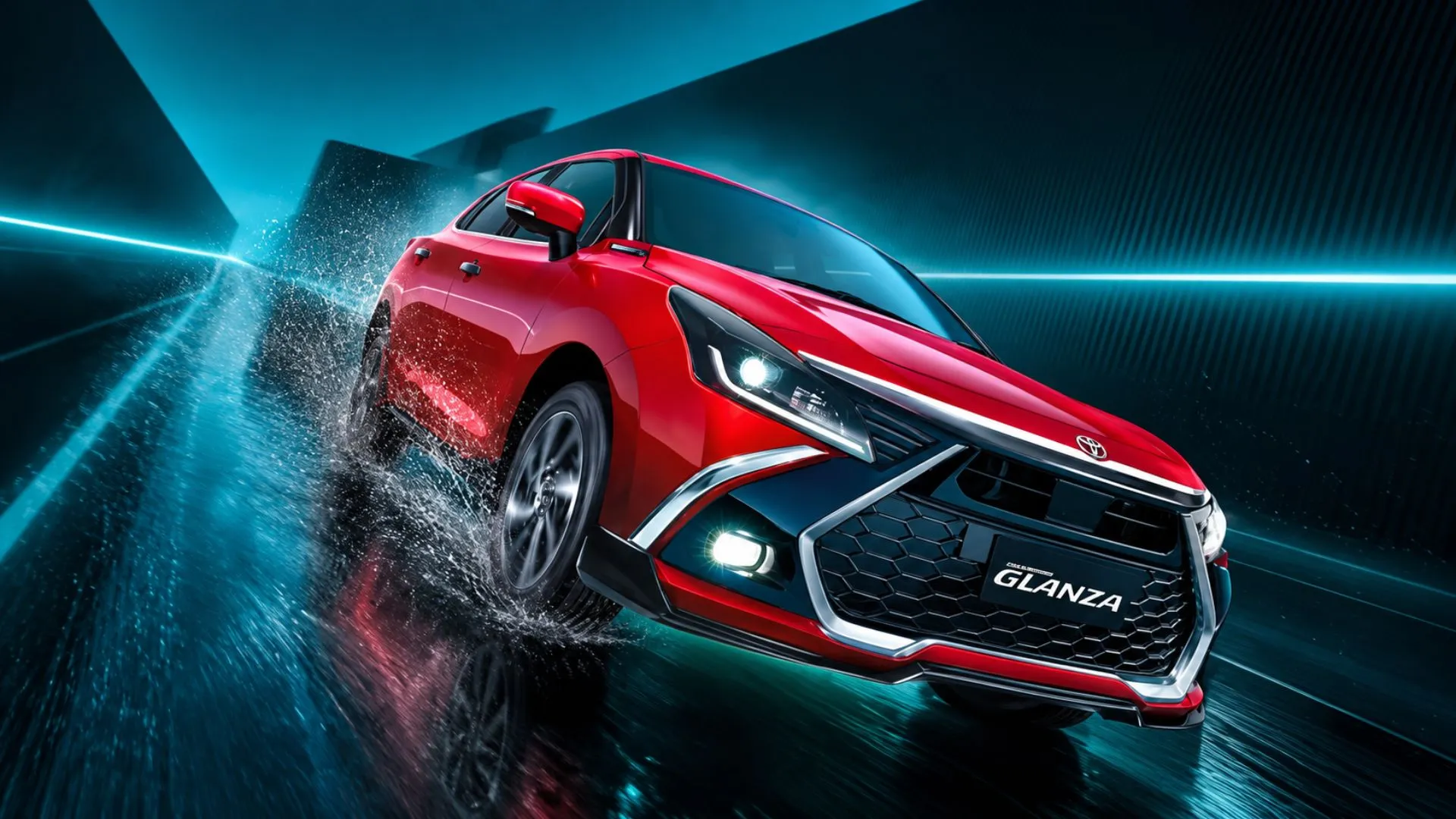
For motorcycles such as the Hero Splendor Flex Fuel and HF Deluxe Flex Fuel, the technology appears promising because mileage loss is relatively manageable, and running costs may remain attractive.
For passenger cars such as future flex fuel models, the success of the technology will largely depend on:
- Actual E85 fuel pricing
- Availability of ethanol pumps
- Real-world mileage figures
Conclusion
E85 flex fuel is not a mileage champion. Compared to petrol, drivers can expect approximately 15% to 27% lower fuel economy. However, pickup and performance generally remain similar, and in some specially tuned engines, they may even improve.
The real advantage of E85 lies in lower fuel prices, reduced emissions, and decreased dependence on imported oil. Whether flex fuel becomes a mainstream success in India will ultimately depend on fuel availability and pricing. If E85 remains significantly cheaper than petrol, it could become a practical and economical alternative for many Indian buyers.
Also Read: https://autonexa.com/fuel-prices-in-india-2026-rise-and-impact-the-auto-sector
Aakash Mehra
Automotive Journalist & Car Reviewer. Aakash Mehra is a seasoned automotive journalist with over 9 years of experience in car journalism and consumer-focused reviews. Having test-driven more than 550+ vehicles, he delivers detailed comparisons, expert insights, and unbiased advice to help readers confidently choose the right car.
_1781518142.webp)