Table of Content
▼- What Are Flex Fuel Vehicles (FFVs)?
- Understanding Ethanol Blends: E20, E85, and E100
- Why Is India Pushing Flex Fuel Vehicles in 2026?
- Reducing Crude Oil Import Bills
- Cutting Carbon Emissions
- Boosting Farmer Income
- Securing Energy Independence
- Flex Fuel Vehicles vs Petrol Cars vs EVs
- Top Flex Fuel Vehicles Launching in India in 2026
- Maruti Suzuki Fronx FFV
- Tata Punch Flex Fuel
- TVS Flex Fuel Motorcycle
- Renault (Upcoming)
- Government Policy & Regulatory Support for FFVs
- Who Should Buy a Flex Fuel Vehicle in India?
- FFVs are the right choice if:
- FFVs may NOT suit you if:
- Conclusion
Flex fuel vehicles are no longer a concept sitting in auto show halls, they are India's boldest, most practical answer to rising fuel prices, crude oil dependency, and emission targets in 2026. India's automotive market, which sold over 42 lakh passenger vehicles last year, is still almost entirely powered by imported petrol. That equation is about to change. With a nationwide E20 mandate already in force and draft rules for E85 fuel on the table, flex fuel vehicles are entering Indian roads at the exact right moment.
This guide breaks down exactly what flex fuel vehicles mean in India's 2026 landscape, how they work, which models are launching, and whether one makes financial and practical sense for you.
What Are Flex Fuel Vehicles (FFVs)?
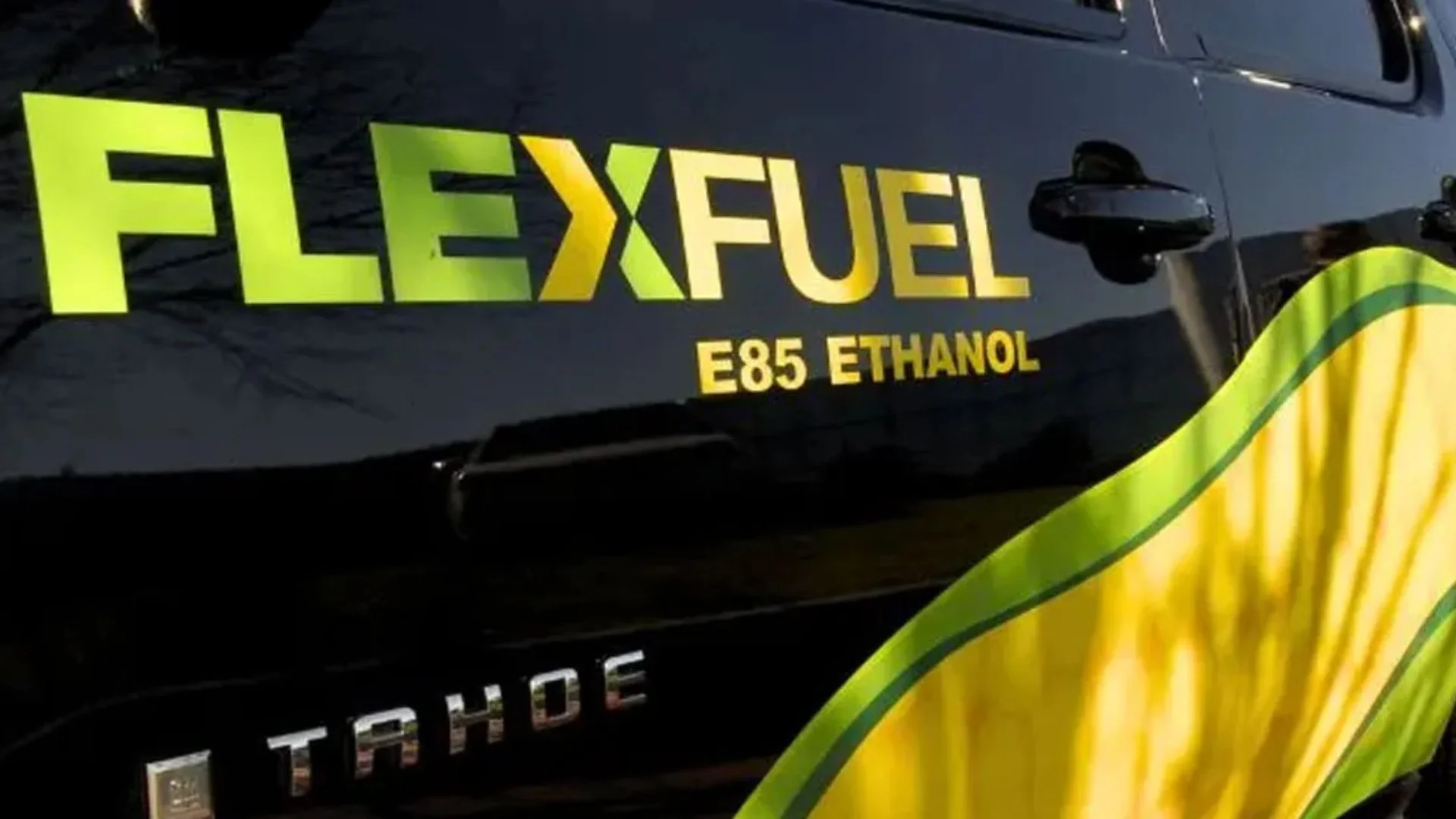
A Flex Fuel Vehicle (FFV) operates through an internal combustion engine that accepts petrol and ethanol and all possible mixtures between these two fuels which include E20 and E85 and E100 as valid operating options.
An FFV differs from a conventional petrol vehicle because it has built better equipment.
- The vehicle features fuel lines and seals and injectors which can withstand ethanol.
- The smart Engine Control Unit (ECU) of the vehicle system detects ethanol and petrol ratios found in the fuel tank.
- The vehicle system uses recalibrated powertrain software to manage fuel delivery and ignition timing in real-time.
Your vehicles' ECUs will automatically run your vehicles well no manual intervention will be required from the driver, should you care to run your car with an energy source, such as E20, E50, or high-octane E85.
Key Fact for Indian Car Buyers: India achieved its nationwide E20 mandatory fuel rollout on April 1, 2026, ahead of its original 2030 target. Current E85 and E100 draft rules which are being developed will create new importance for FFV ownership throughout India.
Understanding Ethanol Blends: E20, E85, and E100
|
Fuel Type |
Ethanol Content |
Petrol Content |
Vehicle Compatibility |
|---|---|---|---|
|
E10 |
10% |
90% |
Standard older vehicles |
|
E20 |
20% |
80% |
Most post-2023 vehicles |
|
E85 |
85% |
15% |
FFVs only |
|
E100 |
~100% |
Negligible |
FFVs / dedicated ethanol vehicles |
Important: Regular petrol cars cannot operate on E85 fuel because its high ethanol content causes standard fuel seals and hoses and injectors to corrode. The design of flex fuel vehicles enables them to operate with high ethanol fuel blends because they contain specialized equipment for this purpose.
Also Read: Toyota Corolla Altis vs Honda Civic: The Ultimate Sedan Rivalry in 2026
Why Is India Pushing Flex Fuel Vehicles in 2026?
India's push towards flexible foreign investments is not generated by one reason; it is kindled by the burning pressures of four critical national compulsions:
Reducing Crude Oil Import Bills
India imports about 85 percent of its crude oil, which costs the country more than Rs. 22 lakh crore every year for fossil fuel imports. The country produces ethanol through its domestic sugarcane and corn industries, which serves as a direct and affordable alternative.
Cutting Carbon Emissions
Compared with conventional petrol use, ethanol from sugarcane reduces greenhouse gas emissions by up to 65%, thereby directly supporting India's COP26 climate commitments.
Boosting Farmer Income
The increased demand for ethanol results in greater sugarcane and maize and agricultural crop consumption which transforms Indian agricultural land into producers of domestic fuel while increasing rural residents' income.
Securing Energy Independence
The ongoing West Asia conflicts which continue to occur have caused repeated interruptions to India's oil supply. The domestic production of ethanol creates a protective barrier for India which safeguards the nation from international oil price fluctuations and political unrest in other countries.
Flex Fuel Vehicles vs Petrol Cars vs EVs
|
Feature |
Petrol Car |
Electric Vehicle (EV) |
Flex Fuel Vehicle (FFV) |
|---|---|---|---|
|
Fuel Source |
Imported crude oil |
Grid / Solar electricity |
Domestic ethanol + petrol |
|
Refuel Time |
~3 minutes |
30–90 minutes |
~3 minutes |
|
New Infrastructure |
No |
Yes, charging stations |
Minimal, modified pumps |
|
Emission Level |
High |
Zero tailpipe |
Low to moderate |
|
Rural Viability |
High |
Low |
High |
|
Direct Farmer Benefit |
None |
None |
Significant |
|
Transition Cost |
Low |
High |
Moderate |
Important: FFVs serve as a pivotal strategic point which India controls from its central position. The vehicles provide more environmental benefits than petrol cars because they can be refueled faster than electric vehicles and they operate better in cities which lack electric vehicle charging stations.
Top Flex Fuel Vehicles Launching in India in 2026
Maruti Suzuki Fronx FFV
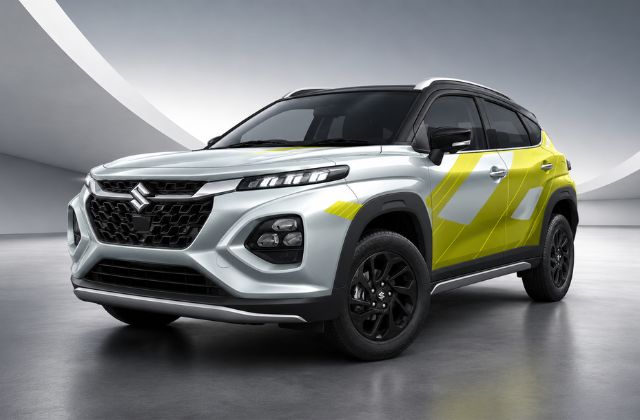
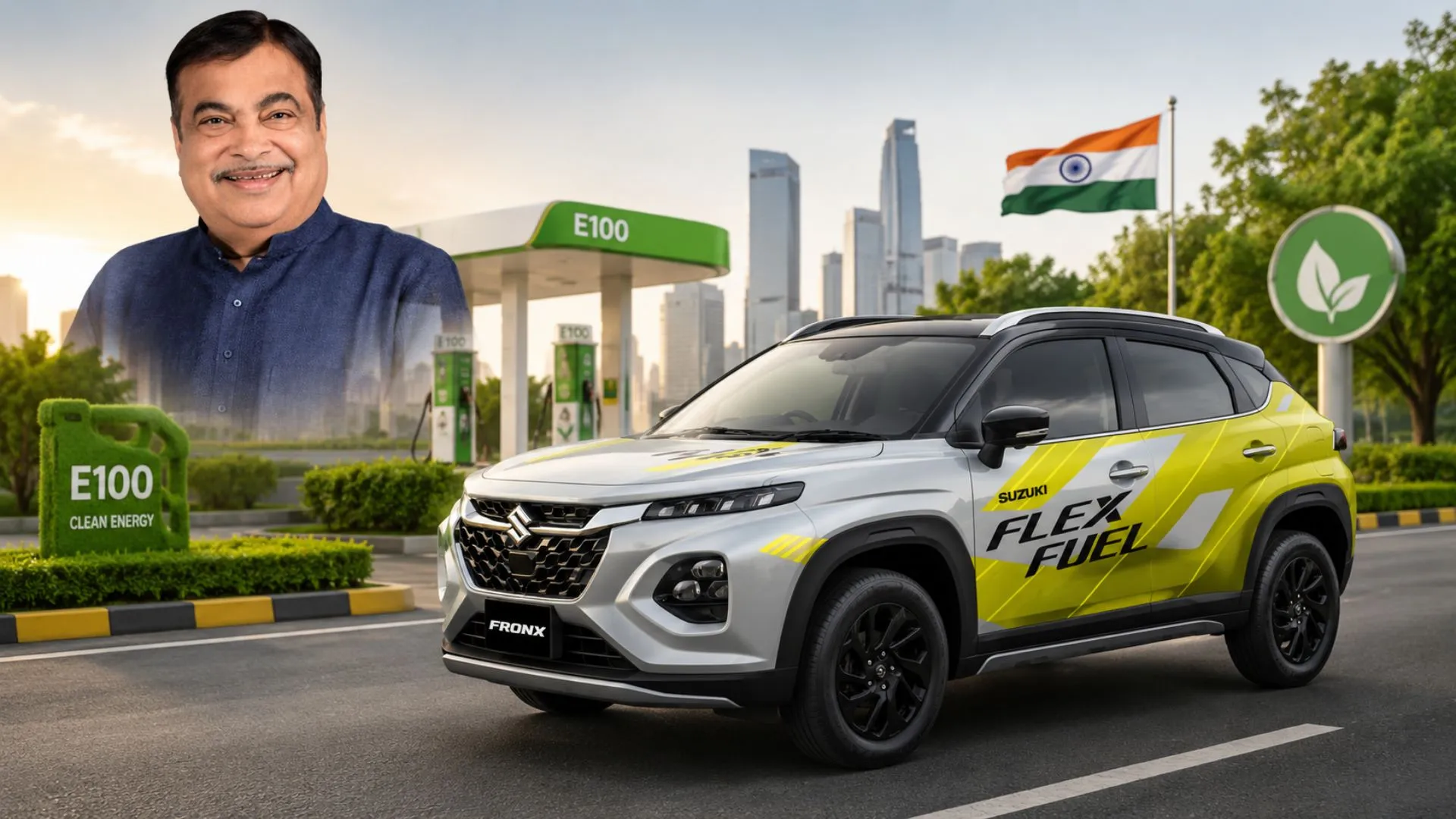
India's largest car manufacturer leads the market with its Fronx Flex Fuel vehicle which uses a modified 1.2L K12 engine that can run on E20 to E85 fuel mixtures. The power output shows no change at approximately 89 bhp because all powertrain components have been adjusted to operate with full ethanol fuel. The 2026 FFV car launch event marks the most awaited vehicle introduction for that year.
Tata Punch Flex Fuel
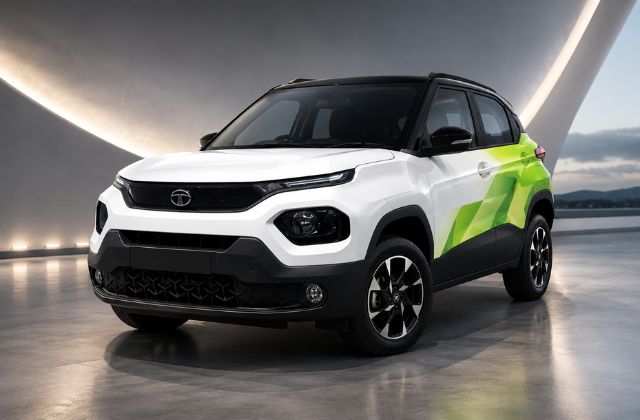
Showcased at Bharat Mobility Global Expo 2025, the Tata Punch Flex Fuel is engineered to run on 100% ethanol, one of the most future-ready FFV concepts in India's current market.
TVS Flex Fuel Motorcycle
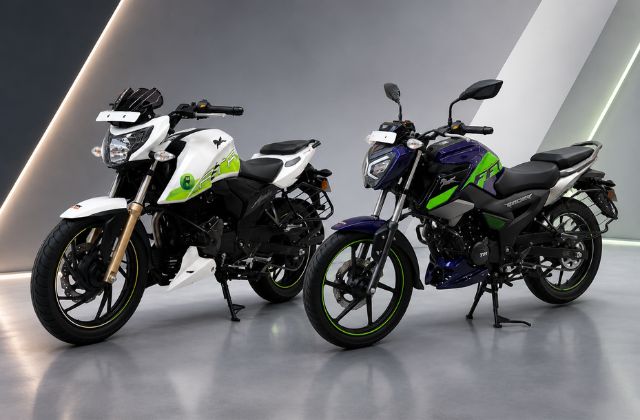
TVS Motor Company will introduce India's initial flex fuel motorcycle in 2026 through its upcoming product launch which will first introduce FFV technology to the extensive two-wheeler market.
Renault (Upcoming)
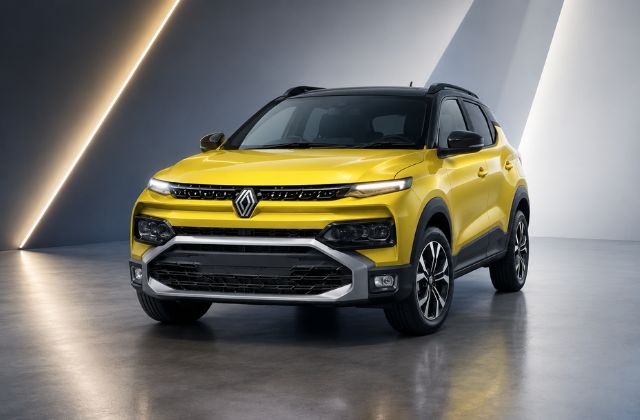
Renault, which already sells FFVs in Brazil and Colombia, is actively evaluating an India launch once the E85 policy framework receives formal notification.
Also Read: Common Mistakes Electric Car Owners Make and How to Avoid Them
Government Policy & Regulatory Support for FFVs
One policy driver has been the Indian Government itself and its highly proactive policies, strongly supporting adoption of FVs:.
- The E20 Nationwide Mandate requires all petrol stations to offer E20 fuel starting from April 1 2026.
- he Ministry of Petroleum will issue formal notification about the E85 and E100 Draft Rules within the next few days.
- The upcoming Corporate Average Fuel Efficiency regulations will treat flexible fuel vehicles the same as electric vehicles according to the new CAFE standards.
- The government reduced GST rates on ethanol to boost its usage throughout India.
- The National Policy on Biofuels establishes the complete framework to achieve all ethanol blending goals until 2030.
Who Should Buy a Flex Fuel Vehicle in India?
FFVs are the right choice if:
- You want lower running costs without switching entirely to an EV
- You live in a city or town where E85 fuel availability is improving
- You want to future-proof your vehicle against rising petrol prices
- You want to support India's energy independence and farmer income goals
- You are planning a new car purchase and want CAFE regulatory benefits
FFVs may NOT suit you if:
- You exclusively need a vehicle for long highway routes where E85 pumps are not yet available
- You have strong privacy concerns around telematics or connected vehicle systems
- You are looking for zero-emission transport, FFVs still produce tailpipe emissions on any blend
Conclusion
In 2026, flex fuel vehicles are India's most in-context, farmer-friendly, and ready to offer an energy strategy promptly implemented. They do not demand an entirely new charging infrastructure, they do not leave rural India behind, and they put domestic agricultural output directly into your fuel tank. With Maruti, Tata, and TVS already at the gate, and a clear government policy pathway behind them, the FFV era in India has arrived. For any Indian car buyer evaluating their next purchase, a flex fuel vehicle is no longer something to simply watch. It is a real, smart, and future-ready decision to make right now.
Also Read This |
|
|---|---|
Frequently Asked Questions
Aakash Mehra
Automotive Journalist & Car Reviewer. Aakash Mehra is a seasoned automotive journalist with over 9 years of experience in car journalism and consumer-focused reviews. Having test-driven more than 550+ vehicles, he delivers detailed comparisons, expert insights, and unbiased advice to help readers confidently choose the right car.