Table of Content
▼- Understanding Why Your Vehicle's AC Struggles in Extreme Heat
- Top Practical Tips for Maximum Cabin Cooling
- 1. Ventilate the Cabin Before Turning the System On
- 2. Start Driving Before Demanding Maximum Cooling
- 3. Master the Recirculation Mode Wisely
- 4. Protect the Interior from Direct Sunlight
- 5. Perform Routine System Maintenance Regularly
- Common Mistakes That Ruin AC Performance
- Conclusion
To keep your car's AC cool during extreme summer heatwaves, you must ventilate trapped hot air before driving, use the recirculation mode smartly, park in shaded areas, and maintain proper refrigerant levels. Taking these simple steps dramatically improves cooling efficiency, reduces strain on the engine compressor, and ensures a highly comfortable driving experience even when ambient temperatures completely soar to record-setting highs across the country.
Understanding Why Your Vehicle's AC Struggles in Extreme Heat
During peak summer months, the interior of your vehicle can transform into a literal oven due to the greenhouse effect. When sunlight enters through the glass windows, the interior materials absorb the heat and trap it inside. Data shows that on a 35-degree Celsius day, the dashboard and seats can easily reach a scorching 65 degrees Celsius within just one hour of being parked in direct sunlight.
When you turn on the air conditioning in such severe conditions, the system has to work incredibly hard to neutralize that massive amount of trapped heat before it can even begin to cool the passengers. This places immense stress on the compressor, the condenser, and the engine, ultimately leading to poor fuel economy and subpar cooling performance.
Top Practical Tips for Maximum Cabin Cooling
1. Ventilate the Cabin Before Turning the System On
One of the most highly effective yet frequently ignored methods to cool your cabin quickly is by releasing the trapped hot air before activating the climate control. After your vehicle has been parked under the blazing sun for hours, the inside air is much hotter than the outside ambient air.
- Open all doors wide for about thirty seconds before stepping inside to let the heat escape.
- Alternatively, roll down all the windows and drive for the first two minutes.
- This simple action pushes the stagnant scorching air out, allowing the climate control system to start cooling from a much lower baseline temperature.
2. Start Driving Before Demanding Maximum Cooling
Many drivers have a bad habit of instantly blasting the fan to the highest setting the moment they start the engine. Modern automotive cooling systems actually operate much more efficiently when the vehicle is in motion.
The compressor is directly driven by the engine belt. When you are driving, the engine revolutions are higher, causing the compressor to spin faster and pump refrigerant more effectively. Furthermore, moving the car forces fresh outside air through the condenser located at the front of the vehicle, which drastically speeds up the heat extraction process. Gradually lower the temperature dial as you pick up speed to prevent unnecessary mechanical load.
3. Master the Recirculation Mode Wisely
The recirculation button is your absolute best friend during a severe heatwave. Instead of constantly pulling hot, humid air from outside and trying to cool it down, this mode recirculates the already cooled air inside the cabin, creating a compounding chilling effect.
However, knowing exactly when to use fresh air versus recirculated air is vital for passenger comfort and overall system health.
Remember to switch back to fresh air mode occasionally during extended journeys to prevent the cabin air from becoming stale and causing driver drowsiness.
4. Protect the Interior from Direct Sunlight
Prevention is always better than a cure. If you can stop the interior from getting severely hot in the first place, your air conditioning will not have to struggle.
Whenever possible, always park your vehicle in shaded areas under large trees or inside covered basement parking lots. If shade is completely unavailable, investing in a high-quality reflective windshield sunshade is a brilliant move. Real-world testing proves that a reflective sunshade can lower dashboard temperatures by up to 15 degrees Celsius. Additionally, leaving the windows cracked open by just a few millimeters allows hot air to slowly escape while the car is parked safely.
Also Read: https://autonexa.com/car-seat-care-with-cleaning-expiry-replacement-tips
5. Perform Routine System Maintenance Regularly
No amount of clever tricks will help if the mechanical components of your cooling system are failing. Routine maintenance is absolutely crucial for optimal performance during the brutal summer months.
- Replace the Cabin Air Filter: A clogged, dusty filter severely restricts airflow, making the blower fan work much harder for less output. Replace this vital filter every 15000 kilometers.
- Check Refrigerant Levels: If the air coming out of the vents feels slightly warm, you might have a microscopic leak leading to low refrigerant gas. Visit a qualified mechanic to check the system pressure and top up the gas if necessary.
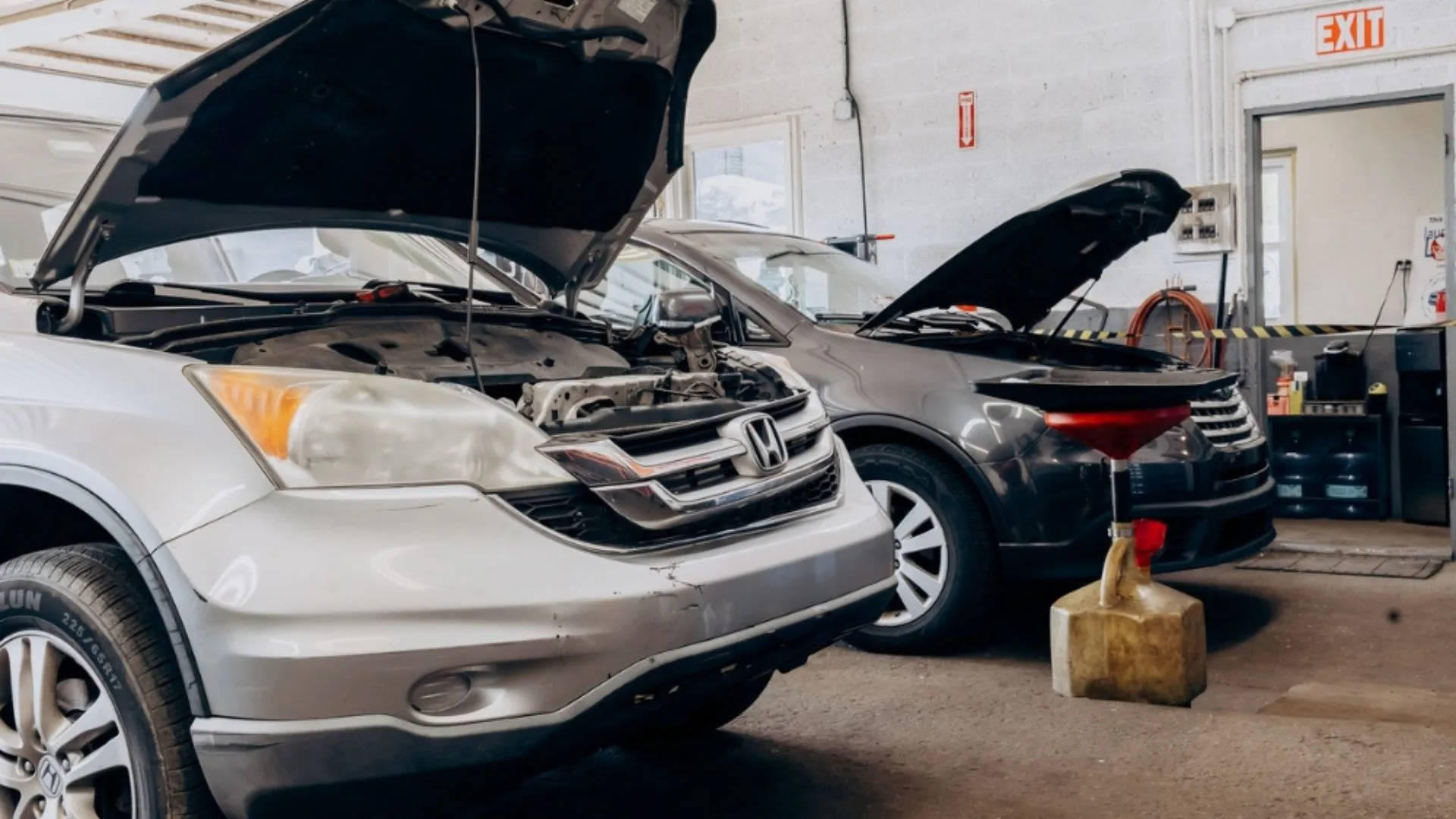
- Clean the Condenser: The condenser looks like a radiator and sits at the very front of the car. Over time, bugs dry leaves, and road dirt blocks the delicate metal fins. Gently washing it with a low-pressure water hose restores proper airflow and efficient heat dissipation.
Common Mistakes That Ruin AC Performance
To keep your system running smoothly, you should also avoid a few common pitfalls that many vehicle owners make.
- Ignoring Strange Odors: A foul, musty smell coming from the vents usually indicates mold or bacteria buildup inside the evaporator core. This requires immediate cleaning to protect your respiratory health.
- Leaving the AC On When Turning Off the Engine: Always turn off the air conditioning button before shutting off the engine. Leaving it engaged creates a massive electrical shock to the starter motor the next time you turn the key.
- Skipping Winter Usage: Air conditioning systems contain lubricating oils mixed with the refrigerant. If you never use the system during winter, the rubber seals dry out and leak. Run the system for ten minutes every month to keep everything lubricated.
Conclusion
Surviving extreme summer heatwaves requires a proactive approach to vehicle maintenance and smart daily driving habits. By taking a few seconds to ventilate the cabin, mastering your climate control buttons, and keeping the mechanical components in peak working condition, you can easily beat the heat. Following these practical summer car care tips not only guarantees a freezing cold cabin but also extends the overall lifespan of the cooling components while saving you money on fuel. Stay cool, stay hydrated, and drive safely.
Aakash Mehra
Automotive Journalist & Car Reviewer. Aakash Mehra is a seasoned automotive journalist with over 9 years of experience in car journalism and consumer-focused reviews. Having test-driven more than 550+ vehicles, he delivers detailed comparisons, expert insights, and unbiased advice to help readers confidently choose the right car.