Table of Content
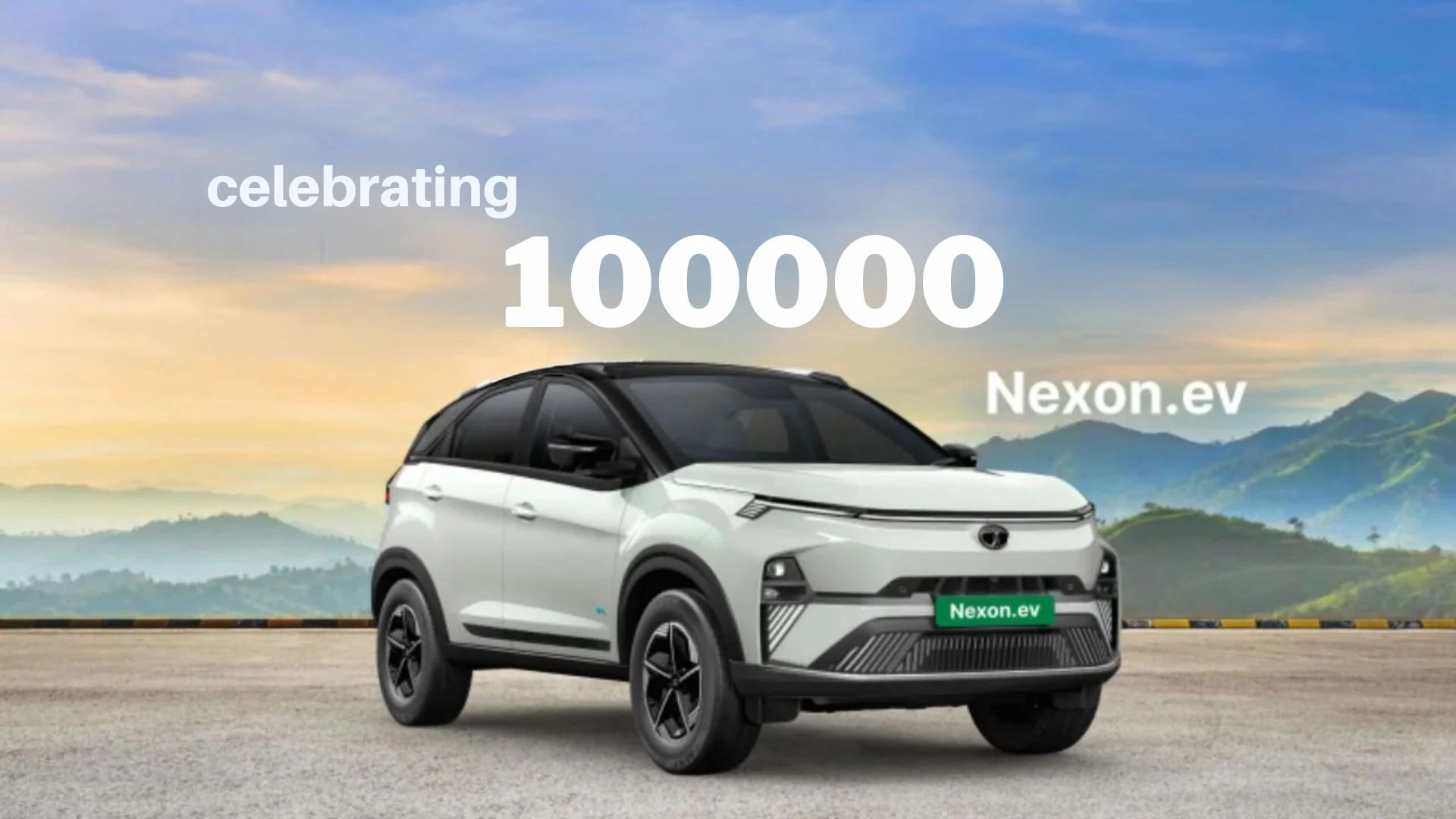
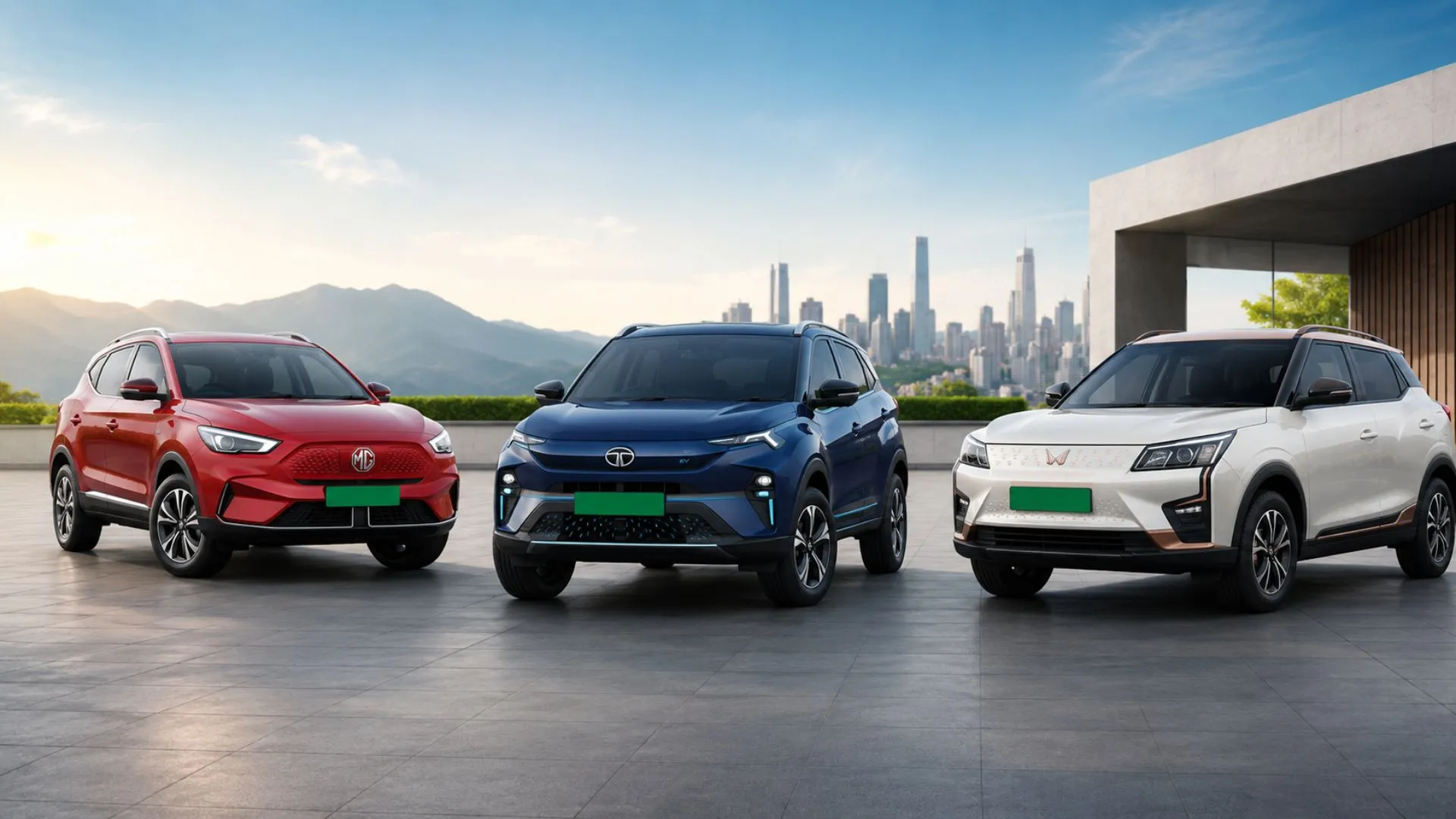
▼MG ZS EV, Tata Nexon EV, and Mahindra XUV400 are the three names that pretty much dominate every electric SUV conversation in India right now, and honestly they couldn’t approach the whole thing in quite the same way. One is built for premium connected driving. One is built for the value-first buyer. The third is built to be quick.
India’s EV segment has moved beyond early adopters. Families are making real buying decisions, calculating real running costs, and expecting real answers. This comparison gives you exactly that, price, variants, range, performance, dimensions, technology, and safety, broken down without filler so you leave with a clear verdict.
Price and Variants
MG ZS EV
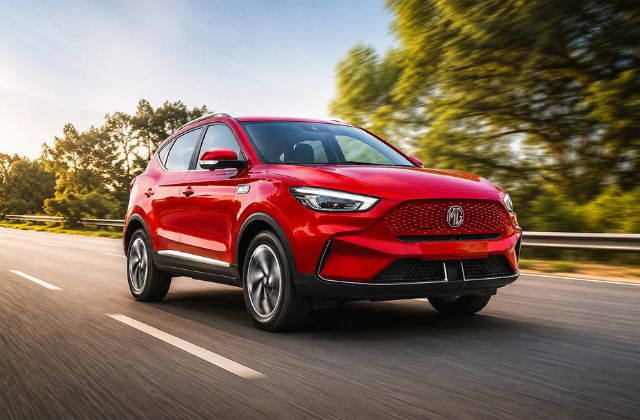
- MG ZS EV 4 variants like Executive, Excite Pro, Exclusive Plus, and Essence (+ 100-Year Special Edition)
- Price range is ₹17.99 lakh - ₹20.50 lakh ex-showroom, depending on the variant.
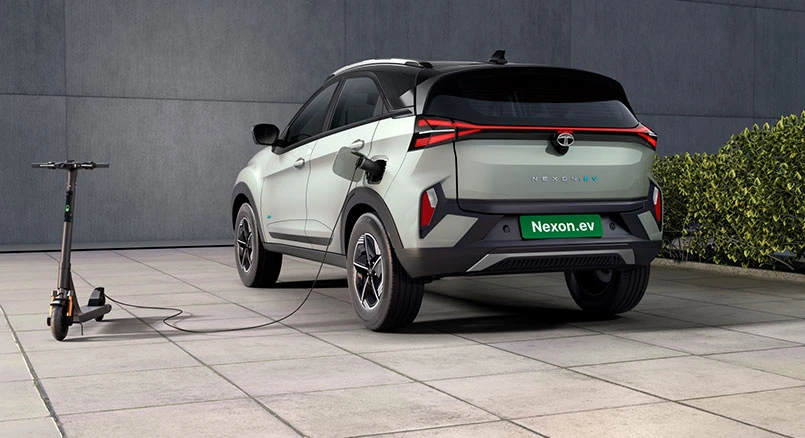
Tata Nexon EV
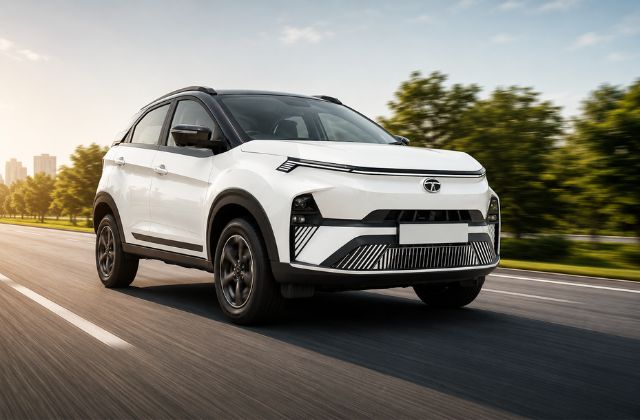
- Tata Nexon EV 5 comes with multiple trim levels such as Creative, Fearless, Empowered and also Empowered+ and Empowered+ A
- You get battery options like 30 kWh for the Medium Range, or 45 kWh for the Long Range.
- Price-wise it starts around ₹12.49 lakh up to ₹17.49 lakh, ex-showroom.
Mahindra XUV400
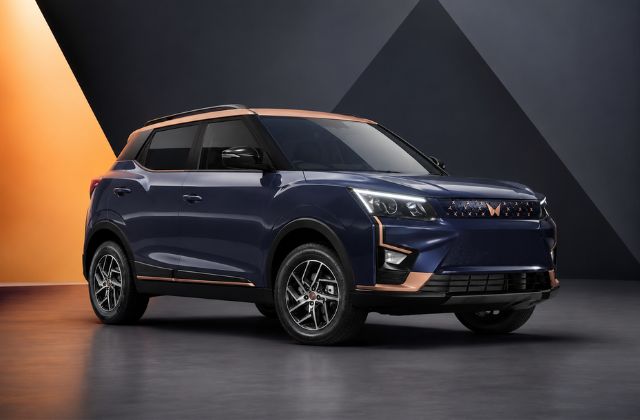
- Mahindra XUV400 3 Pro variants are basically EC Pro 34.5 kWh, EL Pro 34.5 kWh, EL Pro 39.4 kWh, and there’s also the EL Pro 39.4 kWh + Dual-Tone edition.
- Price wise it comes in a range of ₹15.49 lakh to ₹17.69 lakh ex-showroom.
|
Model |
Starting Price |
Top Variant Price |
|---|---|---|
|
Tata Nexon EV |
₹12.49 Lakh |
₹17.49 Lakh |
|
Mahindra XUV400 |
₹15.49 Lakh |
₹17.69 Lakh |
|
MG ZS EV |
₹17.99 Lakh |
₹20.50 Lakh |
Price Verdict: The Nexon EV, kind of wins outright when it comes to accessibility , it slides in around ₹5.5 lakh below the ZS EV almost. Meanwhile the XUV400 is more of that sweet spot for buyers who want performance but don’t cross ₹18 lakh. And the ZS EV targets a slightly different type of buyer altogether , like it’s aiming elsewhere.
Battery, Range and Charging
MG ZS EV
- For the MG ZS EV, the Single 50.3 kWh battery pack is used across all variants, pretty much same setup everywhere.
- The ARAI Range sits at 461 km while real-world driving usually lands around 300–350 km.
- DC fast charging is 50 kW, and it can reach 0–80% in about 60 minutes
Tata Nexon EV
- Tata Nexon EV comes with 30 kWh (MR) or 45 kWh (LR) variants, so you can pick what feels right.
- ARAI Range shows 275 km up to 489 km, but in the real-world it usually lands around 200–350 km
- For DC fast charging it’s rated at 30 kW which takes roughly 0 to 80% in about 40 minutes.
Mahindra XUV400
- Mahindra XUV400 comes with 34.5 kWh / 39.4 kWh options, sort of depending on what you pick
- MIDC range says 375 km – 456 km , but real-world driving looks more like 260–300 km.
- On DC Fast Charging it’s rated at 50 kW , and from 0–80% it takes around 50 minutes.
Range Verdict: The MG ZS EV gives you the most consistent real world range, sort of no battery-option confusion, really. The Nexon EV LR claims the top ARAI number at 489 km, which sounds great on paper. Meanwhile the XUV400 sits somewhere in between in day to day driving. If you want that longer highway comfort, the MG ZS EV and the Nexon EV LR are the safest picks.
Performance
|
Spec |
MG ZS EV |
Tata Nexon EV |
Mahindra XUV400 |
|---|---|---|---|
|
Motor Power |
177 hp |
142 hp |
150 hp |
|
Peak Torque |
280 Nm |
215 Nm |
310 Nm (Highest) |
|
0–100 km/h |
~8.5 sec |
8.9 sec |
8.3 sec (Fastest) |
|
Top Speed |
~140 km/h |
~120 km/h |
150 km/h |
|
Drive Type |
FWD |
FWD |
FWD |
The XUV400 manages the peak torque of 310 Nm and also lands the quickest sprint, 8.3 seconds in this comparison. Meanwhile the MG ZS EV shows the strongest motor rating at 177 hp, with a smooth linear kind of pull. The Nexon EV looks the most modest on paper but, honestly it is well tuned for the daily city commute , so it feels effortless there.
Performance Verdict: The XUV400 is the performance pick kind. The ZS EV is the refined pick, you know. The Nexon EV is the practical pick, for real.
Also Read: Toyota Camry vs Skoda Superb: Battle of the Business Sedans
Dimensions and Space
|
Parameter |
MG ZS EV |
Tata Nexon EV |
Mahindra XUV400 |
|---|---|---|---|
|
Length |
~4,323 mm |
3,995 mm |
4,200 mm |
|
Wheelbase |
~2,585 mm |
2,498 mm |
2,600 mm (Longest) |
|
Boot Space |
~448 L (Largest) |
~350 L |
378 L |
|
Ground Clearance |
177 mm |
190–205 mm |
200 mm |
The XUV400’s 2,600 mm wheelbase leads on rear seat legroom. The MG ZS EV leads on boot volume at ~448 litres. The Nexon EV, being sub-4 metres, is the tightest on space but the easiest to handle in city parking. On ground clearance, the Nexon EV and XUV400 handle broken Indian roads more convincingly than the ZS EV’s 177 mm stance.
Space Verdict: XUV400 for cabin room. ZS EV for boot space. Nexon EV for city maneuverability.
Features and Technology
MG ZS EV
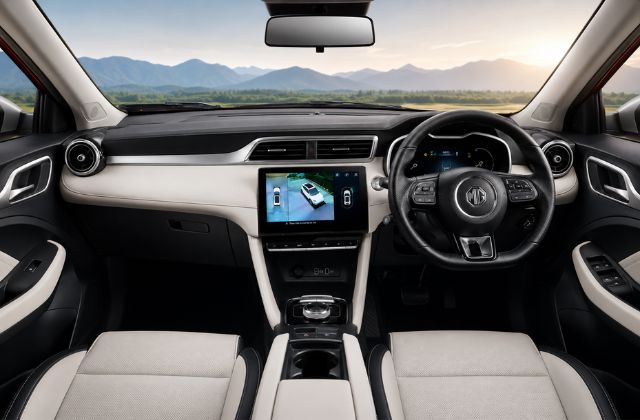
- 10.1-inch touchscreen with wireless Apple CarPlay and Android Auto
- 75+ connected car features via i-SMART platform
- Level 2 ADAS, panoramic sunroof, 360-degree camera
- Wireless charging, air purifier, 6-way electric driver’s seat
Tata Nexon EV
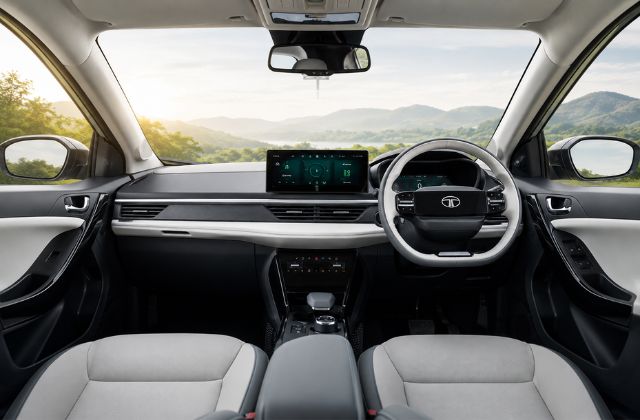
- 12.3-inch floating infotainment screen + 10.25-inch digital cluster
- 9-speaker JBL surround sound system
- Tata Nexon EV has Vehicle-to-Load (V2L) plus Vehicle-to-Vehicle (V2V) charging, a segment first, kinda like you get that power-sharing thing right away, even if it’s small at the start but it still feels important.
- Level 2 ADAS (Empowered+ A), OTA updates, Zconnect connected platform
Mahindra XUV400
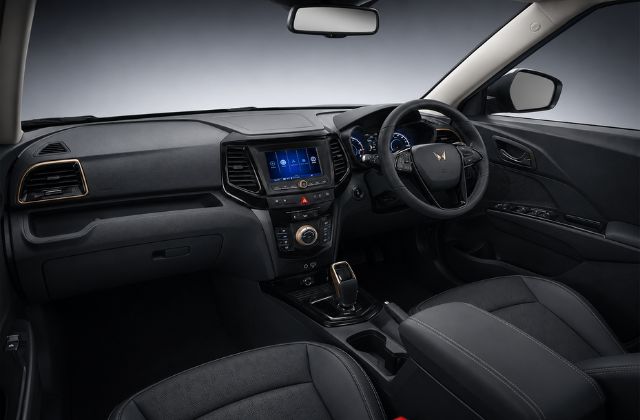
- Mahindra XUV400 Dual 10.25 inch screens for infotainment, plus a full digital instrument panel, feels pretty seamless.
- AdrenoX connected car platform with 50+ features
- Dual-zone automatic climate control with rear AC vents
- 3 drive modes: Fun, Fast, Fearless + segment-first Lively mode for city traffic
- Level 2 ADAS on top trim, IP67-rated battery pack
The Nexon EV’s V2L and V2V capability stands apart, power your appliances or charge another EV directly from your car. No rival in this comparison offers that. The MG ZS EV leads on sheer connected feature volume. The XUV400’s Lively mode for bumper-to-bumper traffic is the kind of clever, practical feature daily commuters will actually use.
Technology Verdict: Nexon EV for real-world utility. MG ZS EV for connected tech depth. XUV400 for driving intelligence.
Also Read: Summer Car Care Tips to Keep Your Car AC Cool During Heatwaves
Colour Options
|
MG ZS EV |
Tata Nexon EV |
Mahindra XUV400 |
|---|---|---|
|
Ferris White |
Pristine White |
Everest White |
|
Sable Black |
Daytona Grey |
Napoli Black |
|
Currant Red |
Flame Red |
Arctic Blue |
|
Ashen Silver |
Fearless Purple |
Galaxy Grey |
|
— |
Ocean Blue |
Infinity Blue |
|
— |
Pure Grey |
Blazing Copper (Dual-Tone) |
The XUV400 kind of wins , with 10 colour options and its signature copper dual tone. Meanwhile the Nexon EV added a couple of new shades in 2026, like Pure Grey and Ocean Blue, yes. The MG ZS EV stays more restrained , and pretty sophisticated with its whole palette.
Safety
All three hold a 5-star Bharat NCAP rating, the baseline is strong across this entire comparison.
- You get 6 airbags, front, side, curtain, you know the usual. Also ABS with EBD and ESP, plus Hill Hold Assist.
- There’s a rear parking camera alongside sensors and TPMS too.
- On the higher trims, you also see Level 2 ADAS, which is pretty decent for the segment.
Safety Verdict: No loser here. All three are 5-star certified and properly equipped across their variant ladder.
Who Should Buy Which?
|
Choose MG ZS EV if… |
Choose Tata Nexon EV if… |
Choose Mahindra XUV400 if… |
|---|---|---|
|
Connected tech and consistent range matter most |
Value and variant flexibility are the priority |
Performance and torque are non-negotiable |
|
You want the most feature-rich cabin in this bracket |
V2L and V2V charging genuinely excite you |
Largest cabin and wheelbase is what you need |
|
Budget extends to ₹18–20.5 lakh |
Budget starts as low as ₹12.49 lakh |
Budget sits at ₹15.5–17.7 lakh |
Conclusion
The MG ZS EV, Tata Nexon EV and Mahindra XUV400 are not really doing the same thing, more like, not fighting the same battle and that’s exactly why picking between them turns out to be relatively easy once you know your priorities. The Nexon EV makes the EV move more affordable and it also drops V2L tech that no other rival can really match at this price. The XUV400 brings the strongest pulling torque and the fastest little sprint, while still staying priced in a way that feels comfortably within reach, like it doesn’t overstep. Meanwhile the ZS EV plays a bit higher in the game, with premium connected features, a large battery that stays consistent, and a cabin that feels like a full segment above what the sticker says.
Also Read This |
|
|---|---|
Frequently Asked Questions
Karan Bhatia
Karan Bhatia is an automobile expert and reviewer with 8+ years of experience test-driving cars, bikes, and EVs. He provides honest, detailed, and practical reviews that highlight performance, design, safety, and value for money. His expert insights help readers make confident choices when buying their next vehicle.
_1768039599.webp)