Table of Content
▼- Summer Car Maintenance Engine & Fluids
- 1. How to Service Each System Without Making It Worse
- 2. Safety Checks That Most Owners Skip
- 3. Engine & Fluid Check Quick Reference
- Summer Car Maintenance Tyres & Battery
- Battery Care in Indian Summer Heat
- Tyre Pressure & Safety
- Regular Air vs. Nitrogen Tyre Fill Comparison
- Summer Car Maintenance Exterior & Interior Protection
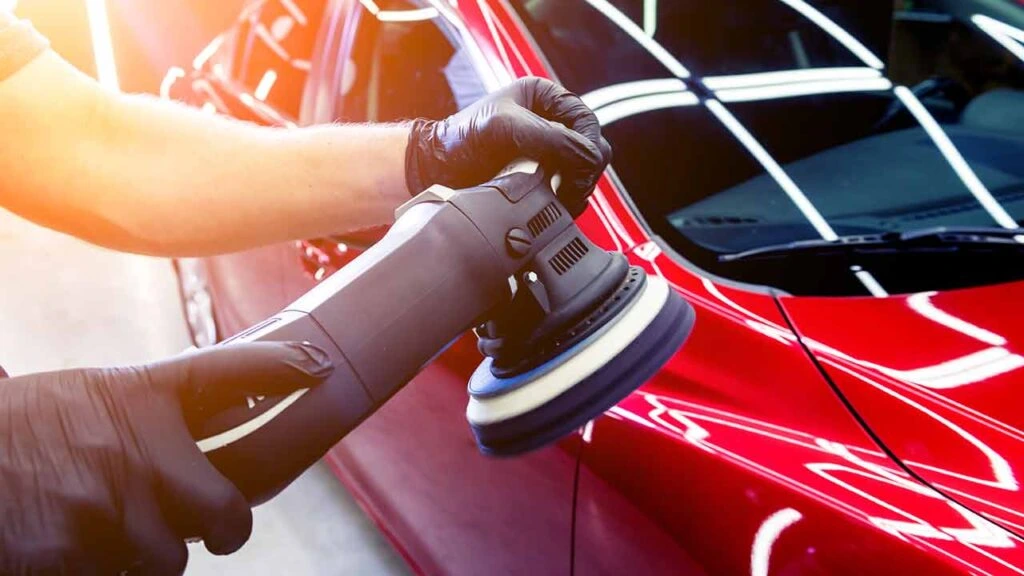
- Paint & Exterior Care
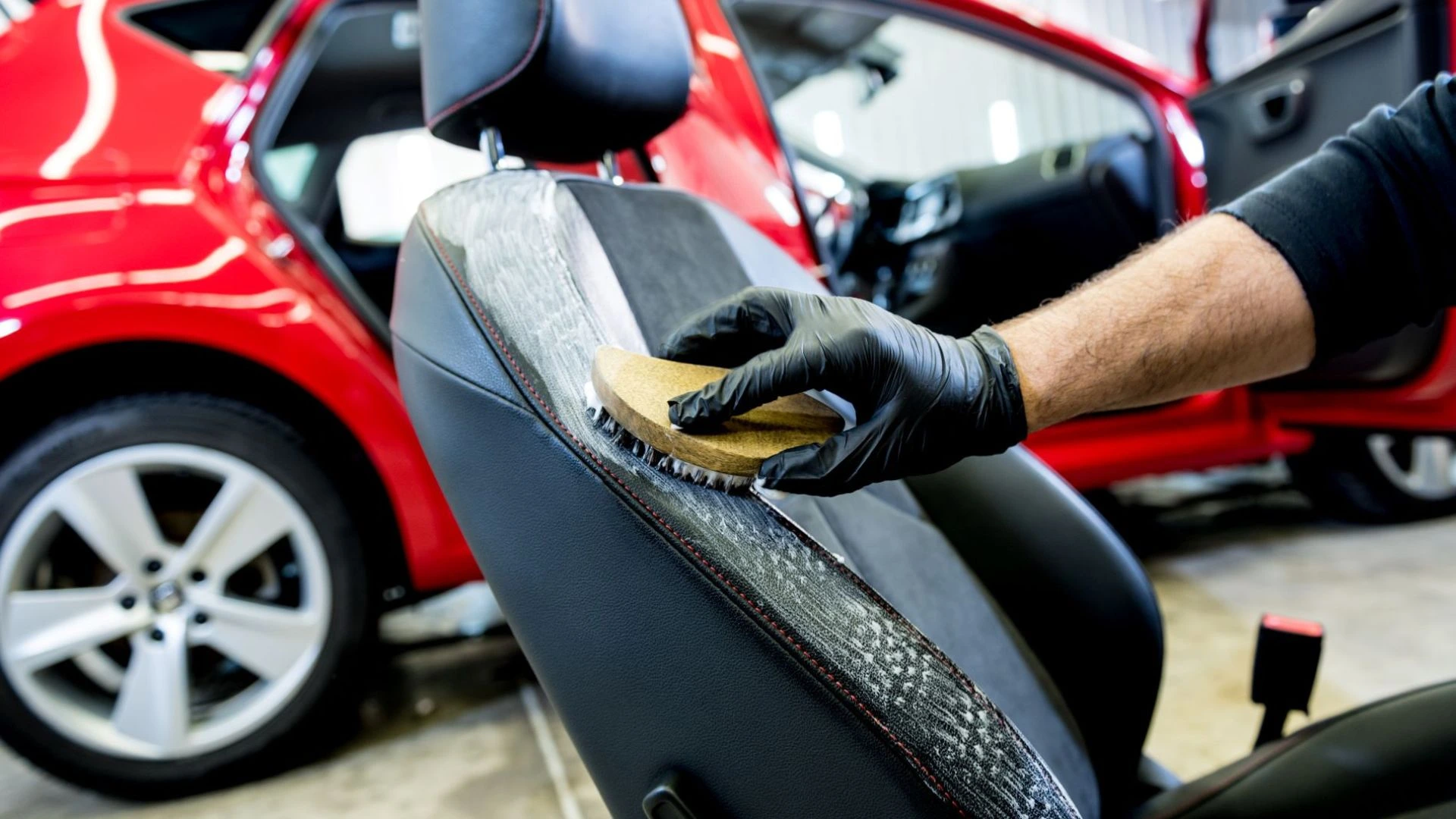
- Interior Protection
- Summer Car Maintenance Full Priority Checklist
- Warning Signs Your Car Needs Immediate Attention
- Conclusion
Summer Car Maintenance Checklist for India 2026
Summer car maintenance is one of those things that looks straightforward until something quietly fails on a highway at noon. This summer car maintenance checklist covers everything, engine oil grades for Indian heat, AC service steps, coolant and radiator checks, battery care, tyre pressure management, brake fluid, paint protection, and an emergency kit guide. Follow it before April, not after the breakdown.
Summer Car Maintenance Engine & Fluids
1. How to Service Each System Without Making It Worse
The Engine Oil
Summer car maintenance starts with one non-negotiable, get the right oil in before temperatures cross 40°C. Using the wrong grade in peak heat is the same as running with no protection at all.
- Never use conventional oil in the Indian summer. It thins out fast and leaves engine components exposed.
- Switch grades, fully synthetic 5W-40 or 10W-40 is the correct standard for cities above 40°C.
- Change every 5,000 km for city driving in summer, do not wait for the standard interval.
- Top brands such as Castrol EDGE, Mobil 1, Shell Helix Ultra, all offer heat-stable formulas designed for tropical climates.
- Check oil level weekly with the dipstick, pull out, wipe, reinsert, pull out again. Mark must sit between MIN and MAX.
The Cooling System
Car AC not cooling enough? Coolant level low? These two are almost always connected in Indian summers. The fix is not just topping up, it is knowing what to top up with and when.
- Check coolant levels twice a month during peak summer, high heat evaporates it faster than most owners expect.
- If the car is 3 years or older, flush and refill entirely before summer, old coolant loses its heat-transfer efficiency.
- Can you use tap water to top up coolant? No. Tap water corrodes the radiator. Use distilled water only.
- Inspect all rubber hoses and clamps. Hardened or cracked rubber is about to fail, a burst hose mid-drive in Rajasthan is not a minor inconvenience.
- Ensure radiator fans spin under load. A failed fan means the engine starts overheating the moment traffic slows.
The Car AC System
- Most AC failures in Indian summer come down to low refrigerant or a blocked cabin air filter, not a broken compressor.
- Check refrigerant levels before peak heat, oily residue around hose fittings signals a slow leak.
- Replace the cabin air filter if it looks grey or blocked, it takes 10 minutes and restores airflow instantly.
- Listen for hissing from AC hoses or a rattling compressor, both need professional attention before they escalate.
- Roll windows down first after parking in the sun. Let the trapped heat escape. Then close windows and switch the AC on, reducing cooling time and lowers compressor load.
2. Safety Checks That Most Owners Skip
- Check Engine Oil Grade for Your City: In Delhi, Jaipur, and Nagpur where temperatures cross 45°C, a higher hot-viscosity rating (40 or 50) is not optional.
- Post-Overheating Protocol: If your car has overheated even once, do not just top up coolant and drive. Get the radiator, thermostat, and water pump inspected.
- Avoid Discount AC Gas Refills: Unverified refrigerant from roadside mechanics often has moisture contamination, it destroys the compressor slowly from the inside.
- Register for Recall Alerts: Always register your car with the manufacturer and check for active recalls on fluid systems, especially if 3–7 years old.
3. Engine & Fluid Check Quick Reference
|
Situation |
Action |
|
Engine oil older than 5,000 km in summer |
Change immediately, use 5W-40 or 10W-40 synthetic |
|
AC blowing warm despite being on full |
Check refrigerant and cabin filter first |
|
Coolant reservoir below minimum mark |
Top up with distilled water, inspect for leaks |
|
Car overheated once already |
Full cooling system inspection, do not ignore |
|
Battery is 3+ years old |
Load test or replace before peak summer |
Summer Car Maintenance Tyres & Battery
Your tire condition and battery health directly affect summer safety on the road, and both fail faster in extreme Indian heat than in any other season.
Battery Care in Indian Summer Heat
Battery drain in summer heat starts with one problem: heat causes battery fluid to evaporate and accelerates the internal chemical reaction, leading to overcharging, swelling, and sudden failure without warning.
- Check the age: A battery over 3 years old in Indian summer heat is a liability. Get a load test done at a service centre.
- Inspect terminals: White or blue corrosion on terminals increases resistance and causes starting trouble. Clean with a dry cloth, never pour water directly.
- Top-up fluid: If your battery needs distilled water top-ups, check levels monthly during summer, evaporation rate doubles in heat.
- Park in shade: A car parked in direct sun for 8 hours runs the battery down through parasitic heat load on the electrical system.
Tyre Pressure & Safety
- Check pressure early morning when tyres are cold, this gives the only accurate reading. A tyre at correct pressure at noon may already be dangerously overinflated.
- Check every two weeks minimum during summer, pressure spikes with temperature and must be corrected before it hits dangerous levels.
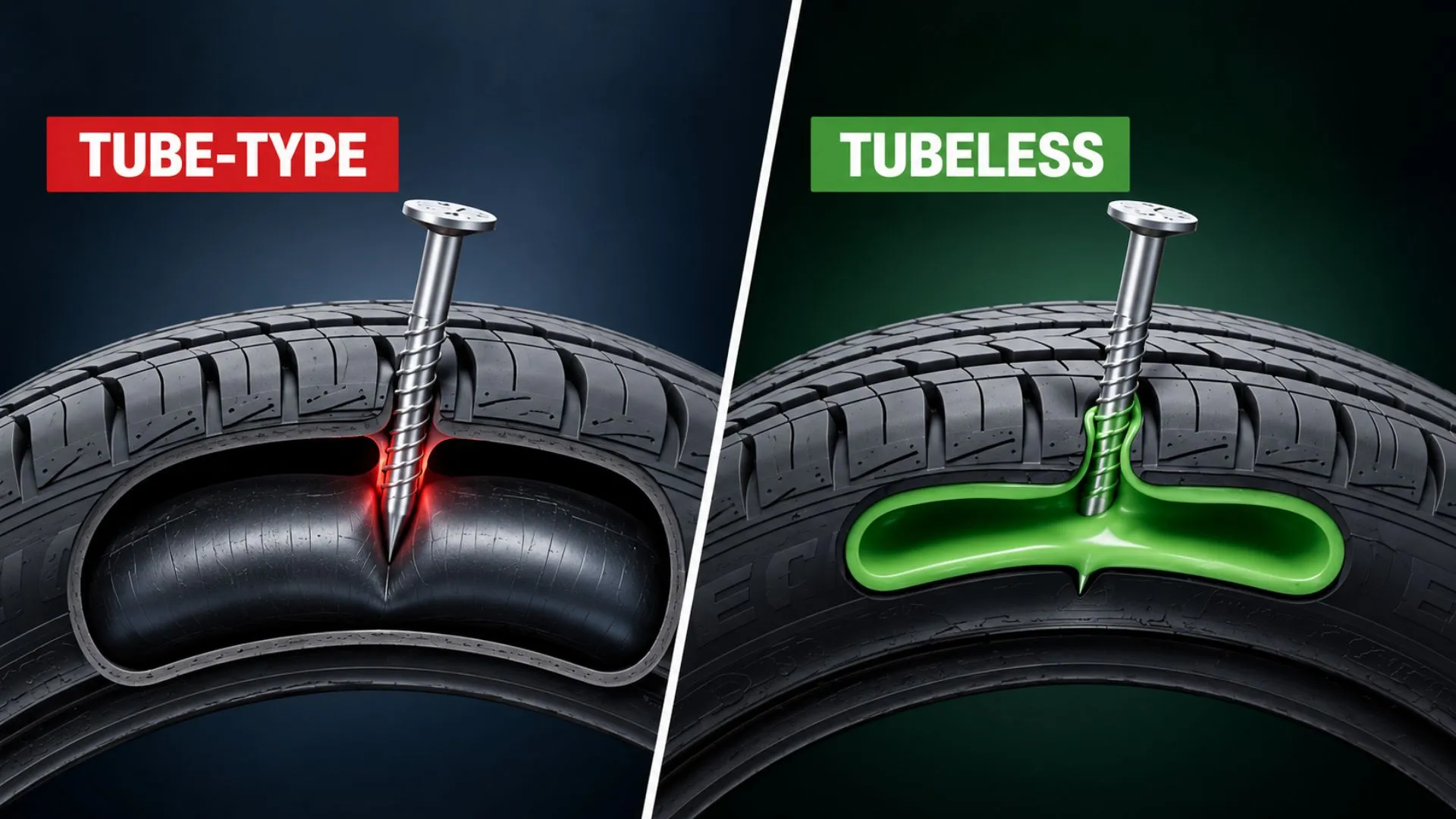
- Consider nitrogen filling, nitrogen expands less in heat, giving more stable pressure on hot tarmac and reducing blowout risk.
- Inspect for cracks, bulges, or uneven wear across the tread surface. Sidewall cracking in particular is a summer failure point.
- Do not forget the spare tyre, a flat spare on a 45°C highway with no signal is a serious safety situation.
Regular Air vs. Nitrogen Tyre Fill Comparison
|
Feature |
Regular Air Filling |
Nitrogen Filling |
|
Pressure Stability in Heat |
Fluctuates with temperature |
More stable, expands less |
|
Blowout Risk in Indian Summer |
Higher |
Reduced significantly |
|
Moisture Content |
Contains moisture, can corrode rims |
Dry, no moisture, no corrosion |
|
Cost in India |
Free to ₹20 per tyre |
₹50–₹80 per tyre |
|
Best For |
Daily city use |
Long highway drives in peak summer |
Summer Car Maintenance Exterior & Interior Protection
Your car's paint and interior take a beating from UV radiation and heat that is far more aggressive than mechanical wear. Getting the protection right comes down to one thing: doing it before summer peaks, not during it.
Paint & Exterior Care
Paint protection in Indian summer starts with consistency. Leave the paint unprotected and UV radiation, bird droppings, tree sap, and road dust will etch through the clear coat within a single season.
- Wash: Rinse the car first to remove loose grit. A dry wash on a dusty car creates micro-scratches.
- Polish: Apply a carnauba wax or UV-protection synthetic sealant before summer begins. This forms a reflective barrier that reduces paint surface temperature.
- Protect: Use a quality car body cover for long parking durations. Even a basic non-woven cover makes a significant difference against UV damage.
- Shade: Park under shade wherever possible, this alone prevents enormous heat build-up in both the paint surface and the cabin.
Interior Protection
- Apply a dashboard UV protectant spray, UV exposure warps and cracks dashboards within 2–3 Indian summers without protection.
- Use a windshield sunshade every time you park in the sun. It reduces cabin temperature by 15–20°C and protects the dashboard directly.
- Condition rubber seals around doors and windows with a silicone-based protectant, dry rubber seals crack, leak, and rattle within one harsh summer.
- Keep windows very slightly open when parked for extended periods — completely sealed cars build extreme internal pressure and heat that accelerates interior degradation.
Summer Car Maintenance Full Priority Checklist
|
Check Item |
Frequency |
|
Engine oil level & grade |
Weekly |
|
AC refrigerant & cabin filter |
Pre-summer |
|
Coolant level & radiator |
Twice a month |
|
Battery health & terminals |
Pre-summer |
|
Tyre pressure (cold check) |
Every 2 weeks |
|
Brake fluid & pads |
Every 3–4 months |
|
Rubber hoses & belts |
Pre-summer |
|
Power steering fluid |
Monthly |
|
Wiper blades |
Pre-monsoon |
|
Car wax & UV paint protection |
Pre-summer |
|
Emergency kit contents |
Monthly |
|
Spare tyre pressure |
Monthly |
Warning Signs Your Car Needs Immediate Attention
Do not ignore these signals. Acting early saves thousands in repair costs and prevents dangerous roadside breakdowns.
- Unusual knocking or grinding sounds from the engine
- Warning lights on dashboard, check engine, oil pressure, temperature, or battery
- Noticeable drop in fuel efficiency during daily commutes
- Difficulty starting the engine in hot weather, classic battery or starter issue
- Poor AC performance, weak airflow or warm air from vents despite full blast
- Spongy brake pedal or longer stopping distance, brake fluid or pad issue
Conclusion
Summer car maintenance is not complicated, but it is exact. Using the wrong engine oil grade in 45°C heat, missing a low coolant level before a highway drive, or ignoring a three-year-old battery can quietly compromise systems that look completely fine from the outside.
For the engine, the right synthetic oil grade and a full coolant flush are non-negotiable before peak summer. For tyres, pressure must be checked cold, every two weeks, not when a blowout reminds you. And for the battery, the rule is simple: if it is over three years old, test it before summer, not after it leaves you stranded.
Get the summer car maintenance checklist right and it becomes one of the easiest seasonal habits to build, one that protects your engine, keeps your family safe, preserves your car's resale value, and gives you one less thing to second-guess on the road.
Frequently Asked Questions
Deepika Chauhan
Auto Care Specialist & Vehicle Maintenance Advisor Deepika Chauhan is a car care expert with 8+ years of experience in authorized service centers and independent garages. Her articles focus on DIY maintenance, service schedules, and tips that help car owners keep their vehicles in top condition.