Table of Content
▼- What Is Car Rubbing Polish?
- Car Rubbing vs. Car Polishing: Understanding the Difference
- Benefits of Using Car Rubbing Polish Regularly
- When Should You Use Car Rubbing Polish?
- Step-by-Step: How to Use Car Rubbing Polish Correctly
- 1. Preparation: Wash & Clay the Surface
- 2. Choose the Right Polish & Pad
- 3. Application
- 4. Machine vs. Hand Technique
- 5. Buff and Finish
- Common Mistakes to Avoid While Polishing
- Post-Polish Maintenance: Keeping That Shine Alive
- 1. Wash Smartly
- 2. Apply Wax or Sealant
- 3. Frequency of Polish
- 4. Quick Detailers Between Washes
- Choosing the Best Rubbing Polish for Cars
- Real-World Tip from Experience
- Final Thoughts
- Also Read This
You know that feeling when your car used to turn heads at every traffic light — the paint gleaming under the sun, almost dazzling? Fast forward a few years, and that glow starts to fade. Fine swirl marks appear under harsh light, scratches remind you of careless parking spots, and a layer of dullness seems to have settled permanently. It’s not that your car aged badly — it just needs a little care, just like anything you love.
This is where car rubbing polish steps in — a simple yet transformative part of car maintenance that can make an old-looking car paint feel showroom-fresh again. Whether you’re an enthusiast who loves weekend car detailing or just someone tired of seeing swirl marks staring back from your bonnet, understanding car rubbing polish is the first step toward bringing that lost shine back.
What Is Car Rubbing Polish?
Car rubbing polish, often referred to as a car rubbing compound, is a specially formulated abrasive paste designed to smooth the car’s paint surface by removing a thin layer of dull, oxidized, or scratched paint. Think of it as an exfoliation treatment for your car.
- The rubbing polish works by gently leveling out imperfections in the paint.
- It eliminates surface oxidation, swirl marks, and minor scratches.
- The result? A refreshed, smooth surface that reflects light evenly — giving your car that deep, glossy finish.
While rubbing polish sounds similar to car polishing, there’s a crucial difference between the two — one corrects defects, the other enhances shine.
Car Rubbing vs. Car Polishing: Understanding the Difference
Many car owners confuse rubbing and polishing, often using the terms interchangeably. But they serve different purposes in the paint restoration process.
|
Feature |
Car Rubbing (Compound) |
Car Polishing |
|
Purpose |
Removes defects, scratches, oxidation |
Enhances gloss and smoothness |
|
Type of Abrasive |
Medium to heavy |
Light or fine |
|
Result |
Restores paint surface |
Adds shine and removes haze |
|
Ideal For |
Heavily faded, scratched paint |
Light swirl marks, finishing touch |
In short:
Rubbing remodels the paint surface; polishing embraces its final glow.
Benefits of Using Car Rubbing Polish Regularly
Using car rubbing polish isn’t just about looks — it’s about preserving your car’s paint health over time. Here are the top benefits:
- Restores Paint Depth: Removes oxidation and uneven paint patches, bringing back the richness and color depth.
- Removes Light Scratches & Swirl Marks: Perfect for tackling minor imperfections that dull reflection.
- Prepares the Surface for Wax or Sealant: A polished surface helps protective wax bond better.
- Improves Resale Value: A glossy, clean car creates a stronger impression for buyers.
- Longer Paint Life: Regular maintenance prevents deeper damage, reducing costly paint corrections later.
So next time you search car rubbing polishing near me, remember that professional or DIY rubbing sessions both contribute immensely to maintaining your car’s look and longevity.
When Should You Use Car Rubbing Polish?
You don’t need to polish your car every weekend. However, there are clear signs your car might need a rubbing treatment:
- Paint feels rough to touch even after washing
- Visible swirl marks under sunlight
- Faded or oxidized paint finish
- Light scratches or scuffs from parking mishaps
- Before applying a new layer of wax or ceramic coating
If your car ticks one or more of these, it’s time for a session with a quality car rubbing polish.
Step-by-Step: How to Use Car Rubbing Polish Correctly
Even if you’re new to detailing, using car rubbing polish properly can deliver professional results with patience and the right approach.
1. Preparation: Wash & Clay the Surface
- Start by washing your car thoroughly using a pH-balanced car shampoo.
- Dry it completely with a microfiber towel.
- Use a clay bar or clay mitt to remove embedded contaminants like tar or bird droppings.
A clean surface ensures the rubbing compound works efficiently without dragging dirt against your paint.
2. Choose the Right Polish & Pad
Not all polishes are made equal. Match your product with your car’s condition:
- For deep defects → use a medium-cut or heavy-cut rubbing compound.
- For maintenance or light imperfections → a mild car rubbing polish works better.
You can also select foam or microfiber pads. Foam pads are preferred for delicate polishing, while microfiber pads cut faster for correction.
3. Application
- Apply a small amount (a coin-sized drop) of rubbing polish to the pad.
- Work in a small 2x2 ft section at a time.
- Spread the polish evenly before starting the machine or manual motions.
4. Machine vs. Hand Technique
- For beginners: a dual-action polisher is safest — it reduces the chances of uneven buffing or paint burns.
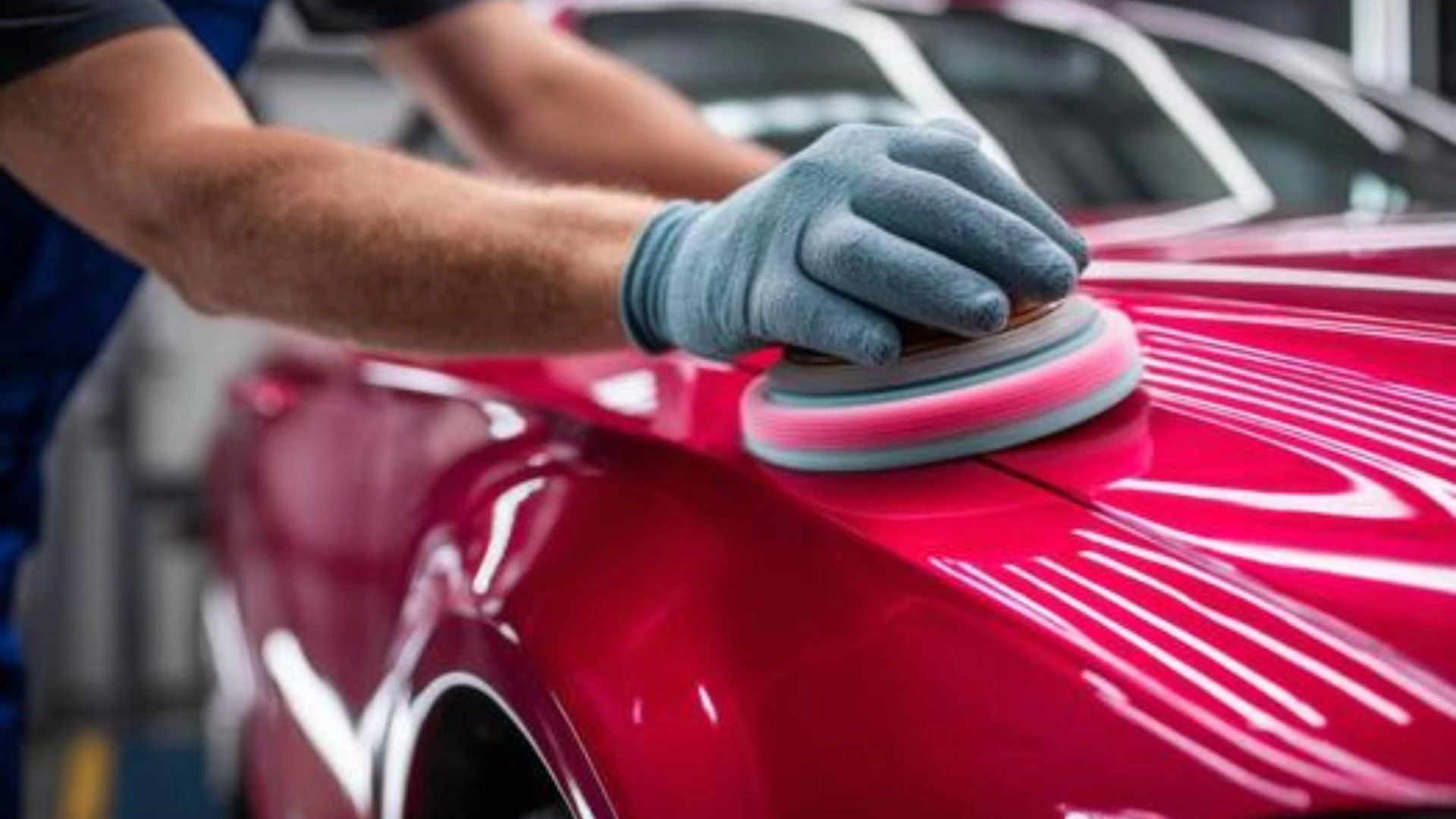
- For hand polishing: use gentle circular or back-and-forth motions with firm but controlled pressure.
The idea is to let the compound work the surface gently, not to grind it.
5. Buff and Finish
Once the polish starts to haze or dry, remove the residue carefully using a clean microfiber towel. Finish by lightly buffing the surface in circular motions. You’ll instantly notice that fresh gloss emerging again.
Common Mistakes to Avoid While Polishing
Even small errors during the rubbing process can lead to dull results or damage. Avoid these common pitfalls:
- Working under direct sunlight: Always polish in shade; heat can make compounds dry too quickly.
- Using too much product: More polish doesn’t mean more shine. A little goes a long way.
- Skipping surface prep: Polishing without proper cleaning can cause swirl marks.
- Using dirty or rough towels: These can scratch your paint all over again.
- Over-polishing: Excessive rubbing can thin the clear coat, reducing paint protection.
Post-Polish Maintenance: Keeping That Shine Alive
Once your car gleams again, attention shifts to keeping it that way. Here’s how you can maintain the shine post-rubbing.
1. Wash Smartly
- Use a microfiber mitt and a two-bucket method (one for soapy water, one for rinsing).
- Avoid dish soaps; they strip away wax layers.
2. Apply Wax or Sealant
Just after polishing, apply a wax or paint sealant:
- Wax: Natural protection with warm depth and hydrophobic effect.
- Sealant: Synthetic protection lasting 4–6 months with high gloss.
This protects your paint from pollutants, UV rays, and bird droppings.
3. Frequency of Polish
- Light use or garage-parked cars: once a year.
- Outdoors or heavy-use vehicles: every 6 months.
This ensures your car remains free of oxidation and fine scratches over time.
4. Quick Detailers Between Washes
Between proper washes, you can use a quick detail spray to refresh shine and remove light dust without rewriting the full polish process.
Choosing the Best Rubbing Polish for Cars
With so many products in the market, selecting the best rubbing polish can feel overwhelming. Look for:
- Non-dusty formulations for effortless cleanup
- Balanced abrasiveness (medium cut for most cars)
- Compatibility with machine and hand application
- Trusted brands with proven paint-safe results
Some well-known choices include 3M Perfect-It, Meguiar’s Ultimate Compound, and Turtle Wax Rubbing Polish, all designed for safe, effective restoration.
Real-World Tip from Experience
Professional detailers often say: “Polishing reveals, not conceals.” That means proper polishing doesn’t just cover defects — it legitimately removes them. Always inspect your paint under natural light before and after polishing to track progress and avoid overdoing any area.
Also, patience pays. Don’t rush your polish session. Even a 2-hour detailed rub and buff session can completely transform a tired car exterior into something that looks freshly detailed.
Final Thoughts
Your car’s paint tells a story — every drive, every dusty road, and every stormy night leaves its mark. But restoring that shine isn’t rocket science. With a good car rubbing polish, the right tools, and a bit of care, you can turn back years of wear and tear in just a weekend.
Treat your vehicle to that occasional pampering. The next time sunlight hits your bonnet and you see your reflection smiling back, you’ll know it was worth every swirl removed.
Aakash Mehra
Automotive Journalist & Car Reviewer. Aakash Mehra is a seasoned automotive journalist with over 9 years of experience in car journalism and consumer-focused reviews. Having test-driven more than 550+ vehicles, he delivers detailed comparisons, expert insights, and unbiased advice to help readers confidently choose the right car.