Table of Content
▼- Why Rat Mesh is Essential for Car Engine Protection
- Dangers of Rats in Your Car Engine
- Common Risks:
- Top 10 Tips to Keep Cars Safe from Rats
- 1. Park Wisely
- 2. Make the Engine Area Rodent-Free
- 3. Natural Rat Deterrents for Cars
- 4. Ultrasonic Rodent Repellers
- 5. Anti-Rodent Tape for Wiring
- 6. Use Rat Traps Around Your Parking Area
- 7. Seal All Breathing Holes
- 8. Rat Repellent Sprays and Deterrent Coatings
- 9. De-Clutter Interiors and Clean Regularly
- 10. Move the Car Often
- Fix a Stainless Steel Rat Mesh for Cars
- How to Install a Rat Mesh Step-by-Step Guide
- Additional Tips Based on Car Parking Type
- Nature-Friendly Car Rodent Repellent Techniques
- Conclusion
Rats hiding inside a vehicle aren’t just an inconvenience; they're an expensive nightmare. A Rat Enter in Car Engine situation can cause electrical failures, foul odours, AC malfunction, and thousands of rupees in repair bills. Many car owners across India face the same problem, especially during winters, monsoons, and when the vehicle is parked for long durations.
In this comprehensive guide, we explain everything you need to know, from rat damage in the car engine, early signs of infestation, best repellents, installation of rat mesh, natural remedies, and professional prevention strategies. Whether your car is parked in a garage, open space, or basement, this guide will protect your vehicle from future rodent attacks.
Why Rat Mesh is Essential for Car Engine Protection
Car engines offer warmth, darkness, and plenty of hiding spaces, ideal conditions for rodents. Once a Rat enter in Car Engine, it begins chewing wires, insulation, and even rubber parts. A stainless-steel rat mesh acts as a physical barrier that prevents rodents from entering without disrupting airflow.
Benefits of Installing Rat Mesh:
- Prevents wiring damage from rats
- Stops nesting near air intake vents
- Reduces the chances of AC blockage
- Long-lasting stainless-steel protection
Dangers of Rats in Your Car Engine
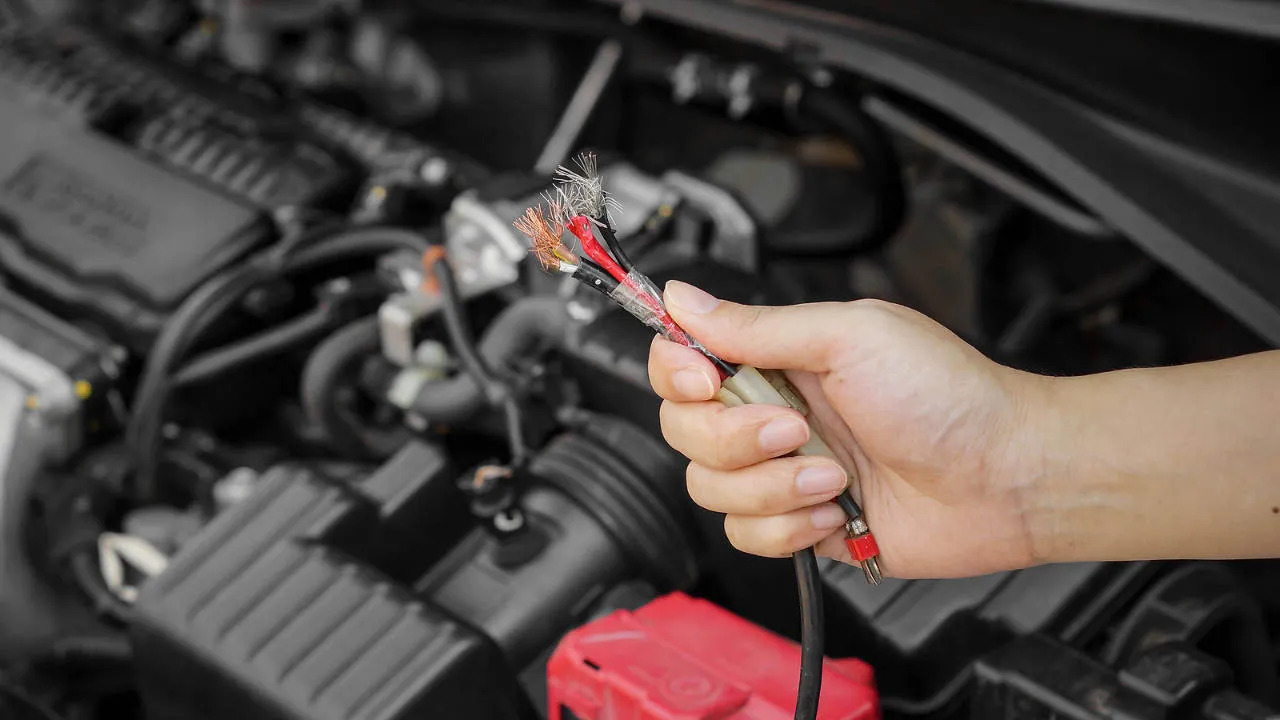
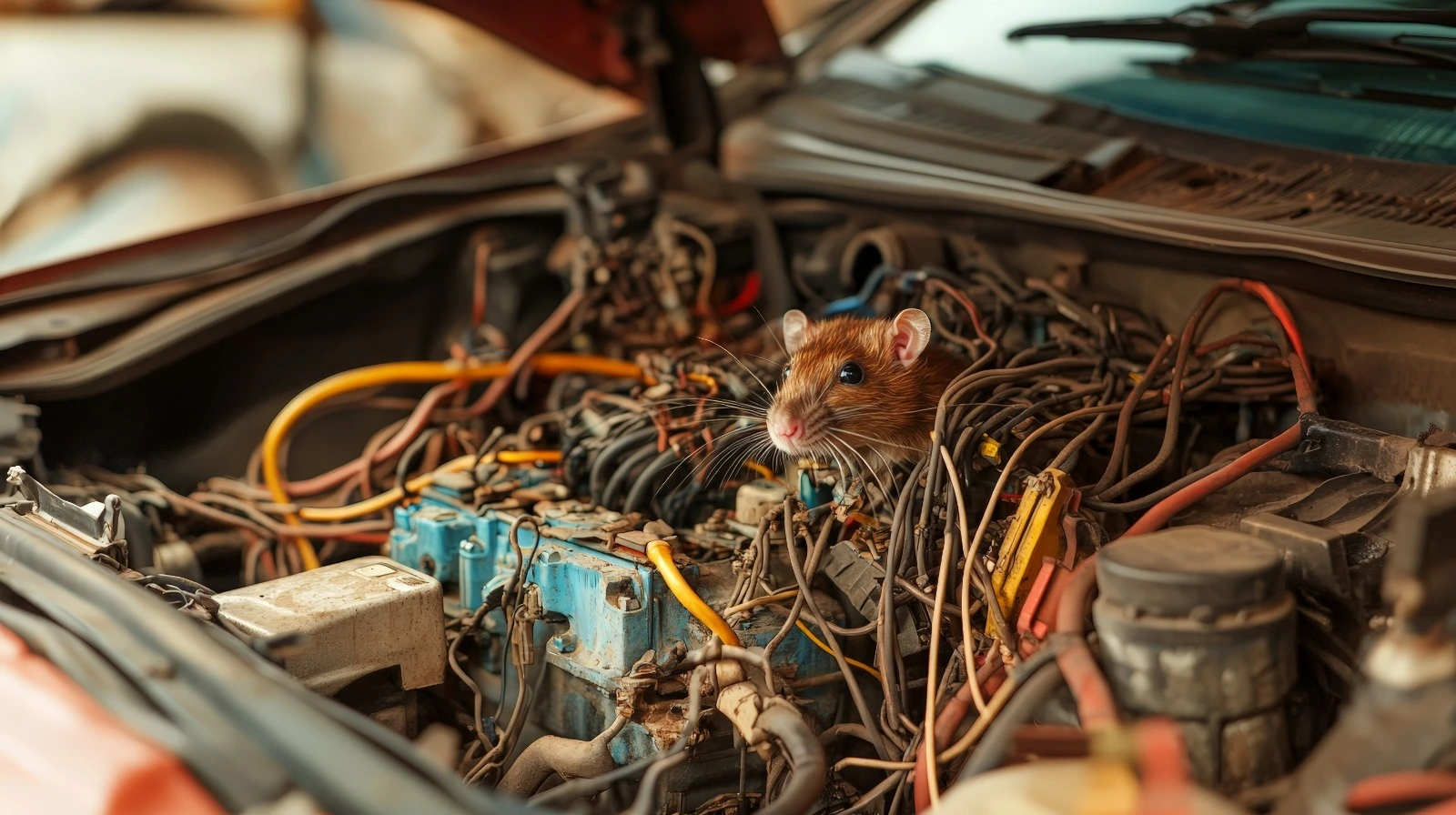
When rat damage in a car engine occurs, it’s usually worse than it looks.
Common Risks:
- Chewed Cables: Causes ignition failures, short circuits, and potential fire hazards.
- Clogged Air Filters: Rats use filters to create nests, suffocating your engine or AC system.
- Bad Odours: Droppings, urine, or dead rats cause persistent foul smells.
- High Repair Costs: Depending on the severity, repairs may range from ₹10,000 to ₹50,000 or more.
Top 10 Tips to Keep Cars Safe from Rats
Each tip below includes a brief explanation followed by actionable points.
1. Park Wisely
Rats thrive around garbage, drains, and dark corners. Where you park plays a huge role in whether rodents reach your vehicle.
Tips:
- Avoid parking near bushes, dumps, or drainage areas.
- Prefer well-lit, open spaces or sealed garages.
- Keep your parking area clean and clutter-free.
2. Make the Engine Area Rodent-Free
A dirty engine bay attracts rats because it contains food scraps, leaves, warmth, and shelter.
Tips:
- Clean your engine bay weekly.
- Never store food, pet food, or wrappers inside the car.
- Ask your mechanic to inspect for nesting signs during servicing.
3. Natural Rat Deterrents for Cars
Natural repellents are chemical-free and safe, but require regular application.
Tips:
- Peppermint oil on cotton balls is placed around the engine.
- Tobacco leaves are used because rats dislike the strong smell.
- Naphthalene (mothballs) in mesh bags, avoid direct component contact.
4. Ultrasonic Rodent Repellers
These devices emit high-frequency sound waves that disturb rodents but are inaudible to humans.
Tips:
- Install inside the engine compartment.
- Ideal for cars parked indoors.
- Choose models with flashing lights for added effect.
5. Anti-Rodent Tape for Wiring
Wiring damage from rats is common. Anti-rodent tape contains capsaicin (pepper extract) that prevents chewing.
Tips:
- Wrap exposed wires with anti-rodent tape.
- Replace tape every few months.
- Choose OEM-approved tape for best results.
6. Use Rat Traps Around Your Parking Area
Traps help catch rodents before they reach your vehicle, though not recommended inside the car.
Tips:
- Use snap traps, glue traps, or humane traps.
- Bait with peanut butter for best results.
- Replace or clean traps daily to avoid odours.
7. Seal All Breathing Holes
Rats can squeeze through tiny openings, sometimes as small as a coin.
Tips:
- Inspect wheel wells, vents, and firewall openings.
- Seal gaps using rubber plugs or metal mesh.
- Ensure airflow is not compromised.
8. Rat Repellent Sprays and Deterrent Coatings
Chemical sprays provide quick, effective protection against rodent entry.
Tips:
- Spray on wheel wells, battery area, and fuse box.
- Choose only “engine-safe” automotive repellents.
- Reapply after washing or rain.
9. De-Clutter Interiors and Clean Regularly
A messy interior invites rodents in search of nesting materials.
Tips:
- Remove newspapers, wrappers, clothes, or bottles.
- Avoid eating inside the car.
- Keep mats and carpets clean and dry.
10. Move the Car Often
Unused vehicles attract rodents faster.
Tips:
- Drive every 2–3 days.
- Avoid leaving the car untouched for weeks.
- Wash regularly, especially in winter and monsoon.
Fix a Stainless Steel Rat Mesh for Cars
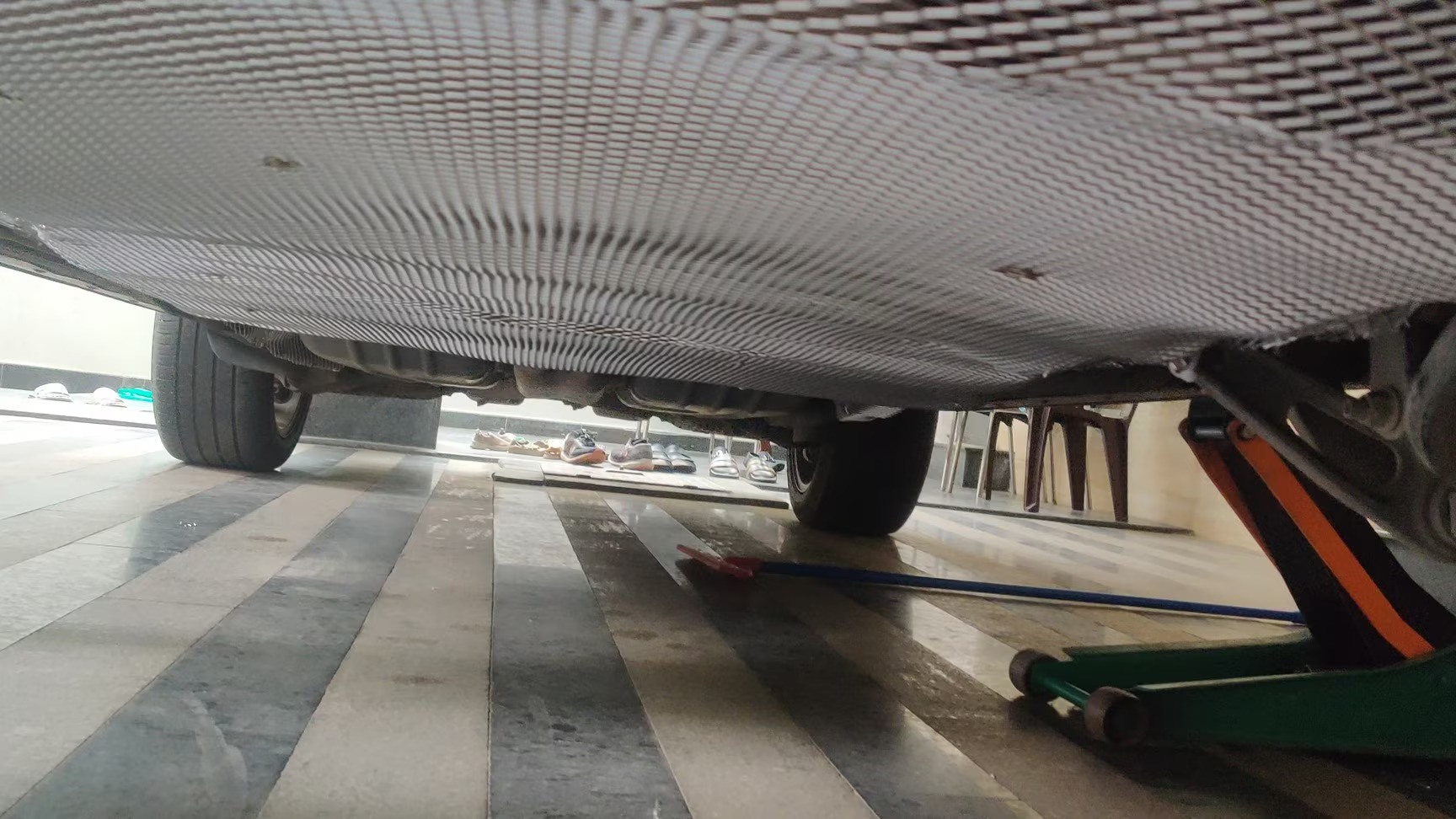
A durable stainless-steel rat mesh is one of the most effective long-term solutions. Platforms like Autozilla offer reliable OEM parts for most vehicles.
How to Install a Rat Mesh Step-by-Step Guide
- Open the bonnet and locate potential entry gaps.
- Clean the area to ensure a secure fitting.
- Cut the mesh according to the size of vents or ducts.
- Fix it using screws, clips, or cable ties.
- Make sure it does not touch moving or hot parts.
Additional Tips Based on Car Parking Type
For Cars Parked in Garages
- Keep lights on or use motion-sensor lighting to reduce the chances of Rat Enter in Car Engine.
- Seal wall and door holes using metal mesh.
- Spray neem oil in garage corners.
- Avoid clutter, rats use boxes and cloth as nesting material, which increases Rat Enter in Car Engine risks.
For Cars Parked in Open Areas
- Sprinkle red chilli powder around tyres.
- Stuff steel wool in wheel wells at night (remove before driving).
- Avoid parking near weeds, bushes, or garbage piles.
Nature-Friendly Car Rodent Repellent Techniques
For environmentally conscious car owners, these non-toxic techniques work well:
- Neem or eucalyptus oil sprays
- Camphor sachets under seats
- Solar-powered LED strobe lights
- Motion-sensitive alarms
Conclusion
Protecting your vehicle from rodent damage is not just a preventive step, it is an essential habit every car owner must adopt. When a Rat enter in Car Engine, it can silently create expensive chaos by chewing wires, damaging hoses, and compromising safety-critical systems. Staying alert to early signs, maintaining cleanliness, and using the right deterrents can dramatically reduce the risk of rodent intrusion.
From installing stainless-steel rat mesh to choosing natural repellents, ultrasonic devices, and smart parking habits, every method contributes to building a strong defence system for your vehicle. The key is consistency. Rodents thrive on negligence, clutter, and dark, idle spaces. Eliminate these, and your car stays protected. Remember, preventing Rat Enter in Car Engine is far more affordable and easier than repairing wiring harnesses, sensors, or interior components after an infestation.
Read Also This |
|
|---|---|
|
Dual Clutch Transmission vs CVT The Ultimate 2025 Comparison Guide |
Car Wash vs Car Spa A Complete Guide to Cost, Benefit, and Maintenance |
Deepika Chauhan
Auto Care Specialist & Vehicle Maintenance Advisor Deepika Chauhan is a car care expert with 8+ years of experience in authorized service centers and independent garages. Her articles focus on DIY maintenance, service schedules, and tips that help car owners keep their vehicles in top condition.