Table of Content
▼- Why Indian EV Ownership Demands a Different Mindset
- Top Mistakes Indian Electric Car Owners Must Stop Making
- 1. Trusting the Manufacturer’s Claimed Range as Gospel
- 2. Destroying the Battery with Poor Charging Habits
- 3. Parking Under Direct Sunlight
- 4. Buying Before Sorting Out Charging Infrastructure
- 5. Ignoring Over-the-Air Software Updates
- 6. Overlooking Service Network and Spare Parts Availability
- 7. Not Knowing Your Battery Chemistry
- 8. Ignoring Monsoon Season Readiness
- 9. Neglecting Tyre Pressure and Using the Wrong Tyres
- 10. Selling Without Battery Health Documentation
- Do’s and Don’ts for Indian EV Owners in 2026
- Conclusion
Indian electric vehicle drivers are committing unnecessary errors which lead to hidden damage of their vehicle batteries together with increased operational expenses and decreased resale value. The practice of charging batteries to their maximum capacity every night combined with the practice of parking vehicles in direct sunlight during hot summer days results in actual financial losses. The most essential ability for Indian electric vehicle owners to develop in 2026 involves learning about correct practices and incorrect practices.
Why Indian EV Ownership Demands a Different Mindset
Electric vehicles operate as different systems from gasoline and diesel-powered vehicles. The vehicles do not forgive driver errors which combustion engines will tolerate. The degradation of batteries remains hidden until it becomes costly. The replacement cost of batteries in India ranges from ₹4 lakh to ₹12 lakh which represents 40% of the vehicle's initial value and occurs sooner than most vehicle owners believe when they develop improper usage patterns from the first day.
India experiences unique challenges because extreme heat and monsoon seasons and inconsistent charging infrastructure and changing EV regulations exist in the country. The good news is that every single mistake outlined below is completely preventable.
Top Mistakes Indian Electric Car Owners Must Stop Making
1. Trusting the Manufacturer’s Claimed Range as Gospel
Many new buyers are caught off guard when their EV delivers 25–35% less range than the official figures suggest. Manufacturers test under ideal lab conditions. Indian roads are anything but ideal.
- AC usage in 40°C+ summers drains range dramatically
- Highway speeds above 100 km/h reduce efficiency significantly
- Hilly terrain and heavy stop-and-go traffic affect battery output differently across models
What to do instead:
- Check real-world owner reviews on Team-BHP and EV Community.in before buying
- In 2026, target a minimum of 400 km real-world range if you drive frequently
- Always build a 20–30% buffer into any long-distance trip plan
2. Destroying the Battery with Poor Charging Habits
This is the most expensive mistake Indian electric car owners make, and the damage accumulates silently over months.
The 20–80% Rule is the single most important habit to adopt.Your daily charging routine should maintain your device power between 20% and 80% to achieve optimal battery performance. The fastest battery deterioration occurs when users charge their devices to full capacity and then discharge them until they reach minimal power.
The DC Fast Charging Trap is equally dangerous when overused. DC fast chargers push high current into the battery at speed, generating excess internal heat. Frequent use can reduce battery life up to 10% faster per year compared to standard AC home charging.
|
Charging Method |
Ideal Use Case |
Battery Impact |
|---|---|---|
|
AC Home Charging |
Daily routine |
Low, strongly preferred |
|
DC Fast Charging |
Highway trips only |
High, avoid for daily top-ups |
|
100% Charge |
Long journeys only |
Moderate, not for daily use |
What to do instead:
- Set your vehicle’s charge limit to 80–90% for daily use, most modern EVs support this in settings
- Reserve 100% charges strictly for long highway runs
- Let the car rest 15–20 minutes after a hard city drive before plugging in
- Charge overnight to benefit from cooler ambient temperatures and off-peak electricity tariffs
Also Read: Summer Car Care Tips to Keep Your Car AC Cool During Heatwaves
3. Parking Under Direct Sunlight
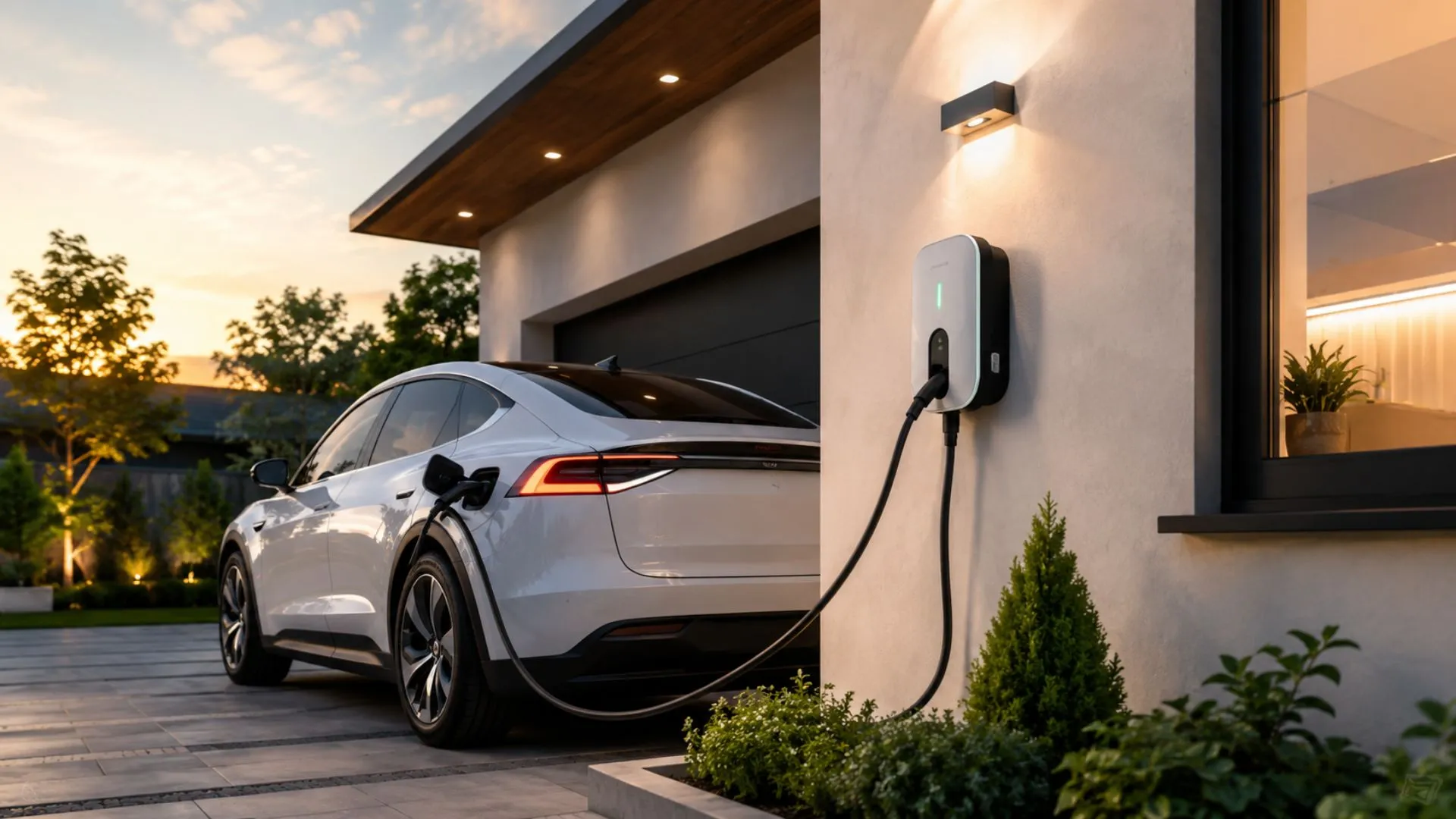
Indian summer parking surfaces can exceed 55°C. Battery degradation doubles with every 10-degree rise in temperature. The EV's thermal management system does not function unless the ignition is on, so battery cells are left to the elements in the case of long hours of sunlight cooking them.
Prolonged heat exposure increases internal resistance, reduces usable capacity, accelerates electrolyte breakdown, and shortens the battery's total cycle life. The situation does not represent an extreme edge case. The entire country of India experiences this risk every day from April to June.
What to do instead:
- Always prioritise covered or shaded parking during summer months
- Use a reflective car cover when covered parking is unavailable
- Never leave your EV below 10% charge during peak summer heat for extended periods
4. Buying Before Sorting Out Charging Infrastructure
Treating charging access as an afterthought is one of the fastest routes to daily range anxiety. Many buyers assume they will figure it out and then discover their housing society refuses a dedicated charging point installation, or their commute stretches the car’s real-world range uncomfortably close to zero.
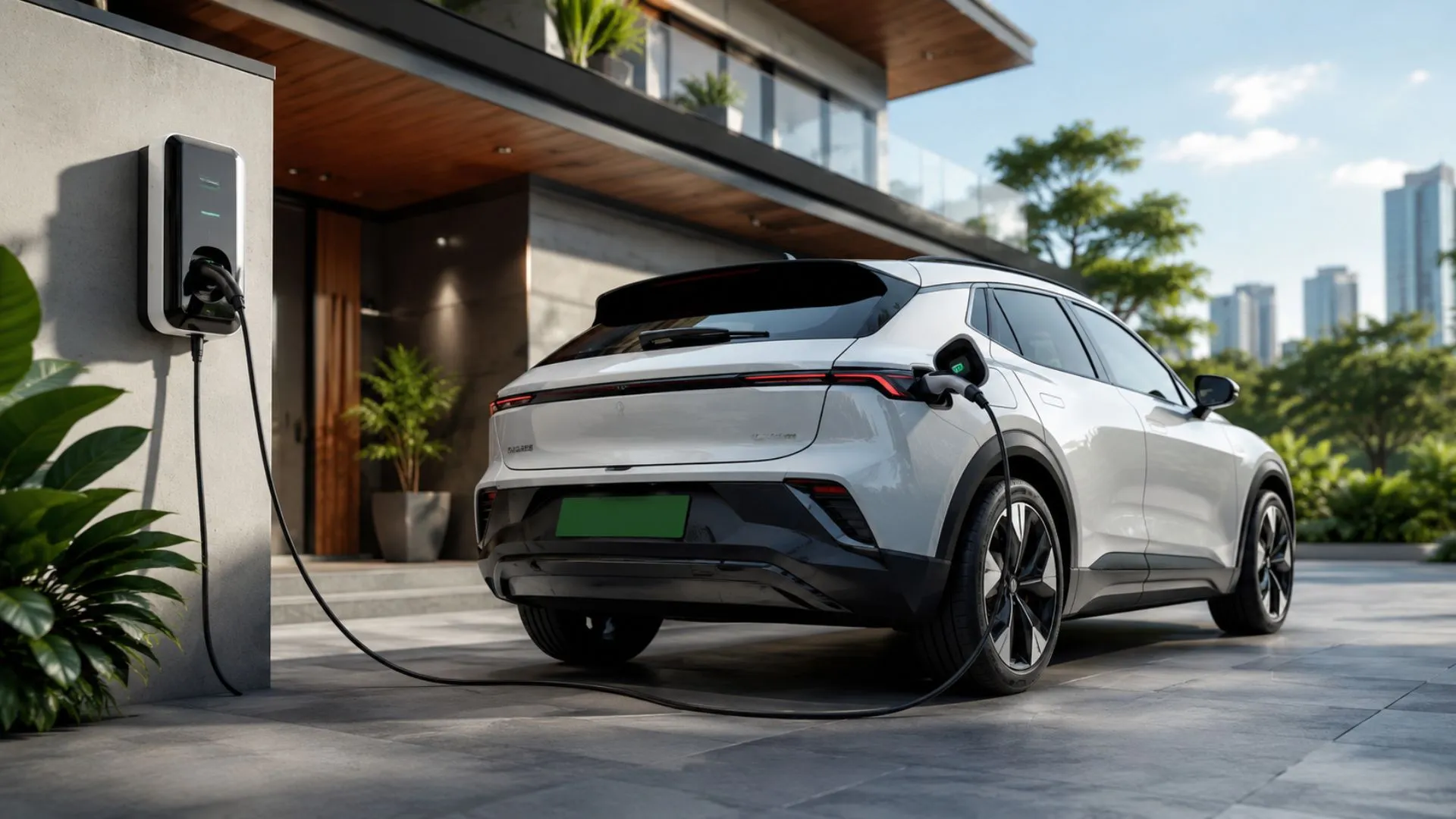
India does not have an established charging standard. The three charging systems CCS2 connectors (Tata, MG), CHAdeMO, and Bharat DC001 create actual compatibility issues at third-party charging stations. Public charging systems serve as an unreliable main solution because they face two problems which include their different pricing models used by various applications and their lack of consistent charging station access.
What to do instead:
- Confirm your housing society permits a dedicated EV charging point before purchasing
- Map nearby stations compatible with your model’s specific connector standard
- Download Tata Power EZ Charge, ChargeZone, and Statiq and get familiar with each platform
- Have a qualified electrician assess your home wiring before installing a home charger
5. Ignoring Over-the-Air Software Updates
The software systems that control electric vehicles operate in a different way from the software systems that control traditional petrol-powered vehicles. The OTA updates that manufacturers Tata and MG and Mahindra release enable users to calculate driving range more accurately, develop better battery management systems, fix their charging problems, and improve their safety systems. The system performance of a smartphone decreases when users choose to operate it with a two-year-old operating system.
What to do instead:
- Keep your car connected to home Wi-Fi overnight
- Enable automatic OTA updates in your vehicle’s settings menu
- Check the manufacturer’s companion app for pending updates at least once a month
6. Overlooking Service Network and Spare Parts Availability
The trained personnel who handle electric vehicles and their diagnostic tools exist only in major urban regions of India. The presence of imported replacement components together with battery modules and inverters and power electronics results in extended repair times and major cost increases when equipment fails.
What to do instead:
- You need to study the authorized EV service network of the brand in your city before making a purchasing decision.
- The only suitable manufacturers for selection should be those who operate dedicated EV service centers instead of sharing their facilities with general dealerships.
- The company needs to keep all OTA update records and service records in their entirety to safeguard their warranty claims.
7. Not Knowing Your Battery Chemistry
The total capacity of an EV battery does not matter: The point is that the battery’s output depends on the weather conditions.
|
Battery Type |
Common Models |
Strengths |
Weaknesses |
|---|---|---|---|
|
NMC |
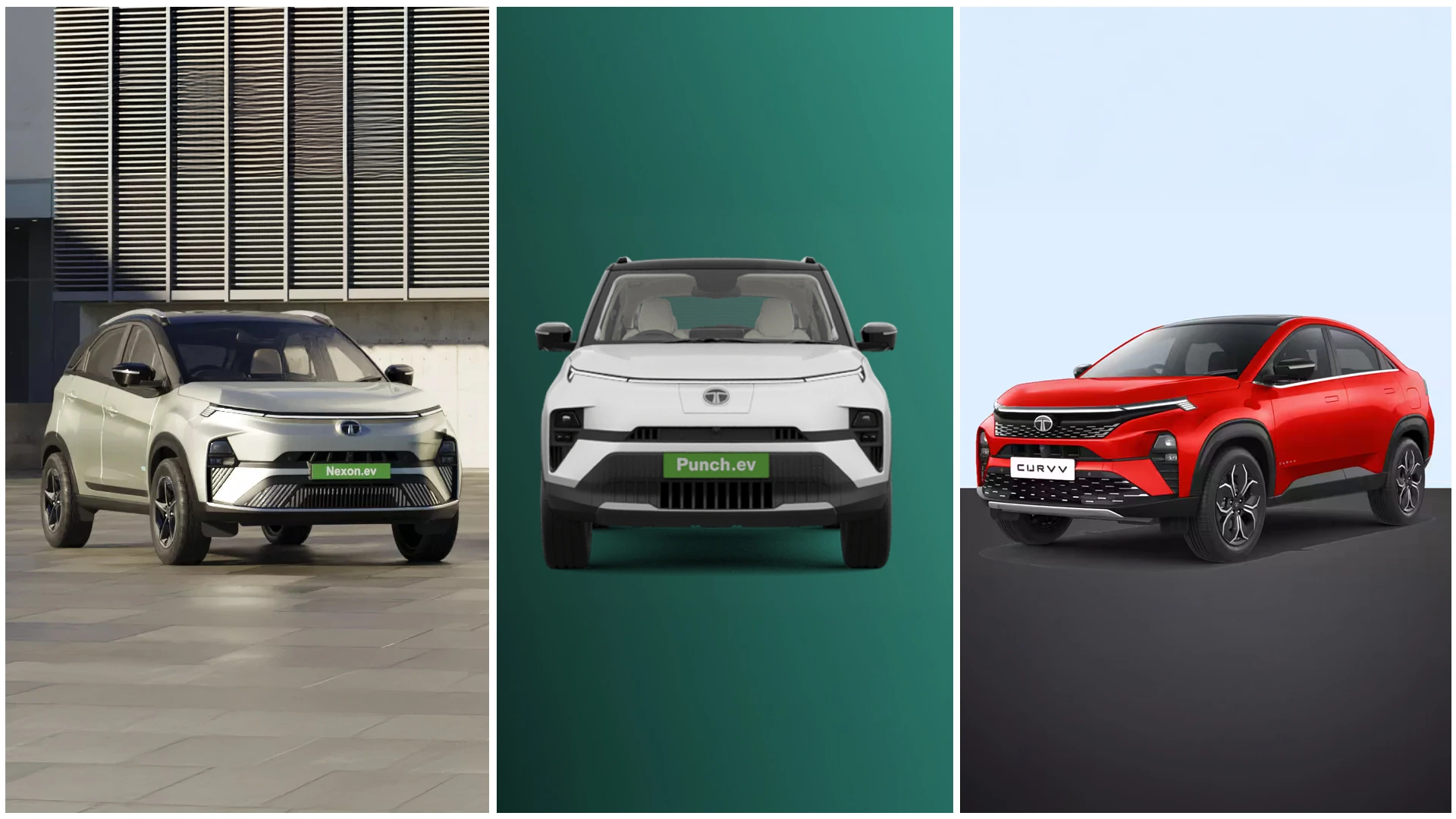
Tata Nexon EV, MG ZS EV, Mahindra XUV400, Hyundai Ioniq 5 |
Higher energy density, longer range |
Heat-sensitive, needs careful charging discipline |
|
LFP |
BYD Atto 3, Tata Tigor EV, MG Comet |
Thermally stable, longer cycle life, safer |
Lower energy density, shorter range |
LFP batteries operate more effectively in India's hot weather conditions. People who reside in areas with elevated temperatures should consider this product as an essential buying factor.
What to do instead:
- Ask your dealer directly about the battery chemistry in your specific variant
- Read the owner’s manual sections on charging limits and thermal management
- Join model-specific communities on Telegram and WhatsApp for real-world guidance
8. Ignoring Monsoon Season Readiness
Petrol car owners usually neglect to consider the necessary vehicle maintenance required during monsoon season. Electric car owners cannot afford that luxury. The actual operational problems include three different issues which need to be solved.
What to do instead:
- Confirm your home charger has a minimum IP44 weather rating (IP55+ is strongly preferred)
- Never use extension cords or makeshift outdoor setups during rain under any circumstances
- Verify your EV carries an IP67 or higher battery enclosure rating, the Tata Nexon EV and MG ZS EV both comply
- Monitor charging behaviour closely during the first two weeks of monsoon onset
9. Neglecting Tyre Pressure and Using the Wrong Tyres
EVs are heavier than equivalent petrol cars due to battery pack weight. Underinflated tyres increase rolling resistance, one of the fastest, most invisible ways to lose meaningful range on every single drive. The summer heat in India creates additional difficulties because high temperatures cause air inside tyres to expand while improperly inflated tyres create a risk of blowouts at highway speeds.
What to do instead:
- Check tyre pressure every two weeks, increase frequency during summer months
- Switch to EV-specific low rolling resistance tyres when due for replacement
- Follow the manufacturer’s recommended PSI exactly, do not approximate
Also Read: Audi A8 L Security: Features, Bulletproof Specs & Why It’s One of the Safest Luxury Cars
10. Selling Without Battery Health Documentation
A documented State of Health (SoH) above 85% at the point of resale can add ₹50,000 to ₹1.5 lakh to your vehicle’s sale price compared to an undocumented or lower-SoH equivalent. Indian used EV buyers in 2026 are actively demanding SoH reports before negotiating.
What to do instead:
- Request a battery health report from your authorised service centre at every annual service
- All service records together with all warranty documents and all OTA update logs must be maintained in their complete form.
- The practice of charging devices to their full capacity every day together with constant fast charging will result in permanent damage to system health.
Do’s and Don’ts for Indian EV Owners in 2026
|
DO |
DON’T |
|---|---|
|
Charge between 20–80% daily |
Charge to 100% every single day |
|
Use AC home charging as your primary method |
Rely on DC fast charging for daily top-ups |
|
Park in shade or covered areas during summer |
Leave the car under direct sun for hours |
|
Install a proper certified home charger |
Use a basic wall socket for regular charging |
|
Keep OTA software updates current |
Dismiss update notifications |
|
Check tyre pressure every two weeks |
Apply standard petrol car tyre assumptions |
|
Document battery health at every annual service |
Sell without SoH records |
Conclusion
Electric car owners who build the right habits from day one will enjoy lower running costs, longer battery life, and a significantly stronger resale position. The above mentioned mistakes become fully preventable through basic knowledge and effective strategic planning.The ₹6-lakh battery replacement anxiety only belongs to owners who ignored the basics. Go electric with the right knowledge, and your EV will comfortably cross 1,50,000 kilometres with its value, and your peace of mind intact.
Also Read This |
|
|---|---|
Frequently Asked Questions
Aakash Mehra
Automotive Journalist & Car Reviewer. Aakash Mehra is a seasoned automotive journalist with over 9 years of experience in car journalism and consumer-focused reviews. Having test-driven more than 550+ vehicles, he delivers detailed comparisons, expert insights, and unbiased advice to help readers confidently choose the right car.