Table of Content
▼- What Does It Mean to Charge an Electric Car at Home?
- Types of Home EV Chargers in India
- Step 1: Know Your Charging Time
- Step 2: Understand the Exact Cost
- State-wise domestic electricity tariff 2026
- Real-world comparison of MG Windsor EV 38 kWh vs a petrol SUV:
- Step 3: Get Your Home EV Charger Installed
- What It Costs
- The Installation Process
- Step 4: EV Charging in Apartments and What the Rules Say
- Step 5: Claim Government Subsidies Before You Miss Them
- Central Government Schemes:
- State-level highlights:
- Pro Tips for Smarter Home Charging
- Home EV Charging at a Glance
- Conclusion
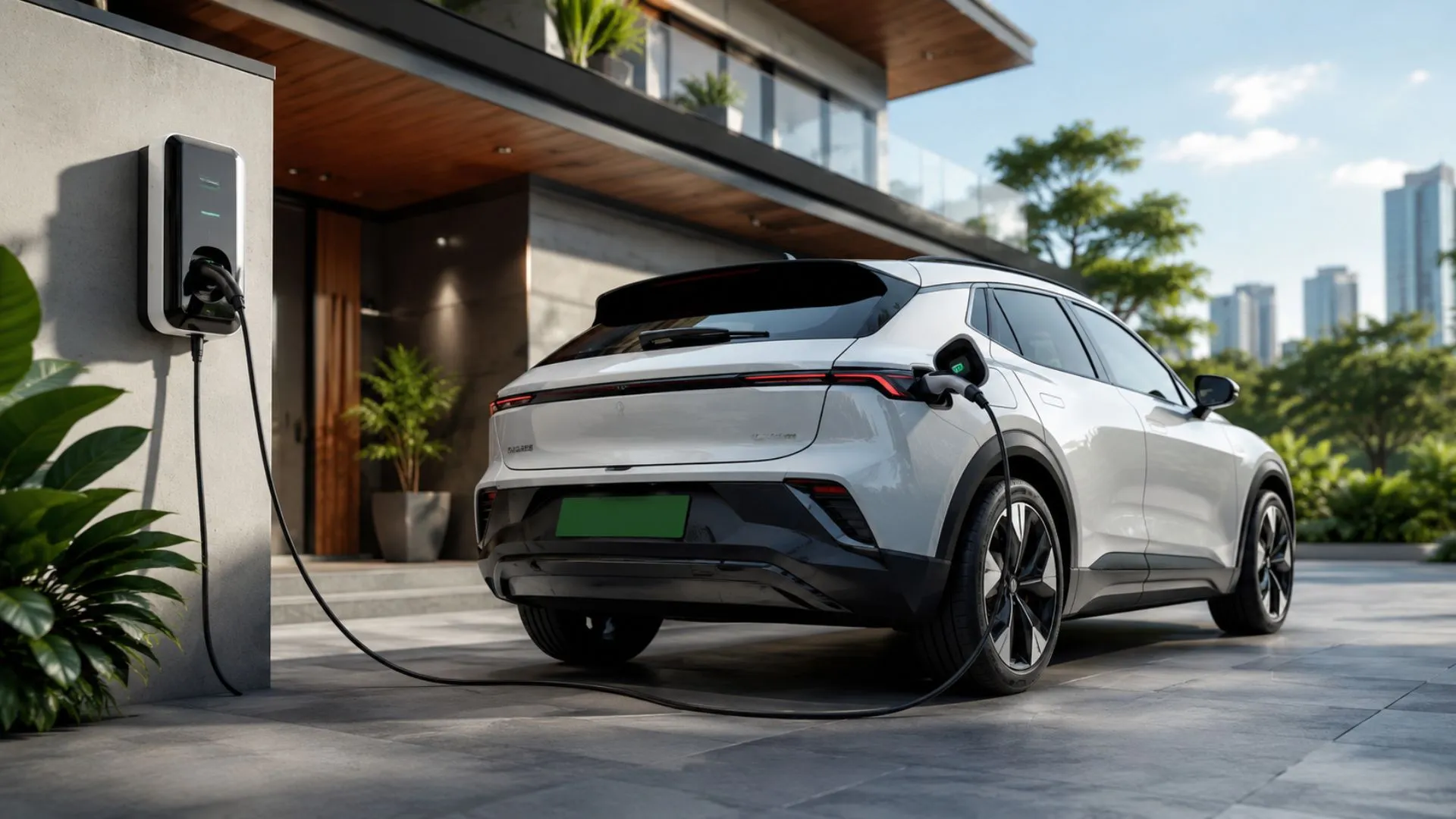
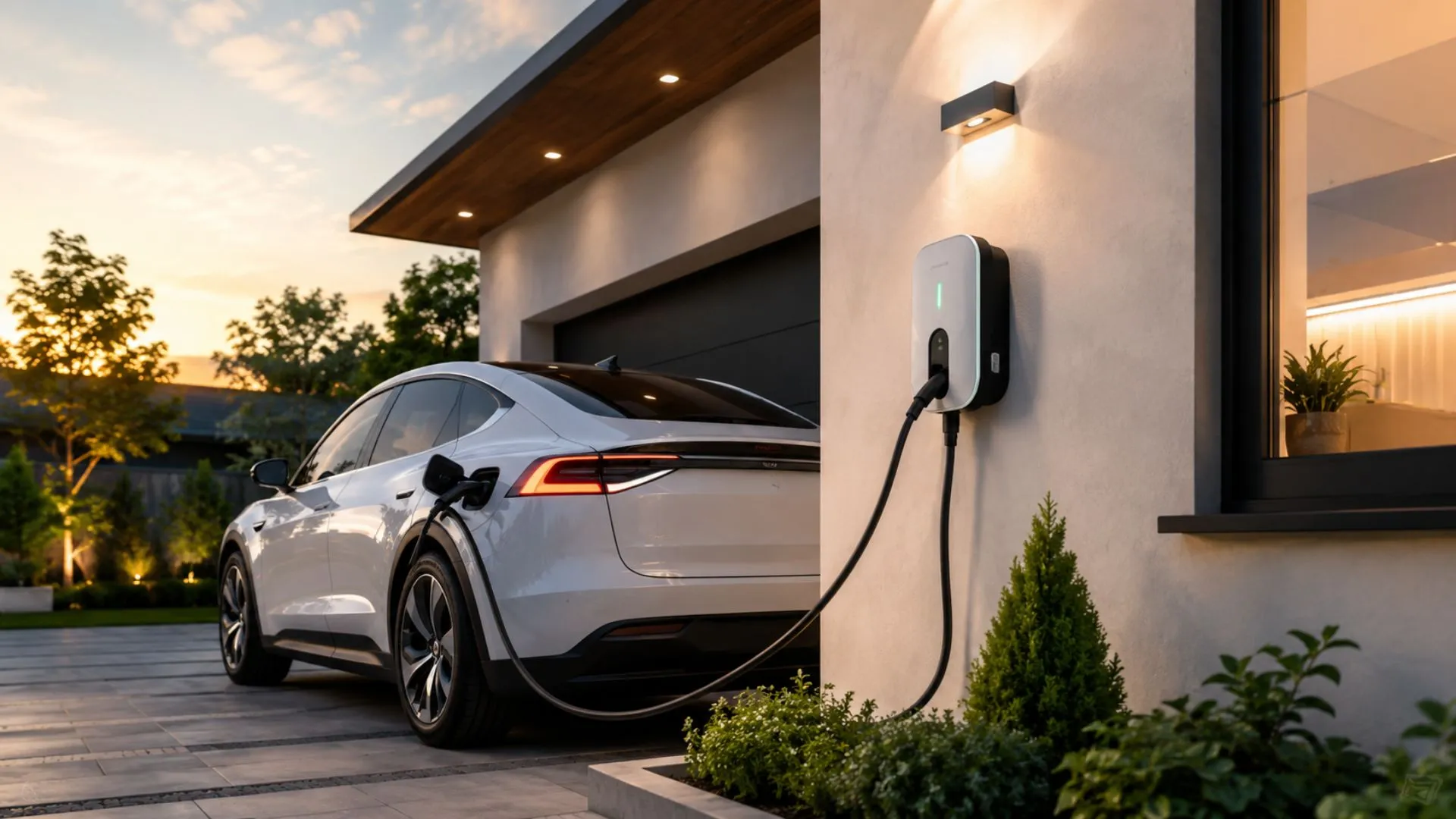
To charge an electric car at home in India is the single most practical advantage of EV ownership in 2026, and most people are not using it right. With EV car sales surging 77% in 2025 and public charging networks still uneven outside metros, your home parking spot is your most reliable fuel station. This guide gives you the exact steps, real costs, installation process, legal rights in apartments, and government subsidies, no fluff, just what you need to act.
What Does It Mean to Charge an Electric Car at Home?
Home EV charging means that you connect your electric vehicle to your home's electrical system through either a 15A standard outlet or a wall-mounted charging station to charge your vehicle overnight. The process works like your nightly phone charging routine but delivers a different result because it earns you ₹1 for each kilometer instead of ₹8.
Unlike public charging where you wait, queue, and pay commercial rates, home charging happens while you sleep, at domestic electricity tariffs that are 3–5x cheaper per kWh.
Types of Home EV Chargers in India
All home chargers are designed to be completely distinct from each other. In 2026, for Indian households there will be two practical choices.
|
Charger Type |
Power |
Charge Time (40 kWh) |
Range Added/Hour |
Best For |
|---|---|---|---|---|
|
Portable (Level 1) |
2.5–3.3 kW |
14–18 hours |
~15–20 km |
Emergency backup only |
|
Wall Box AC (Level 2) |
7.4 kW |
5–6 hours |
~35–40 km |
Daily home charging |
|
Wall Box AC (Level 2) |
11 kW |
3–4 hours |
~55–60 km |
Large battery EVs |
|
DC Fast Charger |
30–50 kW |
45–60 mins |
100+ km |
Highway / commercial only |
The verdict: The 7.4 kW wall box system serves 90 percent of Indian electric vehicle drivers. The system charges a 40 kWh battery completely during one overnight charging session and operates through a single-phase connection while its running costs remain much lower than those of DC fast charging.
DC fast chargers require industrial three-phase connections and cost several lakhs to install, they have no practical use in a residential setting.
Step 1: Know Your Charging Time
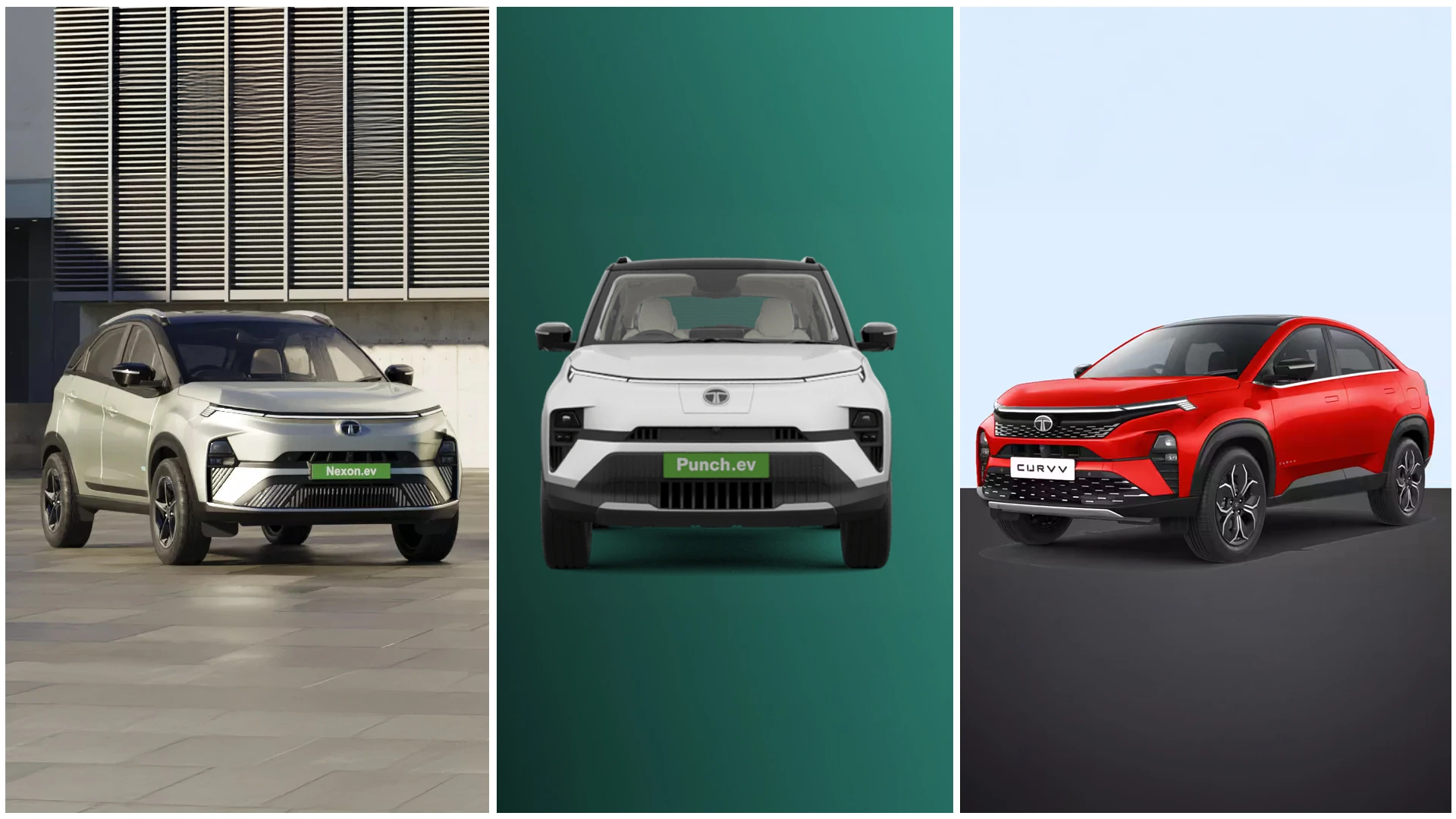
The time needed to charge a device depends on two factors. The first factor comes from the device's battery capacity. The second factor comes from the power output of the charger.
Formula: Charging Time = Battery Size (kWh) ÷ Charger Power (kW)
|
Popular EV in India |
Battery Size |
7.4 kW Wall Box Time |
Portable Charger Time |
|---|---|---|---|
|
Tata Nexon EV |
40.5 kWh |
~5.5 hours |
~14–16 hours |
|
Tata Punch EV |
35 kWh |
~5 hours |
~12–14 hours |
|
MG Windsor EV |
38 kWh |
~5.2 hours |
~13–15 hours |
|
Mahindra BE6 |
59 kWh |
~8 hours |
20+ hours |
|
Hyundai Creta EV |
51.4 kWh |
~7 hours |
18+ hours |
The bottom line: With a 7.4 kW wall box, you can charge your device by plugging it in after dinner and you will have a complete battery when you wake up. The portable 15A charger will not charge a large battery to full capacity during an overnight charging period.
Step 2: Understand the Exact Cost
Home EV charging is much cheaper compared to other options. This is what you are actually paying.
State-wise domestic electricity tariff 2026
|
State |
Tariff (per kWh) |
Full Charge Cost (40 kWh) |
Cost Per Km |
|---|---|---|---|
|
Delhi |
₹4.5 |
~₹180 |
~₹0.72 |
|
Karnataka |
₹5–7 |
₹200–₹280 |
~₹0.9–1.1 |
|
Maharashtra |
₹6–8 |
₹240–₹320 |
~₹1.0–1.3 |
|
Tamil Nadu |
₹5–9 |
₹200–₹360 |
~₹0.9–1.4 |
|
Uttar Pradesh |
₹8–10 |
₹320–₹400 |
~₹1.3–1.6 |
Real-world comparison of MG Windsor EV 38 kWh vs a petrol SUV:
|
Parameter |
MG Windsor EV (Home Charging) |
Petrol SUV (15 km/l) |
|---|---|---|
|
Full charge / full tank cost |
~₹304 (at ₹8/kWh) |
~₹7,000 (65L @ ₹108/L) |
|
Cost per km |
₹1.2 |
₹7.5–₹8.8 |
|
Monthly cost (1,000 km) |
₹1,200–₹1,600 |
₹7,500–₹9,000 |
Home electric vehicle charging costs 6 to 7 times less than operating a gasoline vehicle. The savings from this change stretch beyond basic expenses because it fundamentally alters your typical transportation spending.
Also Read: Common Mistakes Electric Car Owners Make and How to Avoid Them
Step 3: Get Your Home EV Charger Installed
What It Costs
|
Setup Type |
Total Cost (Unit + Installation) |
|---|---|
|
3.3 kW portable / basic wall charger |
₹15,000–₹40,000 |
|
7.4 kW smart wall box |
₹40,000–₹80,000 |
|
11 kW three-phase wall box |
₹60,000–₹1,20,000 |
The Installation Process
- Site survey: A certified technician visits your home, checks your parking area, distribution board, and sanctioned electrical load.
- DISCOM load upgrade (if needed): If your existing sanctioned load cannot support a 7.4 kW charger, apply online to your state DISCOM for a load enhancement before proceeding.
- Dedicated copper cable wiring: A 6 sq. mm ISI-marked copper cable is run from your distribution board to the charger point. Never accept aluminium wiring, it is a fire risk under sustained EV charging loads.
- MCB and RCCB fitment: A Miniature Circuit Breaker and Residual Current Circuit Breaker are mandatory safety components. Skipping either one voids your installation warranty and your home insurance in a fault event.
- Mounting and commissioning: The wall box is fixed, a full load test is run, and a smart app is configured if applicable.
The full installation takes 3–5 hours.
Safety rule you cannot ignore: Use only BIS-certified chargers and a licensed electrician. In 2026, uncertified chargers can lead to insurance claim rejection in the event of an electrical fire.
Step 4: EV Charging in Apartments and What the Rules Say
This is the most common friction point for urban EV buyers. Here is what the law actually says.
- RWAs cannot legally block you from installing an EV charger in your designated parking bay if you comply with safety norms, this is backed by the Electricity Act and Supreme Court guidelines.
- Societies that disallow EV chargers in allotted parking spots are violating your statutory rights.
What you need to do:
- Pass a general-body resolution through your RWA for charger installation approval
- Apply to your DISCOM for a sub-meter connection or load upgrade, they are mandated to respond within 7 days in metro cities and 15 days elsewhere
- Choose between a private charger at your own bay (3.3–7.4 kW) or a shared community charger in common areas
- Hire a certified installer, the RWA cannot dictate which certified vendor you use
Step 5: Claim Government Subsidies Before You Miss Them
Central Government Schemes:
|
Scheme |
Benefit |
|---|---|
|
PM E-DRIVE Scheme |
₹2,000 crore for 72,000+ chargers; eligible institutions get subsidised installation |
|
FAME III |
Up to ₹10,000/kWh subsidy on EV purchase (capped at 15% of vehicle price) |
|
Section 80EEB |
Income tax rebate on EV loan interest |
|
MNRE Solar Mission |
Up to 50% capital subsidy for solar-integrated home charging setups |
State-level highlights:
|
State |
Home Charger Benefit |
EV Tariff |
|---|---|---|
|
Delhi |
₹6,000 direct subsidy per home/apartment charging point |
₹4.5/kWh (lowest in India) |
|
Maharashtra |
Up to ₹10 lakh per public station; dedicated EV power tariff |
₹6–8/kWh |
|
Karnataka |
25% capital subsidy on charging equipment |
₹5–7/kWh |
Pro Tips for Smarter Home Charging
- The electric vehicle charging cost decreases during late-night hours because most states establish lower tariffs for this time period. A smart charger with a scheduling app does this automatic charging function between off-peak hours.
- Daily usage of DC fast charging should be avoided because this charging method causes more battery damage than AC home charging which operates at slower speeds.
- The charger needs to match your vehicle's onboard charging capacity. The 22 kW charger offers no advantage because your vehicle operates at 7.2 kW charging capacity. You will still charge at 7.2 kW.
- The 3 to 4 kilowatt solar system produces enough energy to cover your daily travel needs without any expenses. The Ministry of New and Renewable Energy provides a capital subsidy which covers up to 50 percent of the total cost for this system.
- The Delhi electricity distribution company offers a special EV charging rate which costs ₹4.5 per kilowatt hour. You need to contact your electricity distribution company because they do not automatically apply the discount.
Also Read: What is Flex Fuel Vehicles in India 2026 Complete Guide
Home EV Charging at a Glance
|
Parameter |
Details |
|---|---|
|
Recommended charger |
7.4 kW Level 2 wall box (single-phase) |
|
Installation cost |
₹40,000–₹80,000 (unit + installation) |
|
Charging time (40 kWh EV) |
5–6 hours overnight |
|
Home charging cost |
₹5–10 per kWh (state-dependent) |
|
Full charge cost |
₹180–₹450 |
|
Running cost per km |
₹1–₹1.5 |
|
Connector standard (India) |
Type 2 / CCS2 combo |
|
Installation time |
3–5 hours |
|
Central subsidy scheme |
PM E-DRIVE / FAME III |
Conclusion
Deciding to charge an electric car at home is not complicated, it is the most cost-efficient, convenient, and battery-friendly way to own an EV in India in 2026. A one-time investment of ₹40,000–₹80,000 in a 7.4 kW wall box setup delivers running costs as low as ₹1 per km, overnight charging without any effort, and government subsidies that partially offset the setup cost. Plug in at night. Wake up to a full battery. Never visit a petrol station again.
Also Read This |
|
|---|---|
|
Toyota Corolla Altis vs Honda Civic: The Ultimate Sedan Rivalry in 2026 |
|
Frequently Asked Questions
Aakash Mehra
Automotive Journalist & Car Reviewer. Aakash Mehra is a seasoned automotive journalist with over 9 years of experience in car journalism and consumer-focused reviews. Having test-driven more than 550+ vehicles, he delivers detailed comparisons, expert insights, and unbiased advice to help readers confidently choose the right car.