_1781518142.webp)
Table of Content
▼- Understanding E100 Fuel and Ethanol Technology
- Why India Is Pushing for an Ethanol Transition
- Can E100 Fully Take Over From Conventional Petrol
- Mechanical Challenges: How Ethanol Affects Standard Engines
- The Rise of Flex Fuel Vehicles in India
- Comparing Fuel Characteristics and Performance Metrics
- Weighing the Strategic Pros and Cons of E100
- Key Advantages
- Key Disadvantages
- Conclusion
- Also Read This
Yes, E100 fuel can replace petrol, but only in specially engineered flex fuel vehicles. Pure ethanol cannot immediately replace petrol across the entire automotive market because millions of current cars and two-wheelers lack engine compatibility. Petrol and ethanol will coexist for many years as manufacturers gradually introduce dedicated flex fuel models to the public.
Understanding E100 Fuel and Ethanol Technology
The Indian automotive landscape is undergoing a massive shift toward sustainable energy solutions. At the center of this movement is E100 fuel, a unique fuel formulation consisting of nearly 100 percent ethanol with zero conventional petrol mixed in. Unlike fossil fuels drilled from underground reservoirs, ethanol is a completely renewable biofuel. It is manufactured utilizing agricultural feedstock such as sugarcane, maize, damaged food grains, and organic agricultural waste.
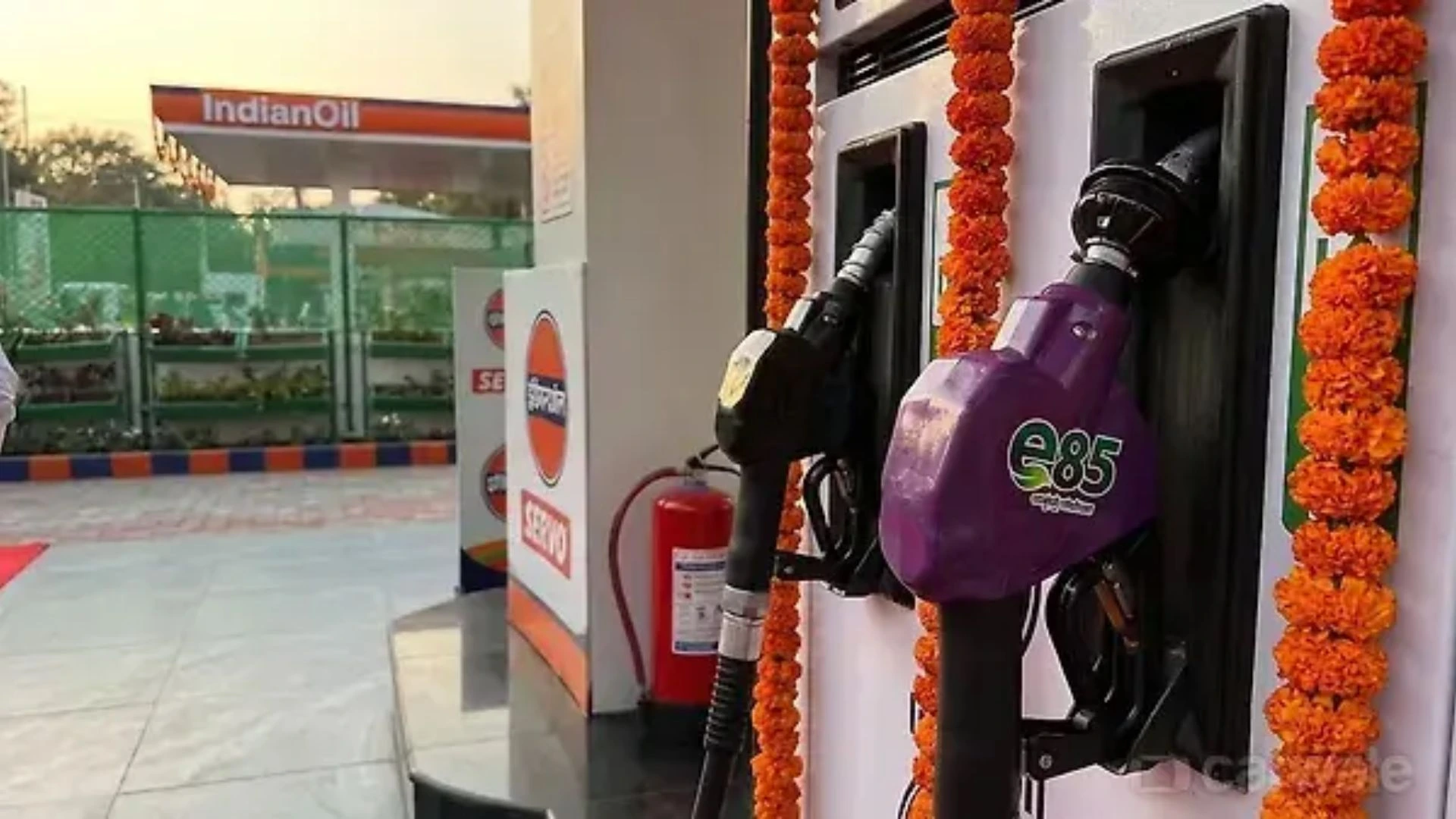
Indian drivers are already accustomed to E20 fuel, which blends 20 percent ethanol with 80 percent conventional petrol. The introduction of E100 standards by Union Road Transport and Highways Minister Nitin Gadkari represents the final stage of this bioenergy roadmap. With official regulations now established, automakers have a clear framework to design, manufacture, and sell mass-market vehicles optimized to run purely on homegrown green energy.
Why India Is Pushing for an Ethanol Transition
The strategic push toward an ethanol economy is driven by urgent macroeconomic priorities and environmental goals. India currently imports more than 85 percent of its crude oil requirements, leaving the national economy highly vulnerable to volatile global oil price shocks and geopolitical tensions.
Promoting E100 fuel directly targets this vulnerability by shifting the energy focus to domestic production. Widespread adoption offers several transformative advantages for the nation:
- Strengthening Energy Security: By replacing imported petroleum products with locally synthesized biofuels, India can insulate its transportation network from international supply disruptions.
- Massive Economic Savings: The shift keeps wealth within national borders. Government data reveals that the ethanol initiative has already saved over Rs 1 lakh crore in crude oil import expenses.
- Empowering the Agrarian Economy: Ethanol production establishes a massive, stable demand for cash crops. This initiative has already channeled approximately Rs 80,000 crore in additional income directly to Indian farmers, fostering rural development.
Nitin Gadkari has long championed ethanol-based mobility as a vital tool to build a self-reliant transportation ecosystem that supports local communities while lowering carbon footprints.
Can E100 Fully Take Over From Conventional Petrol
While the theoretical answer is yes, the practical implementation cannot happen overnight. E100 fuel can successfully replace petrol inside specialized combustion engines, but it cannot instantly phase out conventional petrol across the entire Indian vehicular fleet.
The primary barrier to an immediate takeover is systemic vehicle incompatibility. There are tens of millions of older petrol passenger cars, commercial delivery vehicles, scooters, and motorcycles navigating Indian roads today. None of these existing machines is built to withstand pure ethanol. Forcing E100 into a standard fuel tank would cause severe mechanical failure.
Consequently, conventional petrol, E20 blends, and pure E100 will coexist at fuel stations for decades. The transition will be a gradual evolution, heavily dependent on how quickly vehicle owners replace their aging fleets with modern alternatives.
Mechanical Challenges: How Ethanol Affects Standard Engines
Pure ethanol behaves differently from conventional fossil fuels during combustion and fluid transport. Because of its distinct chemical structure, E100 cannot be treated as a simple drop-in replacement for standard petrol.
Ethanol possesses corrosive properties that can degrade specific materials commonly used in traditional fuel systems. It aggressively attacks natural rubber hoses, standard plastic seals, and unprotected aluminum components inside older engines. Furthermore, ethanol has a high affinity for water moisture, which can lead to phase separation and fuel line corrosion if left unmanaged.
To successfully run on E100, a vehicle requires extensive engineering modifications:
- Material Upgrades: Fuel lines, tanks, and pump assemblies must utilize advanced stainless steel or specialized chemical-resistant polymers.
- Engine Calibration: The electronic control unit must be reprogrammed with unique fuel injection maps to manage the distinct ignition properties of alcohol.
- Heavy Duty Injectors: Fuel injectors need higher flow capacities because ethanol requires a different air-fuel ratio compared to petrol.
The Rise of Flex Fuel Vehicles in India
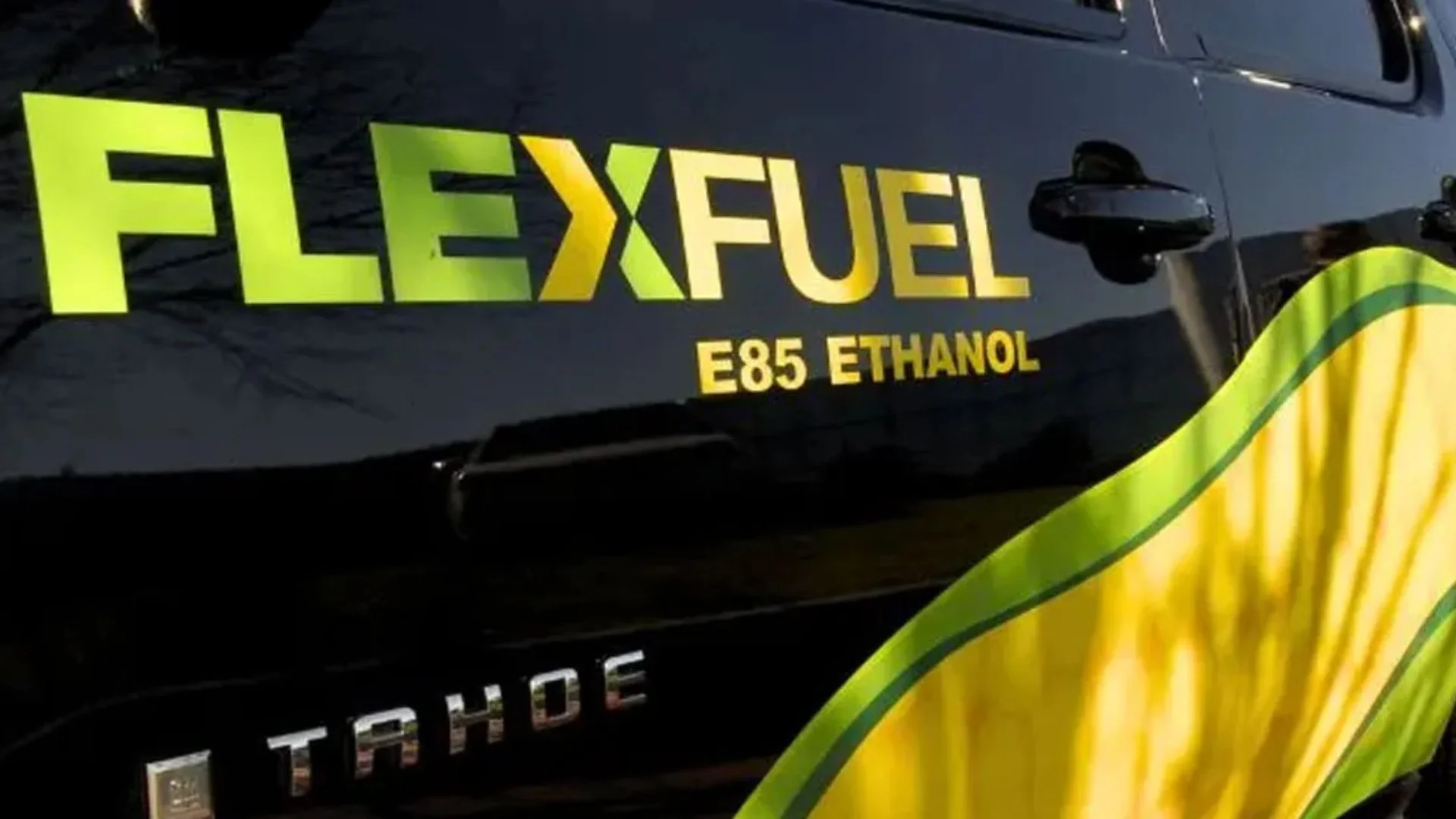
To navigate these mechanical requirements, global and domestic manufacturers are developing flex-fuel vehicles. These advanced machines feature smart sensors that automatically detect the ethanol concentration in the fuel tank and adjust engine parameters dynamically.
Real-world examples are already emerging across the Indian market:
- Maruti Suzuki WagonR Prototype: Maruti Suzuki showcased a flex fuel WagonR prototype engineered specifically to operate reliably on high ethanol blends up to E100. This development proves that affordable mass-market hatchbacks can easily transition to green tech.
- Global Manufacturer Commitments: Auto giants, including Toyota, MG, and Hyundai, are actively testing prototype flex fuel cars tailored for Indian driving conditions.
- Two-Wheeler Innovation: Hero MotoCorp has unveiled flex fuel iterations of its highly popular commuter motorcycles, the Splendor and the HF Deluxe, demonstrating that two-wheeler tech is ready for the shift.
Comparing Fuel Characteristics and Performance Metrics
The table below breaks down the technical differences between standard options and the new pure bioenergy choice:
|
Fuel Formulation Type |
Ethanol Content Ratio |
Relative Energy Density |
Engine Compatibility Profile |
|
Standard Petrol |
0 to 10 Percent Maximum |
Highest Energy Output |
Compatible with All Existing Vehicles |
|
E20 Blend |
20 Percent Ethanol Limit |
Slightly Lower Efficiency |
Compatible with Post 2023 Indian Vehicles |
|
E100 Biofuel |
Nearly 100 Percent Ethanol |
Lowest Energy Density |
Requires Dedicated Flex Fuel Systems Only |
Weighing the Strategic Pros and Cons of E100
Any major industrial transition involves distinct trade-offs. Understanding the strengths and weaknesses of pure ethanol is crucial for a smooth migration.
Key Advantages
- Substantially Lower Emissions: Ethanol contains inherent oxygen molecules, promoting cleaner combustion. This results in a notable reduction in tailpipe greenhouse gas emissions and particulate matter.
- Domestic Resource Allocation: Production relies entirely on domestic farming, shielding the economy from foreign currency exchange fluctuations.
- Biodegradable Characteristics: Spills present minimal environmental hazards compared to toxic petroleum options.
Key Disadvantages
- Reduced Mileage: Ethanol has a lower volumetric energy density than petrol. Drivers will notice higher fuel consumption over identical distances.
- High Infrastructure Costs: Logistics companies and fuel retailers must invest heavily to install specialized underground storage tanks and distinct dispensing pumps capable of handling alcohol without moisture contamination.
Conclusion
E100 fuel holds incredible potential to reshape India's energy landscape, but it serves as a long-term companion rather than an immediate replacement for petrol. Through deep agricultural integration and proactive automotive engineering by brands like Maruti Suzuki and Hero MotoCorp, the foundation for a cleaner future is set. Widespread success will ultimately depend on building robust retail infrastructure and making flex fuel vehicles accessible to everyday consumers.
Aakash Mehra
Automotive Journalist & Car Reviewer. Aakash Mehra is a seasoned automotive journalist with over 9 years of experience in car journalism and consumer-focused reviews. Having test-driven more than 550+ vehicles, he delivers detailed comparisons, expert insights, and unbiased advice to help readers confidently choose the right car.