Table of Content
▼- Price Comparison
- Engine Type and Capacity
- Powertrain and Transmission
- Dimensions
- Wheel Size and Type
- Safety Ratings
- EMI Available
- Colour Options
- What Makes Them Different
- Buy the BMW X3 if:
- Think before buying BMW X3:
- Buy the Mercedes-Benz GLC 300 if:
- Think before buying Mercedes-Benz GLC 300:
- Conclusion
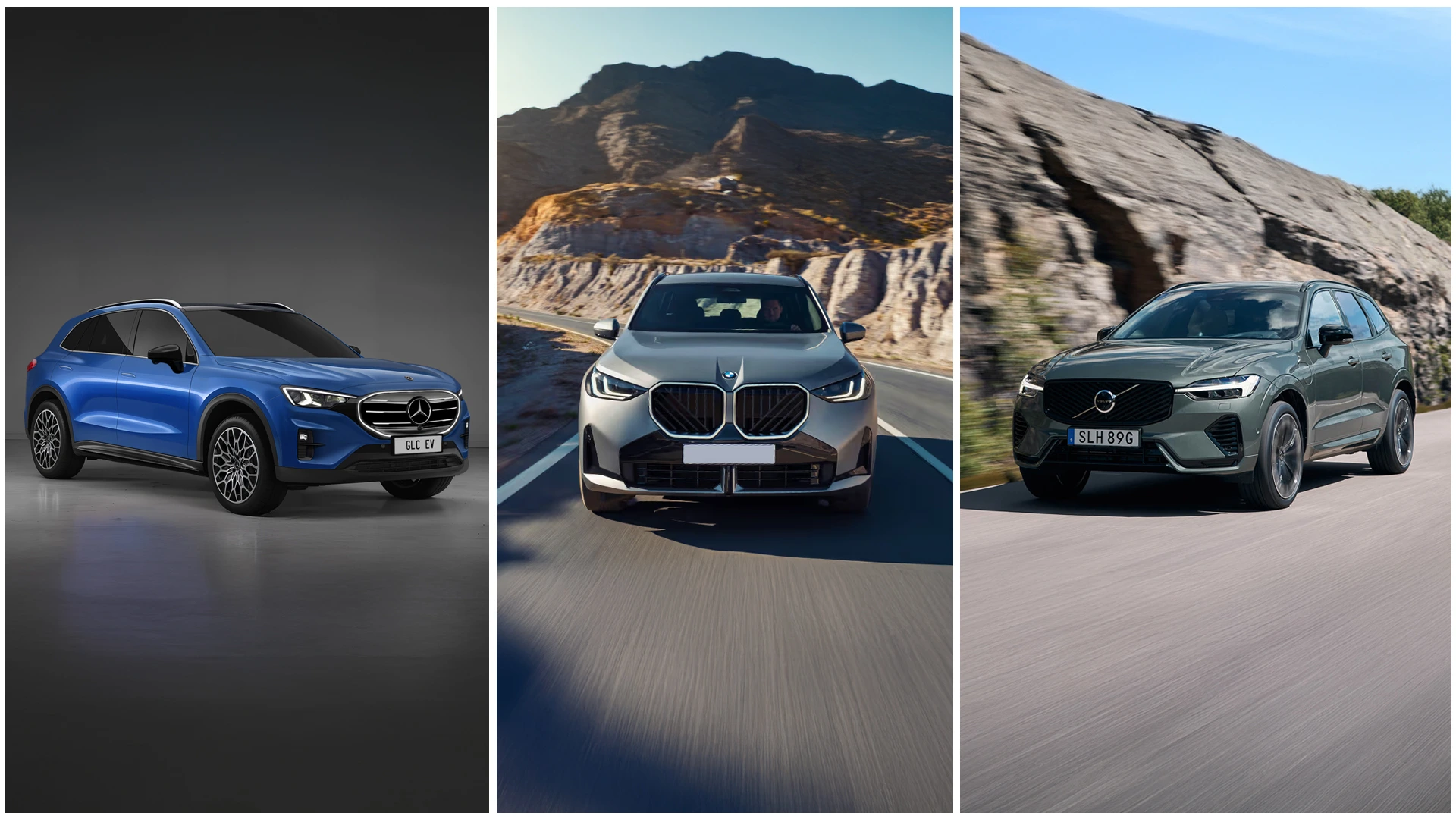
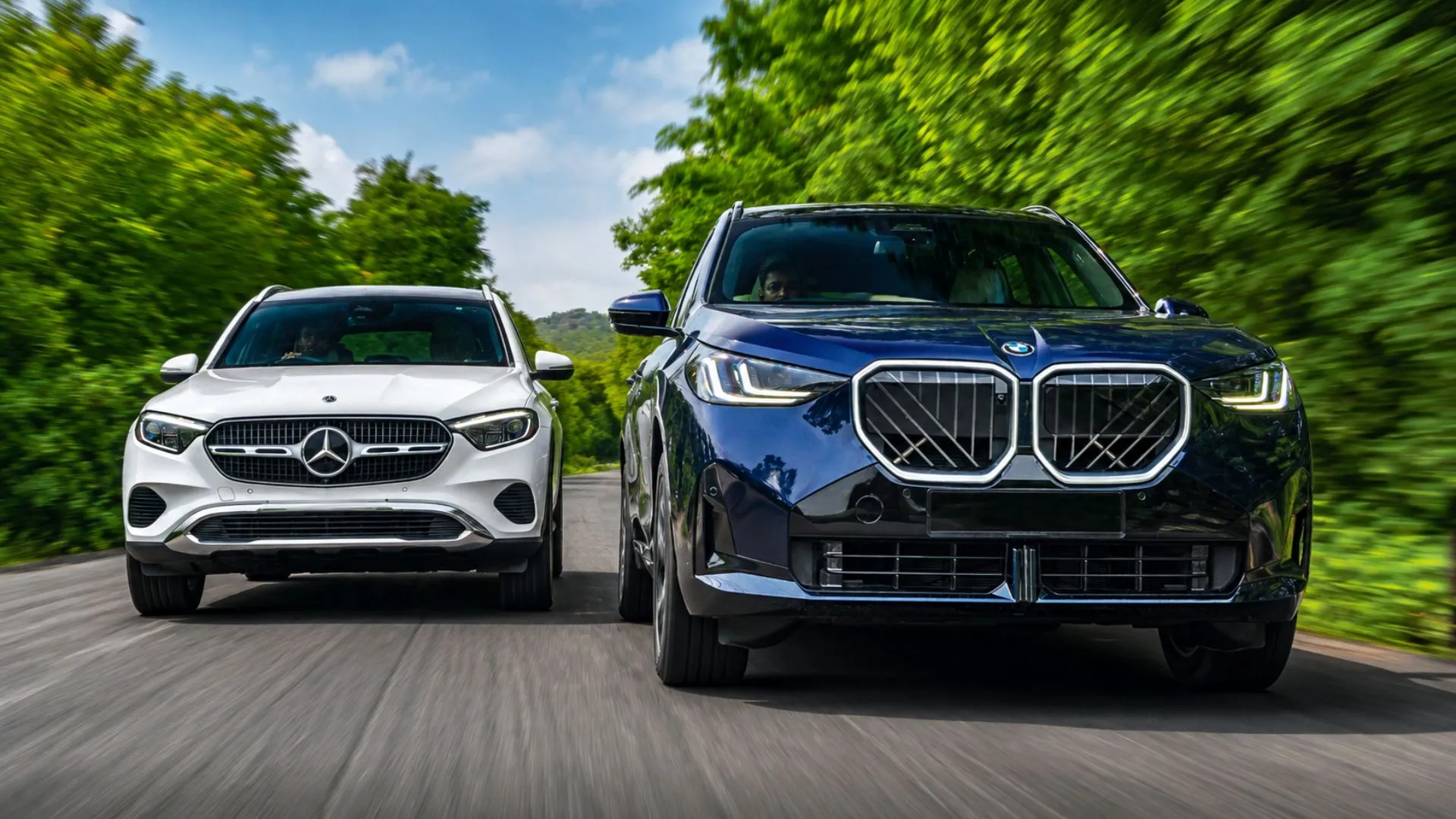
The BMW X3 vs. Mercedes-Benz GLC 300 is honestly one of the toughest calls in India's luxury SUV space right now, mostly because both cars sit in a nearly identical price band but then go after very different kinds of buyers. This guide lays out the price, engine specs, dimensions, safety ratings, EMI options, and colour choices so you can see which one actually deserves your money in 2026.
Price Comparison
The BMW X3 series has a starting price of Rs 69.90 lakh for its entry-level xDrive20 M Sport petrol model. The range then expands to Rs 76 lakh (ex-showroom) for its phenomenal flagship model, the xDrive30 M Sport Pro variant, the most powerful petrol model in the series. On the other hand, the Mercedes-Benz GLC 300 4MATIC is available only as a lone variant priced at Rs 77 lakh (ex-showroom), allowing less freedom for shoppers.
|
Parameter |
BMW X3 (xDrive30 M Sport Pro) |
Mercedes-Benz GLC 300 4MATIC |
|---|---|---|
|
Ex-showroom Price |
Rs 74.50 lakh |
Rs 77.00 lakh |
|
Approx. On-Road Price (Delhi) |
Rs 87-89 lakh |
Rs 89.05 lakh |
|
Entry Price (Base Variant) |
Rs 69.90 lakh |
Rs 77.00 lakh (single variant) |
Engine Type and Capacity
In terms of engine specifications, both SUVs are equipped with the same kind of engine, namely, 2.0-litre, 4-cylinder turbo-petrol engine, which produces similar power output.
The BMW X3 30 leverages a 1998cc TwinPower Turbo engine according to specifications, generating approximately 258 PS and 400 Nm of torque, whereas the GLC 300 utilizes a 1999cc turbo-petrol, producing 258 PS and 400 Nm of torque, albeit in this case there’s no use of any hybrid technology.
|
Parameter |
BMW X3 30 xDrive |
Mercedes-Benz GLC 300 4MATIC |
|---|---|---|
|
Engine Type |
2.0L TwinPower Turbo Petrol |
2.0L Turbo Petrol (M254) |
|
Displacement |
1998 cc |
1999 cc |
|
Max Power |
258 PS |
258 bhp |
|
Max Torque |
400 Nm |
400 Nm |
|
0-100 kmph |
6.3 seconds |
Approximately 6.2 seconds |
|
Hybrid Assistance |
48V mild-hybrid |
Not offered |
Power and torque figures are essentially identical between the two on paper. The BMW's mild-hybrid setup gives it a small edge in low-speed efficiency and a smoother restart when crawling through city traffic.
Also Read: Mahindra Scorpio N Facelift 2026: Price, Variants and Major Upgrades Explained
Powertrain and Transmission
- The BMW X3 comes with an automatic transmission with 8 gears, and the incorporation of the xDrive technology into this system makes this car exciting to drive.
- The new Mercedes Benz GLC 300 features a 9-speed 9G-TRONIC automatic transmission system paired together with the four-wheel drive 4MATIC system for a leisurely drive.
Both cars come exclusively with all-wheel drive in India, so there's no two-wheel-drive variant to fall back on for either badge.
Dimensions
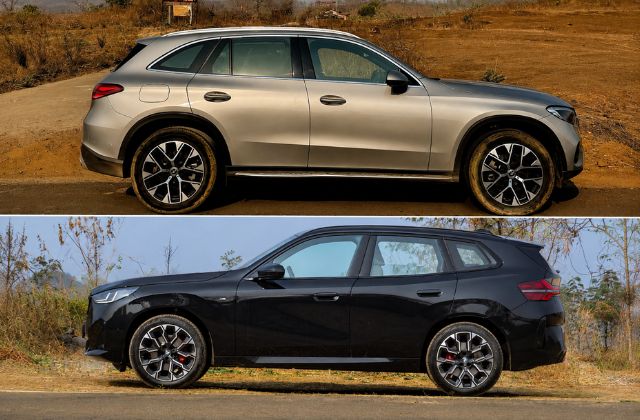
The GLC edges ahead on outright length, while the X3 stands noticeably taller, which usually works out to a more commanding seating position for the driver.
|
Parameter |
BMW X3 |
Mercedes-Benz GLC |
|---|---|---|
|
Length |
4,708 mm |
4,716 mm |
|
Width |
1,891 mm |
1,890 mm |
|
Height |
1,676 mm |
1,640 mm |
|
Wheelbase |
Not officially disclosed |
2,580 mm |
|
Boot Space |
Not officially disclosed |
620 litres |
|
Seating Capacity |
5 |
5 |
Wheel Size and Type
- The SUVs have standard 19-inch alloy wheels on their respective Indian models
- BMW X3: 19-inch alloys wrapped in 245/50 R19 tires
- Mercedes-Benz GLC 300: 19-inch alloys wrapped in 235/55 R19 tubeless tires
- Both the vehicles are equipped with disc brakes on all the four wheels and have electric power steering along with spare wheel
Safety Ratings
Both SUVs have received the highest possible rating from Euro NCAP, although their ratings were achieved in different ways. The BMW X3 was awarded its 5-star rating in 2025, receiving a score of 88% for adult passenger protection and 84% for child passenger protection. Meanwhile, the Mercedes-Benz GLC received a rating back in 2022 with a better score of 92% for adult passengers and 90% for child passengers.
|
Safety Parameter |
BMW X3 (2025 Euro NCAP) |
Mercedes-Benz GLC (2022 Euro NCAP) |
|---|---|---|
|
Overall Rating |
5 stars |
5 stars |
|
Adult Occupant Protection |
88% |
92% |
|
Child Occupant Protection |
84% |
90% |
|
Safety Assist Score |
80% |
71% |
|
Airbags (India-spec) |
6 |
7 |
EMI Available
Based on comparably priced diesel variants, which sit close enough in price to work as a fair reference point, the BMW X3 starts at an EMI of roughly Rs 1.70 lakh per month, while the Mercedes-Benz GLC starts at roughly Rs 1.76 lakh per month, both worked out over a 5-year tenure. Actual EMI will obviously shift depending on your down payment, the interest rate on offer, and the loan tenure your financier agrees to.
Colour Options
The BMW X3 has a choice of 5 colour options which include: Alpine White, Black Sapphire Metallic, Tanzanite Blue Metallic, Dune Grey Metallic, and Creamy White, while the Mercedes-Benz GLC 300 4MATIC also has 5 colour options: Polar White, Obsidian, Graphite Grey, Nautic Blue, and Mojave Silver.
Both brands are quite conservative when it comes to their colour choice, favouring subtle metallic colours.
Also Read: Toyota Hilux 2026: Price, Variants and Engine Explained
What Makes Them Different
- Driving character: The BMW X3 has been designed to perform more sportily, at the same time giving up some ride comfort due to its rear-biased xDrive system. The Mercedes GLC goes decidedly the other way when it comes to its driving character, handling bumps more gently than the X3 for improved comfort.
- Interior philosophy: The Mercedes GLC is a typical representative of classic Mercedes design, offering an interior made of quality materials accented with nice ambient lighting. Instead, the BMW X3 comes with its own curved display layout and satisfies driving enthusiasts with user-friendly cockpit.
- Ride quality: The Mercedes GLC gets rid of excessive bounce over bumps to make riding for rear passengers much smoother. Although the BMW X3 is stiffer, it offers an enjoyable driving experience at the cost of some vibrations while going over uneven terrain.
- Value positioning: The BMW X3 is available in diesel-powered, petrol-powered, and even flagship petrol trim versions, thus providing customers with more flexibility than the lone price point offered by the Mercedes GLC 300.
Which SUV Should You Buy
Buy the BMW X3 if:
- You want a sportier, more engaging drive with sharper steering
- You prefer having multiple variants and price points to choose from
- You value a stronger safety assist suite for highway driving
Think before buying BMW X3:
- You want the highest possible occupant protection score on paper
- You need officially disclosed boot space figures before deciding
Buy the Mercedes-Benz GLC 300 if:
- You want the best available occupant protection scores in this comparison
- You prioritise a softer, more comfortable ride for rear passengers
- You prefer a richer, more traditional luxury cabin feel
Think before buying Mercedes-Benz GLC 300:
- You want more variant flexibility across engine and price options
- You need a sharper, more connected driving experience
Conclusion
Ultimately, the choice between the BMW X3 and Mercedes-Benz GLC 300 comes down to what a buyer wants from their luxury SUV. The X3 is best for buyers looking for a sportier ride and more options, while the GLC 300 is for those looking for a high safety rating and maximum comfort. Both cars deserve their spots on the list of best luxury SUVs for the year 2026.
Also Read This |
|
|---|---|
|
Tata Sierra EV vs Mahindra BE6: Which Electric SUV Wins in 2026? |
|
|
Nissan Gravite vs Maruti Suzuki Ertiga vs Mahindra Bolero: Comparison Guide |
|
Frequently Asked Questions
Aakash Mehra
Automotive Journalist & Car Reviewer. Aakash Mehra is a seasoned automotive journalist with over 9 years of experience in car journalism and consumer-focused reviews. Having test-driven more than 550+ vehicles, he delivers detailed comparisons, expert insights, and unbiased advice to help readers confidently choose the right car.
 (1)_1769670630.webp)