Table of Content
▼- Understanding E20 Petrol and India's Ethanol Blending Programme
- Why the E20 Petrol Debate Has Intensified
- Does E20 Petrol Actually Damage Engines
- E10 vs E20 vs E85 vs E100: Comparing India's Fuel Blends
- How to Check If Your Car Is E20 Compatible
- Protecting Your Engine While Running on E20 Petrol
- Conclusion
E20 fuel is among the most controversial fuel changes in India. The answer really depends on the kind of car you drive. Newer vehicles compatible with ethanol made after 2023 handle the benzene mix well. The problems arise with older non-flex-fuel cars, which have the potential for risk regarding fuel seals, efficiency, and moisture absorption.
In August 2026, the controversy grew even higher when politicians openly criticized the policy, although there seems to be more moderation in the essence of mechanization.
Understanding E20 Petrol and India's Ethanol Blending Programme
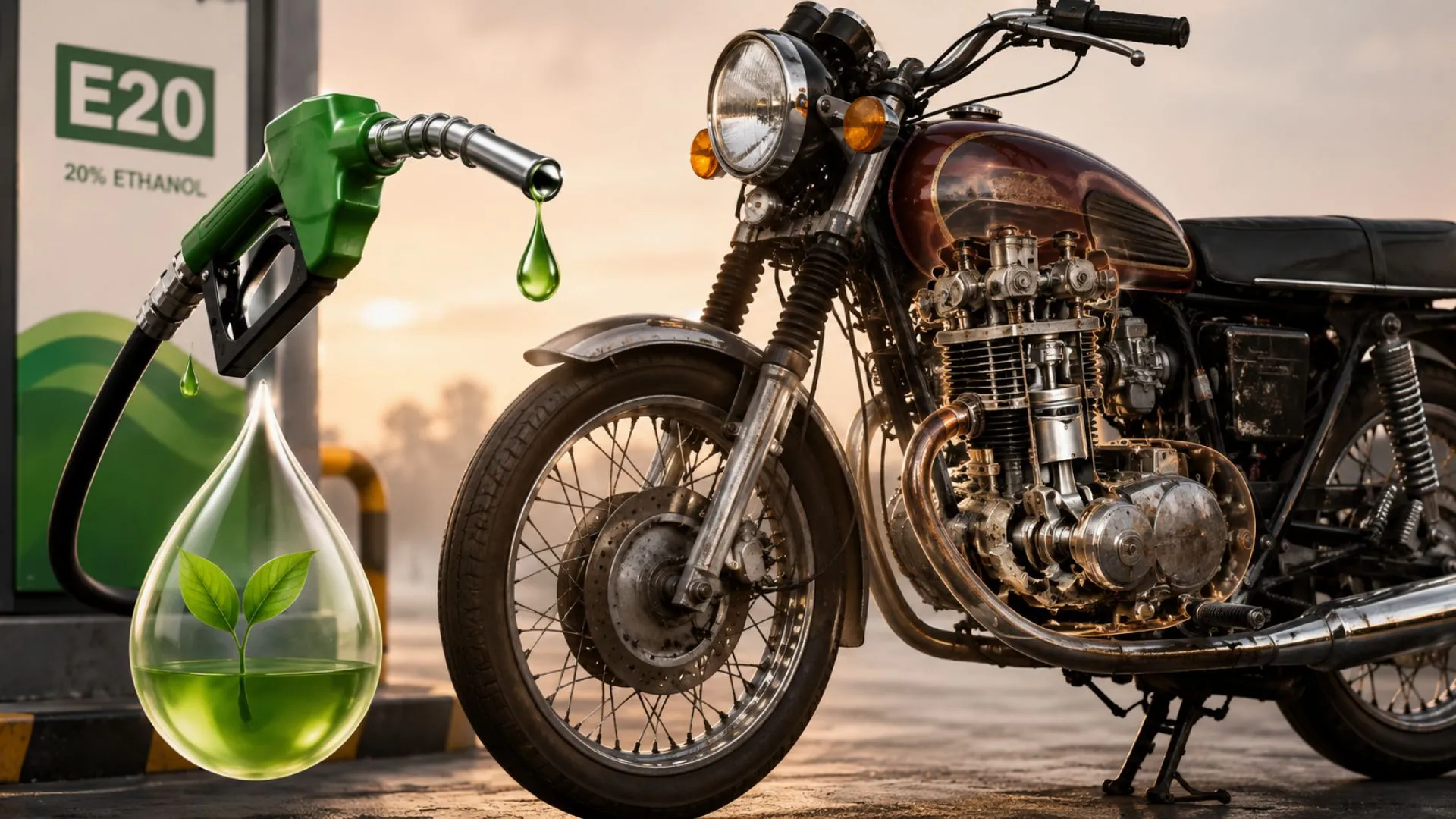
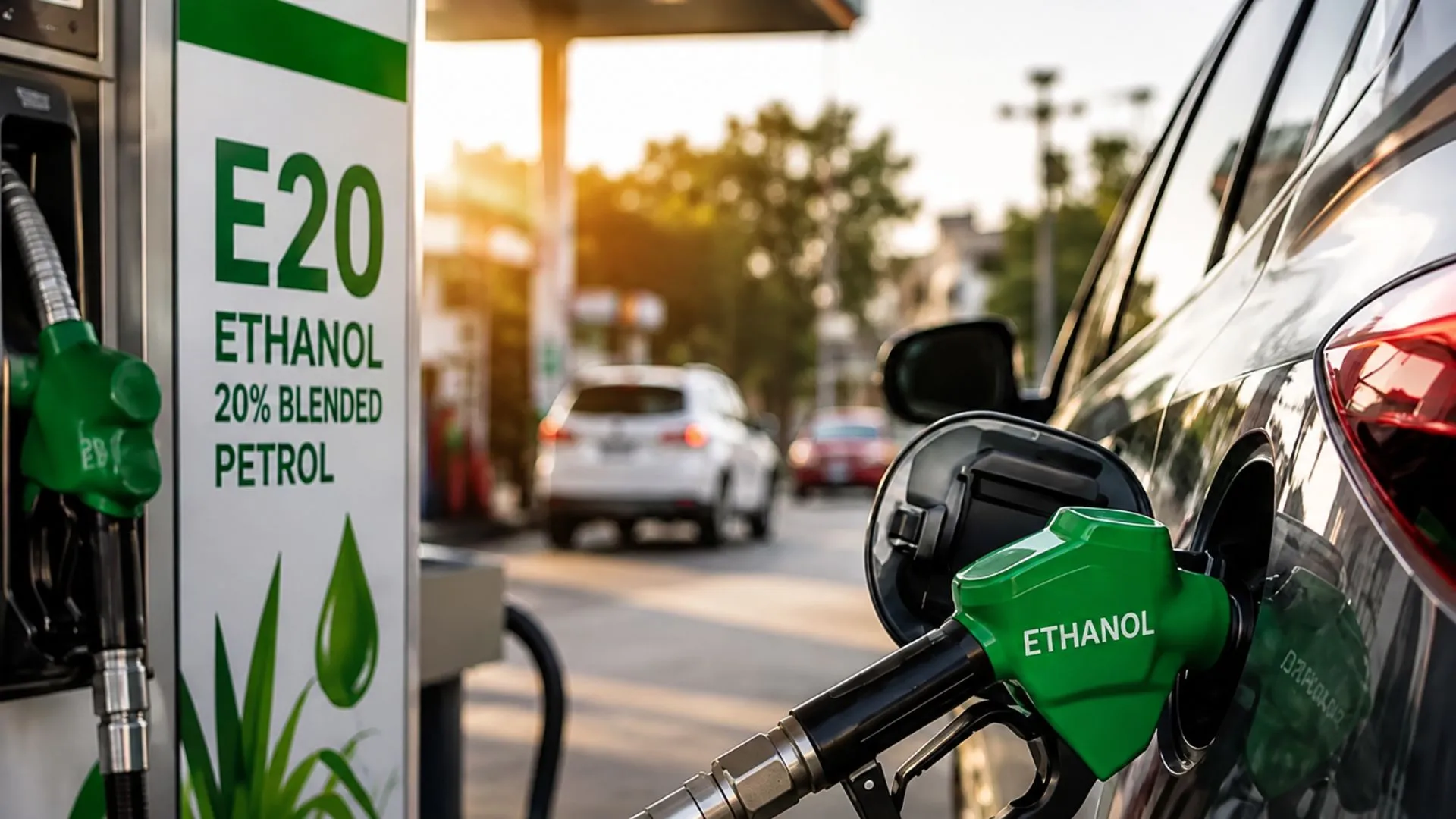
E20 petrol is made up of 20% ethanol and 80% petrol, formulated under the Ethanol-Blended Petrol Project launched by the Indian government. Ethanol is different from traditional fossil fuels since ethanol is made from renewable feedstock like sugarcane and grains. Thus, the government has a dual goal of implementing this policy - achieving independence from foreign crude oil and creating the demand sustainer for Indian farmers.
The Ministry of Petroleum and Natural Gas has been increasing the blending targets gradually and raising the country’s standard from E10 to E20 in most gas stations across the country.
Why the E20 Petrol Debate Has Intensified
What started out as a technical rollout evolved into a nationwide flashpoint throughout 2026. A number of developments brought the matter to public attention:
- Political involvement: The opposition leaders accused the policy of leading to engine wear and consequent monetary losses for the car owners. They promised to fight against it on a larger scale.
- Public protests: Demonstrations and hopes to roll back the decision or at least give more choice to the consumers were gaining momentum in Delhi accompanied by petitions sent to the central government.
- Viral consumer complaints: The news about poor mileage and engine issues was disseminated quickly via social media despite the absence of a verified large-scale pattern of failure acknowledged by the dealer associations.
- Judicial review: The Supreme Court accepted the petition against the mandatory rollout of E20 but refused to intervene in this particular issue.
Does E20 Petrol Actually Damage Engines
The mechanical evidence is more measured than the public discourse suggests.Automakers and regulatory bodies keep saying E20 fuel is safe for vehicles made with ethanol-compatible components, which has been the usual thing since 2023. Still, older vehicles have genuine exposure to a handful of specific risks:
- Elastomer degradation: Ethanol is kind of harsher on the older rubber seals, gaskets, and even the hoses compared with straight petrol, so you end up with a slow kind of deterioration in cars that weren’t actually built with that blend in mind.
- Reduced fuel efficiency: Ethanol has a lower energy density per litre than petrol, and quite a few owners claim there is a noticeable drop in mileage once they switch.
- Combustion mismatch: If the engine hasn’t been recalibrated for the higher ethanol portion, it can end up operating out of the intended air-to-fuel balance, which then hurts performance and also long-term reliability.
- Moisture sensitivity: Because ethanol is hygroscopic, it grabs ambient water more easily, and that becomes a real worry mainly for vehicles that sit unused for long stretches.
The Federation of Automobile Dealers Associations has observed a growing consumer shift toward CNG, hybrid, and electric vehicles amid these concerns, while clarifying it has not received formal complaints directly linking vehicle failures to E20 fuel.
E10 vs E20 vs E85 vs E100: Comparing India's Fuel Blends
|
Fuel Type |
Ethanol Content |
Compatible Vehicles |
Mileage Impact |
|---|---|---|---|
|
E10 |
10 Percent Ethanol |
Nearly All Petrol Vehicles |
Minimal |
|
E20 |
20 Percent Ethanol |
Post-2023 Vehicles, Most Modern Engines |
Moderate Drop (3–6 Percent) |
|
E85 |
85 Percent Ethanol |
Flex-Fuel Vehicles Only |
Higher, Offset by Lower Fuel Cost |
|
E100 |
Nearly 100 Percent Ethanol |
Dedicated Flex-Fuel Systems Only |
Significant, but Cheaper per Litre |
How to Check If Your Car Is E20 Compatible
Owners should verify actual compatibility rather than relying on anecdotal reports circulating online:
- Refer to the label on the fuel cap or back of the owner’s manual for anything about ethanol compatibility ratings.
- Check the manufacturing year, as vehicles from 2023 onwards are usually built for E20 compatibility.
- Instead of relying on blanket compatibility, reach out to the manufacturer’s service department for information specific to your model.
- Be alert to early warning signs, such as an uneven idle, sluggish acceleration, and a remarkable drop in mileage after filling up at a gas station.
Protecting Your Engine While Running on E20 Petrol
- Plan fuel line and gas tank seal checks regularly, especially for cars over five years old.
- Don’t let fuel remain unused for long, as stagnant ethanol-type fuel is more vulnerable to moisture problems.
- If there is any change in performance, utilize fuel system cleaners recommended by the manufacturer.
- Always keep a record of mileage before and after filling up and assess real fuel efficiency problems rather than relying on guesswork.
Conclusion
E20 petrol is not always harmful, but its effects in the real world likely depend on how old the cars are and how the engines are designed, rather than across-the-board policy assumptions. Modern cars that can use ethanol have the option of the blend with little trouble, and older cars that cannot use flex-fuel create serious issues with seals as well as mileage, which need to be taken into account by the owner.
Frequently Asked Questions
Karan Bhatia
Karan Bhatia is an automobile expert and reviewer with 8+ years of experience test-driving cars, bikes, and EVs. He provides honest, detailed, and practical reviews that highlight performance, design, safety, and value for money. His expert insights help readers make confident choices when buying their next vehicle.