Table of Content
▼E100 is now allowed to be used in vehicles designed to run on flex fuel. A lot of people owning cars are wondering whether their existing cars are also affected. The answer is negative because the new regulation works only for cars made for use with ethanol of this level; petroleum-burning cars and E20-compliant cars will continue to function normally.
By a notification, the central government has changed the Central Motor Vehicle Rules (CMVR), 1989. The amendment increases the ethanol limit from E85 to E100 for flex-fuel vehicles. Here is what this implies for you.
What Is E100 Fuel?
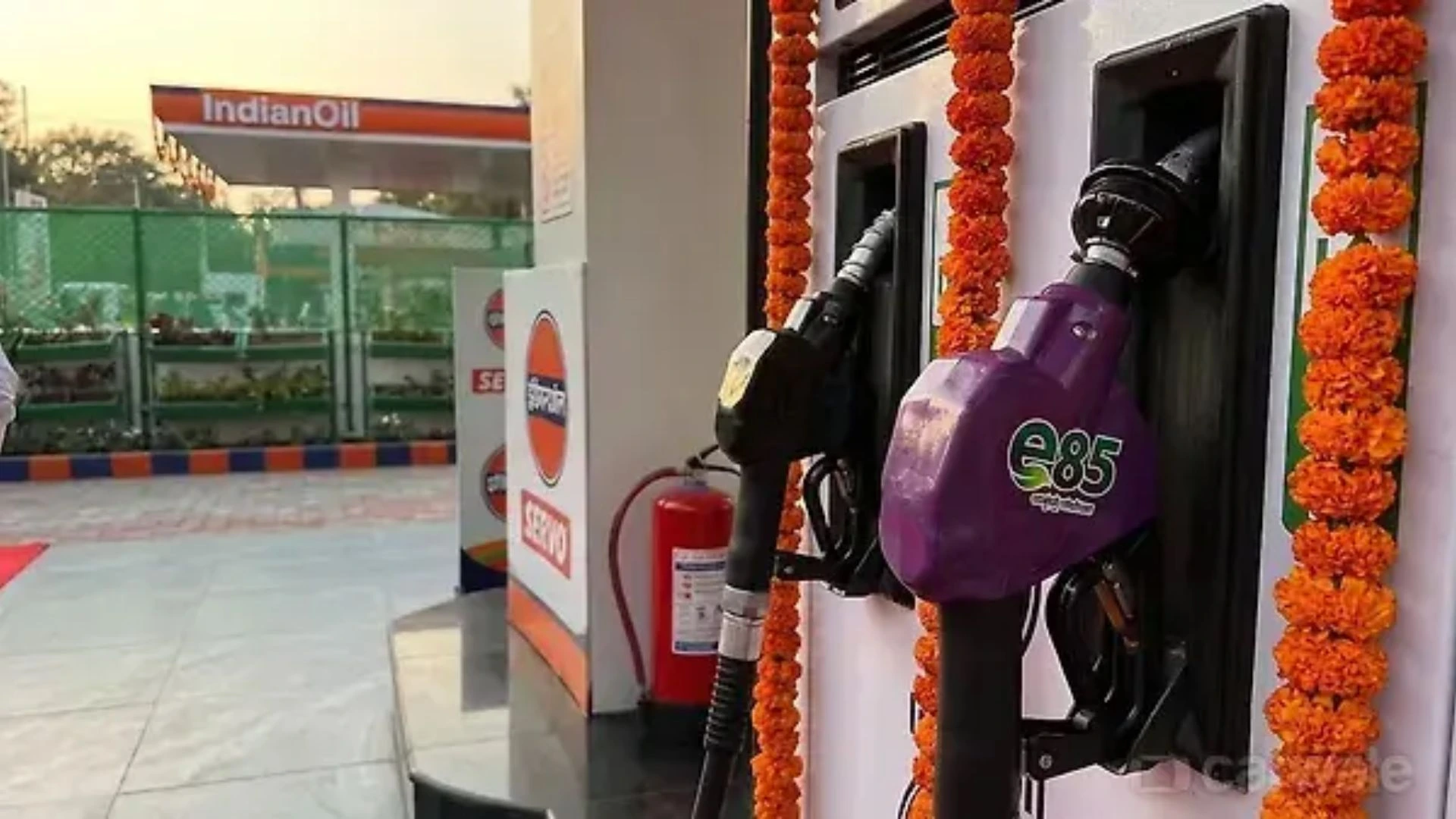
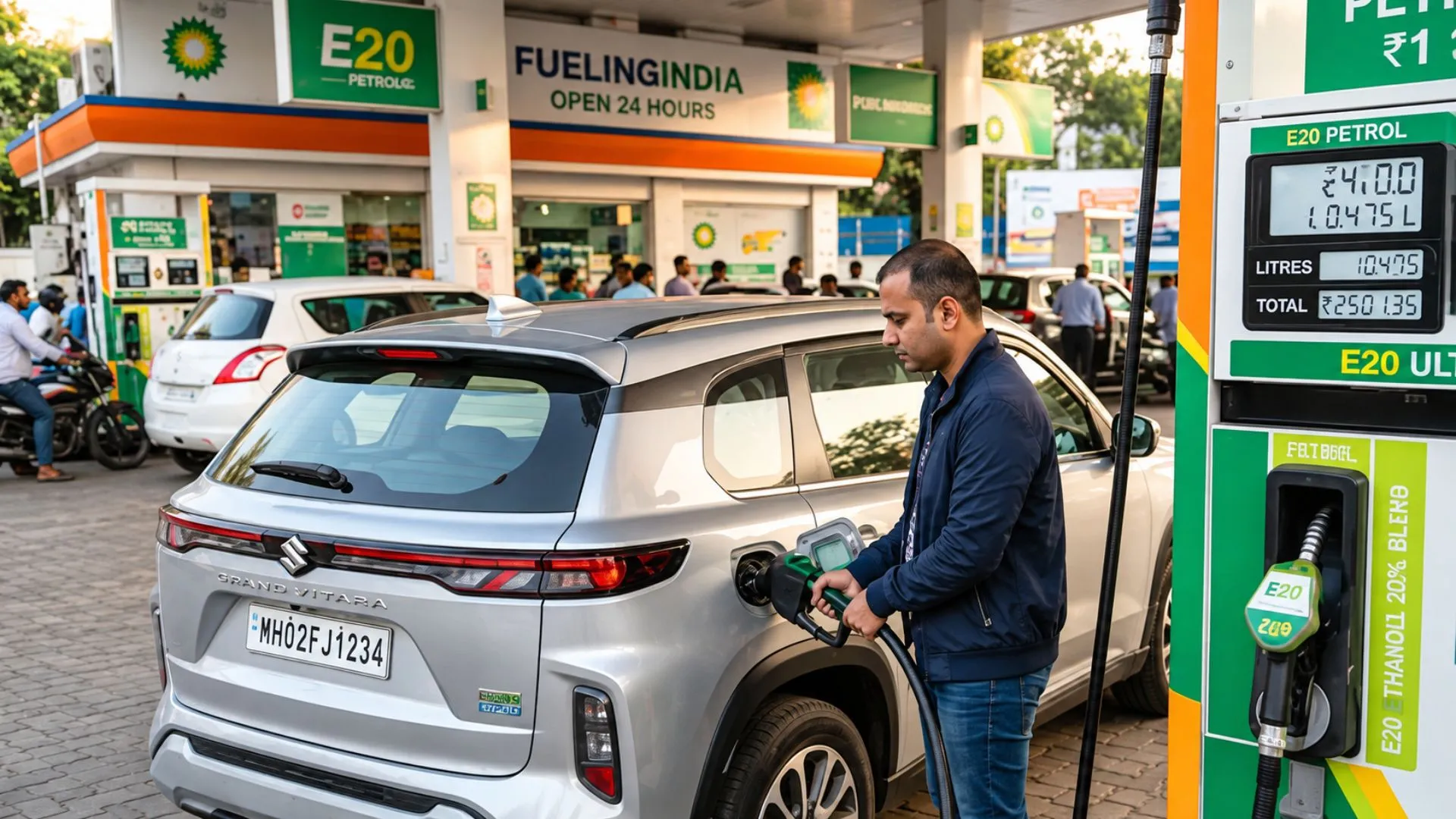
E100 refers to a fuel containing mostly ethanol—biofuel derived from plants including sugarcane and grains. The E100 number indicates the ethanol proportion. E20 refers to the 20 percent ethanol in the mix, E85 comprises 85 percent ethanol and E100 is the purest form of this fuel type.
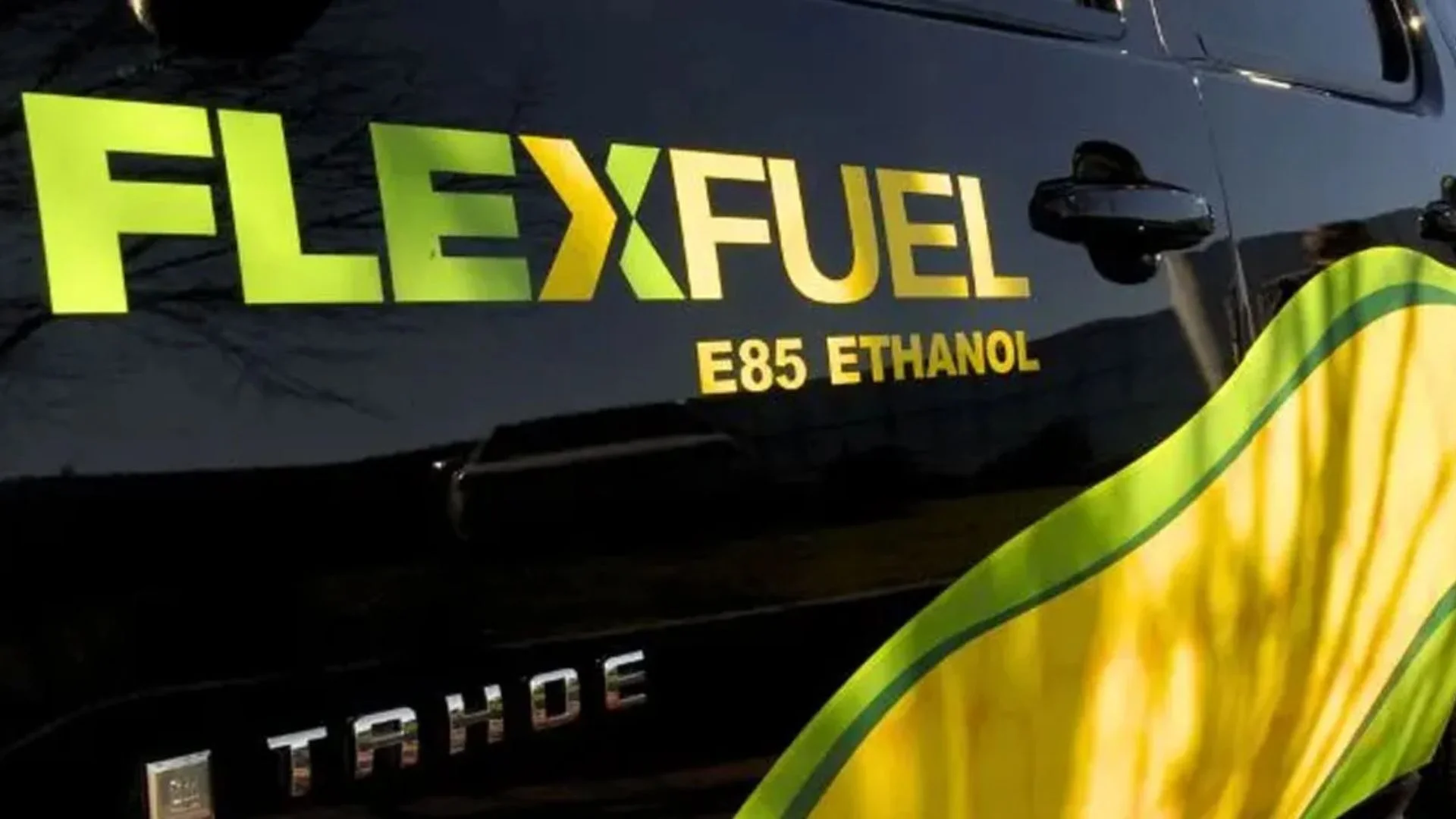
Flex-fuel cars can switch between petrol, ethanol or a blended form of both. This means at any time the driver is free to take the option that works best for them.
How important is this now? India has met the 20 percent target for ethanol blended petrol by the year 2025. The next step along this road is the E100 for those vehicles better suited to consuming a higher share of ethanol than that allowed by E20 petrol.
What Does the New Rule Change?
The rule adds E100 next to E85 in the CMVR framework. The main alterations are:
- Increased ceiling: The previous E85 restriction for dual-fuel vehicles has been replaced with E100.
- Lawful method for companies: E100, being part of the issue related to emissions testing and approval of a type, is a base for vehicle producers in their certification process of E100-enabled automobiles.
- Policy goal: The Centre links the move to lower emissions and fewer fuel imports.
- Farmers: Union Minister Nitin Gadkari says the change will benefit farmers.
The decision is also expected to push automakers towards building more FFVs.
Also Read: BS-VII Emission Norms: What Happens to Your Existing Car?
E100 vs E85 vs E20: Key Differences
|
Parameter |
E20 |
E85 |
E100 |
|---|---|---|---|
|
Ethanol share |
20 percent, blended with petrol |
85 percent, blended with 15 percent petrol |
Almost entirely ethanol |
|
Who can use it |
E20-compatible vehicles |
Dedicated flex-fuel vehicles |
Flex-fuel vehicles built for E100 |
|
Regulatory status |
Rolled out nationwide |
Recognized under CMVR |
Newly permitted under the amendment |
|
Suitable for a regular petrol car |
Only if E20-compatible |
No |
No |
Can Your E20 Car Run on E100?
No. Ethanol blends above E20 require special fuel systems, and that means that cars built for E20 will not be able to use E85. The same applies to E100. It requires a specific engine tuning and changes in fuel system material and components.
Never use E85 or E100 in your vehicle unless you verified that it is a flex-fuel vehicle. You can do so by checking the fuel cap, the owner’s manual or by asking a dealer.
Will E100 Reduce Your Mileage?
Yes, in the majority of the cases. Ethanol is less energy-intensive as compared to petrol, thus FFV vehicles running on E100 consume more fuel to cover the same distance.
That does not mean that running the engine will definitely cost more. If the price of E100 remains low enough, the fuel price might cover the consumption. However, the fuel prices are not available yet, so it is too early to say.
Will Flex-Fuel Cars Cost More?
Most likely, at least at first. FFVs are expected to cost more than E20 cars. Tax adds to the gap. Industry groups point out that FFVs attract GST of 18 to 40 percent depending on configuration, compared with 5 percent for electric vehicles, and they argue this slows adoption.
Which Cars Will Support E100?
Gadkari has said Toyota, Suzuki, Hyundai and MG are expected to introduce E100-compatible vehicles in the coming months. These are expectations, not confirmed launch dates.
Earlier this year, no manufacturer in India sold a flex-fuel vehicle even for E85. Industry executives have also warned that parts and supply chains may take time to be ready, so expect a gradual arrival. If you are shopping in the next few months, ask the dealer for written confirmation of the fuel rating before booking.
What Should You Do Right Now?
|
Your Situation |
What It Means |
What to Do |
|---|---|---|
|
You own an E20-compatible car |
No change at the pump |
Keep using E20 petrol |
|
You own an older petrol car |
No official roadmap yet |
Stay on the fuel your manual recommends |
|
You plan to buy a new car |
More FFV options are likely |
Confirm E85 or E100 compatibility before fuelling |
|
You want a flex-fuel car now |
Few or no options on sale |
Wait for confirmed launches |
E100 Rollout: What Comes Next
|
Stage |
Status |
|---|---|
|
E20 petrol across India |
Achieved in 2025 |
|
Draft CMVR amendment for E85 and E100 |
Issued in late April 2026 |
|
Final notification allowing E100 in FFVs |
Now notified |
|
E100-compatible vehicles from manufacturers |
Expected in the coming months |
|
E100 fuel station network |
Not yet announced |
An Honest Note
The Centre has not said what happens to existing E20-compatible vehicles. Ethanol blends of up to E30 have been notified, yet there is no roadmap for scrappage incentives, flex-fuel kits or the continued sale of E20 alongside flex fuels.
Brazil offers a useful reference. Its fuel baseline is E30, E100 is sold alongside it, and buyers choose whichever fuel is cheaper to run. India's situation differs. Selling E20 next to flex fuels will not let every buyer pick the cheaper option, because only FFVs can use E100. Owners of E20-compatible cars remain worry-free, at least for a while.
Also Read: CNG the New Diesel for India: What FY2026 Sales Data Reveals
Conclusion
E100 gives flex-fuel vehicles a legal path beyond E85 and supports the Centre's push for lower emissions and fewer imports. Existing owners need no change, since E20-compatible cars should stay on E20 petrol. Buyers should wait for confirmed launches and fuel stations before deciding on E100 alone.
Frequently Asked Questions
Karan Bhatia
Karan Bhatia is an automobile expert and reviewer with 8+ years of experience test-driving cars, bikes, and EVs. He provides honest, detailed, and practical reviews that highlight performance, design, safety, and value for money. His expert insights help readers make confident choices when buying their next vehicle.
_1781518142.webp)