Table of Content
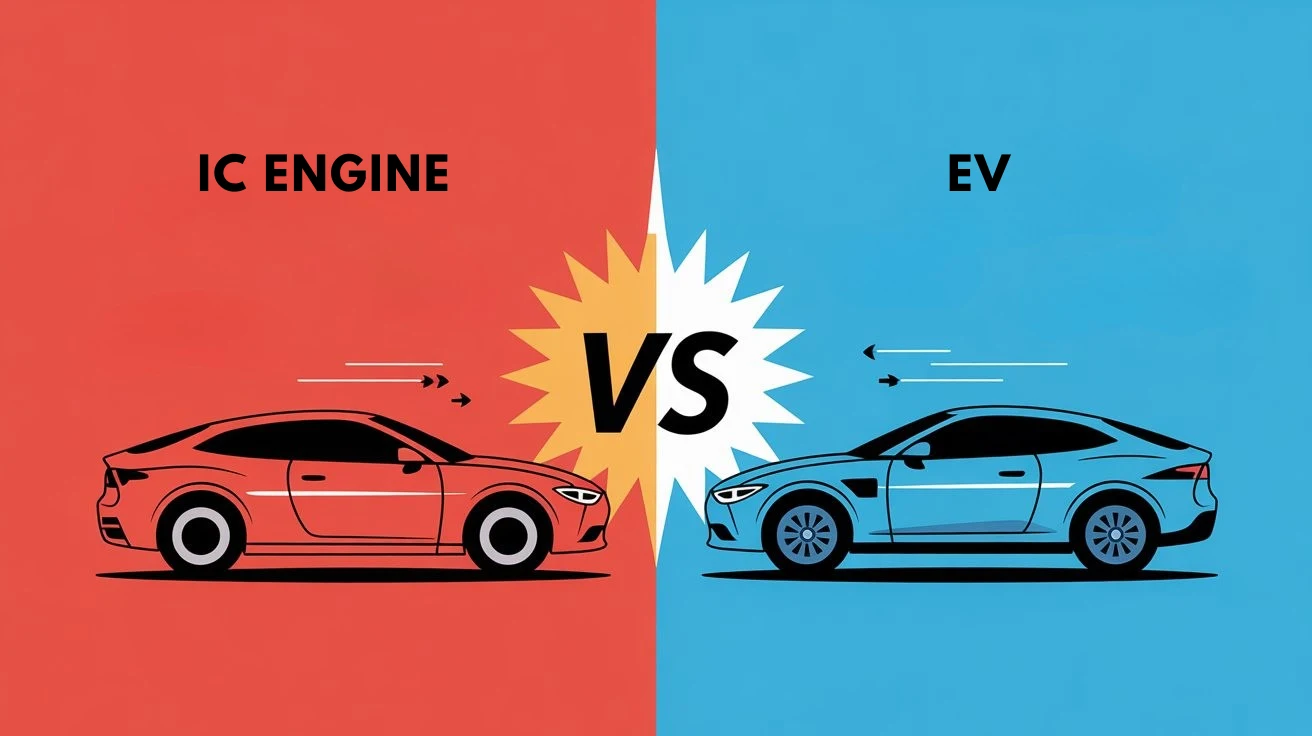
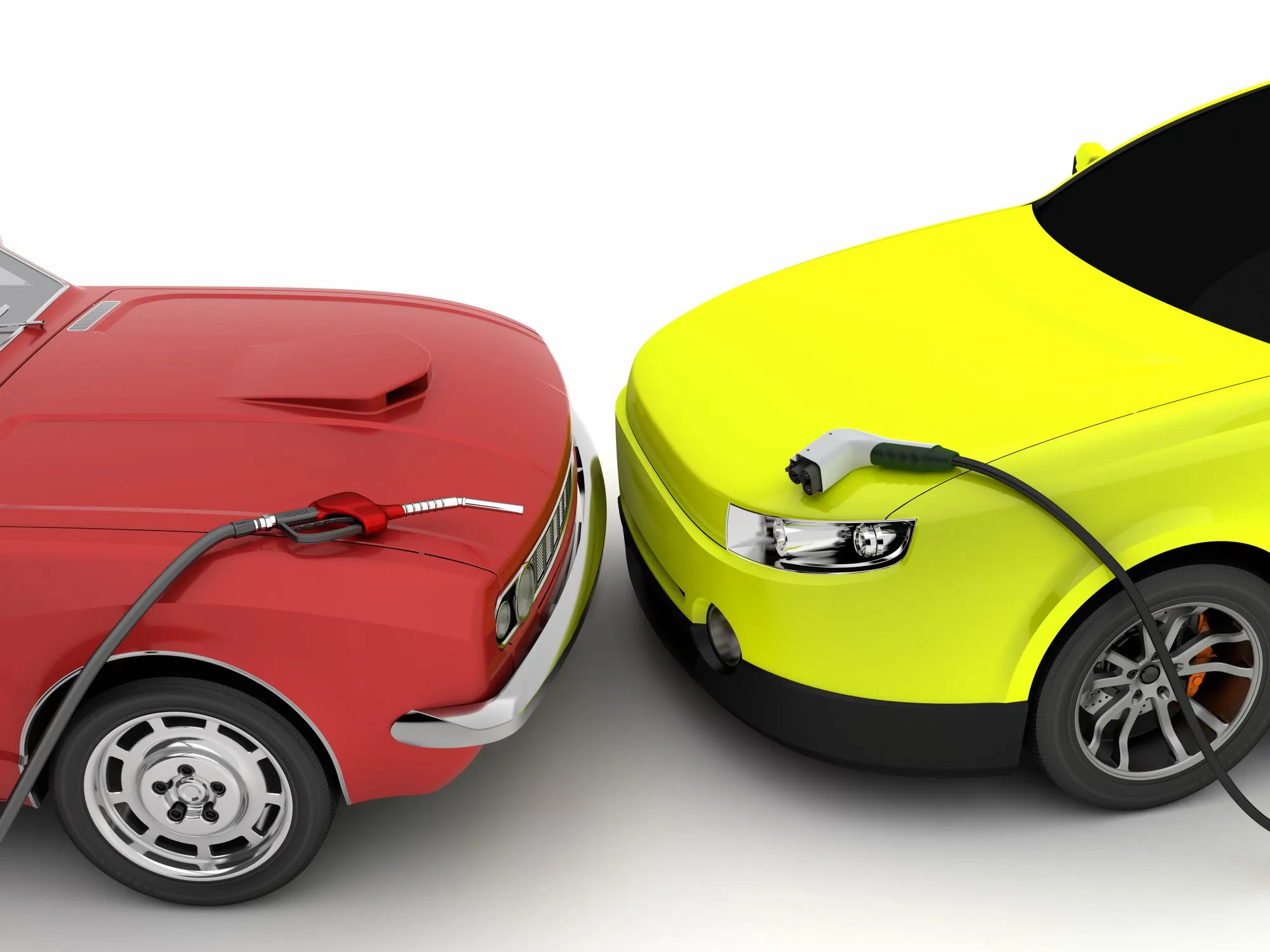
▼E20 fuel and its ripple effects have become one of the most debated automotive topics in India this year. The answer to whether ICE or EV makes more sense really depends on your driving pattern, location, and how much weight you place on long-term running costs versus upfront convenience.
Understanding the Ethanol Situation in 2026
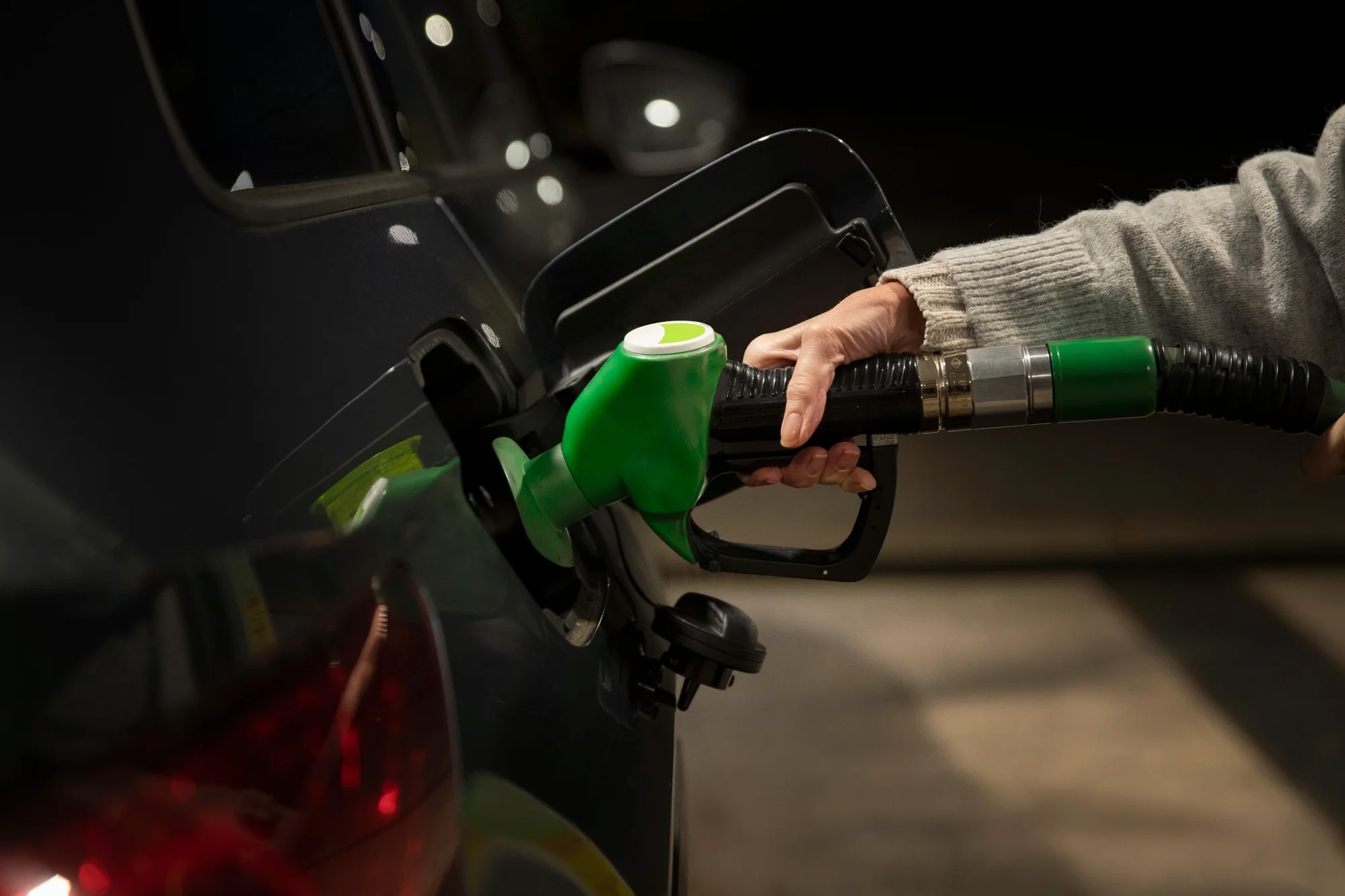
Petrol vehicles in India now run on 20 percent ethanol-blended fuel, mandated since April 1, with the government claiming it achieved this blending target five years ahead of its original deadline. The regulatory roadmap doesn't stop there:
- IB15, 15 percent isobutanol blending in diesel, is charted for rollout starting 2027.
- BIS has proposed standards of up to E30, signaling further increases are still to come.
- E25 has been pushed back for an unspecified extension, following substantial public backlash over the hasty E20 rollout.
E20 is likely to remain the norm for the foreseeable future, giving petrol car owners a reasonable window to plan around current conditions rather than a fast-approaching cliff.
The EV Reality Check
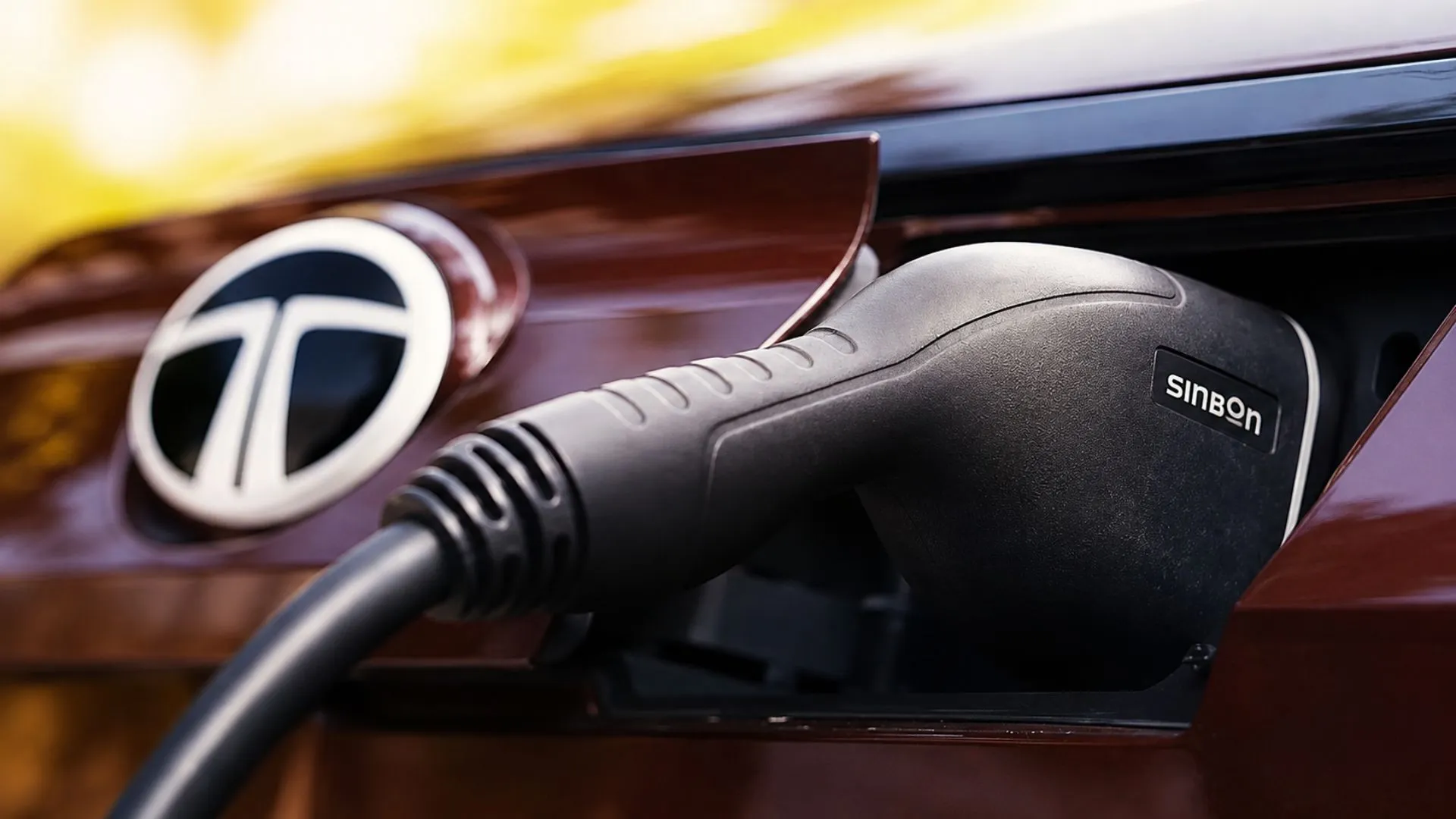
While EVs sidestep the ethanol conversation entirely from a fuel perspective, they come with their own dependency on lithium and their own infrastructure growing pains.
- Modern EVs can offer a range beyond 500km, typically at a real price premium.
- India's charging infrastructure is genuinely improving, but not at the pace demand requires.
- A significant number of existing chargers are non-functional or decommissioned.
- There's currently no unified app across networks for EV charging, making trip planning genuinely inconvenient.
- Panic-buying of EVs, driven partly by ethanol concerns, is outpacing infrastructure readiness in some markets.
Cost and Break-Even Comparison
|
Factor |
ICE (Petrol/Diesel) |
EV |
|---|---|---|
|
Fuel/Running Cost |
Higher, worsened by ethanol-related efficiency loss |
Lower per-km cost |
|
Maintenance |
Increased due to ethanol's corrosive nature on hardware |
Generally lower, fewer moving parts |
|
Upfront Cost |
Lower purchase price |
Higher premium, especially for 500km+ range |
|
Long-Distance Travel |
No range anxiety, refuels anywhere |
Dependent on charging network reliability |
|
Break-Even Point |
Not applicable |
Reached sooner with high daily running |
The corrosive nature of ethanol genuinely does warrant updated powertrain hardware and increased maintenance costs on the ICE side, pushing up cost per kilometre over time. EVs, on the other hand, can reach a break-even point sooner than most buyers expect, but only with sufficient daily running to justify the higher upfront cost.
Decision Framework: Which One Fits You
This isn't a question with one universal answer, it genuinely depends on your specific circumstances.
Choose ICE if you:
- Live in a remote area or somewhere with irregular electricity supply.
- Regularly travel long distances without fixed, plannable routes.
- Prefer not to depend on charging infrastructure that's still catching up.
- Want to avoid the higher upfront cost of a long-range EV.
Choose EV if you:
- Can install a home charging point without safety or logistical bottlenecks.
- Have relatively fixed, plannable daily distances.
- Factor in running and maintenance savings over the vehicle's lifetime.
- Public charging is considered a backup option, rather than something people rely on entirely.
According to reports from various markets, such as Gurugram, there are certain safety gaps when it comes to installing at-home electric vehicle charging stations, which means you should check with your area to confirm the reliability of home charging.
Conclusion
The ICE vs. EV debate in 2026 doesn't have a single correct answer, it comes down entirely to how and where you drive. Ethanol blending has made petrol ownership marginally more complex, but E20 remains stable for now with E25 delayed. EVs can deliver real financial benefits in the long run, but only if your charging scenarios and daily trips allow for this. The best course of action is to stay away from worrying and follow your own personal circumstances, rather than current trends.
Karan Bhatia
Karan Bhatia is an automobile expert and reviewer with 8+ years of experience test-driving cars, bikes, and EVs. He provides honest, detailed, and practical reviews that highlight performance, design, safety, and value for money. His expert insights help readers make confident choices when buying their next vehicle.