Table of Content
▼- Understanding E85 Composition and Vehicle Compatibility
- Available and Showcased Flex Fuel Models
- Analyzing Real World Fuel Economy and Cost Logistics
- The Thermal Efficiency Deficit of Ethanol
- Cost Per Kilometer Mathematical Breakdown
- India Ethanol Blending Roadmap and Infrastructure Targets
- Conclusion
- Also Read This
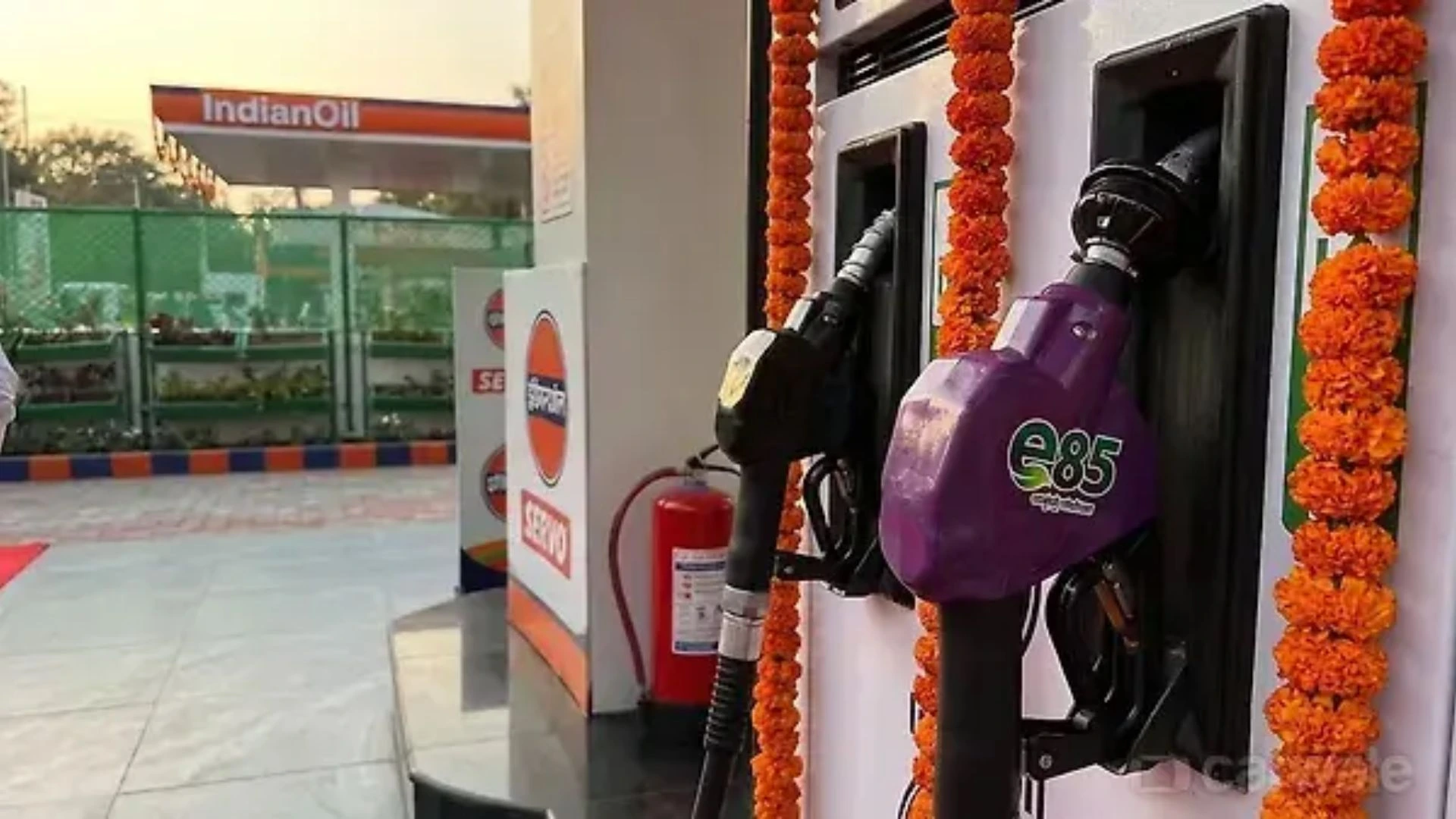
India has officially launched high ethanol E85 fuel in Delhi priced at Rs 82.12 per litre. This clean biofuel contains eighty-five percent ethanol and fifteen percent petrol, offering a substantial twenty rupee discount compared to conventional E20 petrol, which retails at Rs 102.12 per litre. The historic rollout marks a major milestone for the country's alternative fuel programs.
Understanding E85 Composition and Vehicle Compatibility
E85 fuel represents a massive shift from standard E20 petrol. While E20 contains up to twenty percent ethanol, E85 blends eighty-five percent agricultural ethanol with fifteen percent petrol. Alcohol based biofuels possess unique chemical properties requiring engineered internal combustion engines and modified fuel lines.
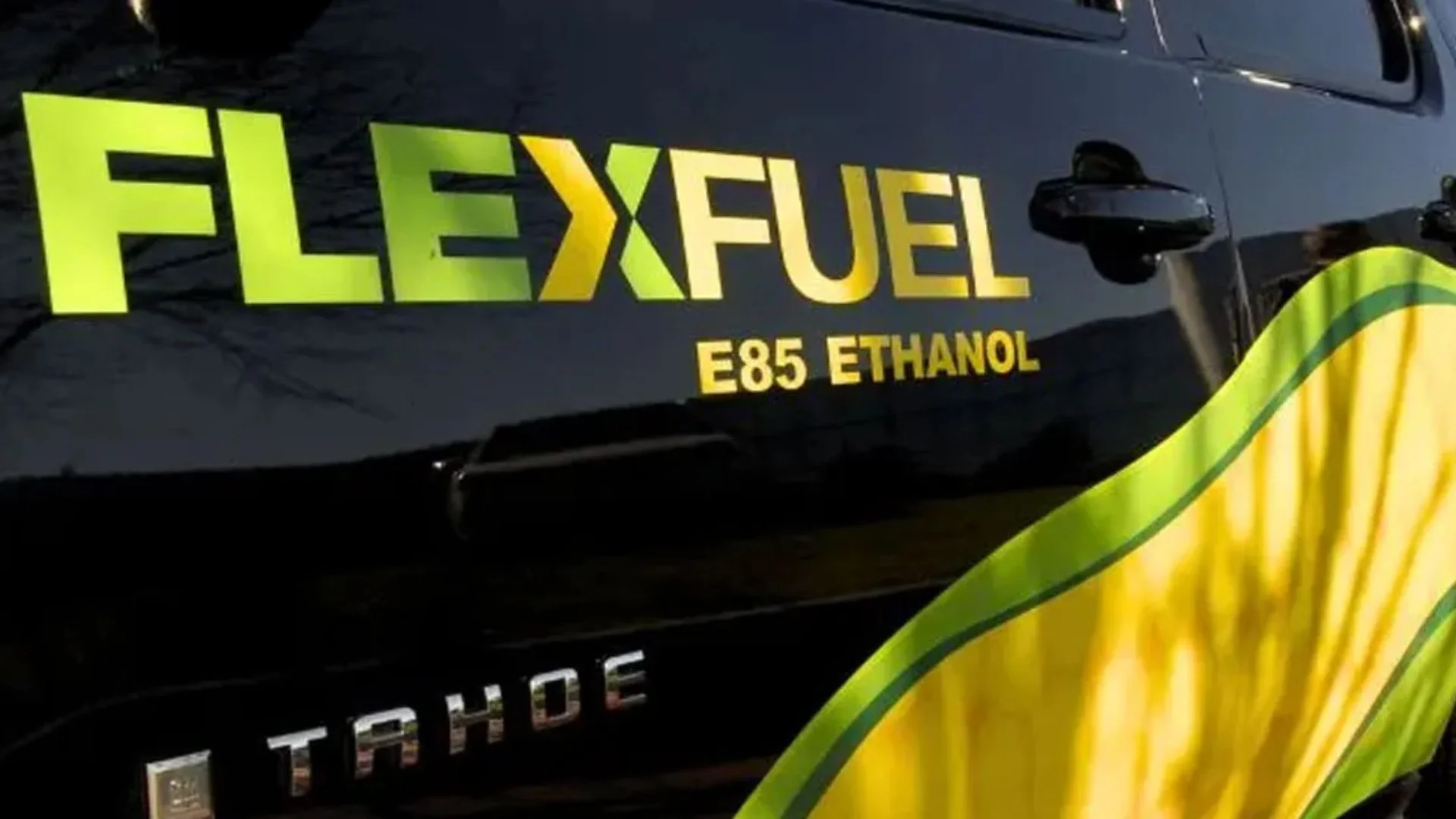
Standard petrol cars cannot use E85 fuel safely. Deploying this high ethanol blend in an uncalibrated engine causes mechanical deterioration, fuel line corrosion, and sensor failures. To safely operate on this fuel, a vehicle must possess dedicated flex fuel compatibility to dynamically monitor fuel composition and recalibrate parameters in real time.
Available and Showcased Flex Fuel Models
Manufacturers are introducing compliant platforms to support this national green initiative:
- Maruti Suzuki Wagon R Flex Fuel: A pioneering passenger hatchback built for high ethanol concentrations.
- Hero Splendor Plus Flex Fuel: A popular commuter motorcycle optimized for alternative fuel.
- Hero HF Deluxe Flex Fuel: An affordable commuter two-wheeler supporting flexible fuel options.
- Suzuki Gixxer SF 250 FFV: A quarter-litre performance motorcycle optimized for ethanol operation.
Analyzing Real World Fuel Economy and Cost Logistics
Evaluating the economics of Rs 82.12 per litre requires looking into the energy density of bioethanol.
The Thermal Efficiency Deficit of Ethanol
Pure ethanol contains roughly one-third less energy density compared to traditional fossil fuels. Due to this chemical property, flex fuel vehicles operating on pure E85 consume more fuel volume to travel the same distance. Data from international markets indicates that vehicles experience an efficiency drop ranging from twenty-five percent to thirty-five percent.
Cost Per Kilometer Mathematical Breakdown
Consider this clear mathematical example:
- Petrol Baseline: A car achieving 15 kmpl on regular petrol costing Rs 102.12 per litre incurs a running cost of roughly Rs 6.81 per kilometer.
- E85 Alternative: If the same vehicle experiences a twenty-five percent drop in mileage on E85, its fuel economy decreases to 11.25 kmpl. At the retail price of Rs 82.12 per litre, the running cost changes to approximately Rs 7.30 per kilometer.
This illustrates why motorists must evaluate engine efficiency rather than just the pump price. E85 serves to substitute imported crude oil with domestic agricultural products, boosting rural economies and lowering emissions.
India Ethanol Blending Roadmap and Infrastructure Targets
The government has initiated a phased strategy to expand infrastructure alongside vehicle availability.
|
Fuel Type Category in Delhi |
Retail Price Per Litre |
Commercial Availability Status |
|
E85 Biofuel Blend |
Rs 82.12 |
Select Indian Oil Outlets |
|
Regular E20 Petrol |
Rs 102.12 |
Nationwide Fuel Stations |
|
Premium XP95 Petrol |
Rs 109.24 |
Major Urban Outlets |
The government plans to expand from the initial Delhi outlet to 500 dispensing stations across the country by late 2026, targeting 5000 operational stations by late 2027.
Conclusion
The commercial launch of E85 fuel at Rs 82.12 per litre signals a self-reliant energy ecosystem for India. While early adoption presents a learning curve regarding real-world mileage variations, the environmental and agricultural benefits are undeniable. As more manufacturers roll out compatible flex fuel passenger vehicles, this green alternative will transition into a mainstream fuel choice.
Also Read This |
|
|---|---|
|
Flex Fuel Vehicles in India 2026 Gadkari Set to Showcase E100 Cars |
|
|
Maruti Suzuki WagonR Flex Fuel Debuts as India's First E85 Car |
|
Neha Mehlawat
Neha Mehlawat is an automotive journalist and industry analyst with 10+ years of experience covering cars, bikes, and mobility trends. She tracks the latest launches, technology upgrades, and policy changes in the auto sector, delivering sharp insights that help readers stay ahead in the fast-evolving world of automobiles.
_1781518142.webp)