Table of Content
▼- What Is Range Retention in EVs?
- How Much Range Do EVs Lose Over Time?
- Why Modern EVs Retain Range Better
- LFP vs NMC: Which Battery Lasts Longer?
- Factors That Affect Range Retention
- Battery Degradation vs Real-World Range Loss
- Should You Buy an EV for Its Range Retention?
- Buy it if you:
- Think before buying if you:
- Conclusion
Range retention is now considered one of the key measures of the quality of electric vehicles in India, as the latest electric vehicles exceed expectations of many consumers in terms of performance in range retention. Present-day electric vehicles lose about 1.5% to 2.5% of their battery capacity annually and still work with 80% to 90% of their operational range even after 8 to 10 years in action.
There are other factors apart from batteries. It’s primarily revolution in cell chemistry, the emergence of liquid cooling, and the introduction of advanced software that have influenced the properties of EV batteries and affected the prices of resale and operational expenses.
What Is Range Retention in EVs?
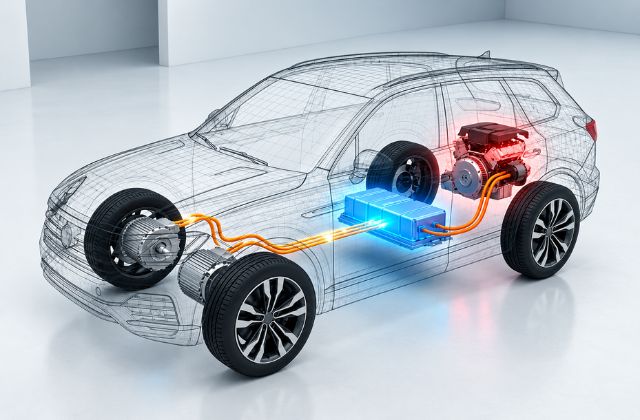
Range retention is the share of an EV's original driving range that remains after months or years of use and charging. It is closely tied to battery state of health (SoH), which compares the battery's current usable capacity with its capacity when new.
For example, an EV with a 400 km rated range and 90% retention will deliver about 360 km under the same driving conditions.
Also Read: Skoda Kushaq Safety Ratings 2026: NCAP Score, Features, and Airbags Explained
How Much Range Do EVs Lose Over Time?
Fleet studies by telematics firms such as Geotab, covering thousands of vehicles, show that lithium-ion EV batteries degrade slowly, with newer models often at the lower end of the loss range.
|
Vehicle Age |
Typical Capacity Retained |
Approx. Range (400 km EV) |
|---|---|---|
|
1 year |
97-98% |
388-392 km |
|
3 years |
93-96% |
372-384 km |
|
5 years |
90-93% |
360-372 km |
|
8 years |
84-90% |
336-360 km |
|
10 years |
80-88% |
320-352 km |
Most manufacturers back their batteries with warranties of around 8 years or 1.6 lakh km, often guaranteeing 70% capacity or more. Terms differ by brand, so the warranty document is worth reading before you buy.
Why Modern EVs Retain Range Better
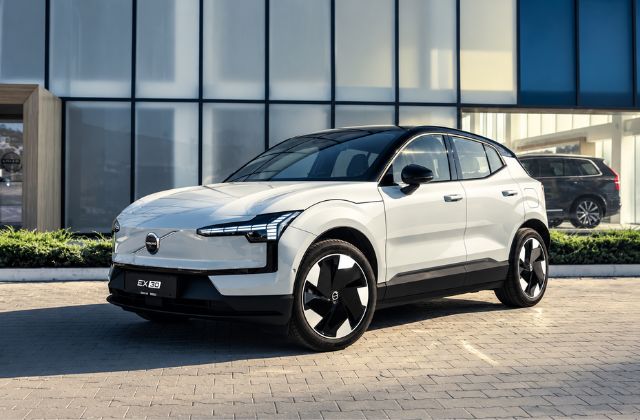
- New battery technology, featuring better cathodes, anodes, electrolytes, and cell design, increases cycle life.
- Liquid-cooled and liquid-heated battery systems work to keep cells within a target temperature range. This is especially important in hot climates like most of India.
- More efficient battery management systems balance the cells, limiting dangerous charge levels, and controlling the release of power.
- Updates via internet can enhance efficiency and battery safety with time.
- Efficient motors, better aerodynamics, low-rolling-resistance tyres, and regenerative braking cut energy use per kilometre.
LFP vs NMC: Which Battery Lasts Longer?
|
Feature |
LFP |
NMC |
|---|---|---|
|
Cycle Life |
Very high |
High |
|
Daily Charge Limit |
Usually up to 100% |
80% recommended |
|
Energy Density |
Moderate |
Higher |
|
Heat Tolerance |
Strong |
Good, needs cooling |
|
Cost |
Lower |
Higher |
|
Best For |
City and daily commuting |
Long-range performance |
LFP suits owners who like to charge to 100% regularly, while NMC rewards moderate charge limits for daily use.
Factors That Affect Range Retention
|
Factor |
Impact |
Best Practice |
|---|---|---|
|
Charging Habits |
Frequent 100% charges and constant DC fast charging speed up ageing |
Use AC home charging daily |
|
Climate |
Sustained heat stresses battery cells |
Park in shade or a garage |
|
Driving Style |
Hard acceleration raises battery stress |
Drive smoothly, use regeneration |
|
Storage State |
Long periods at 0% or 100% accelerate ageing |
Keep charge near 50% when parked long |
|
Cooling System |
Liquid-cooled packs age more gracefully |
Prefer liquid-cooled models |
Also Read: BaaS (Battery as a Service): What It Is & How It Works
Battery Degradation vs Real-World Range Loss
Not every drop in range points to a weaker battery. Temperature, speed, air conditioning use, payload, and road conditions all change daily range.
|
Cause |
Type of Loss |
Reversible? |
|---|---|---|
|
Battery Ageing |
Permanent capacity loss |
No |
|
Cold Weather |
Temporary range drop |
Yes |
|
Highway Speeds |
Higher consumption |
Yes |
|
Heavy AC Use |
Higher consumption |
Yes |
|
Underinflated Tyres |
Efficiency loss |
Yes |
To judge long-term health, check the battery's SoH reading rather than the efficiency of a single trip.
Should You Buy an EV for Its Range Retention?
Buy it if you:
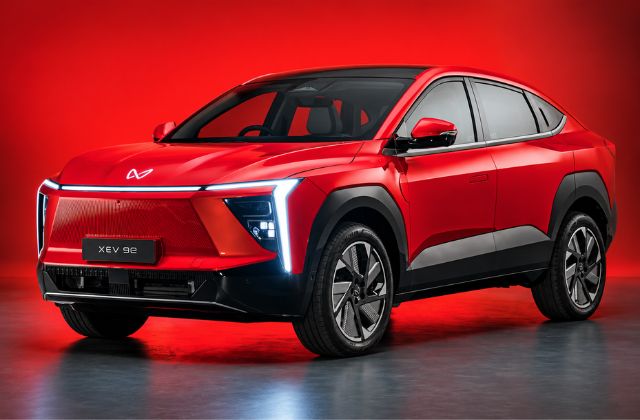
- Plan to keep the EV for eight years or more and want predictable battery performance
- Want strong resale value backed by proven battery longevity
- Have access to home AC charging for daily use
- Prefer a model with liquid cooling and a long battery warranty
Think before buying if you:
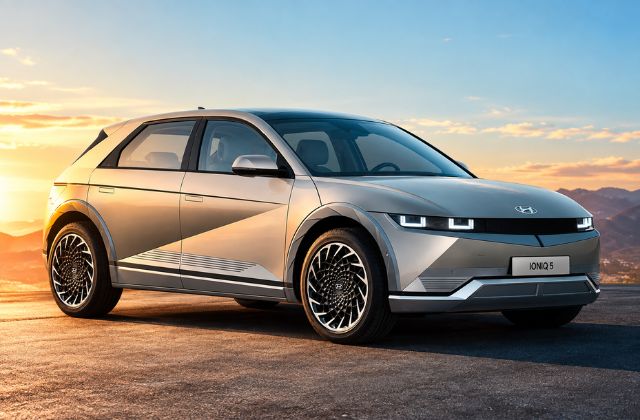
- Depend on DC fast charging every day, since it speeds up battery ageing
- Live in an extremely hot region and are considering a model without active cooling
- Are buying a used EV without a battery health report
Conclusion
Superior range retention has made electric vehicles a dependable long-term purchase, with most modern EVs keeping 80-90% of their original capacity after a decade. Sensible charging, limited fast charging, and regular battery health checks can help owners enjoy lower running costs and stronger resale value.
Frequently Asked Questions
Aakash Mehra
Automotive Journalist & Car Reviewer. Aakash Mehra is a seasoned automotive journalist with over 9 years of experience in car journalism and consumer-focused reviews. Having test-driven more than 550+ vehicles, he delivers detailed comparisons, expert insights, and unbiased advice to help readers confidently choose the right car.