Table of Content
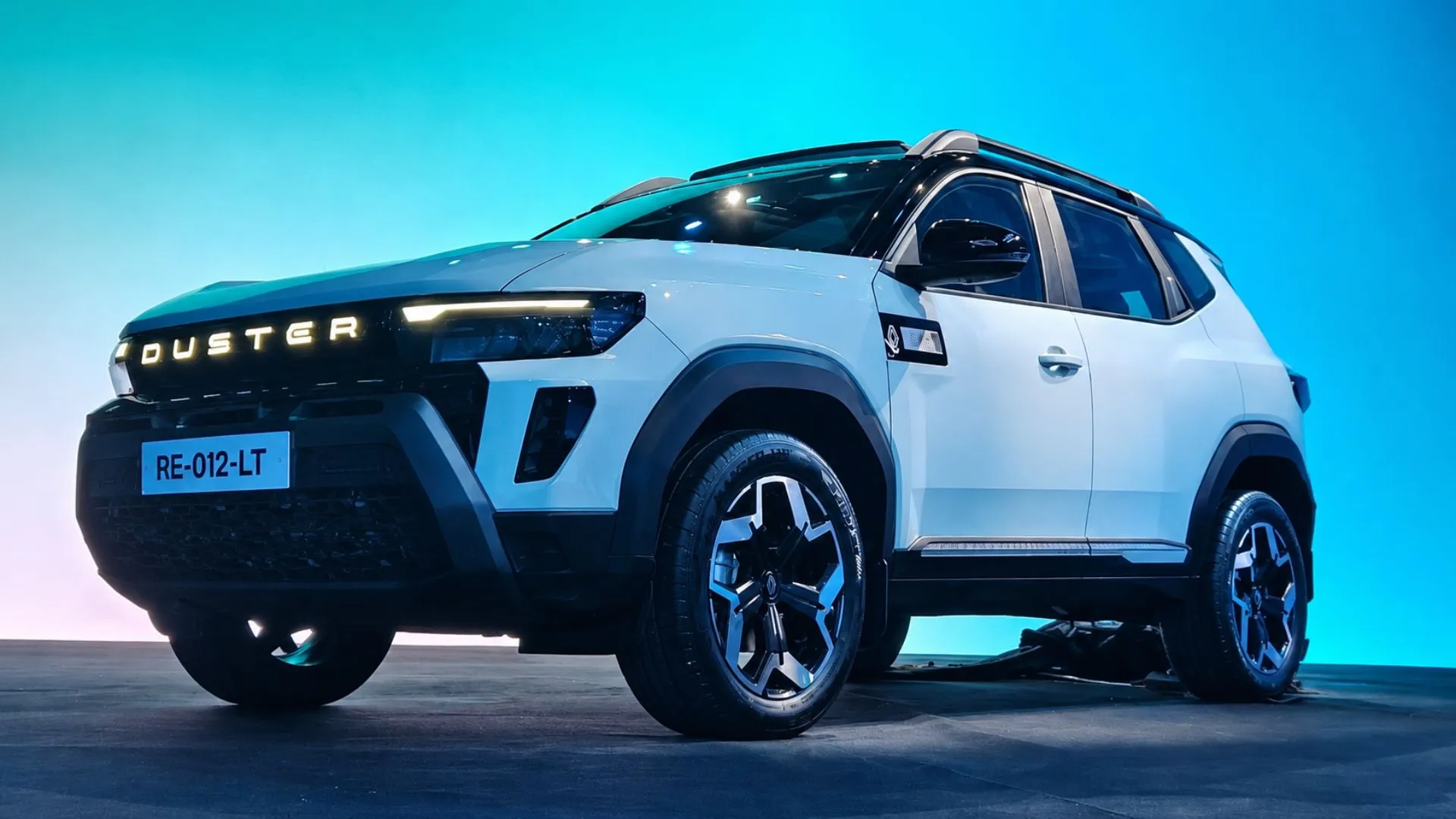
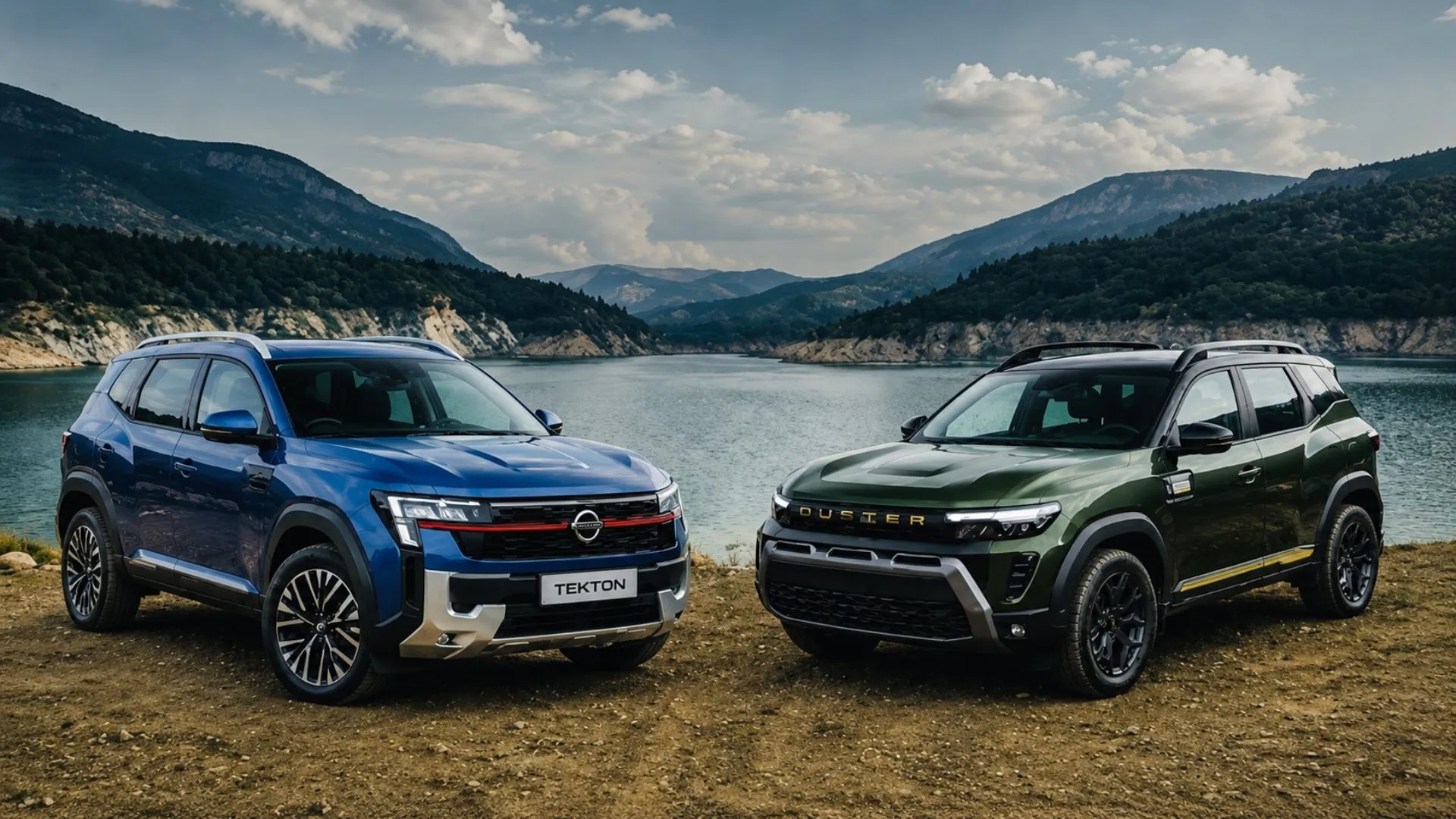
▼The new-generation Renault Duster was expected to revive Renault's fortunes in India. Instead, sales have moved sharply in the opposite direction, falling from 1,267 units in May to 1,011 in June and just 512 in July, the Duster's lowest monthly volume since launch. The timing is notable: Nissan's mechanically related Tekton entered the market in July and sold 1,670 units in its first month, more than three times the Duster's volume.
Where Does the Duster Stand?
The Duster cannot be said to be actually bad car. It is characterized by effective handling and smooth performance. The 212 mm of ground clearance and the engine of 1.3 liters of turbo petrol with the reasonable output of 160 bhp and 280 Nm of torque together with a great set of benefits. There are plans to introduce the 1.8-liter engine.
The problem is that the Duster no longer has the clear USP the original once had. The first version of the Duster was released in a market with few options, featuring a strong build, good ride characteristics, a capable diesel engine, and, subsequently, AWD. In present times, customers have many more choices such as the Hyundai Creta, Kia Seltos, Tata Sierra, Maruti Suzuki Victoris, Toyota Urban Cruiser Hyryder, Skoda Kushaq, and Volkswagen Taigun.
The Duster had to face such rivals without a diesel engine, AWD, or hybrid. Its engine option was the capable 1.3-litre turbocharged engine, but the overall powertrains on offer still lack in variety.
The Hybrid Opportunity: Timing Is Everything
.jpg)
Due to the strong hybrid, Duster may gain a huge benefit over competitors and even Tekton, as now, instead of just matching others when it comes to features and performance, Renault can promote the Duster as a remarkably strong hybrid SUV with very attractive driving characteristics, thus ensuring better positioning and higher chances of appeal to prospective customers.
However, timing is crucial here. Renault effectively launched its comeback product without the powertrain that could have given it the strongest USP. The hybrid also needs to be competitively priced and readily available, if it arrives as an expensive, low-volume variant, it won't solve the larger problem.
The Family Buyer Can't Be Ignored
Driving dynamics of the Duster are definitely one of its strong points, but that does not hold for the average midsized SUV buyer. Instead, rear-seat comfort, cabin space, efficiency, comfort and experience all contribute towards the decision-making process, and thus, the Duster will have to strike a balance between its fanboy appeal and practicality. This matters even more because the competition has become very good at ticking those exact boxes.
Renault's Bigger Problem Is the Brand
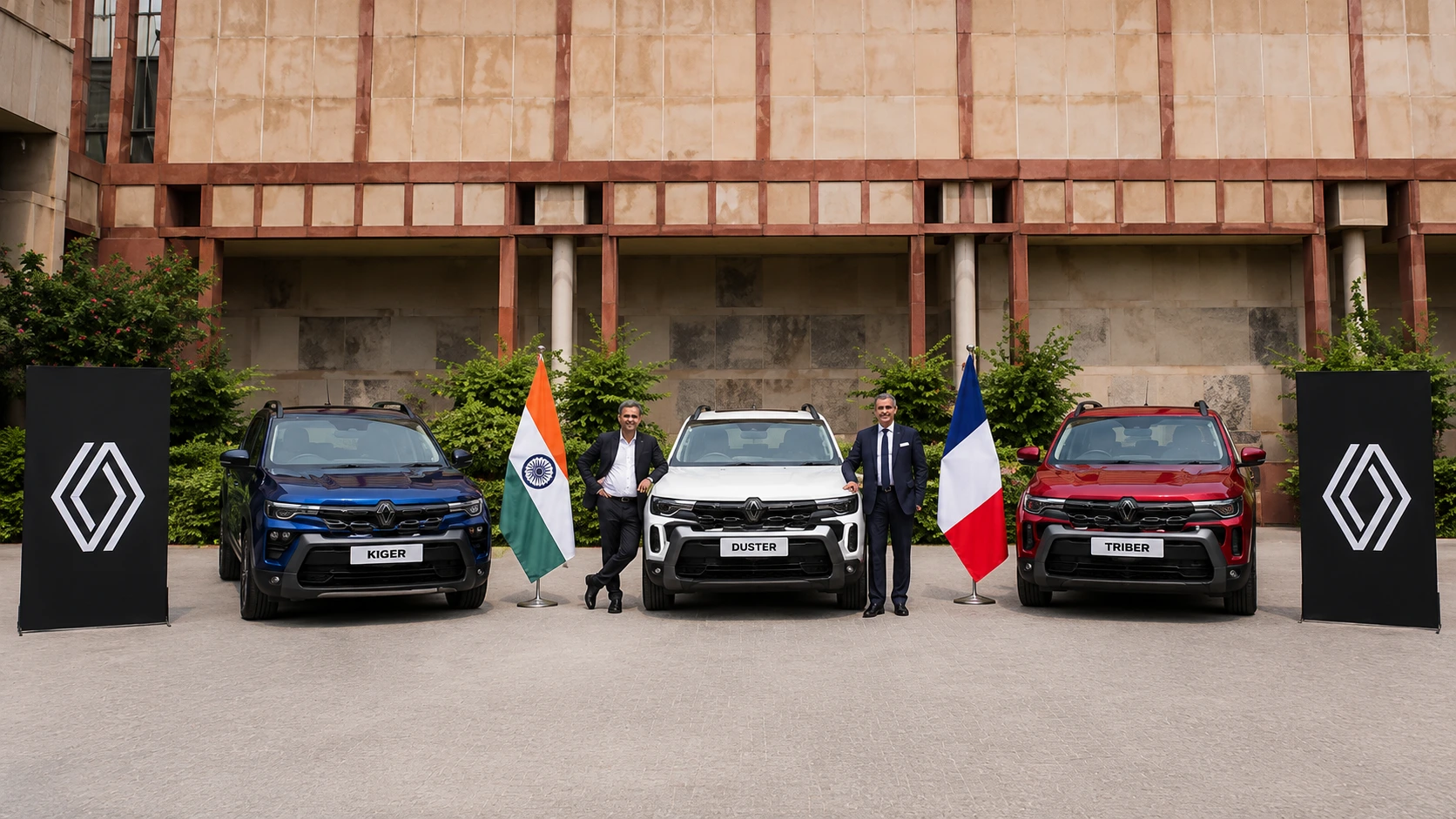
The Duster is also carrying the weight of Renault's relatively weak position in India. The brand no longer has the showroom presence or market visibility it enjoyed during the original Duster's peak. For a customer spending Rs. 15-20 lakh, a smaller dealer and service network can become a significant consideration, particularly when established rivals offer much wider coverage. Renault, in effect, isn't simply selling a new SUV, it's asking customers to put their confidence back in the brand.
Enter the Tekton
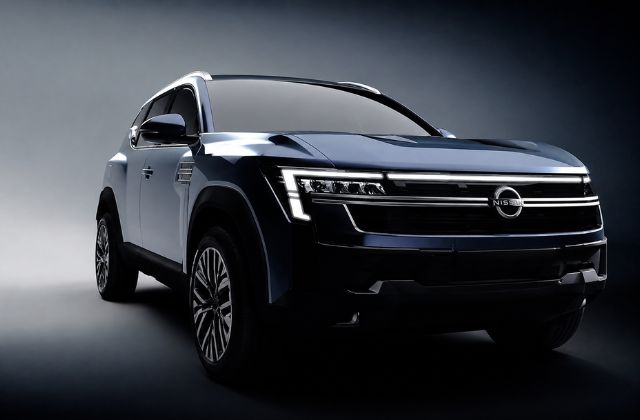
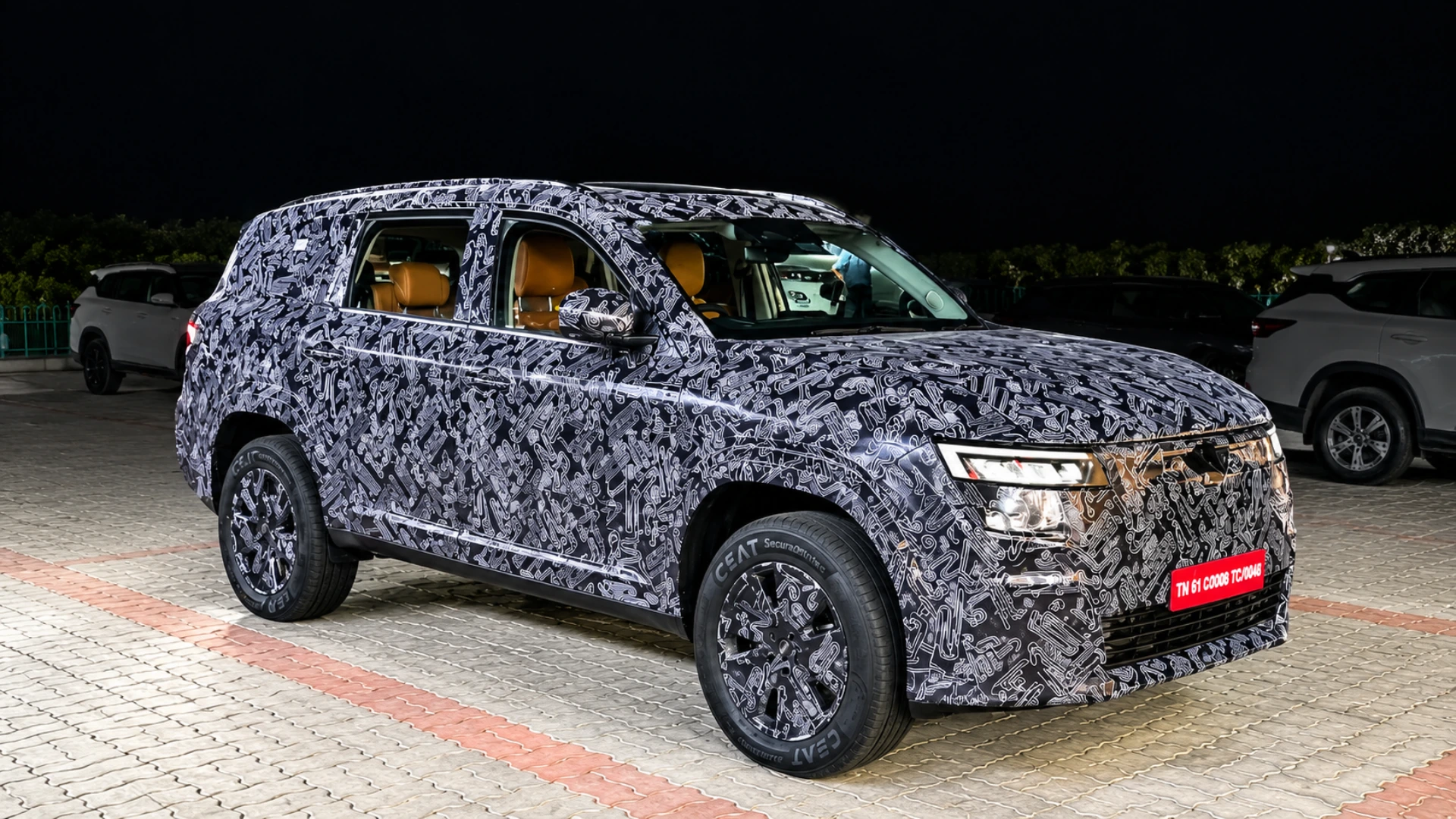
The Nissan Tekton makes this situation genuinely more interesting. It shares much of its underlying architecture and powertrain family with the Duster, but Nissan has given it a distinct identity. Its Patrol-inspired design, more aggressive styling and premium positioning give it a different emotional appeal, and its July debut of 1,670 units, compared with just 512 Dusters, is encouraging for Nissan.
It's too early to call this cannibalisation, particularly because the Tekton would naturally benefit from launch demand. However, the numbers highlight a genuine potential problem for Renault: if two SUVs share much of their engineering, they need very clear reasons to choose one over the other. At present, the Tekton's proposition is relatively straightforward, a fresh, rugged and premium-looking Nissan SUV with turbo-petrol powertrains. The Duster's strongest differentiator is likely to become its hybrid powertrain, and that distinction needs to be made much clearer.
Strengths and Weaknesses
|
Duster Strengths |
Duster Weaknesses |
|---|---|
|
Strong driving dynamics and ride quality |
Limited powertrain choice |
|
Powerful 1.3-litre turbo-petrol |
No diesel or AWD |
|
212mm ground clearance |
Hybrid missing at launch |
|
Strong-hybrid option on the way |
Weaker brand and dealer network |
|
Excellent name recognition |
No clear USP against established rivals |
|
Tekton Strengths |
Tekton Weaknesses |
|---|---|
|
Fresh design and Nissan SUV identity |
Needs to prove sustained demand beyond launch |
|
Strong first-month sales |
Nissan's dealer and service network remains a concern |
|
Same proven underlying architecture |
Significant overlap with Duster could create internal competition |
|
1.3-litre turbo with DCT option |
|
|
Potentially stronger emotional appeal |
What Renault and Nissan Need to Do
For Renault, simply cutting prices isn't the answer, it needs to make the Duster more desirable.
- Bring the hybrid quickly: Make it the centrepiece of the Duster range rather than just another top-end variant
- Get the pricing right: The Duster needs a stronger value proposition, particularly at the higher end where larger and more established SUVs enter the picture
- Improve the ownership experience: Expand the dealer and service network and make after-sales support a stronger part of the brand proposition
- Sharpen the positioning: Stop relying solely on Duster's legacy, the new car needs a contemporary reason to exist
- Differentiate it from Tekton: Let Nissan focus on ruggedness, design and premium appeal, while Renault owns the hybrid and driving experience
For Nissan, the immediate priority is different: prove that the 1,670-unit debut isn't just a launch spike. Sustained sales would show that the Tekton has genuinely found a market and that Nissan can rebuild its presence in India.
Conclusion
The Renault Duster vs Nissan Tekton situation offers a genuinely intriguing starting point rather than a settled outcome. The Tekton proved that the solution indicates itself towards being beneficial in attracting purchasers, and the next task is for Renault to provide people with good reasons for choosing Duster. In this way, the hybrid electric vehicle is the best answer, provided Renault offers it quickly and competitively in terms of pricing and brand proposition. It is possible for Renault and Nissan to differentiate their respective products, which would allow them to target separate customers and achieve significant success.
Karan Bhatia
Karan Bhatia is an automobile expert and reviewer with 8+ years of experience test-driving cars, bikes, and EVs. He provides honest, detailed, and practical reviews that highlight performance, design, safety, and value for money. His expert insights help readers make confident choices when buying their next vehicle.