Table of Content
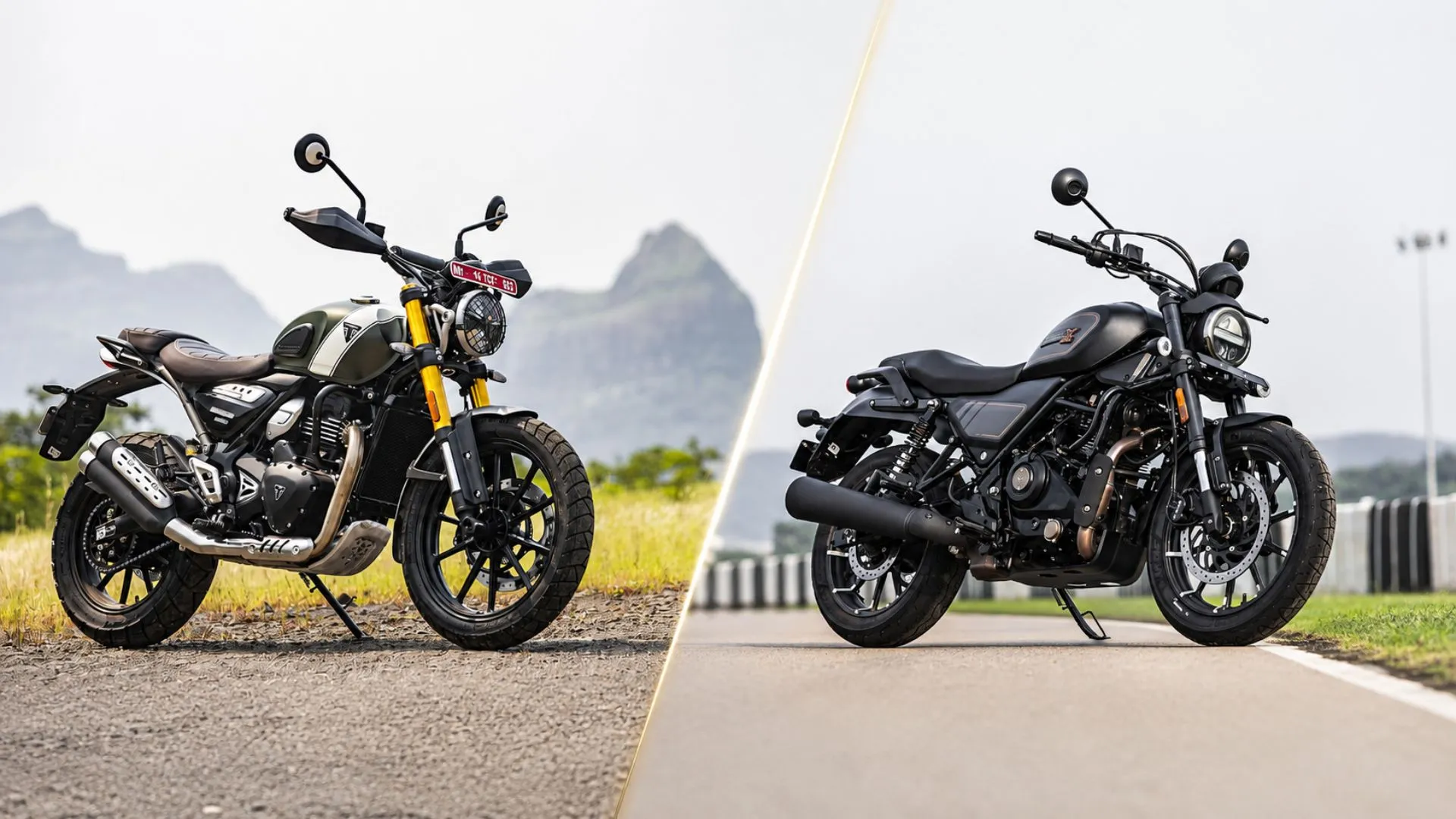
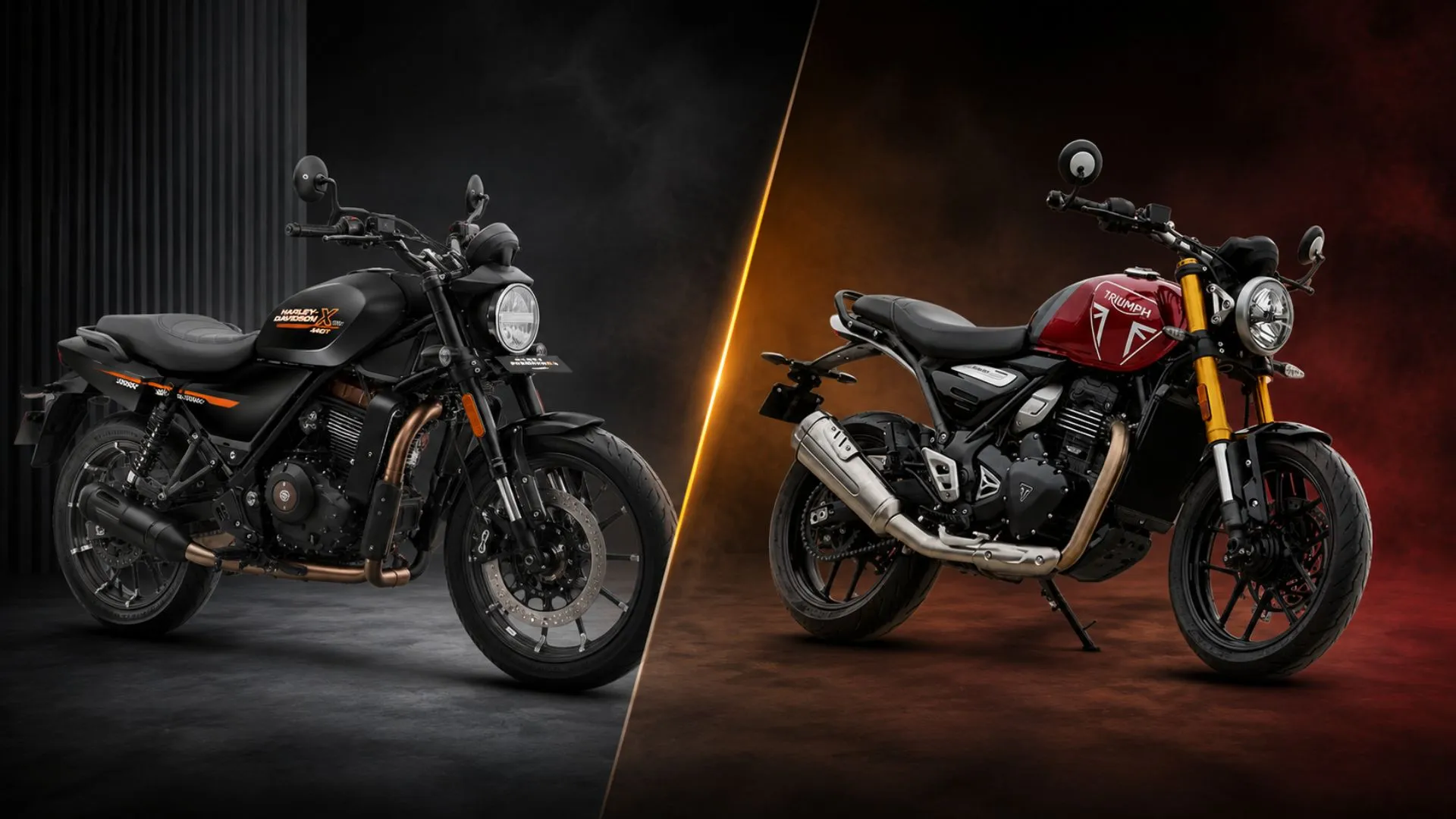
▼When it comes to the sub-450cc retro segment, the tussle of Harley-Davidson X440T vs. Triumph Speed 400 stands out for riders trying to narrow down their choices in the cruiser and roadster world. In this review, the question that needs to be answered is whether the Triumph Speed 400 with its high compression motor and low price is value for money compared to the Harley-Davidson X440T with its amazing cruiser character and TFT instrument console.
There has always been confusion among buyers with respect to displacement: Triumph has adapted the Speed 400 to a lower cubic capacity of 349cc in 2026 to get into a lower GST bracket, so by calling it “400”, it does not correspond with the actual engine size and this is why this comparison has been made.
Engine Architecture and Power Delivery
From our technical standpoint, the central distinction between the two bikes is the energy production process. The Harley-Davidson X440T uses a 440cc single-cylinder engine that is air-cooled and oil-cooled in creating power in declining order while the Triumph Speed 400 is powered with a 349cc DOHC engine which is water-cooled and produces power at a higher level.
|
Feature |
Harley-Davidson X440T |
Triumph Speed 400 |
|---|---|---|
|
Engine Type |
440cc, Single-Cylinder, Air/Oil-Cooled |
349cc, Single-Cylinder, Liquid-Cooled, DOHC |
|
Maximum Power |
27.3 bhp |
37 PS @ 8,500 rpm |
|
Peak Torque |
38 Nm |
32 Nm @ 7,000 rpm |
|
Transmission |
6-Speed Gearbox |
6-Speed Gearbox |
|
Clutch |
Slipper Clutch |
Assist & Slipper Clutch |
Our analysis of the data shows that despite giving up roughly 90cc of displacement, the Speed 400 produces nearly ten additional horsepower, which suggests Triumph's liquid-cooled, higher-revving architecture extracts noticeably more performance per cc. The X440T counters with a torque advantage of 6 Nm, meaning it will likely feel stronger off the line and more relaxed at low RPM, particularly useful when crawling through city traffic or pulling away from a standstill on an incline.
Also Read: BSA Scrambler 650 vs Royal Enfield Bear 650: Is the ₹50k Savings Worth It?
Wheels, Suspension, and Handling
The chassis approach between these two motorcycles reflects their differing riding missions. The X440T runs an 18-inch front and 17-inch rear alloy wheel combination, while the Speed 400 sticks to a matched 17-inch setup at both ends.
|
Hardware Component |
Harley-Davidson X440T |
Triumph Speed 400 |
|---|---|---|
|
Front Wheel |
18-inch Alloy |
17-inch Alloy |
|
Rear Wheel |
17-inch Alloy |
17-inch Alloy |
|
Front Suspension |
USD Forks |
43mm USD Big Piston Forks |
|
Front Tyre |
MRF Zapper Hyke |
110/70-R17 |
|
Rear Tyre |
MRF Zapper Hyke |
150/60-R17 |
Based on our technical breakdown, the X440T has a larger front wheel, which helps with stability at highway speeds, but it also makes quick direction changes a bit slower, and that is pretty typical cruiser geometry. Now the Speed 400, with its 17-inch wheels, is built for quickness, so it can corner in a sharper way, and it tends to hold a line pretty steadily with very little rider mindfulness. If you ride mostly on highways, you might like that earthy , grounded kind of feel from the Harley, but if your thing is urban backroads and tighter turning, then the Triumph motorcycle could be the better fit for you.
Does the Tech Package Justify the Price Gap?
The instrument cluster is where the two bikes part ways in terms of ideology. The Harley-Davidson X440T features an entirely round TFT display that can be accessed via Bluetooth to show ride settings, traction control status, and the complete set of analogue and digital information. In contrast, the Triumph Speed 400 has an analogue-digital dash that includes a classic speedometer and a small LCD with the tachometer, fuel range, and gear indicator.
- The X440T Advantage: Bluetooth connectivity, switchable ride modes (Road and Rain), and traction control that can be toggled through the digital interface give the X440T a more modern, tech-forward ownership experience.
- The Speed 400 Advantage: The analogue speedometer keeps a classic, purist feel that many roadster enthusiasts prefer, and the simpler hardware likely contributes to the bike's lower price point without sacrificing core safety features like dual-channel ABS and traction control.
Weight, Colours, and Everyday Accessibility
Both motorcycles are built to be approachable for a wide range of riders, though their on-road character differs once you factor in weight and available finishes.
|
Dimension |
Harley-Davidson X440T |
Triumph Speed 400 |
|---|---|---|
|
Kerb Weight |
192 kg |
179 kg |
|
Colour Options |
Pearl Blue, Pearl Red, Pearl White, Vivid Black |
Carnival Red/Storm Grey, Caspian Blue/Storm Grey, Phantom Black/Storm Grey |
|
Fuel Efficiency |
Approx. 30 kmpl |
Approx. 28 kmpl |
Based on our analysis, the Speed 400’s lighter weight of 13 kg manifests itself into better low-speed handling and easier filtering through traffic, while the additional mass of the X440T lends it a much more stable cruisery feel when riding on the highway. In terms of colours, Harley offers only plain Pearl and Vivid finishes in line with its cruiser design language, while Triumph offers attractive dual-tone colour schemes inspired by its world roadsters.
Critical Analysis: Where Can These Motorcycles Improve?
The Harley-Davidson X440T: While the added electronics over the standard X440 are welcome, the air/oil-cooled engine still runs warmer in stop-and-go traffic compared to liquid-cooled rivals, and the higher kerb weight can feel noticeable for shorter or less experienced riders during low-speed manoeuvres. The premium over the standard X440 also raises the question of whether the sportier styling and added tech justify the price step-up.
The Triumph Speed 400: The most significant deduction here is the missing Bluetooth connectivity on the instrument cluster, an omission that feels dated given competitors in this price bracket now offer smartphone pairing as standard. Additionally, the reduced 349cc displacement, while beneficial for tax purposes, means slightly less torque than before, which long-time Speed 400 owners upgrading from the earlier 398cc version may notice on steep inclines.
Also Read: Top 5 Harley-Davidson Bikes in India: Price, Specs & Buying Guide
The Price Gap
The financial argument leans firmly in Triumph's favour. Starting at approximately ₹2.40 lakh ex-showroom, the Speed 400 undercuts the X440T by roughly ₹40,000 to ₹45,000.
|
Pricing |
Range |
|---|---|
|
Harley-Davidson X440T |
₹2.84 Lakh |
|
Triumph Speed 400 |
₹2.40 Lakh |
For that savings, you lose the Harley badge, the Bluetooth-enabled cluster, and some low-end torque, but you gain a lighter, more agile motorcycle with a genuinely quicker engine. The X440T, meanwhile, offers the reassurance of Harley-Davidson's brand cachet and a more connected riding experience for those willing to pay the premium.
Which One Should You Buy?
After a thorough comparison, the right choice depends entirely on your riding priorities.
Buy the Harley-Davidson X440T if:
- You want relaxed, torque-rich cruising for highway touring
- You value a connected, Bluetooth-enabled TFT display with ride modes
- You prefer Harley-Davidson's brand presence and cruiser styling
Buy the Triumph Speed 400 if:
- You want a lighter, more agile bike for city and cornering use
- You are working with a tighter budget but still want strong performance
- You prefer a classic analogue-digital instrument layout over full digital connectivity
Conclusion
The Harley-Davidson X440T vs Triumph Speed 400 comparison kind of ends up being about what type of rider you are, really. The X440T is for the people who want that torque leaning cruiser feel, with modern bits and that Harley badge kind of pride. Meanwhile the Speed 400 feels more like it suits anyone chasing a nimbler, more budget friendly roadster vibe. In the end, both motorcycles show real movement in India’s retro scene, they prove that sub 450cc machines don’t have to compromise on either build quality or outright performance, not anymore.
Frequently Asked Questions
Tanya Bhargava
Bike Blogger & Moto Content Creator. Tanya Bhargava is a passionate two-wheeler expert with 6+ years of experience in reviewing scooters, commuter bikes, and performance motorcycles. Her content blends real-world ride reviews, buyer guides, and industry updates tailored for Indian riders.