Table of Content
▼- 7 Tyre Personalities Which One Are You Riding On?
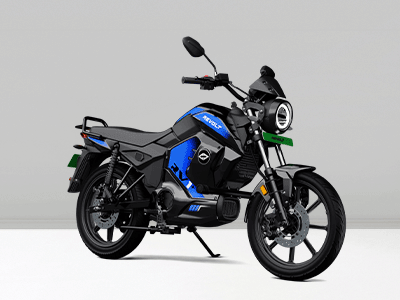
- 1. Street Commuter Tyres
- 2. Touring Motorcycle Tyres
- 3. Sport Touring Tyres
- 4. Performance Sport Tyres
- 5. Dual Sport Tyres (ADV Tyres)
- 6. Off-Road Knobby Tyres
- 7. Competition Track Slicks
- Quick Reference: Choosing the Right Tyre for Your Riding Style
- Conclusion
Your bike does not grip the road. Your Tyres do. Choose the wrong bike Tyres types and the best suspension, the sharpest brakes, and years of riding experience can all be undone in a single corner.
This guide outlines all the important types of bike Tyres in rider first language, so whether you commute regularly, explore highways, or challenge yourself on a track, you will know exactly what is supporting you.
7 Tyre Personalities Which One Are You Riding On?
All motorcycle Tyres are engineered with a certain rider in focus. Here are the seven essential types, what makes each one special, and the riders they are genuinely designed for.
1. Street Commuter Tyres
Engineered for frequent city riding, street commuter Tyres prioritize extended tread lifespan and fuel efficiency instead of ultimate grip. Here’s what distinguishes them:
- Hard rubber center strip for low wear on straight highways
- Dual compound design: softer rubber on shoulders for light cornering
- Motorcycle Tyre lifespan: 3,000 to 19,000 km
- Tubeless motorcycle Tyre construction, standard for convenience and safety
2. Touring Motorcycle Tyres
Built for heavy, long-distance machines that spend more time on the open road than in a garage:
- Reinforced carcass to handle heavy loads and long distances
- Excellent tread life rating and stable grip on wet roads
- Watch out for Tyre squaring off rotate regularly to prevent flat-spotting
3. Sport Touring Tyres
Sport touring Tyres are the Swiss Army knife of motorcycle rubber, built for riders who do it all. If your week includes a highway commute, a weekend canyon run, and maybe a track day, this Tyre was made for your garage:
- Triangular Tyre profile for aggressive cornering on twisty canyon roads
- Balances long haul durability with weekend sport riding confidence
- Best pick for motorcycle Tyre for commuting vs track crossover use
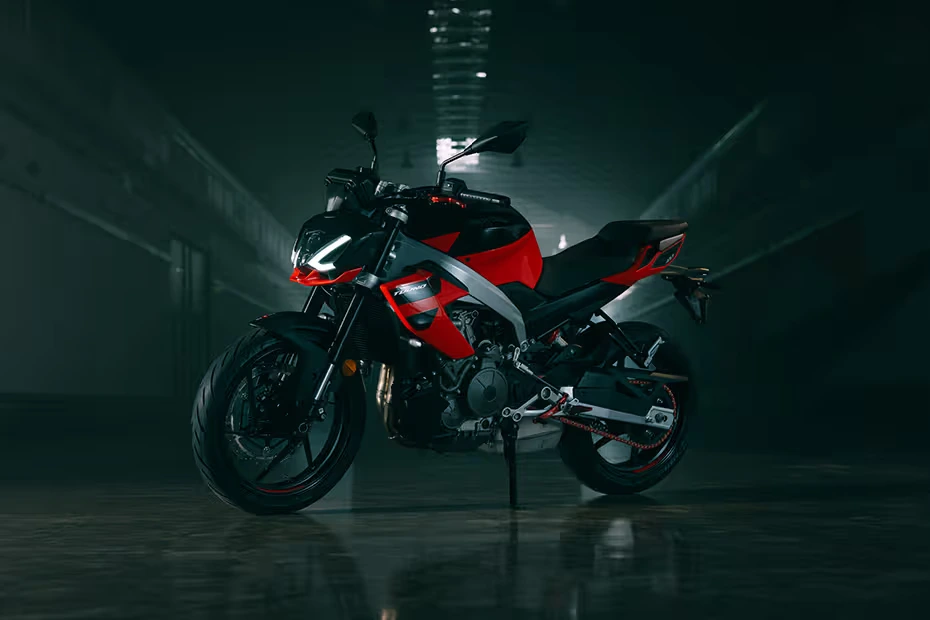
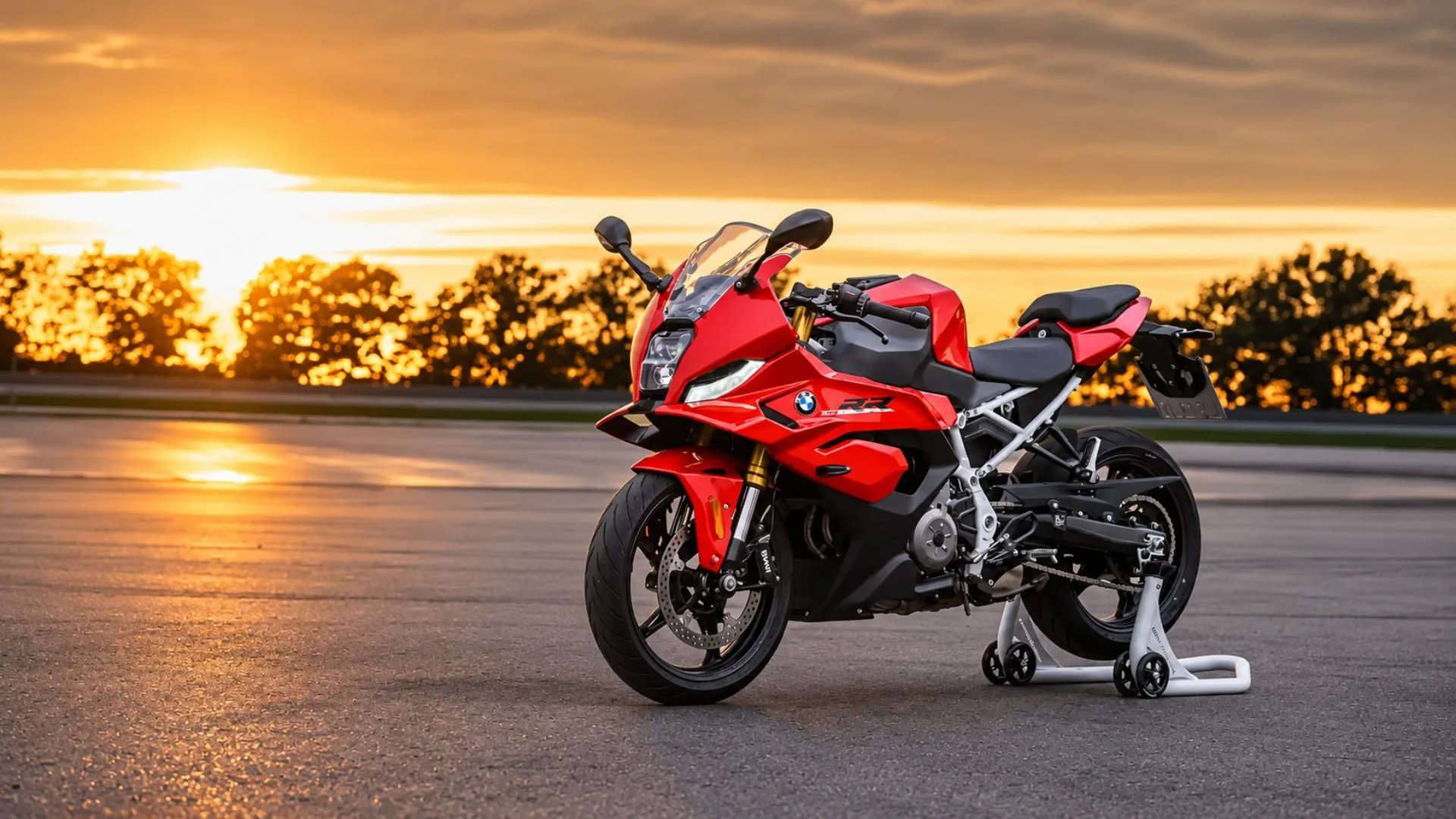
4. Performance Sport Tyres
For riders who treat every road like a qualifying lap, just know the fine print before you mount these:
- Motorcycle performance Tyre short lifespan: just 5,000 to 10,000 km
- Soft rubber shoulder grip: exceptional for canyon carving and aggressive cornering
- Need heat to perform: Tyre warmers for track use are strongly recommended
- Not suited for cold morning commutes or daily riding
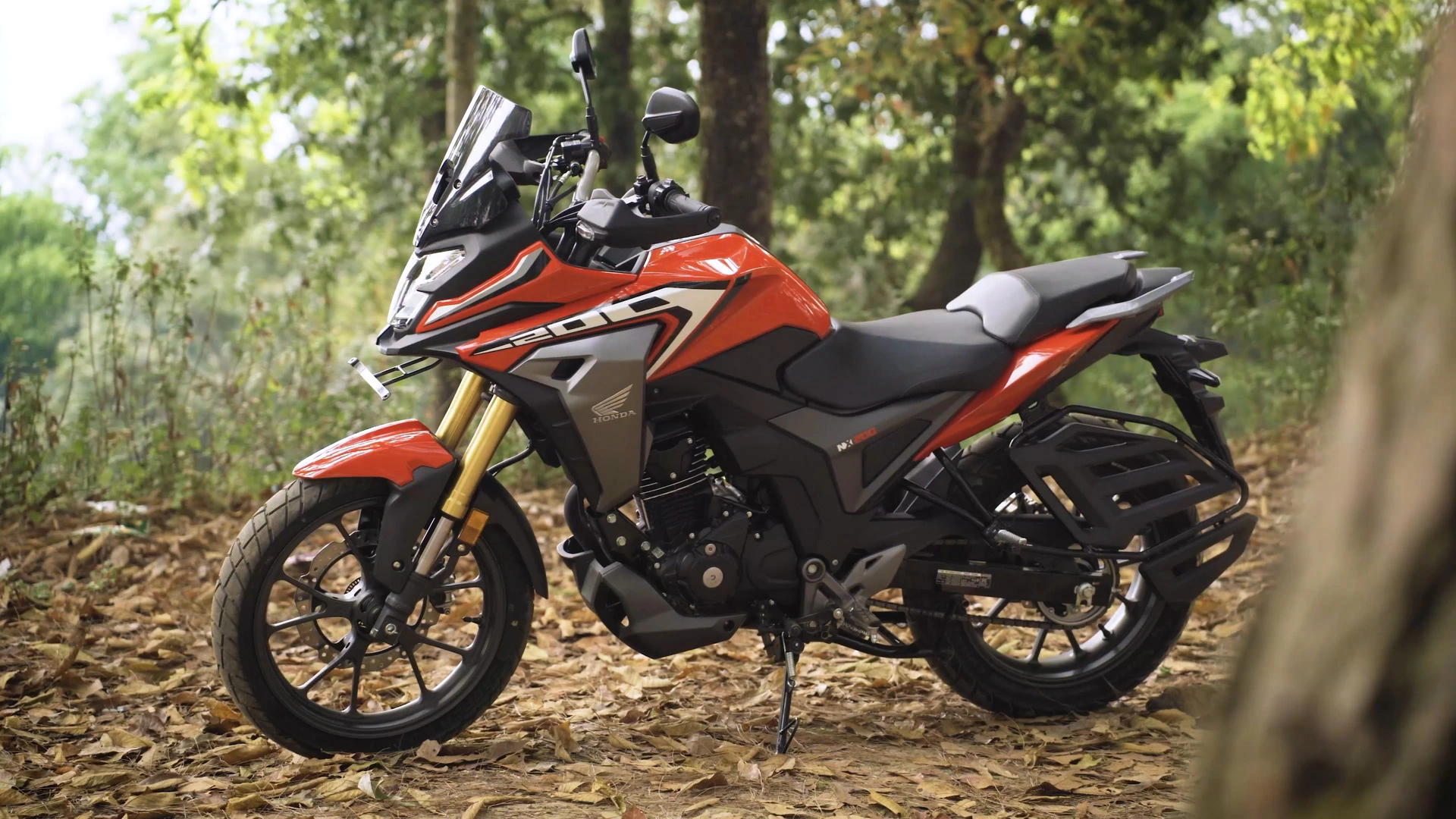
5. Dual Sport Tyres (ADV Tyres)
Built for the rider whose GPS says 'unpaved road ahead' and they smile instead of turning back:
- Dual sport Tyre on road off road ratio: 70/30 (road-biased) or 50/50 for mixed terrain
- Rubber knobs for gravel and dirt road grip while staying manageable on pavement
- Trade-off: Tyre noise on highway ADV riding increases with more aggressive knob patterns
6. Off-Road Knobby Tyres
Built for the rider who comes home with dirt in places they cannot explain:
- Deep rubber knobs channel mud, sand, and dirt away to maintain traction
- Not street-legal in most regions: wear extremely fast on pavement
- Bias ply construction preferred for flex and durability on rough, broken ground
7. Competition Track Slicks
For the rider who has run out of road to push and moved on to a closed circuit, here is what that commitment looks like:
- Larger contact patch equals to maximum grip on smooth asphalt at speed
- Motorcycle slick Tyres temperature requirement is strict: dangerously slippery below operating temp
- Used only on closed circuits by superbike competition riders
- Never suitable for public roads under any conditions
Quick Reference: Choosing the Right Tyre for Your Riding Style
- Daily commute: Street commuter or touring Tyres
- Long highway trips: Touring or sport touring Tyres
- Weekend canyon runs: Sport touring or performance sport
- ADV and adventure riding: Dual sport Tyres (choose ratio based on terrain split)
- Track days: Performance sport or slicks with Tyre warmers
- Off-road only: Knobby motocross Tyres
|
Factor |
Detail |
|---|---|
|
Best Tyre for Daily Commuting |
Street Commuter Tyres: hard center strip, dual compound, tubeless, 13,000–19,000 km |
|
Best Tyre for Long Highway Trips |
Touring Motorcycle Tyres: reinforced carcass, excellent wet grip, 15,000–25,000 km |
|
Best Tyre for Mixed Riding |
Sport Touring Tyres: triangular profile, canyon + highway balance, 10,000–18,000 km |
|
Best Tyre for Canyon / Track |
Performance Sport Tyres: soft rubber compound, maximum cornering, 5,000–10,000 km |
|
Best Tyre for ADV / Adventure Bikes |
Dual Sport Tyres: 70/30 or 50/50 ratio, gravel + road capable, 8,000–15,000 km |
|
Best Tyre for Off-Road / Motocross |
Off-Road Knobby Tyres: deep rubber knobs, mud/sand/dirt traction, 2,000–5,000 km |
|
Best Tyre for Closed Circuit Racing |
Competition Track Slicks: zero tread, max contact patch, 1,000–3,000 km |
|
Longest Tread Life |
Touring Motorcycle Tyres: up to 25,000 km |
|
Shortest Tread Life |
Competition Track Slicks: 1,000–3,000 km (circuit use only) |
|
Requires Tyre Warmers |
Performance Sport Tyres & Track Slicks: must reach operating temp before use |
|
Not Street-Legal |
Off-Road Knobby Tyres & Track Slicks: closed circuit / off-road only |
|
Best for Wet Roads |
Touring Motorcycle Tyres: stable grip, reinforced carcass, highway-rated |
Conclusion
So, You can tune your suspension, upgrade your exhaust, and remap your ECU, but if your bike Tyres types do not match your riding, none of it matters at the limit. Seven types, one right answer for your riding style. Find it, fit it, and feel the difference on the very first ride.
Utilize this bike Tyre buying guide to ensure your Tyre selection corresponds with your real riding habits, not just the details on your bike's spec sheet. The right Tyres make every journey safer, quicker, and more pleasurable.
Frequently Asked Questions
Street commuter tires: 13,000–19,000 km
Touring motorcycle tires: 15,000–25,000 km
Sport touring tires: 10,000–18,000 km
Performance sport tires: 5,000–10,000 km
Track slicks: 1,000–3,000 km (closed circuit only)
Sport touring tires balance cornering grip with long tread life: suited for mixed commuting and canyon riding
Performance sport tires maximize grip using soft rubber compounds: but wear out faster (5,000–10,000 km)
Performance sport tires require heat to activate full grip: not safe for cold-weather daily riding
Tanya Bhargava
Bike Blogger & Moto Content Creator. Tanya Bhargava is a passionate two-wheeler expert with 6+ years of experience in reviewing scooters, commuter bikes, and performance motorcycles. Her content blends real-world ride reviews, buyer guides, and industry updates tailored for Indian riders.