Table of Content
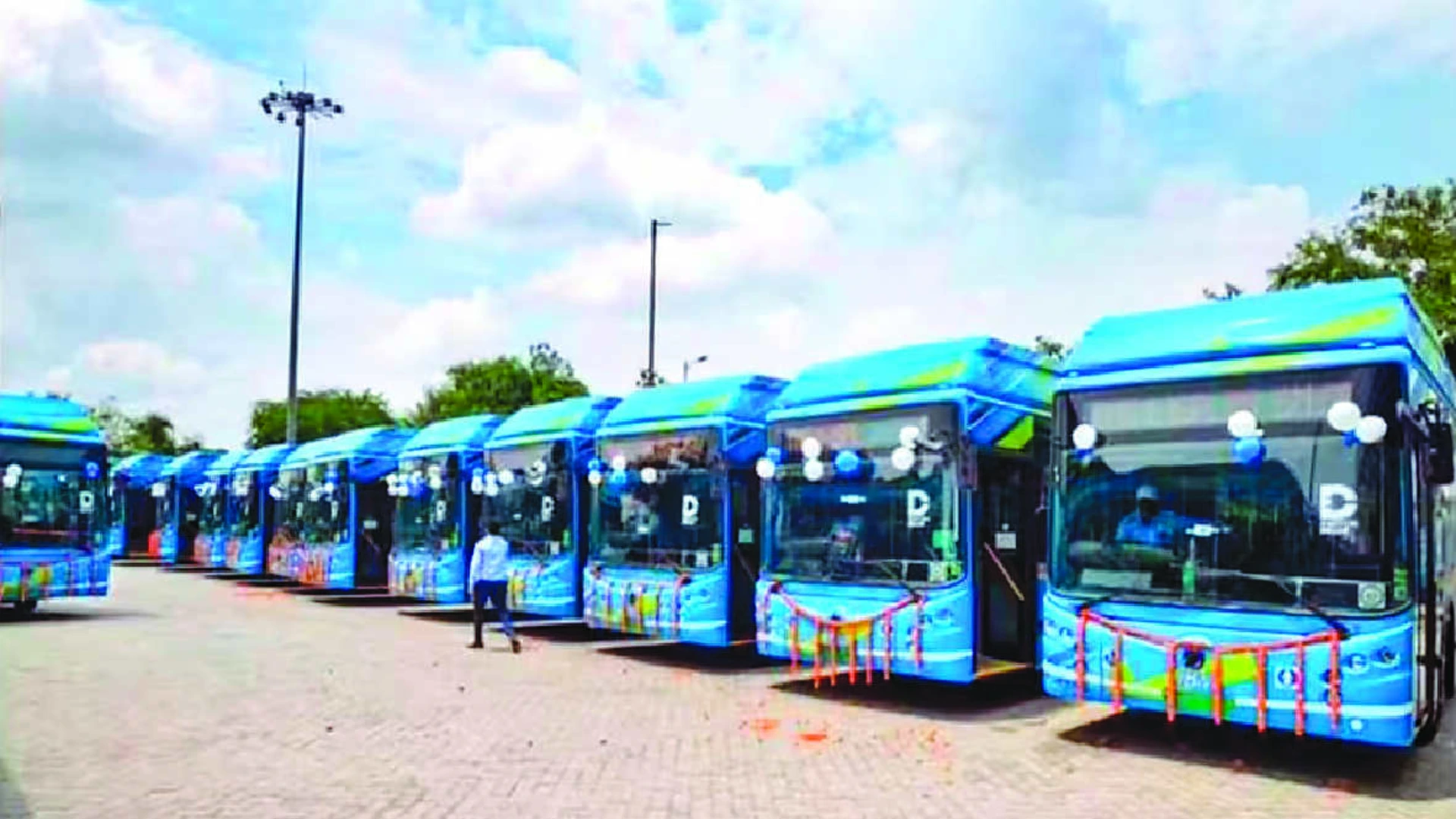
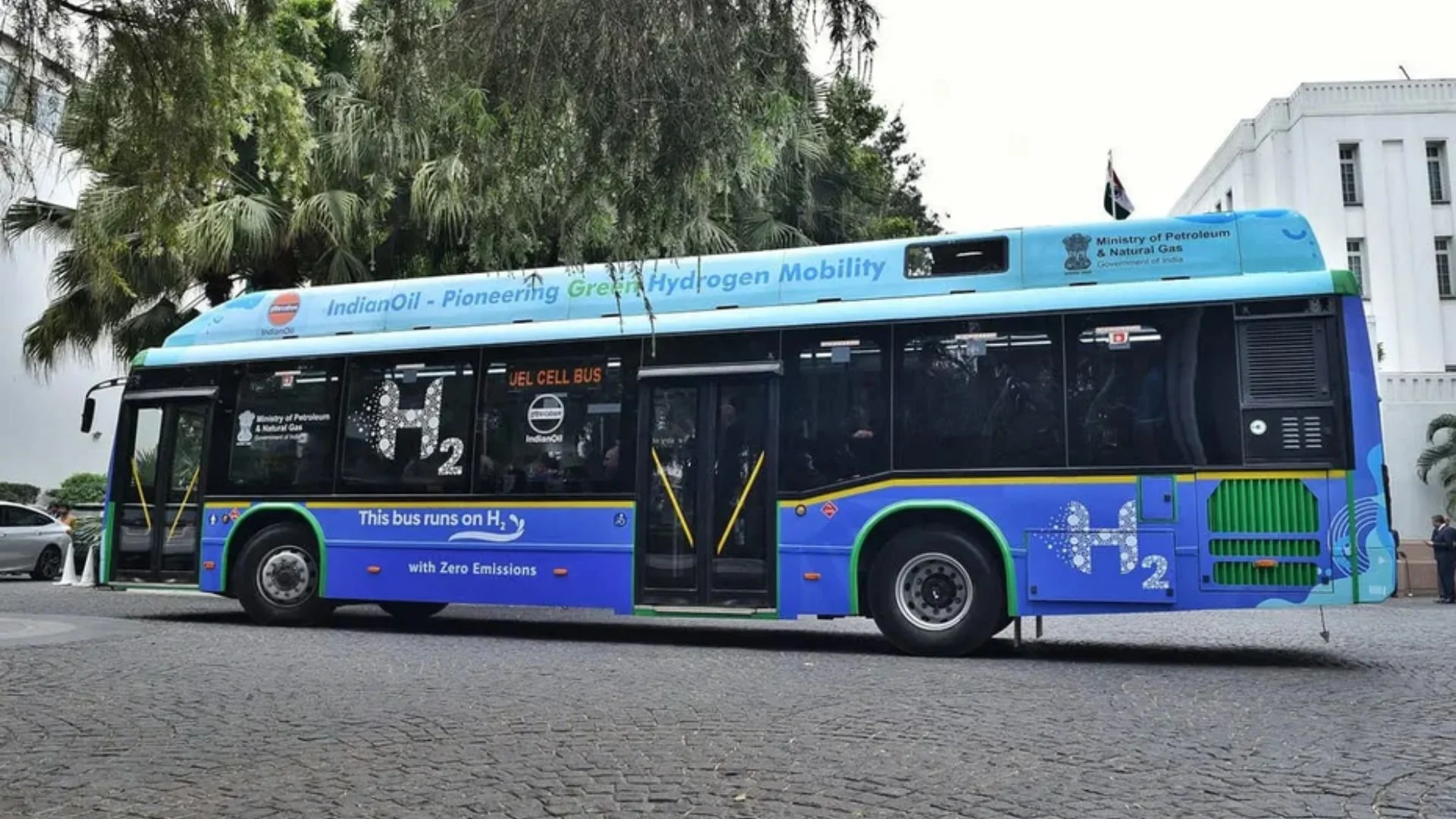
▼The Delhi Government is officially rolling out 200 new Electric Buses to upgrade the city transport system. This massive fleet expansion includes a brand new interstate service running between Delhi and Karnal, alongside 56 dedicated Ladies Special routes. By introducing these zero-emission vehicles, the government aims to strengthen public transport infrastructure, improve passenger safety, and accelerate the transition toward clean and sustainable mobility.
A Massive Boost to City Transport
Transport Minister Pankaj Kumar Singh confirmed that adding these 200 new Electric Buses will push the total electric fleet in the capital to 4938 units. This brings the overall number of public transport vehicles to approximately 6800, which includes 1750 CNG units.
The latest batch of eco-friendly vehicles features two different sizes to handle various route demands:
- 88 standard vehicles measuring 12 metres in length.
- 112 smaller DEVI vehicles measuring 9 metres for better navigation through crowded areas.
These low-floor, air-conditioned vehicles come packed with modern passenger amenities. Commuters will find CCTV cameras, panic buttons, real-time tracking systems, and specific accessibility features designed to help differently abled passengers. Looking ahead, the Transport Department expects the total public fleet to hit nearly 14000 vehicles by the 2028 to 2029 financial year.
The New Interstate Route to Karnal
One of the most exciting updates is the launch of five fully air-conditioned electric buses dedicated to the interstate corridor connecting Delhi and Karnal. This service will run 10 daily trips in each direction across a 133-kilometre one-way stretch.
The interstate journey starts from Maharana Pratap ISBT Kashmiri Gate and stops at several key locations before reaching Karnal:
- Singhu Border
- Rai and Bhalgarh
- Murthal and Ganaur
- Samalkha and Panipat
- Gharaunda and Madhuban
This new route joins the existing interstate electric operations that currently connect the capital with Baraut, Sonipat, Dharuhera, Panipat, and Rohtak.
Special Routes for Women and Students
To make daily travel safer and more comfortable for female commuters, the city is rolling out 56 dedicated women-only services. These are split into 30 Ladies Special trips operating on 15 high-demand routes, and 26 University Ladies Special trips covering 13 educational routes.
The university services will connect major residential areas with prominent institutions like Hindu College, Ramjas College, Daulat Ram College, LSR, Gargi College, and Hansraj College. To make these vehicles easily recognizable at terminals and bus stops, they will carry distinctive identification stickers.
Upgraded EV Charging Infrastructure
To support this rapidly growing electric fleet, the Transport Department has inaugurated a high-capacity public EV charging station at the DTC Rajghat Depot I.
|
Facility Detail |
Specifications |
|
Charging Capacity |
Four chargers of 240 kW each |
|
Infrastructure Cost |
Approximately Rs 5.5 crore |
|
Supported Vehicles |
Heavy commercial vehicles and cars |
|
Electrical Setup |
1600 KVA compact substation |
Conclusion
The latest initiative to introduce 200 new Electric Buses clearly highlights a strong commitment to environmental responsibility and public convenience. By launching the new interstate route to Karnal and prioritizing safety with dedicated women-only services, the transport network is becoming highly passenger-friendly. With continuous investments in high-capacity charging stations, the capital is steadily building a robust and future-ready public transport system.
Neha Mehlawat
Neha Mehlawat is an automotive journalist and industry analyst with 10+ years of experience covering cars, bikes, and mobility trends. She tracks the latest launches, technology upgrades, and policy changes in the auto sector, delivering sharp insights that help readers stay ahead in the fast-evolving world of automobiles.
_1783509992.webp)
_1786601855.webp)