Table of Content
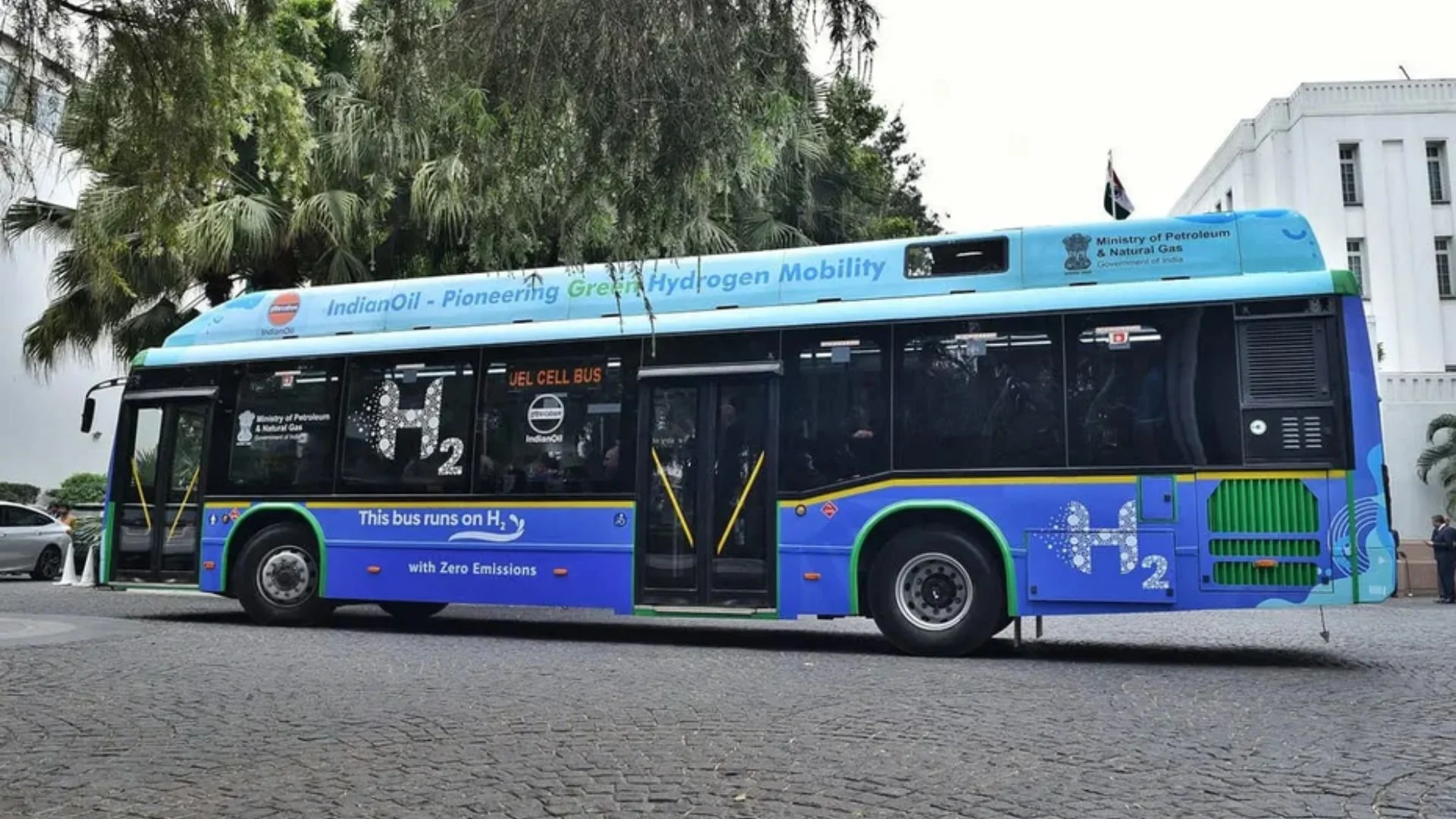
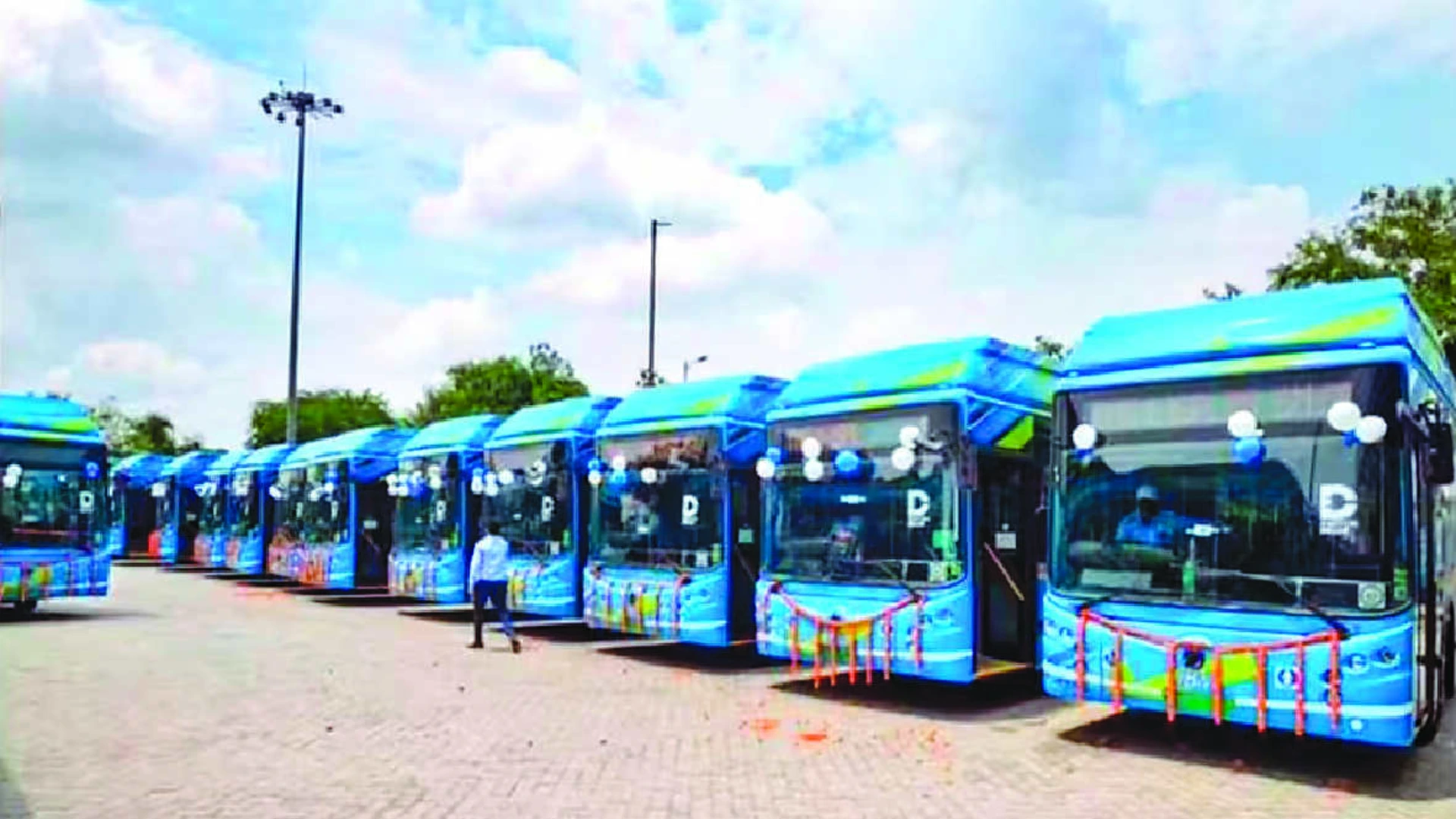
▼The Delhi Metro Rail Corporation (DMRC) has officially commenced operations of India's first hydrogen-powered integrated shuttle bus service in the Central Vista region. Launched in collaboration with the Union Ministries of Housing and Urban Affairs and Petroleum and Natural Gas, this high-tech transit system provides eco-friendly last-mile connectivity. Serving as a cleaner alternative to compressed natural gas (CNG), the zero-emission service aims to reduce traffic congestion and private vehicle dependence.
Cutting Edge Green Technology
The newly deployed shuttle buses utilize advanced Proton Exchange Membrane (PEM) fuel cell technology. Developed by Tata Motors and supplied to DMRC by Indian Oil Corporation Limited (IOCL), these vehicles create electricity through a chemical reaction between hydrogen and oxygen, leaving pure water vapor as the only tailpipe emission.
- Power Plant: Equipped with a high-efficiency 70 kW fuel cell stack.
- Fuel Storage: Utilizes a heavy-duty 350-bar hydrogen storage cylinder system.
- Capacity and Build: Features a standard 12-meter length with a comfortable seating capacity for 35 passengers.
- Safety Suite: Integrated with an electronic braking system, electronic stability control, real-time GPS tracking, and CCTV monitoring.
Routes, Timings, and Fare Structure
The service operates on all working days (Monday to Friday, excluding gazetted holidays) during peak office commuting hours. To maximize network efficiency, one bus runs in a clockwise loop while a second bus moves in an anti-clockwise direction.
Operational Timings
- Morning Shift: 8:30 AM to 12:30 PM
- Afternoon Shift: 3:30 PM to 6:30 PM
- Frequency: Scheduled departures arrive every 30 minutes.
Landmarks and Metro Stations Covered
The transit loop builds a seamless connection between the Central Secretariat and Seva Teerth Metro Stations, stopping at multiple iconic government centers:
- Kartavya Bhawan
- Vigyan Bhawan
- Nirman Bhawan
- Akbar Road
- Baroda House
- National Stadium
- National Gallery of Modern Arts
- India Gate
Digital Fare Payment Matrix
Passengers can complete ticket purchases via flexible transaction channels, choosing between cash, standard UPI, or the National Common Mobility Card (NCMC).
|
Travel Stage |
Ticket Price (INR) |
Primary Target Audience |
|
Short Distance / Core Central Vista Loop |
₹10 |
Daily Office Commuters |
|
Long Distance / End-to-End Interstation Hubs |
₹15 |
General Tourists and Visitors |
Is Hydrogen Better Than Existing CNG Fleets?
While hydrogen vehicles eliminate urban tailpipe pollution, making them theoretically superior to CNG, they face distinct near-term implementation hurdles.
Cleanliness
Hydrogen fuel cells release only harmless water vapor. In contrast, even though CNG is much cleaner than diesel, it still produces trace amounts of carbon dioxide and carbon monoxide.
Infrastructure Costs
CNG benefits from a massive, highly established pipeline and retail filling network across the National Capital Region. Hydrogen requires specialized high-pressure refueling hubs that are currently expensive to build and operate.
Fleet Scalability
This initial Central Vista project serves primarily as an operational benchmark. Until pure green hydrogen production scales up nationally, CNG will remain the backbone of mass public transit, with hydrogen acting as the ultimate next-generation stepping stone.
Conclusion
The debut of the DMRC hydrogen bus service is a historic milestone for India’s green mobility transformation. By establishing a zero-emission link across the high-profile Central Vista area, the project sets a technological benchmark for urban transport. While high procurement costs and refueling infrastructure mean it will not completely phase out CNG overnight, this launch is a critical real-world validation of hydrogen power as a practical, clean, and quiet alternative for city fleets.
Neha Mehlawat
Neha Mehlawat is an automotive journalist and industry analyst with 10+ years of experience covering cars, bikes, and mobility trends. She tracks the latest launches, technology upgrades, and policy changes in the auto sector, delivering sharp insights that help readers stay ahead in the fast-evolving world of automobiles.
_1783509992.webp)
_1786601855.webp)