_1783509992.webp)
Table of Content
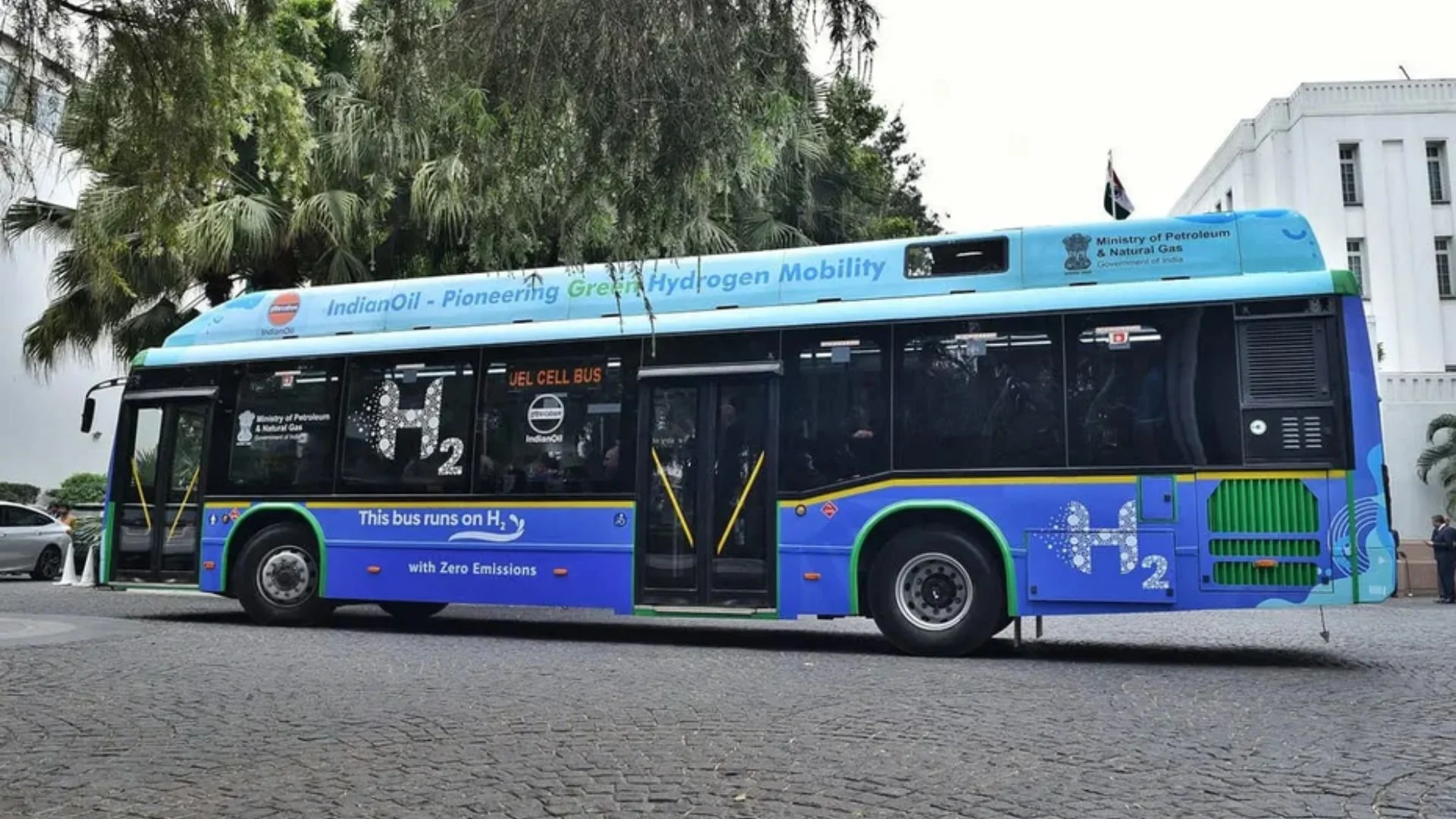
▼Union Minister of Road Transport and Highways Nitin Gadkari recently announced that public buses in Delhi may soon operate on hydrogen fuel produced entirely from segregated municipal waste. Speaking at a youth conclave in the capital, he detailed a visionary plan where biodigesters will convert city garbage into clean hydrogen fuel. This initiative aims to simultaneously eliminate massive landfill waste and provide green energy for urban public transportation.
The Vision for Garbage Made Hydrogen
India is actively exploring alternative fuels to reduce its reliance on imported crude oil and combat rising urban pollution. According to Nitin Gadkari,ri the solution to vehicular emissions and overflowing city dumps could be deeply interconnected.
Transforming Municipal Waste into Clean Energy
The proposed system involves collecting municipal solid waste and segregating it systematically. This organic waste will then be processed through industrial biodigesters to generate clean hydrogen. Once produced, this hydrogen will be supplied to fuel stations powering the next generation of public transport buses across the national capital.
When questioned by skeptics about the feasibility of this technology, the minister expressed immense confidence. He stated that in the last fifty years his technological predictions and infrastructure visions have consistently become reality.
Economic and Environmental Benefits
Converting municipal garbage into a highly valuable automotive fuel presents multiple advantages for both the environment and the economy.
- Tackling Urban Pollution: Hydrogen combustion produces only water vapor, eliminating harmful tailpipe emissions in highly polluted cities like Delhi.
- Landfill Eradication: Processing daily waste into fuel prevents the expansion of massive city landfills.
- Wealth Creation from Waste: Municipalities can transform a costly disposal problem into a lucrative revenue stream.
Clearing Landfills and Generating Revenue
The government is already utilizing waste in massive infrastructure projects. Nitin Gadkari revealed that approximately eight million tons of garbage from various landfill sites in Delhi have already been repurposed for constructing new expressways.
He also shared an area real-worldample of wealth generated from waste management. In his own parliamentary constituency, the local municipal corporation successfully earns around Rs 325 crore annually simply by treating and selling wastewater. The ultimate national goal is to completely eliminate legacy garbage dumps across the country by the year 2027.
Current Hydrogen Initiatives in India
The push for hydrogen-poweredd public transport is already gaining momentum under the National Green Hydrogen Mission. The table below highlights key data regarding ongoing hydrogen mobility projects in the country:
|
Project Detail |
Data and Figures |
|
Total Pilot Projects |
5 Approved Projects |
|
Vehicles Involved |
37 Hydrogen-Powered Vehicles |
|
Refueling Infrastructure |
9 Hydrogen Stations |
|
Government Funding |
Rs 208 Crore |
|
Target Completion |
Nationwide Garbage Elimination by 2027 |
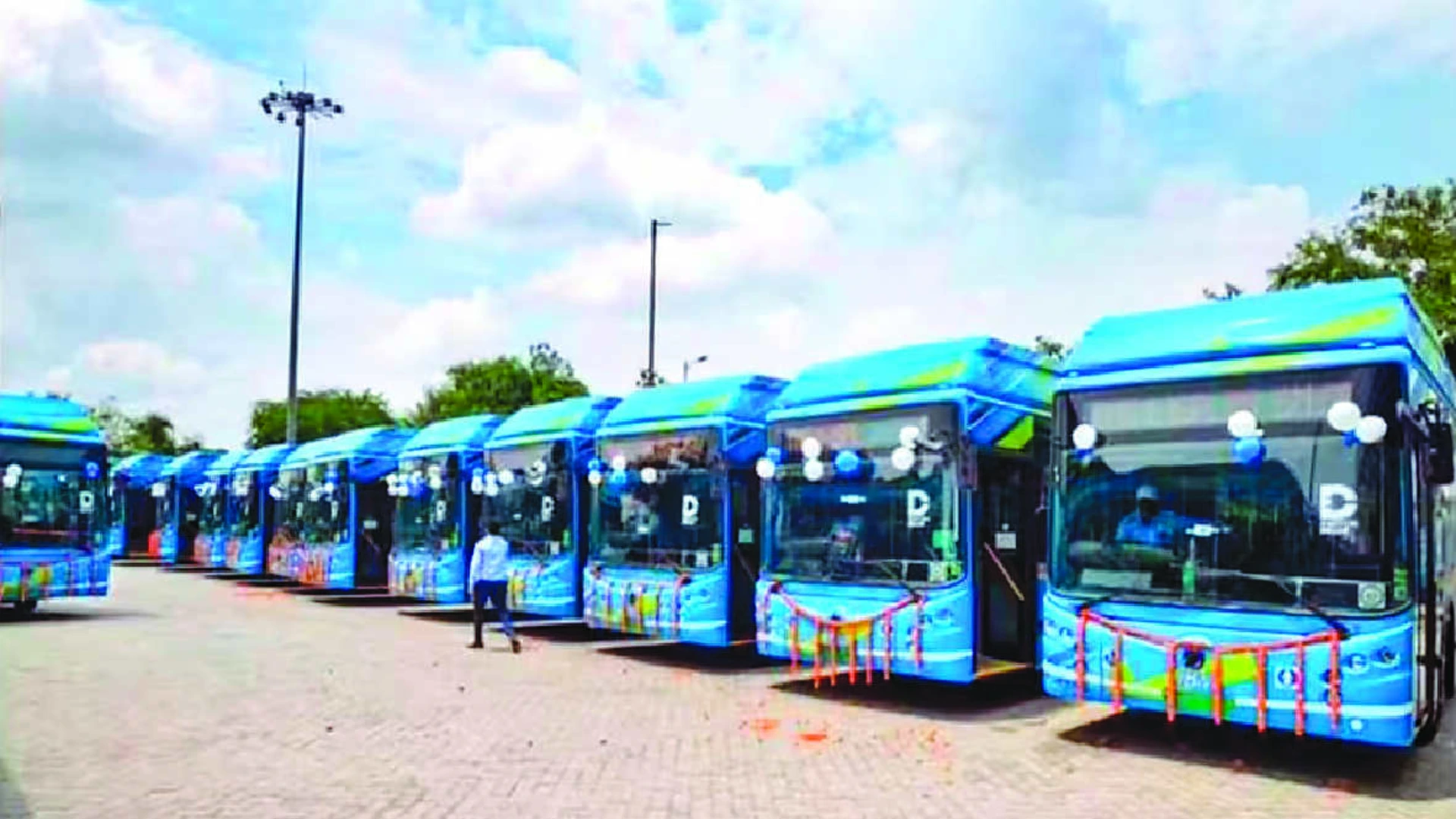
Major automotive and energy players, including Tata Motors, Reliance Industries, Ashok Leyland, and NTPC, are actively participating in these government-backed pilot programs. Delhi has already commenced testing hydrogen fuel cell buses in collaboration with the Delhi Transport Corporation.
Conclusion
The bold announcement by Nitin Gadkari highlights a transformative approach to two of the biggest challenges facing modern Indian cities, which are mounting waste and severe air pollution. By turning garbage into clean hydrogen fuel, the government aims to create a sustainable circular economy. If successfully implemented, this technology will not only clean up the streets of Delhi but also pave the way for a greener and more self-reliant public transportation network across India.
Neha Mehlawat
Neha Mehlawat is an automotive journalist and industry analyst with 10+ years of experience covering cars, bikes, and mobility trends. She tracks the latest launches, technology upgrades, and policy changes in the auto sector, delivering sharp insights that help readers stay ahead in the fast-evolving world of automobiles.
_1786601855.webp)