Table of Content
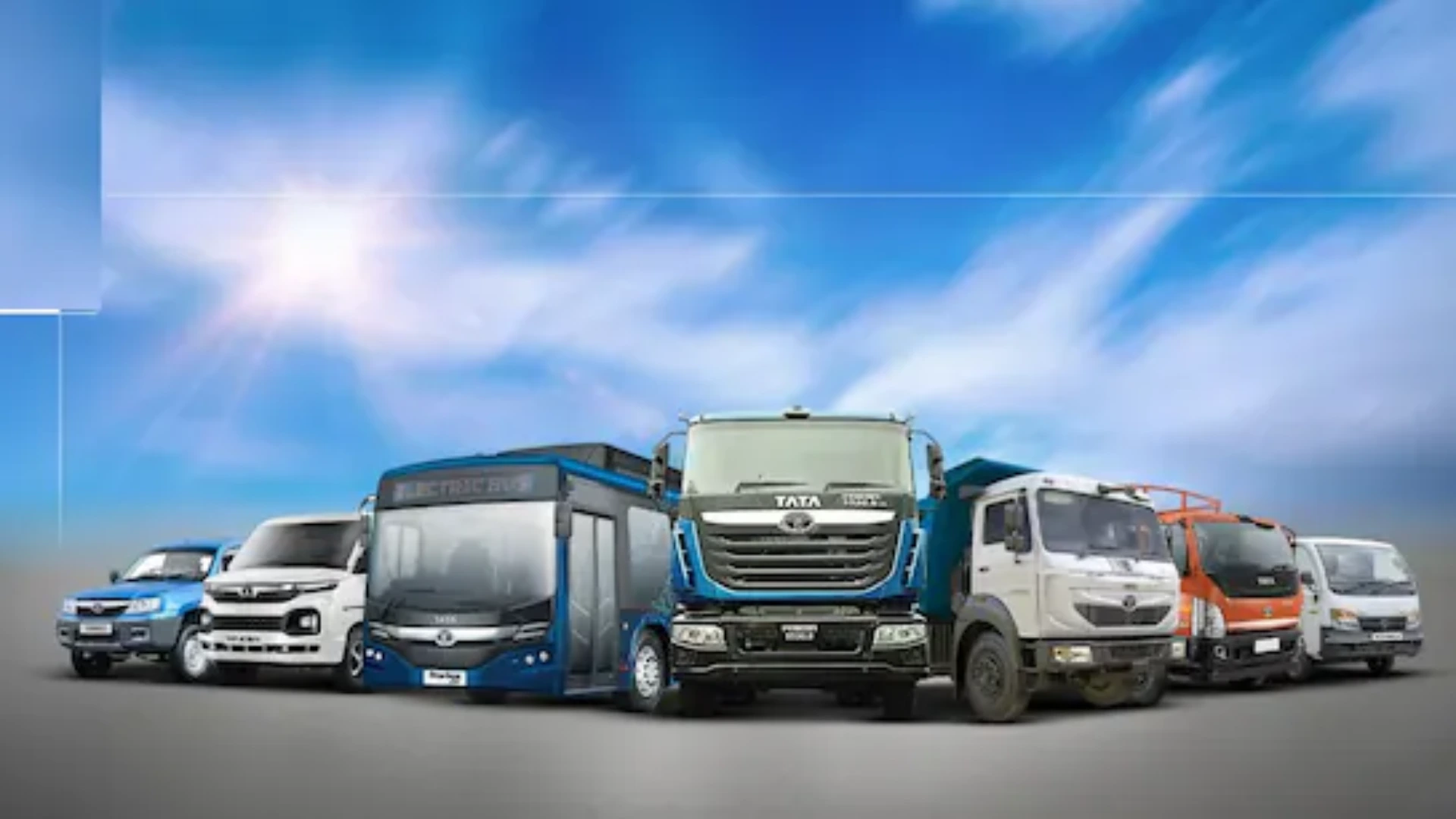
▼The Tata Motors hikes CV prices by up to 1.5% from April 1, directly addressing the challenge of sustained high material costs. By implementing a calibrated price revision rather than a flat increase, the company ensures that the impact is distributed fairly across different models and variants, helping fleet owners and transport businesses transition into the new financial year with minimal disruption.
Why is Tata Motors Increasing Prices Now?
Based on our technical breakdown of the industry’s current economic climate, this price adjustment is a direct response to "input cost inflation." Manufacturers have been absorbing significant cost increases for several months, making this pass-through necessary to maintain the high standards of product development and service.
Primary Drivers for the April 1 Revision:
- Raw Material Costs: Continued volatility in the prices of steel, rubber, and specialized metals used in heavy-duty manufacturing.
- Logistics Expenses: Increased overheads in the global and domestic supply chains.
- Industry Alignment: A broader trend where luxury and commercial manufacturers alike are adjusting prices to reflect the true cost of production in 2026.
Detailed Price Revision Breakdown
The 1.5% hike is the maximum ceiling; the actual increase will vary based on the specific vehicle type and its underlying technology.
|
Vehicle Segment |
Estimated Increase |
Key Focus Area |
|
Small Commercial Vehicles (SCV) |
0.5% – 1.0% |
Last-mile delivery efficiency |
|
Light & Medium CVs (L&MCV) |
1.0% – 1.2% |
Urban and inter-city logistics |
|
Heavy Commercial Vehicles (HCV) |
Up to 1.5% |
Long-haul durability and power |
|
Buses & Passenger Carriers |
1.0% – 1.5% |
Public transport and staff mobility |
How Tata Motors Offsets the Price Increase with Value
Our analysis of the data shows that while the acquisition cost is rising slightly, Tata Motors continues to enhance the "Total Cost of Ownership" through technological innovation.
- Connected Fleet Solutions: The integration of advanced telematics helps operators monitor fuel consumption and vehicle health in real-time, often saving more than the 1.5% price increase in annual operational costs.
- Alternative Fuel Options: With a growing range of Electric and Hydrogen-powered vehicles, the company provides paths to significantly lower long-term fuel bills.
- Durable Architecture: The latest CV range is built on reinforced chassis designs that extend the service life of the vehicle, ensuring high resale value.
Critical Analysis: Strategic Growth and Innovation
This price revision should be viewed as a vital step in supporting the next generation of transport technology. By stabilizing margins, Tata Motors is able to reinvest in green mobility and automated safety features.
The focus remains on helping the customer succeed. While the upfront investment increases marginally, the improvements in engine calibration and cabin ergonomics for the 2026 models are designed to boost driver productivity. This balanced approach allows the brand to remain a leader in the commercial space while navigating a complex global economy.
Market Positioning and Competitors
Tata Motors remains the benchmark for the Indian commercial vehicle market, even as other major players reassess their pricing structures for the new financial year.
|
Manufacturer |
Pricing Strategy |
Market Role |
|
Tata Motors |
Calibrated hike up to 1.5% |
Market Leader / Full Range |
|
Ashok Leyland |
Reviewing Costs |
Heavy-Duty Specialist |
|
Mahindra CV |
Expected Revision |
SCV and Pickup Leader |
|
Eicher (VECV) |
Monitoring Commodities |
Tech-Forward Medium Duty |
Conclusion
The Tata Motors CV price hike, effective April 1 is a calculated response to the realities of modern manufacturing. For businesses looking to expand their fleet, the current window offers an excellent opportunity to finalize purchases before the new rates apply. Ultimately, the slight increase supports the continued delivery of the most reliable and technologically advanced trucks and buses on the road today.
Also Read This |
|
|---|---|
|
Mahindra Udo Electric Three-Wheeler Launched At Rs 3.59 Lakh |
Mahindra Scorpio-N Pickup Truck Set for 2027 Launch |
|
Mahindra to Export 35,000 Scorpio Pick-Ups to Indonesia |
NueGo Gears Up EV Travel with Expanded Routes Across 120 Cities |
|
Tata Motors Unveils Prima 3540K The Most Powerful Tipper from the Brand |
Piaggio Launches Ape Xtra Bada 700 and Ape Xtra 600 in India |
Neha Mehlawat
Neha Mehlawat is an automotive journalist and industry analyst with 10+ years of experience covering cars, bikes, and mobility trends. She tracks the latest launches, technology upgrades, and policy changes in the auto sector, delivering sharp insights that help readers stay ahead in the fast-evolving world of automobiles.

_1786601855.webp)