Table of Content
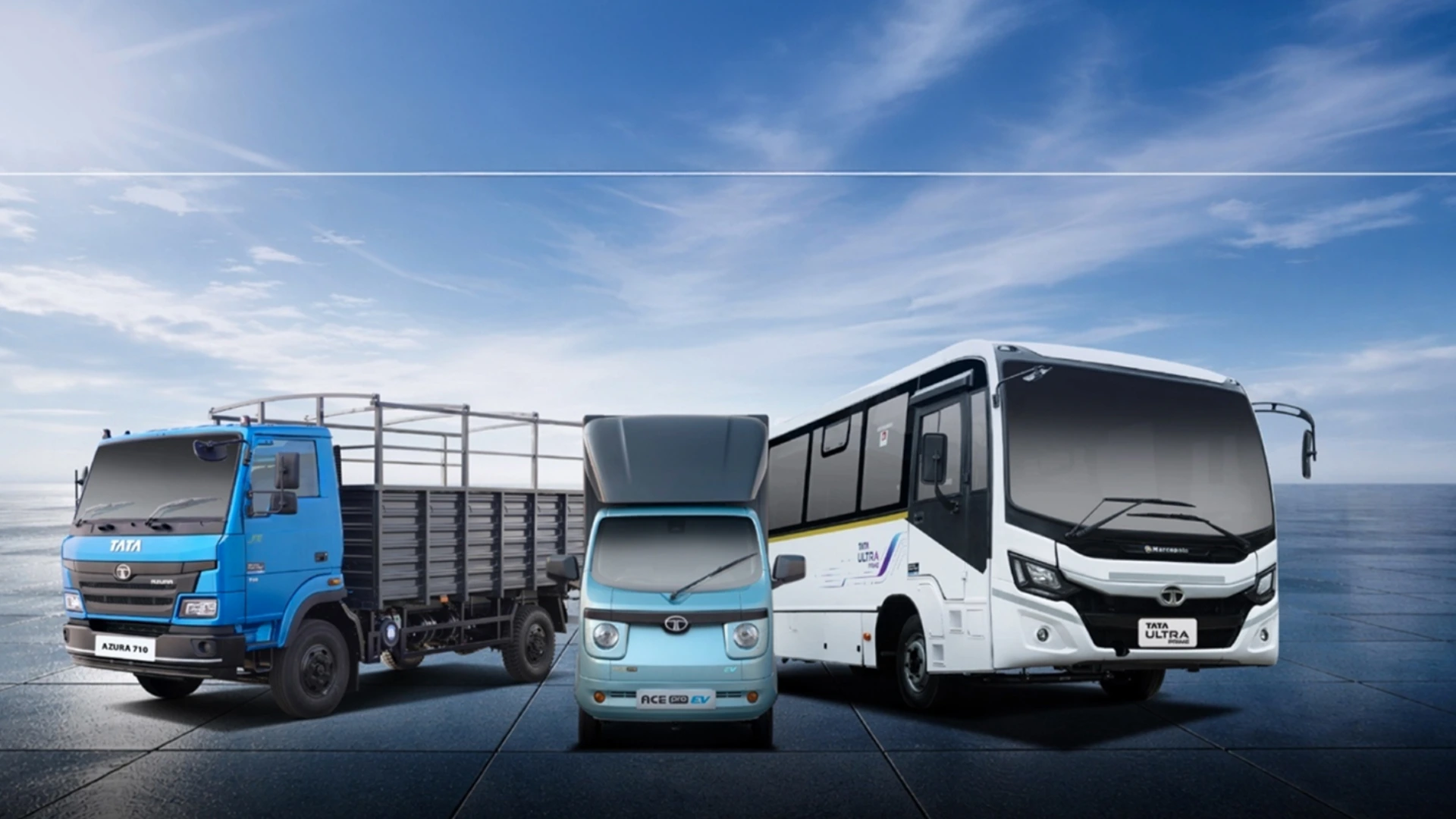
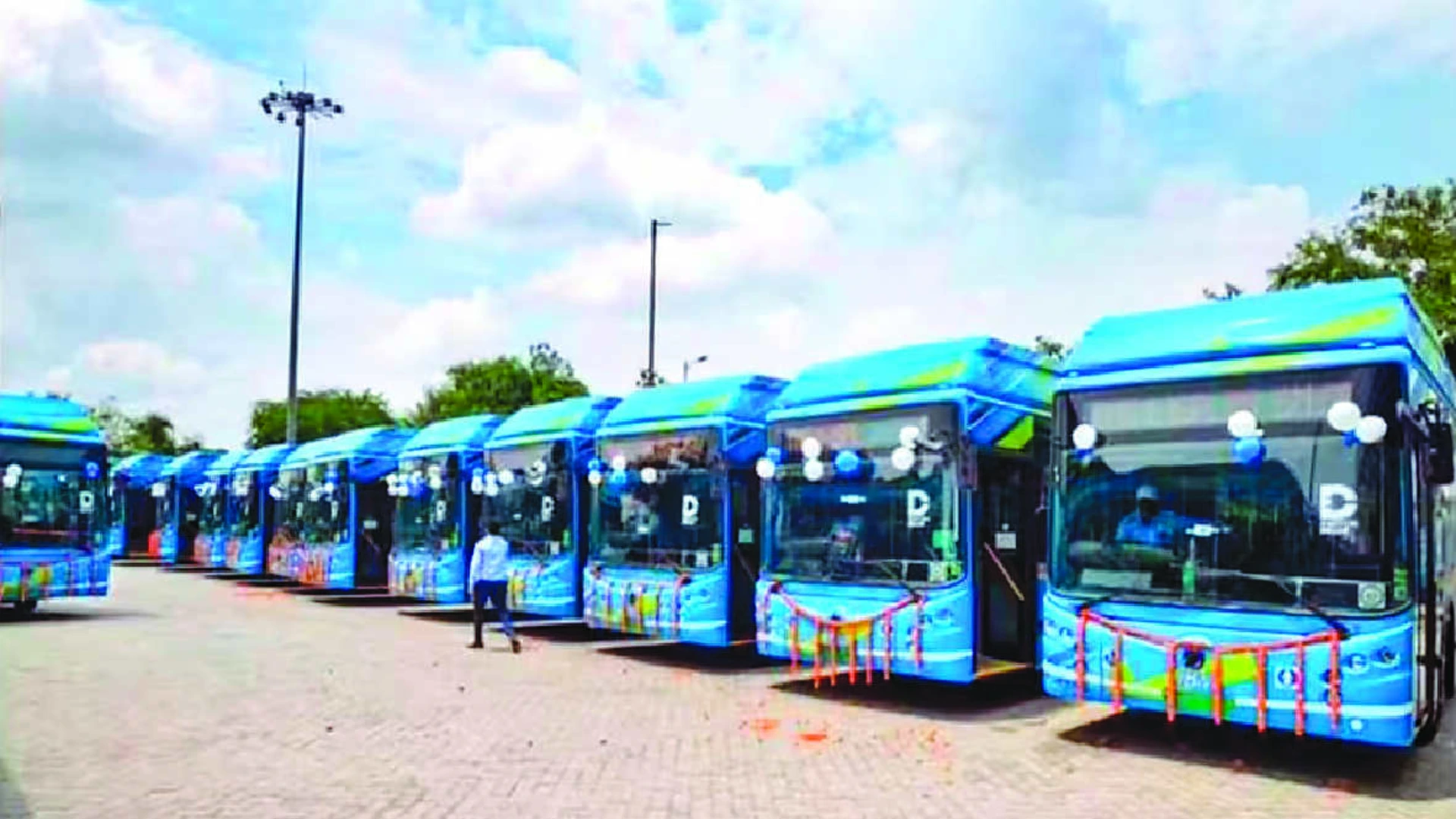
▼Tata Motors has officially announced a price increase of up to 2.5 percent across its entire commercial vehicle range, effective July 1, 2026. This upward revision applies to trucks, buses, pickups, and other commercial variants sold by the company in India. The automaker stated that this adjustment is necessary to partially offset the sustained impact of rising commodity prices and escalating input costs.
Why Prices Are Increasing
The automotive industry continues to face significant pressure from volatile raw material prices. Tata Motors, like many other global and domestic manufacturers, has navigated fluctuating costs in essential industrial inputs.
- Rising Commodity Costs: Prices for steel, aluminium, rubber, and energy remain volatile.
- Operational Expenses: Increased logistics and production costs have pressured manufacturing margins.
- Strategic Adjustment: Rather than absorbing these expenses entirely, the company is passing a portion of the burden to customers to sustain operational efficiency and product quality.
Scope of the Price Revision
The price increase will not be uniform across the entire portfolio. The exact impact on the ex-showroom price will vary significantly depending on the specific model, variant, and configuration.
Impact Overview
|
Category |
Details |
|
Effective Date |
July 1, 2026 |
|
Maximum Price Increase |
Up to 2.5 percent |
|
Affected Vehicles |
Trucks, buses, pickups, utility vehicles |
|
Variation |
Depends on the individual model and variant |
Broader Context in the Automotive Sector
This announcement follows a similar move earlier in June, where Tata Motors confirmed a 1.5 percent price hike for its passenger vehicle portfolio, including internal combustion engine and electric vehicles, also effective from July 1, 2026.
The trend of rising vehicle prices is widespread across the Indian automotive market. Other major manufacturers, including Maruti Suzuki, Hyundai Motor India, and Mercedes-Benz, have also implemented price adjustments this year to mitigate persistent input cost pressures. For instance, Maruti Suzuki recently increased car prices by up to Rs 30,000 to manage operational overheads.
Conclusion
The decision by Tata Motors to raise commercial vehicle prices reflects the ongoing challenges in managing production costs within the logistics and transportation sector. While fleet operators and individual buyers may face higher acquisition costs starting next month, the revision is a measured step by the automaker to ensure long-term reliability and service standards across its comprehensive vehicle range.
Also Read This |
|
|---|---|
|
Tata Ace Gold+ XL Launched with 8-Foot Body and 1-Tonne Payload |
|
|
Tata Intra EV Pickup Launched At Rs 11.95 Lakh With 211 Km Range |
|
Neha Mehlawat
Neha Mehlawat is an automotive journalist and industry analyst with 10+ years of experience covering cars, bikes, and mobility trends. She tracks the latest launches, technology upgrades, and policy changes in the auto sector, delivering sharp insights that help readers stay ahead in the fast-evolving world of automobiles.

_1786601855.webp)