Table of Content
▼- The Critical Impact of Ignoring Oil Leaks
- 7 Common Types of Oil Leak in Car Engines
- 1. Engine Oil Leakage from the Oil Filter Gasket
- 2. Oil Pan Gasket Leaks
- 3. Valve Cover Gasket Leak
- 4. Crankshaft and Camshaft Seal Leakage
- 5. Oil Pressure Sensor Leaks
- 6. Oil Drain Plug Leaks
- 7. Head Gasket Failure
- Comparative Data: Repair Complexity and Costs
- How to Diagnose an Oil Leak Like an Expert
- Conclusion
- Also Read This
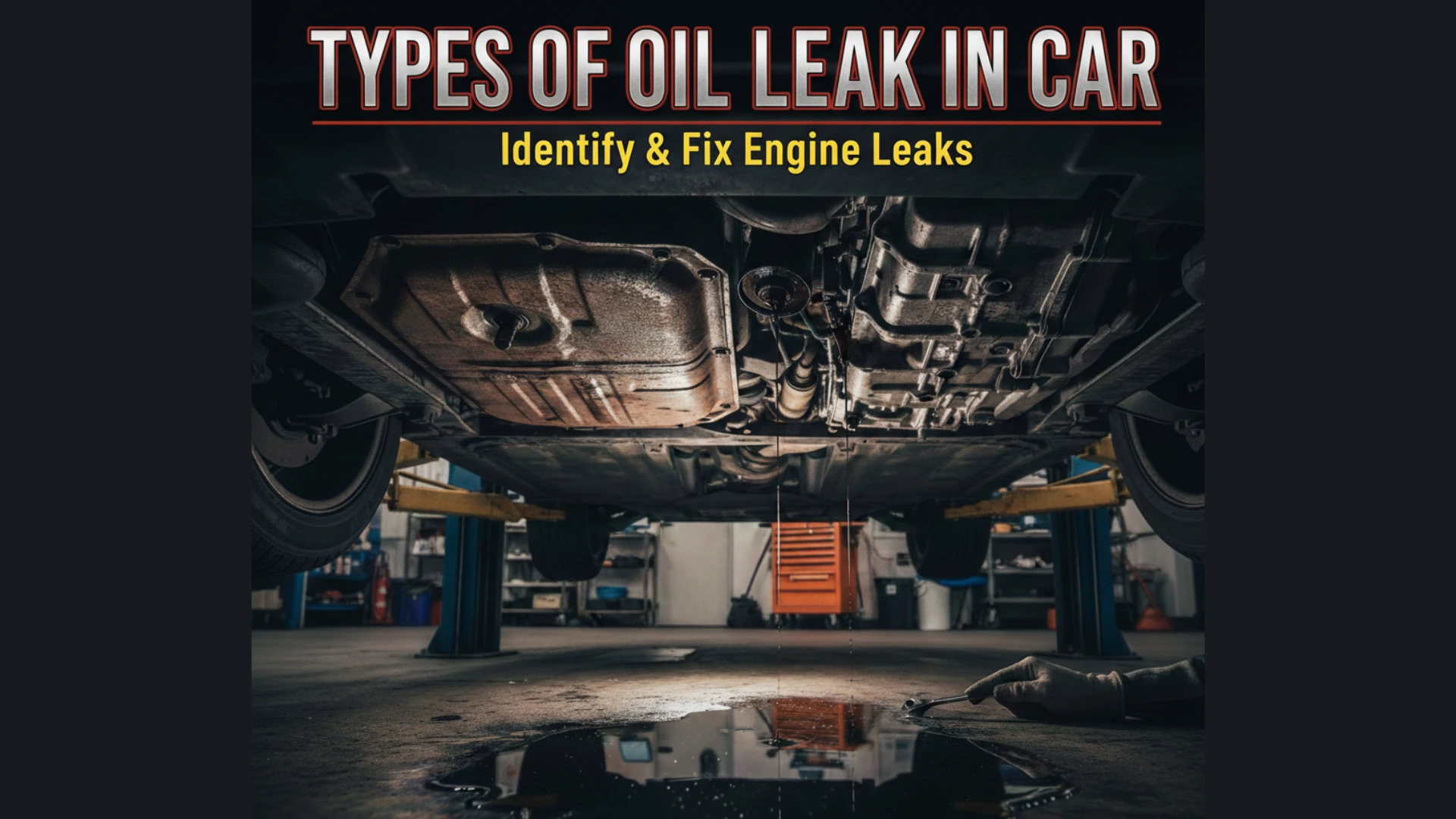
An oil leak in car engines typically stems from degraded gaskets, worn rubber seals, or physical damage to the oil pan. Identifying the source early—whether it is a dripping valve cover gasket, a faulty oil filter, or a leaking crankshaft seal—is vital to preventing catastrophic engine failure. Addressing these leaks promptly ensures optimal lubrication, prevents overheating, and saves thousands in potential repair bills.
The Critical Impact of Ignoring Oil Leaks
Engine oil is the lifeblood of your vehicle. It reduces friction, dissipates heat, and cleans internal components. When a leak occurs, the drop in hydraulic pressure can lead to metal on metal contact. In regions with extreme temperature fluctuations, such as North India or the Middle East, rubber components expand and contract rapidly, making leaks more frequent.
7 Common Types of Oil Leak in Car Engines
Understanding where the oil is coming from is the first step toward a DIY fix or a professional repair. Here are the seven most frequent culprits.
1. Engine Oil Leakage from the Oil Filter Gasket
The oil filter is changed more than almost any other part. If the gasket (the rubber O-ring) is not seated perfectly or if the previous gasket "double stacked" on the housing, oil will spray out under pressure.
- The Cause: Improper tightening or using a low quality filter.
- The Sign: A puddle directly under the filter housing after the car has been sitting.
2. Oil Pan Gasket Leaks
Located at the very bottom of the engine, the oil pan holds the bulk of your thermal fluid. The gasket between the pan and the engine block is a common failure point.
- The Cause: Road debris, hitting deep potholes, or high mileage causing the seal to harden.
- The Sign: Consistent oil spots on your driveway located centrally between the front wheels.
3. Valve Cover Gasket Leak
The valve cover sits at the very top of your engine. Because it deals with extreme heat cycles, the gasket eventually becomes brittle and cracks.
- The Cause: Natural wear and tear over 60,000 to 100,000 miles.
- The Sign: Oil seeping down the sides of the engine block or a distinct "burning oil" smell as fluid hits the hot exhaust manifold.
4. Crankshaft and Camshaft Seal Leakage
These are among the most serious leaks because they involve internal engine seals. The crankshaft and camshaft must spin at high speeds, and the seals keep the oil contained while allowing rotation.
- The Cause: High engine mileage or long periods of vehicle inactivity.
- The Sign: Oil dripping from behind the main pulleys or near the timing belt cover.
5. Oil Pressure Sensor Leaks
The oil pressure sensor is a small electronic component threaded into the engine block. Over time, the plastic housing of the sensor can crack or the threads can weep oil.
- The Cause: Electrical component failure or vibration.
- The Sign: An erratic oil pressure light on the dashboard accompanied by wetness around the sensor unit.
6. Oil Drain Plug Leaks
The drain plug is removed during every oil change. If the crush washer is not replaced or the plug is cross threaded, it will slowly drip.
- The Cause: Human error during routine maintenance.
- The Sign: A slow, steady drip from the lowest point of the oil pan.
7. Head Gasket Failure
This is the "nightmare" scenario for car owners. The head gasket seals the cylinder head to the engine block, keeping oil, coolant, and combustion gases separate.
- The Cause: Engine overheating.
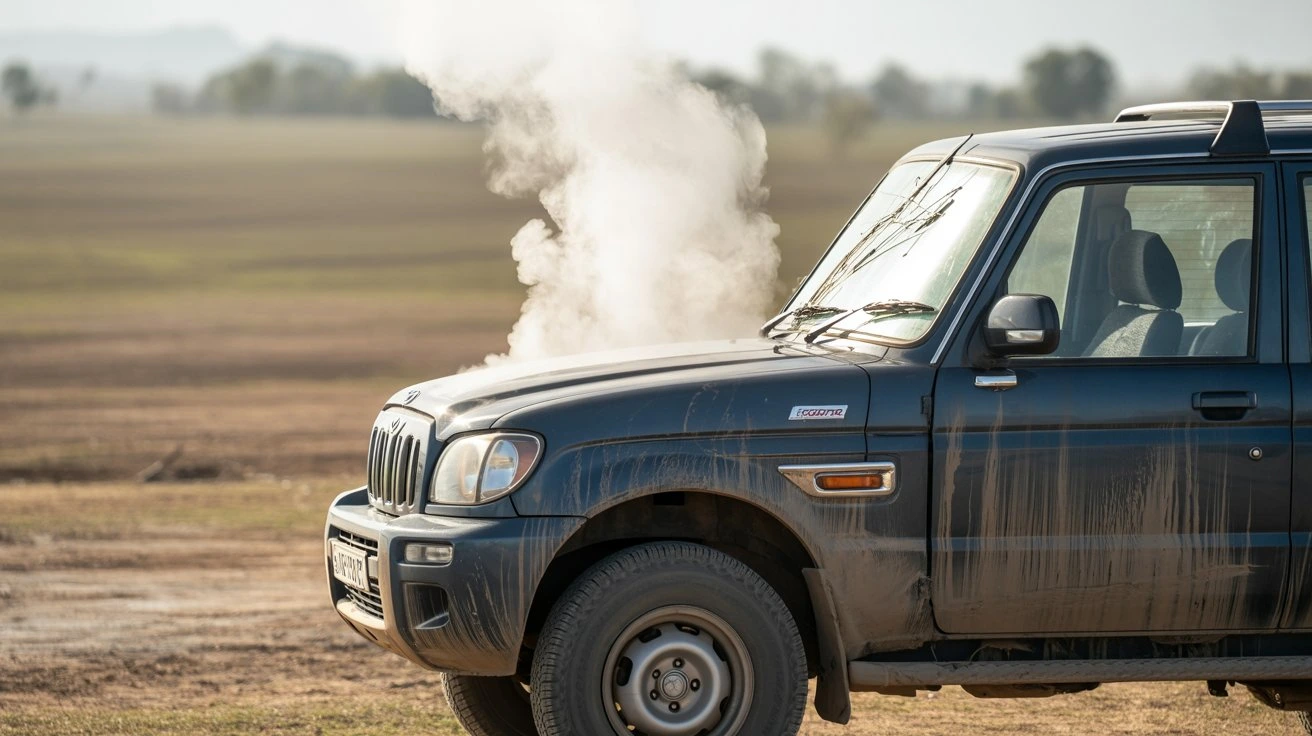
- The Sign: "Milky" looking oil on the dipstick (oil mixed with coolant) or white smoke from the exhaust.
Comparative Data: Repair Complexity and Costs
|
Leak Type |
Severity |
Estimated Repair Cost (Approx.) |
DIY Friendly? |
|
Oil Filter Gasket |
Low |
₹500 - ₹2,000 |
Yes |
|
Oil Drain Plug |
Low |
₹200 - ₹1,000 |
Yes |
|
Valve Cover Gasket |
Medium |
₹3,000 - ₹8,000 |
Yes (Advanced) |
|
Oil Pan Gasket |
Medium |
₹5,000 - ₹12,000 |
No |
|
Crankshaft Seal |
High |
₹8,000 - ₹25,000 |
No |
|
Head Gasket |
Critical |
₹40,000 - ₹1,50,000 |
No |
How to Diagnose an Oil Leak Like an Expert
If you spot a fluid under your car, follow these steps to confirm if it is indeed an engine oil leak:
- Check the Color: Fresh engine oil is amber; old oil is dark brown or black. If the fluid is red, it is likely transmission fluid. If it is green or pink, it is coolant.
- The Sniff Test: Engine oil has a heavy, greasy smell. If it smells like burnt toast, it is likely leaking onto a hot engine component.
- The Cardboard Test: Place a clean piece of white cardboard under the engine overnight. The location of the drops will help you pinpoint the source (front, middle, or rear).
Conclusion
An oil leak in car engines should never be ignored. While a leaking drain plug is a cheap and easy fix, a camshaft seal or head gasket failure can lead to total engine seizure if the oil level drops too low. Regular inspections, especially during your scheduled oil changes, are the best defense against expensive repairs. Always use high quality gaskets and ensure your mechanic uses a torque wrench to prevent over tightening.
Deepika Chauhan
Auto Care Specialist & Vehicle Maintenance Advisor Deepika Chauhan is a car care expert with 8+ years of experience in authorized service centers and independent garages. Her articles focus on DIY maintenance, service schedules, and tips that help car owners keep their vehicles in top condition.