_1776322217.webp)
Table of Content
▼Kia’s pivot toward a multi-powertrain strategy ensures that Indian buyers have a practical, high-mileage alternative to pure electric vehicles. For many, the real-world hurdle of adopting an EV is the fear of inconsistent highway charging; the upcoming HEV (Hybrid Electric Vehicle) models provide an immediate fix by utilizing self-charging technology that excels in stop-and-go city traffic.
The 2029 Hybrid Roadmap: Segment-Specific Deployment
Based on our technical breakdown of Kia's "2026 Investor Day" strategy, the rollout will follow a phased approach. The Seltos Hybrid is slated to lead the charge globally, featuring a refined 1.6-litre hybrid system already popular in international markets. In India, this will likely be localized to compete directly with the Toyota Hyryder and Maruti Grand Vitara.
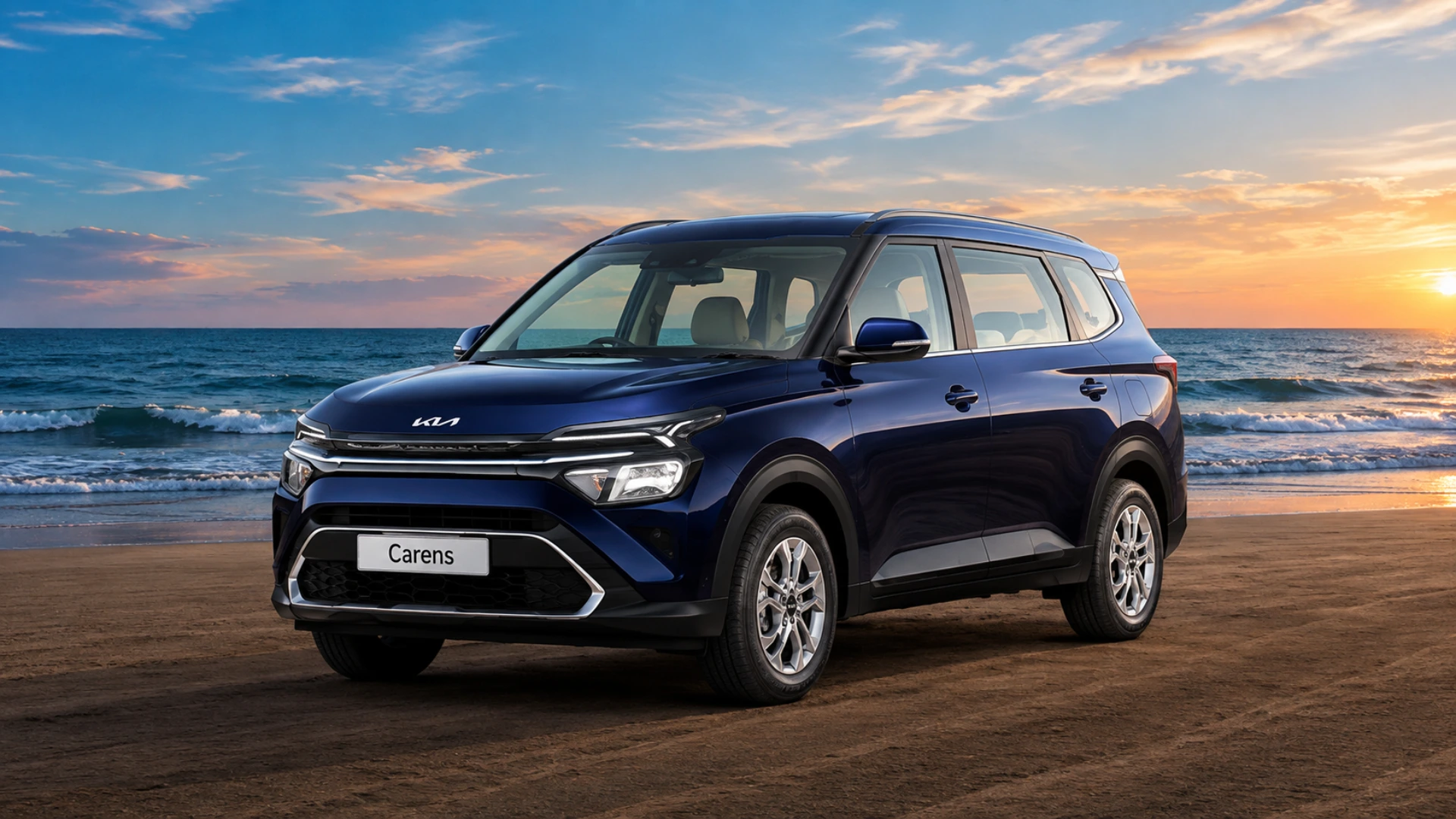
The data suggest that the Carens and the next-generation Sonet (codenamed QY2E) will follow shortly. The second-gen Sonet, due in 2027, is being engineered from the ground up on the new K1 platform to accommodate the battery and motor packaging required for a strong-hybrid system.
|
Model |
Projected Hybrid Launch |
Engine Expectation |
Key Benefit |
|
Kia Seltos HEV |
2027–2028 |
1.6L Petrol + Electric Motor |
Direct rival to mid-size hybrid SUVs |
|
Kia Carens HEV |
2028 |
1.6L / 1.5L Hybrid System |
High-efficiency 6/7-seater MPV |
|
Kia Sonet HEV |
2029 |
1.2L / 1.5L Hybrid (Gen-2) |
Segment-first strong hybrid tech |
|
Kia Syros EV |
Late 2025/2026 |
Pure Electric (BEV) |
Compact EV with 400km+ range |
Will Hybrid Tech Make the Sonet the Most Efficient Compact SUV?
A high-intent question among budget-conscious buyers is: Will a hybrid Sonet be cheaper to run than a diesel? Based on the architecture of Kia’s new hybrid system, the answer is likely "Yes." Strong hybrids typically deliver 25–28 kmpl in city conditions, surpassing the real-world figures of even the most frugal diesel engines.
While the current Sonet relies on 1.2L petrol and 1.5L diesel units, the second-generation model arriving in 2027 will transition to the K1 platform. This platform supports the latest electrical and electronics (E&E) architecture, allowing for seamless integration of the "Smartstream" hybrid hardware.
How Does Kia’s Strategy Impact Hyundai’s Future in India?
When examining the architecture of the Hyundai-Kia partnership, history shows that powertrain innovations are shared across the group. The data suggests that Kia's move locks in a similar roadmap for Hyundai. Buyers can expect the Hyundai Creta, Venue, and Alcazar to receive identical hybrid treatments within a similar timeframe.
- Synergy Benefits: Shared manufacturing across the Anantapur and Chennai plants will reduce the cost of hybrid components.
- Segment Dominance: Together, these brands aim to capture the "middle ground" of the market that isn't yet ready for full electrification.
- Export Hub: India will serve as a primary production hub for these hybrid models, catering to both domestic and international demand.
Strategic Ownership: Maximizing Your ROI During the Transition
If you are planning a car purchase between now and 2029, navigating the choice between Petrol, Diesel, EV, and the upcoming Hybrids requires a technical perspective. While EVs offer the lowest running costs per km, hybrids offer the best resale value stability in markets where charging infrastructure is still maturing.
For the best ownership experience during this transition, we suggest:
- Evaluate Your Mileage: If your monthly run is over 1,500 km and mostly in the city, waiting for the Seltos or Carens Hybrid will offer a significant ROI in fuel savings.
- Monitor the "Clavis" (Syros): For those needing a car sooner, the upcoming Kia Syros (launching late 2025/2026) will offer a "hybrid-like" entry point with both ICE and EV versions.
- Residual Value Check: Diesel engines face increasing regulatory pressure in NCR; the move to Hybrid tech ensures your vehicle remains compliant with future "Green" zones without the limitations of a battery-only range.
The Verdict
Kia's "Hybrids over EVs" push is a pragmatic response to India's unique driving conditions. By 2029, the Sonet, Seltos, and Carens will represent a triple-threat to competitors, offering the silence and torque of an EV with the refueling convenience of a traditional petrol car. This is the ideal strategy for the "early majority" who want sustainability without the stress.
Also Read This |
|
|---|---|
|
Delhi EV Policy 2.0: Who Will Get ₹1 Lakh Incentive and Tax Benefits |
|
Neha Mehlawat
Neha Mehlawat is an automotive journalist and industry analyst with 10+ years of experience covering cars, bikes, and mobility trends. She tracks the latest launches, technology upgrades, and policy changes in the auto sector, delivering sharp insights that help readers stay ahead in the fast-evolving world of automobiles.
_1791268692.webp)
_1790839360.webp)