Table of Content
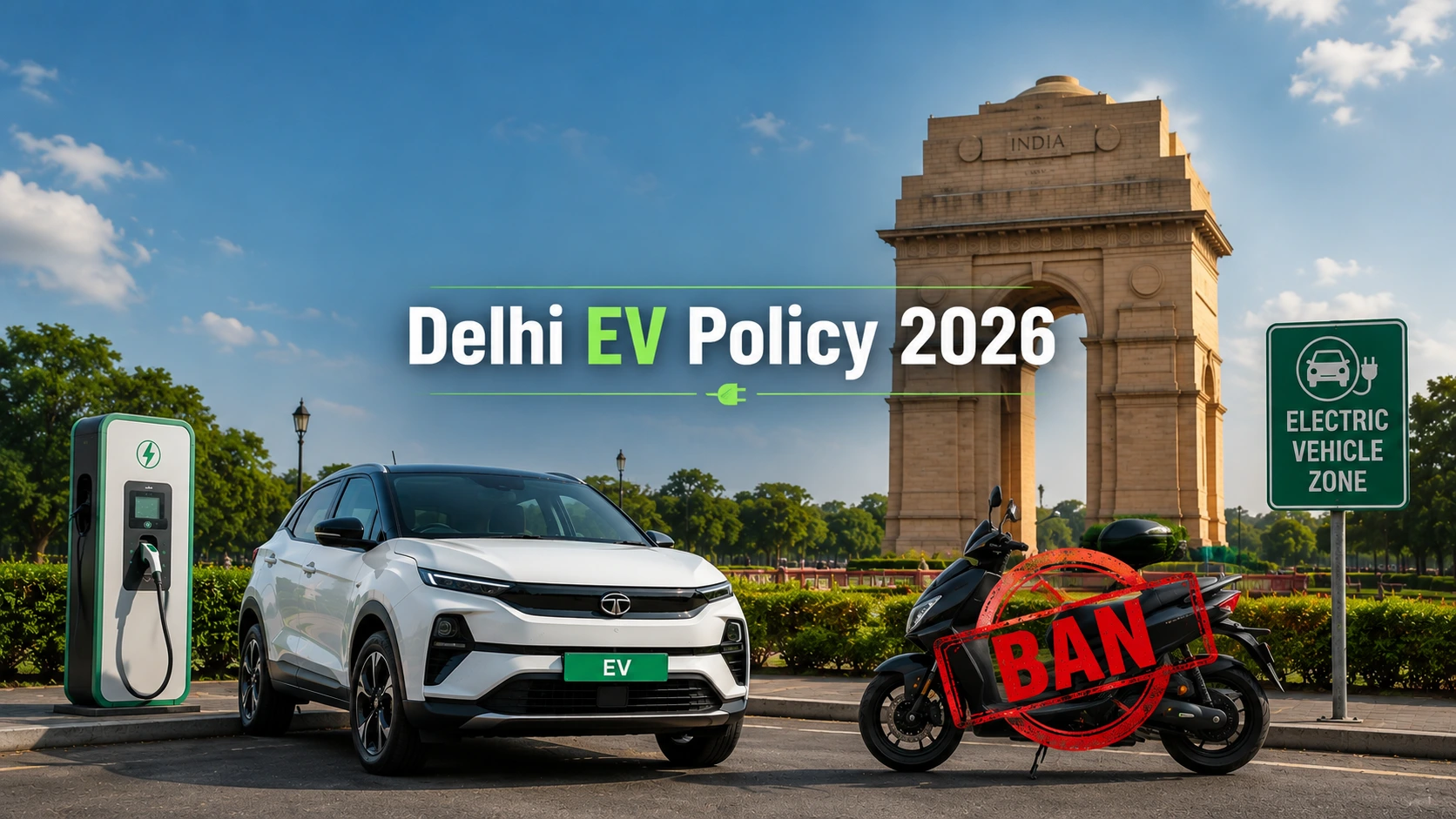
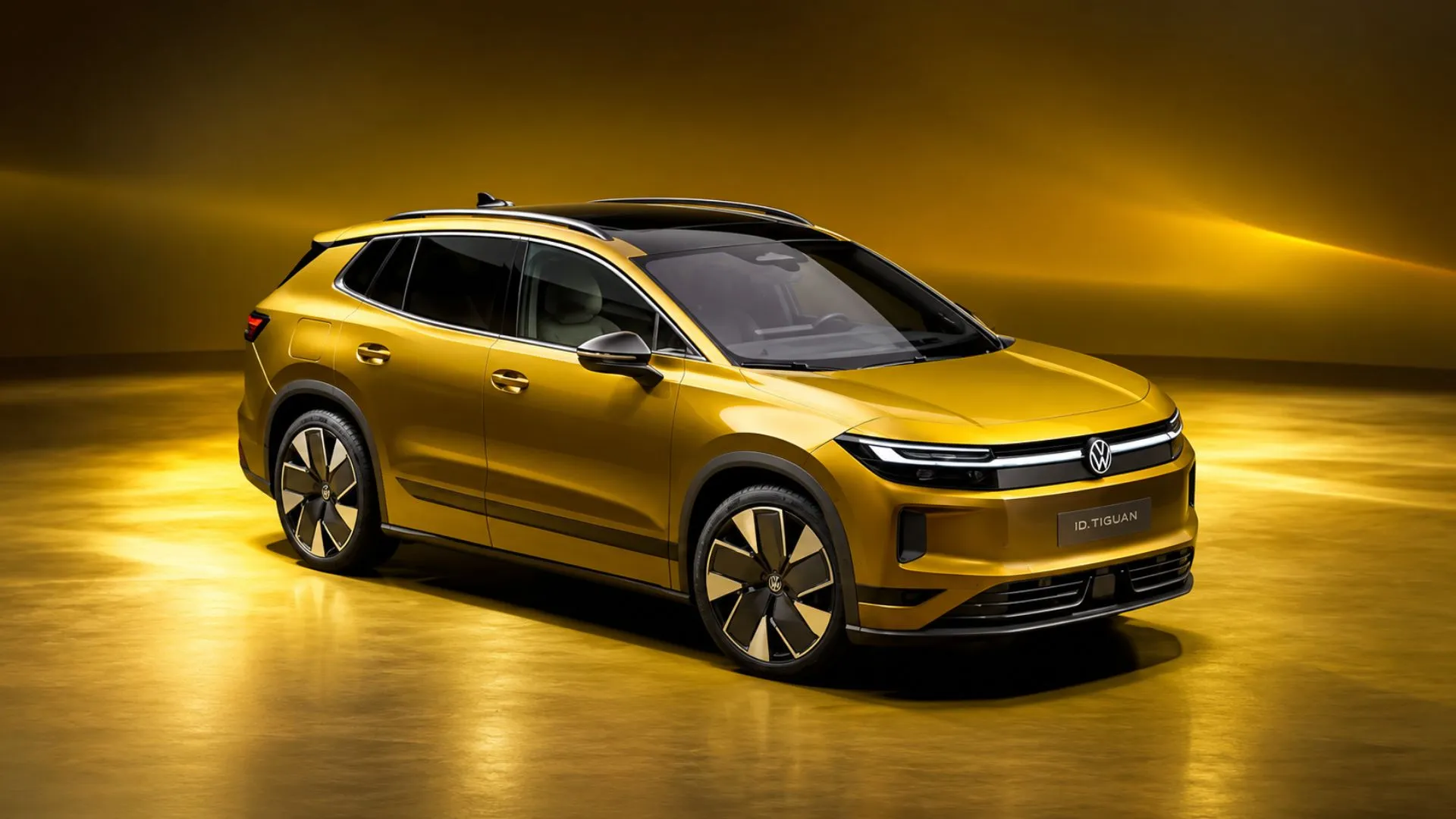
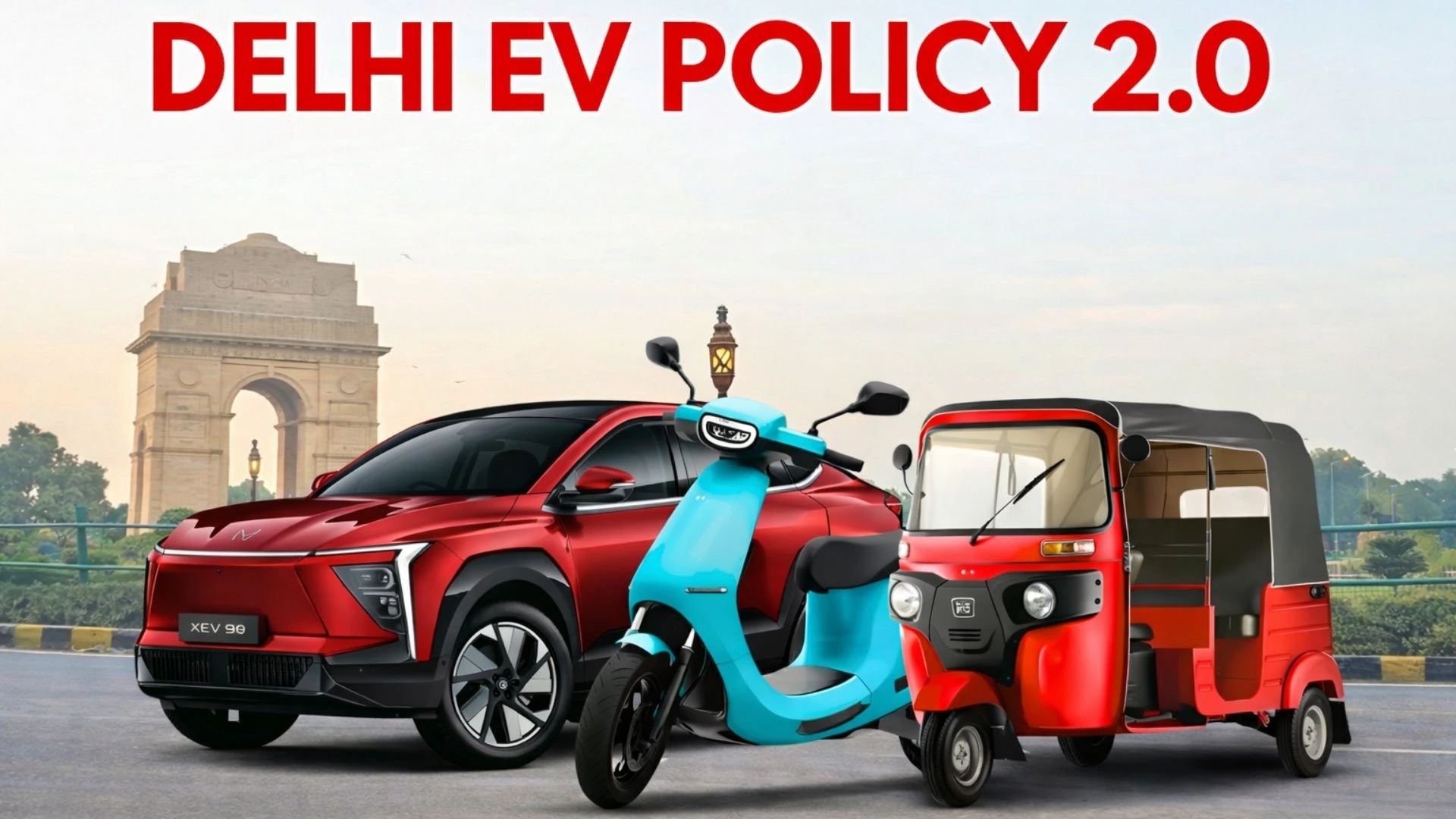
▼The Delhi EV Policy 2.0 offers up to Rs 1 lakh in financial incentives to buyers of new electric cars priced under Rs 30 lakh and N1 category commercial trucks. Additionally, these buyers receive a complete 100 percent waiver on road tax and registration fees. The initiative requires scrapping an older BS IV vehicle and aims to accelerate the transition to clean energy before the March 2030 deadline.
Complete Guide to the Delhi EV Policy 2.0
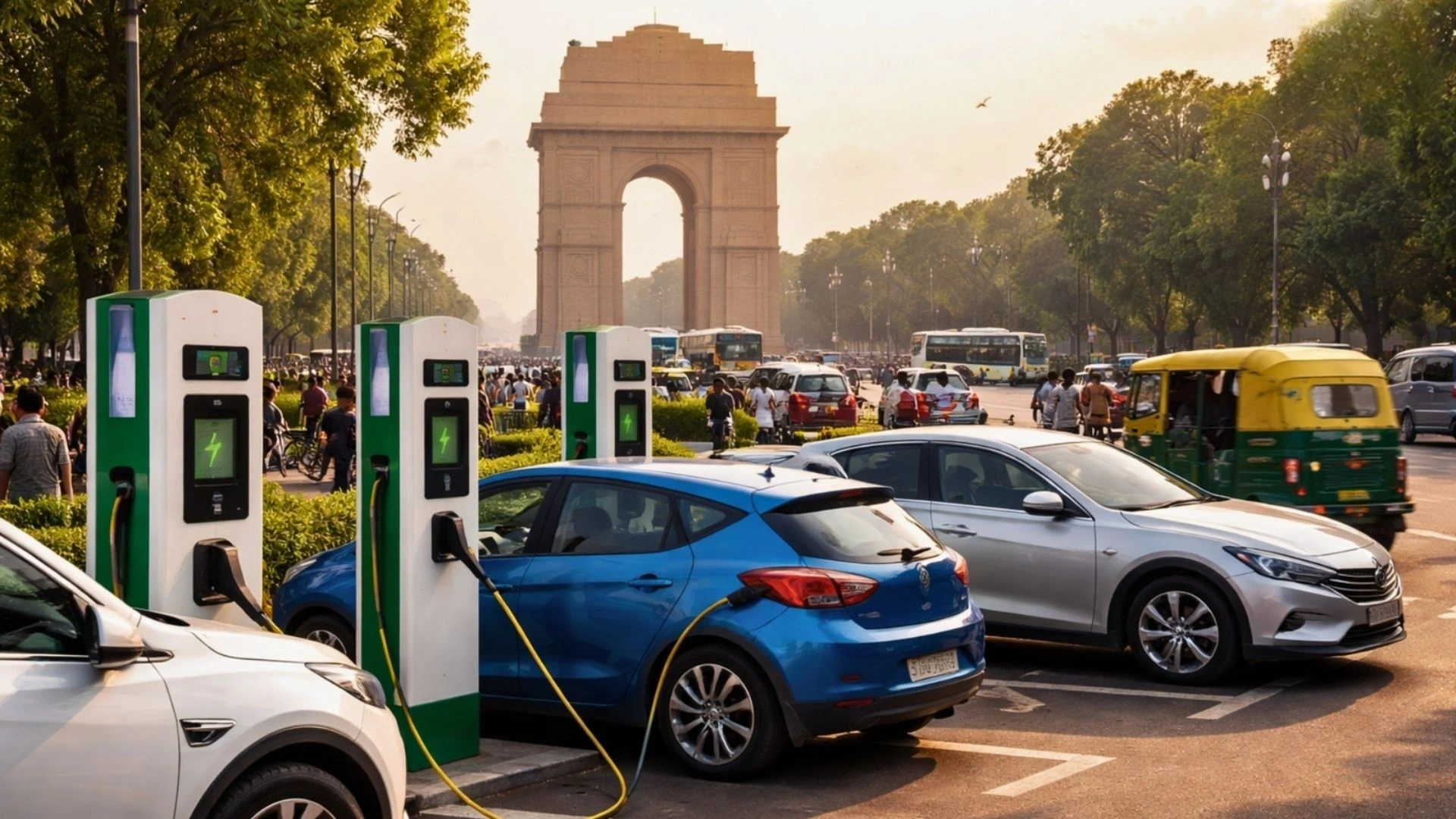
Released on April 11 2026, by the Transport Department, the draft Electric Vehicle Policy 2026 to 2030 aims to combat severe air pollution in the national capital. Public input is actively sought for 30 days through email or post before the government locks it in completely.
This ambitious plan combines strict timelines for phasing out petrol vehicles, massive financial incentives, and significant infrastructure boosts. For instance, new petrol two-wheelers face a strict registration ban starting April 1, 2028. Furthermore, the electric three-wheelers will become mandatory from January 1, 2027.
Commercial operators also face stricter rules. There will be no fresh petrol or diesel two-wheelers or light goods vehicles up to 3.5 tonnes for aggregators starting January 1, 2026, although BS VI two-wheelers are allowed until the end of the year.
Subsidy and Incentive Breakdown
To encourage accelerated adoption, the government has structured the incentives to decrease over a three-year period. The earlier you buy, the bigger the reward.
Benefits for Electric Car and Truck Buyers
People in Delhi who purchase new electric cars priced up to Rs 30 lakh ex-showroom can benefit from a massive scrappage incentive. This requires the buyer to scrap an old Delhi-registered BS IV or older model within six months of receiving the scrappage certificate. This offer is available to the first 100000 claimants. Buyers of N1 electric trucks, which are light commercial motor vehicles designed for carrying goods not exceeding 3.5 tonnes, can take advantage of the exact same benefit.
|
Year of Registration |
Incentive Amount |
|
Year 1 from the date of notification |
Rs 1,00,000 |
|
Year 2 from the date of notification |
Rs 75,000 |
|
Year 3 from the date of notification |
Rs 50,000 |
Benefits for Two-Wheeler Buyers
Since two-wheelers make up roughly 67 percent of the vehicle fleet in Delhi, the policy targets them heavily. Electric two-wheelers priced up to Rs 2.25 lakh will receive substantial financial support.
|
Year of Registration |
Incentive Amount |
|
Year 1 from the date of notification |
Rs 10,000 per kWh up to a maximum of Rs 30,000 |
|
Year 2 from the date of notification |
Rs 6,600 per kWh up to a maximum of Rs 20,000 |
|
Year 3 from the date of notification |
Rs 3,300 per kWh up to a maximum of Rs 10,000 |
Benefits for Commercial Three-Wheelers
Electric three-wheelers are essential for last-mile connectivity in the city, and operators receive fixed incentive payouts based on the year of purchase.
Benefits for Commercial Three-Wheelers
|
Year of Registration |
Incentive Amount |
|
Year 1 from the date of notification |
Rs 50,000 |
|
Year 2 from the date of notification |
Rs 40,000 |
|
Year 3 from the date of notification |
Rs 30,000 |
Road Tax Waivers and Scrappage Perks
Beyond direct cash subsidies, the Delhi government provides fantastic tax breaks during the entire policy period, which runs until March 3,1 2030.
- Electric vehicles priced up to Rs 30 lakh ex-showroom enjoy a full 100 percent exemption on road tax and registration fees.
- Strong hybrid vehicles receive a generous 50 percent tax waiver.
- Luxury EVs priced above Rs 30 lakh do not receive any tax exemptions.
Additionally, a direct scrappage bonus is available when replacing highly polluting BS IV or older vehicles.
- Rs 10000 for two-wheelers.
- Rs 25000 for three wheelers.
- Rs 50000 for N1 trucks.
All financial incentives will be disbursed via direct bank transfer after a simple online claim tied directly to the PM E DRIVE scheme rules.
Conclusion
The Delhi EV Policy 2.0 sets a brilliant foundation for a greener capital by front-loading financial rewards and forcing a timeline on commercial operators. The government effectively motivates buyers to switch to clean energy sooner rather than later. If you live in Delhi and plan to buy an electric vehicle, trading in your old polluting car during the first year of this policy is an incredibly smart financial decision.
Neha Mehlawat
Neha Mehlawat is an automotive journalist and industry analyst with 10+ years of experience covering cars, bikes, and mobility trends. She tracks the latest launches, technology upgrades, and policy changes in the auto sector, delivering sharp insights that help readers stay ahead in the fast-evolving world of automobiles.