Table of Content
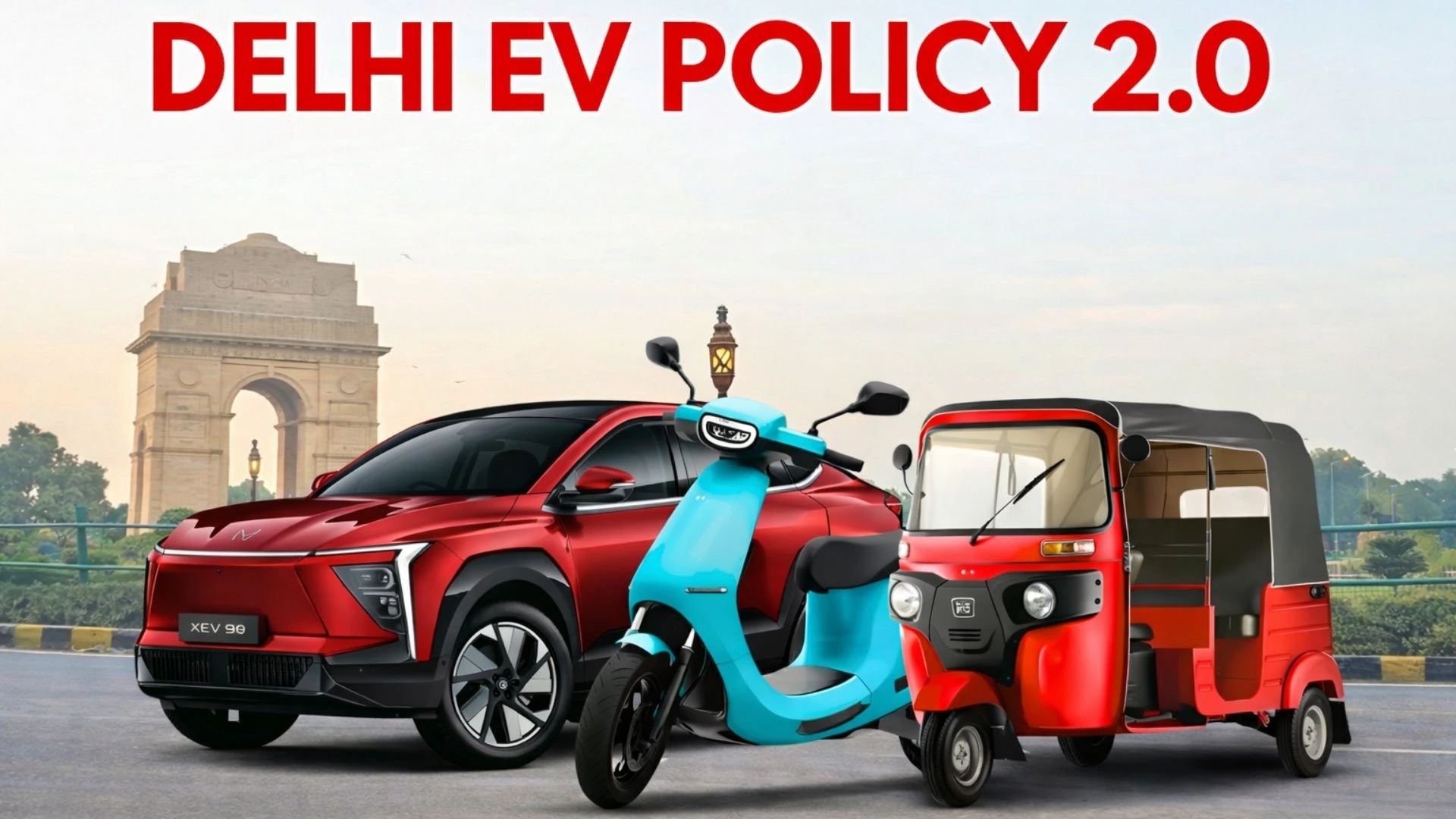
▼Delhi has officially transitioned to a "Scrappage-First" electric mobility framework, ensuring that new EV sales directly result in the removal of older, polluting vehicles. A common hurdle for owners of 10-to-15-year-old petrol and diesel cars is the loss of asset value due to deregistration; this policy provides an immediate fix by converting those "end-of-life" vehicles into high-value discount vouchers for new EVs.
The Shift to Scrappage-Linked Financial Rewards
Based on our technical breakdown of the 2026 roadmap, the "highest-tier" benefits are no longer automatic for every buyer. To unlock the maximum ₹1 lakh incentive, applicants must provide a certificate of destruction for a Delhi-registered BS-IV or older vehicle.
The data suggests that the government is focusing heavily on the mass-market segment. By capping tax exemptions and focusing on vehicles priced below ₹15 lakh, the policy aims to make electric transition viable for middle-class commuters rather than just luxury buyers.
|
Vehicle Category |
Incentive Amount |
Primary Condition |
|
Private Electric Cars |
Up to ₹1,00,000 |
Price < ₹15 Lakh + Scrappage Proof |
|
Two-Wheelers (E2W) |
Flat ₹10,000 |
Uniform rate across all battery sizes |
|
Three-Wheelers (L5M) |
₹25,000 |
Supports commercial fleet transition |
|
ICE-to-EV Retrofit |
₹50,000 |
Must use Govt-certified electric kits |
|
Road Tax Waiver |
100% Exemption |
Valid for EVs priced up to ₹30 Lakh |
How Does the New Policy Impact Luxury EV Buyers?
When examining the architecture of the revised tax benefits, a new "Price Ceiling" has been introduced to manage the state's fiscal outlay. While previous iterations offered blanket waivers, EVs priced above ₹30 lakh will now attract standard registration levies.
This strategic pivot ensures that the ₹200 crore allocation is utilized where it has the most environmental impact—the high-volume budget segments. For buyers of premium electric SUVs, this change represents a significant increase in the "on-road" price compared to the previous year.
Can Retrofitting Save Your Old Petrol Car?
One of the most innovative sections of Policy 2.0 is the formal support for retrofitting existing internal combustion engine (ICE) cars. The government is offering a ₹50,000 grant for owners who choose to install certified electric conversion kits instead of buying a new vehicle.
Our analysis shows that this move targets the "circular economy" by extending the life of existing vehicle chassis while eliminating tailpipe emissions. It is a cost-effective alternative for those attached to their current vehicles but facing the mandatory 15-year petrol vehicle ban in the capital.
Strategy for Maximizing Your Scrappage ROI
To get the most out of Delhi’s new roadmap, timing and documentation are everything. Because the ₹1 lakh car incentive is limited to the first 1 lakh applicants, early movers will have the best chance of securing the full payout.
We recommend the following steps for a seamless transition:
- Sync Your e-KYC: Ensure your Aadhaar is linked to your current mobile number; the new DBT system aims to cut payout times from 40 days to under a week using e-KYC.
- Verify Scrappage Centers: Only use authorized Automated Testing Stations (ATS) to ensure your scrappage certificate is digitally logged and recognized by the transport portal.
- Dealer Check: Before booking, confirm that your chosen dealership has installed the mandated public charging point, as this is a new requirement for all Delhi showrooms.
The Verdict
Delhi EV Policy 2.0 is the most aggressive attempt yet to clean the city’s air by tying financial gain to the permanent removal of old engines. It is a perfect fit for residents owning aging BS-IV vehicles who want to maximize their old car's value while upgrading to a modern, tax-exempt electric platform.
Neha Mehlawat
Neha Mehlawat is an automotive journalist and industry analyst with 10+ years of experience covering cars, bikes, and mobility trends. She tracks the latest launches, technology upgrades, and policy changes in the auto sector, delivering sharp insights that help readers stay ahead in the fast-evolving world of automobiles.