Table of Content
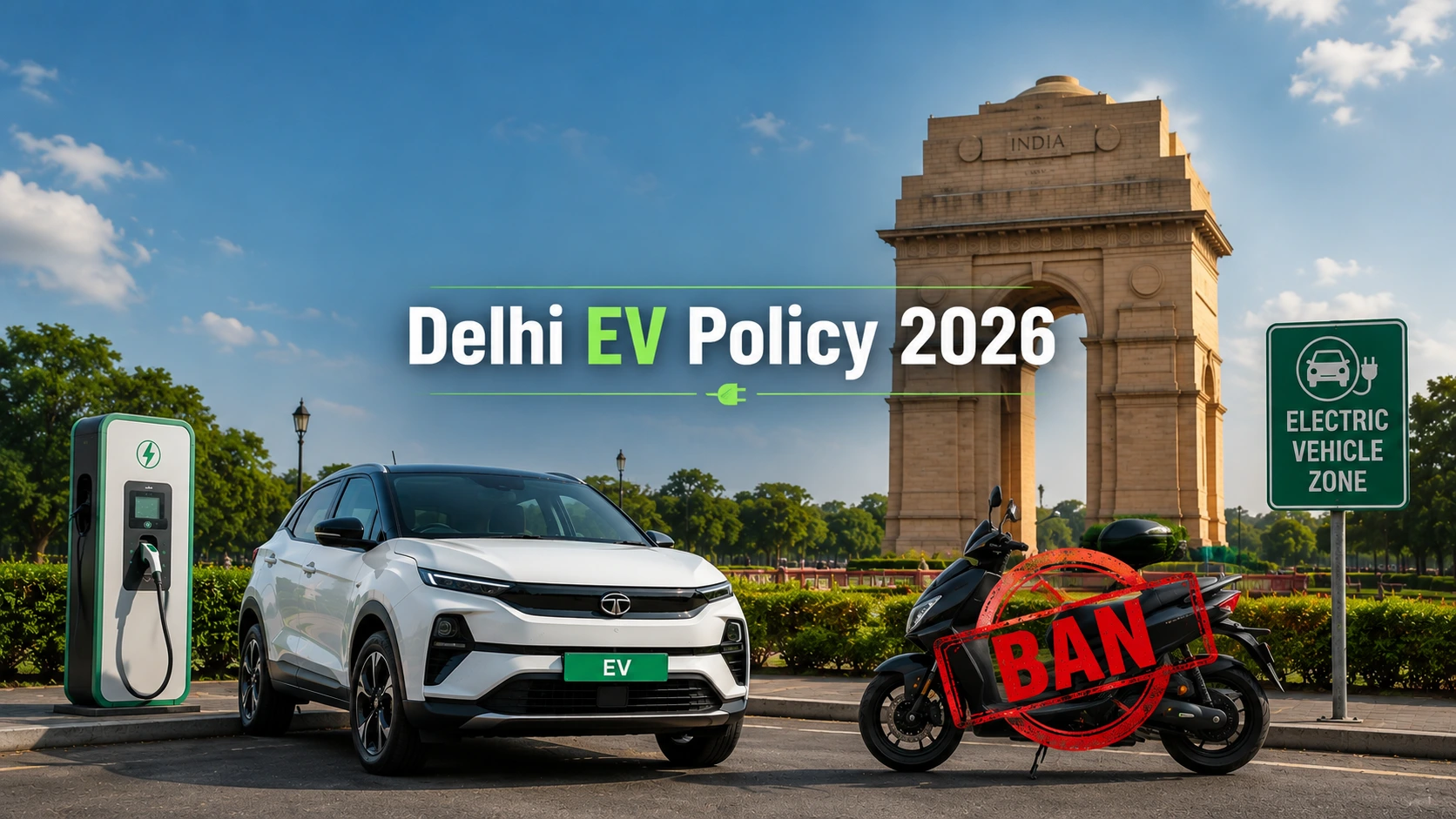
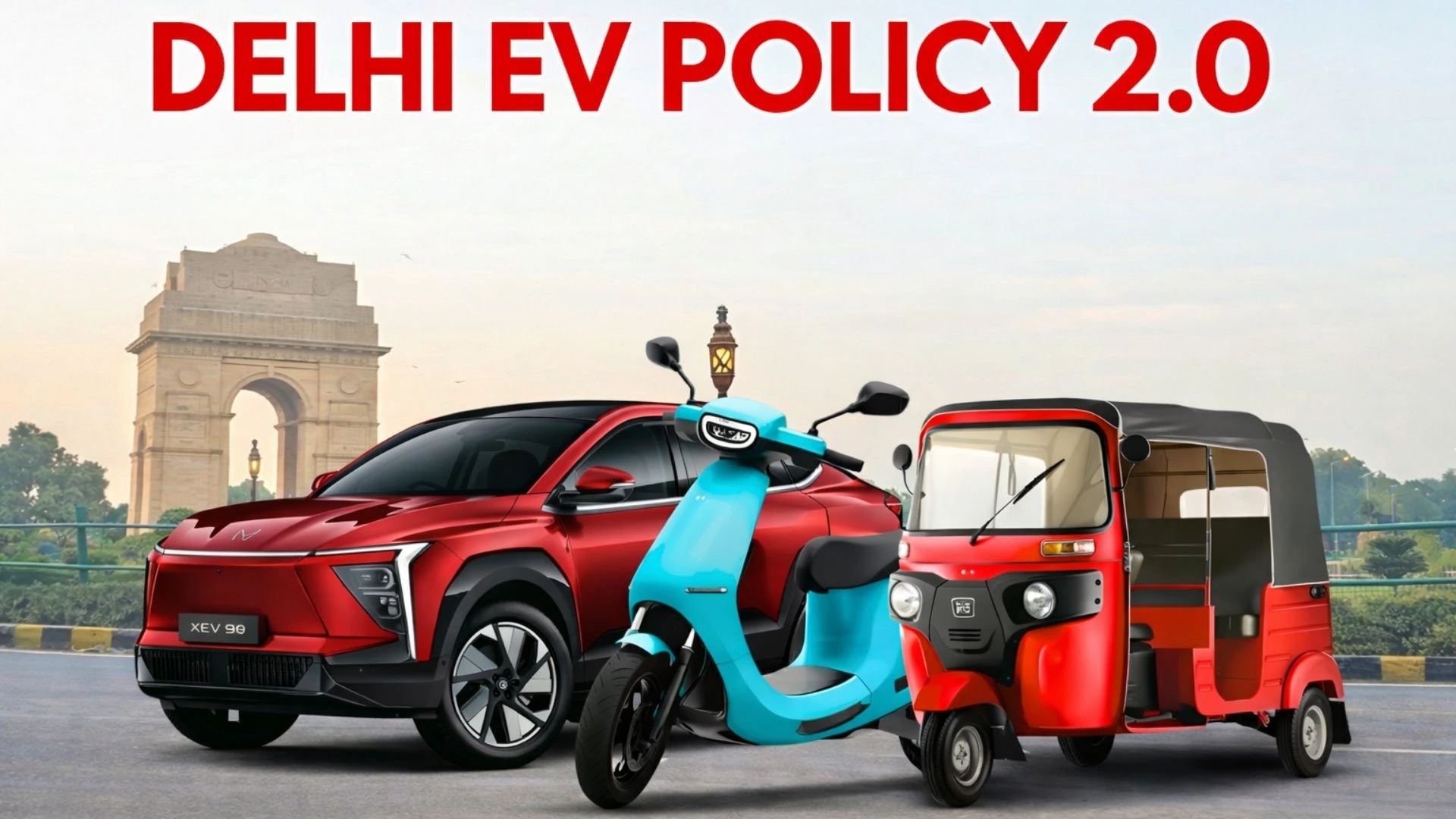
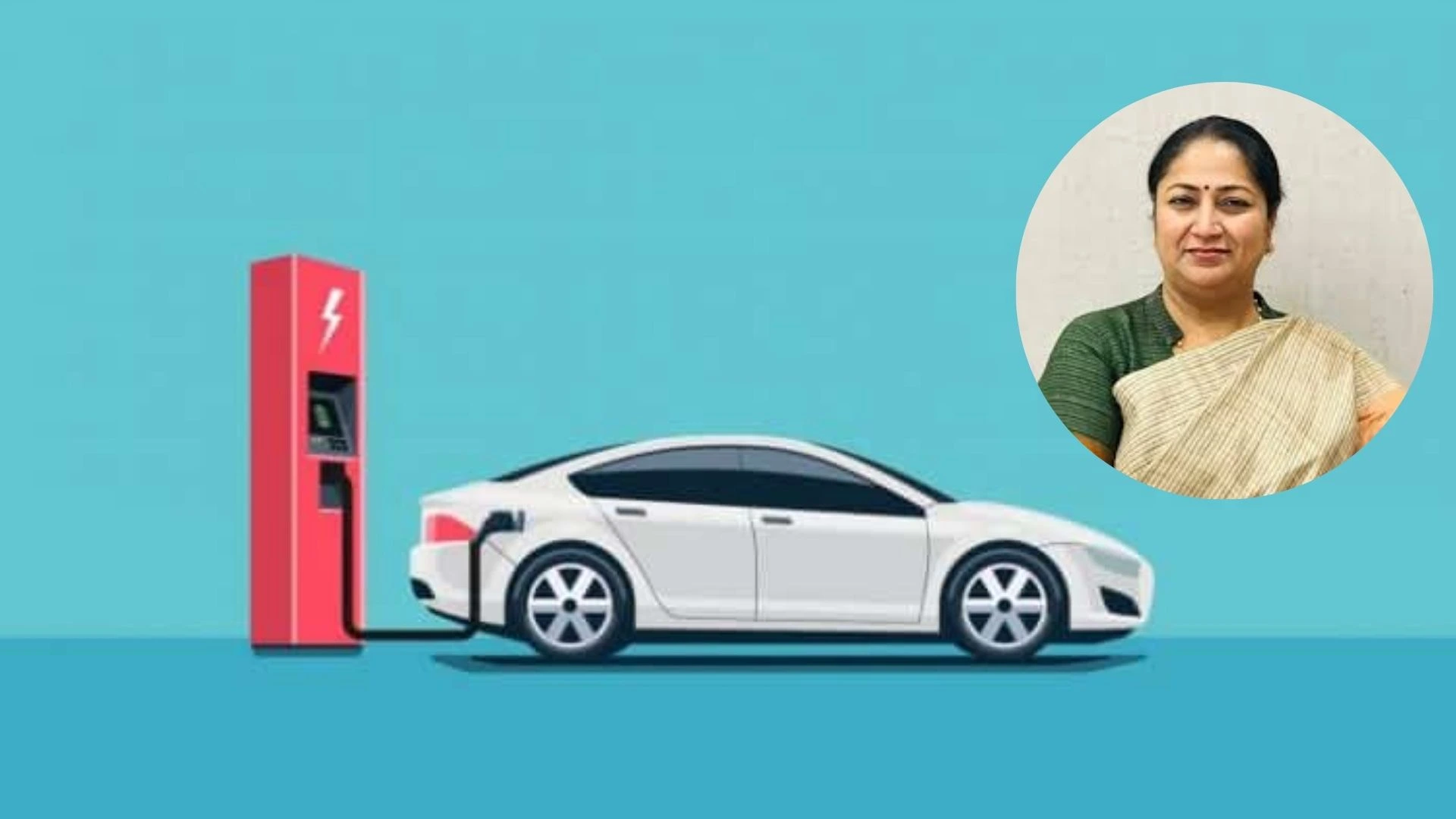
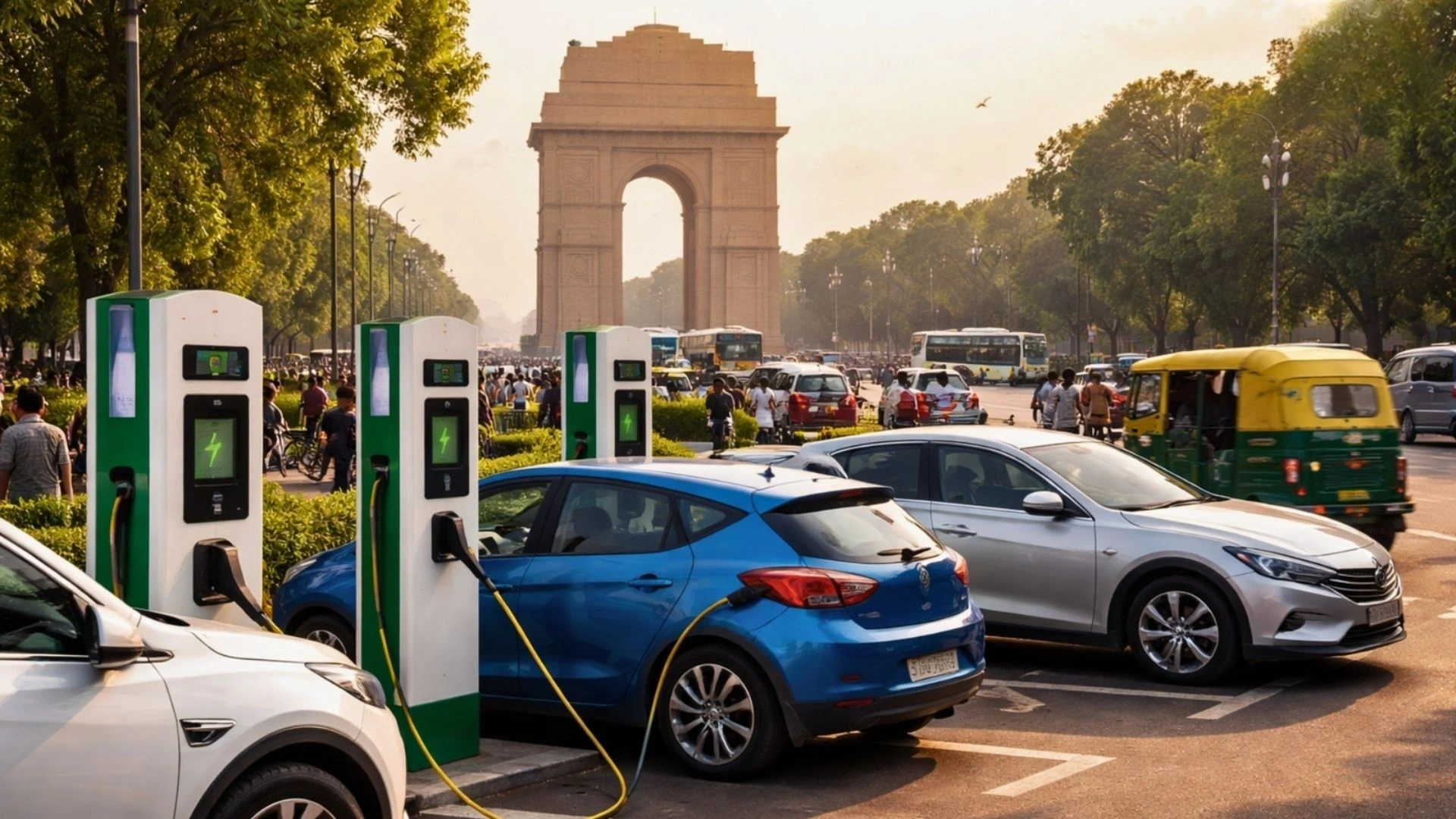
▼Delhi's skies could soon breathe easier, with families gliding through cleaner streets in affordable electric rides, turning daily commutes into guilt-free adventures. Chief Minister Rekha Gupta announced the new Delhi EV Policy on Saturday, set to roll out from the next financial year. Focused on subsidies, scrappage incentives, and neighborhood charging, this initiative aims to make Delhi India's EV capital while slashing air pollution.
The policy promises to bridge the price gap between ICE vehicles and EVs, making green mobility accessible to every middle-class household.
Delhi EV Policy 2026: Key Highlights
|
Feature |
Details |
|
Launch Timeline |
Next financial year (April 2026) |
|
Core Goal |
Position Delhi as India's EV hub |
|
Subsidies |
Price gap reduction (amounts TBD) |
|
Scrappage Incentives |
Extra benefits for old vehicle owners buying EVs |
|
Charging Focus |
Neighborhood stations, single-window approvals |
|
Additional Plans |
Battery swapping, scientific disposal |
CM Gupta emphasized: "EVs should be affordable for every family, with charging as easy as plugging in a phone."
Subsidies to Make EVs Affordable
The cornerstone of the Delhi new EV policy is direct subsidies to close the cost difference between petrol/diesel cars and electric vehicles. While exact figures await finalization, the government targets middle-class buyers to accelerate adoption.
Subsidy Benefits:
- Direct financial support on EV purchase price.
- Incentives scaled for two-wheelers, three-wheelers, and four-wheelers.
- Aimed at making upfront costs competitive with traditional vehicles.
This addresses the key barrier — higher initial EV pricing — boosting sales in Delhi's congested roads.
Vehicle Scrappage Scheme
A major push comes via EV scrappage incentives, rewarding owners who ditch polluting old vehicles.
Scrappage Highlights:
- Scrap old petrol/diesel vehicles for extra EV purchase benefits.
- Removes high-emission vehicles from roads.
- Financial rebates tied to scrapping certification.
The CM's office confirmed: "Citizens scrapping old vehicles get additional perks when buying new EVs," promoting circular economy principles.
Neighborhood Charging Revolution
Charging anxiety ends with community-level infrastructure expansion.
Charging Infrastructure Plans:
- Residential colony stations for home-like convenience.
- Single-window approval system to speed installations.
- Battery swapping stations for quick swaps.
- Scientific battery disposal to minimize e-waste.
These measures ensure "charging as easy as a mobile phone," with reduced wait times and environmental safeguards.
Impact on Delhi's Mobility Landscape
|
Stakeholder |
Benefits |
|
Buyers |
Lower EV costs + easy charging |
|
Environment |
Reduced emissions, cleaner air |
|
Industry |
Boosted EV manufacturing/sales |
|
Government |
Pollution targets met faster |
The policy aligns with national EV goals while tackling Delhi's acute air quality crisis.
Why This Policy Matters
Delhi's new EV policy with subsidies could transform urban mobility, making electric cars, bikes, and autos mainstream. By combining affordability, scrappage rewards, and charging ease, it creates a holistic ecosystem. As Gupta noted, this position Delhi as the "EV hub of India," potentially inspiring other states.
Expect detailed subsidy slabs and an implementation roadmap soon, with the policy live from April 2026.
Neha Mehlawat
Neha Mehlawat is an automotive journalist and industry analyst with 10+ years of experience covering cars, bikes, and mobility trends. She tracks the latest launches, technology upgrades, and policy changes in the auto sector, delivering sharp insights that help readers stay ahead in the fast-evolving world of automobiles.