Table of Content
▼- Technical Breakdown: Engine Architecture and Power Delivery
- Suspension and Chassis: Which One Rides Better on Indian Roads?
- Does the Tech Package Justify the Price Difference?
- The 42 Bobber Advantage
- The Perak Advantage
- Weight, Dimensions, and Fuel Economy
- Critical Analysis: Where Can These Motorcycles Improve?
- The Jawa 42 Bobber
- The Jawa Perak
- Are the Costs Justified? The Price Gap
- Final Verdict: Which Bobber Should You Buy?
- Buy the Jawa 42 Bobber if:
- Buy the Jawa Perak if:
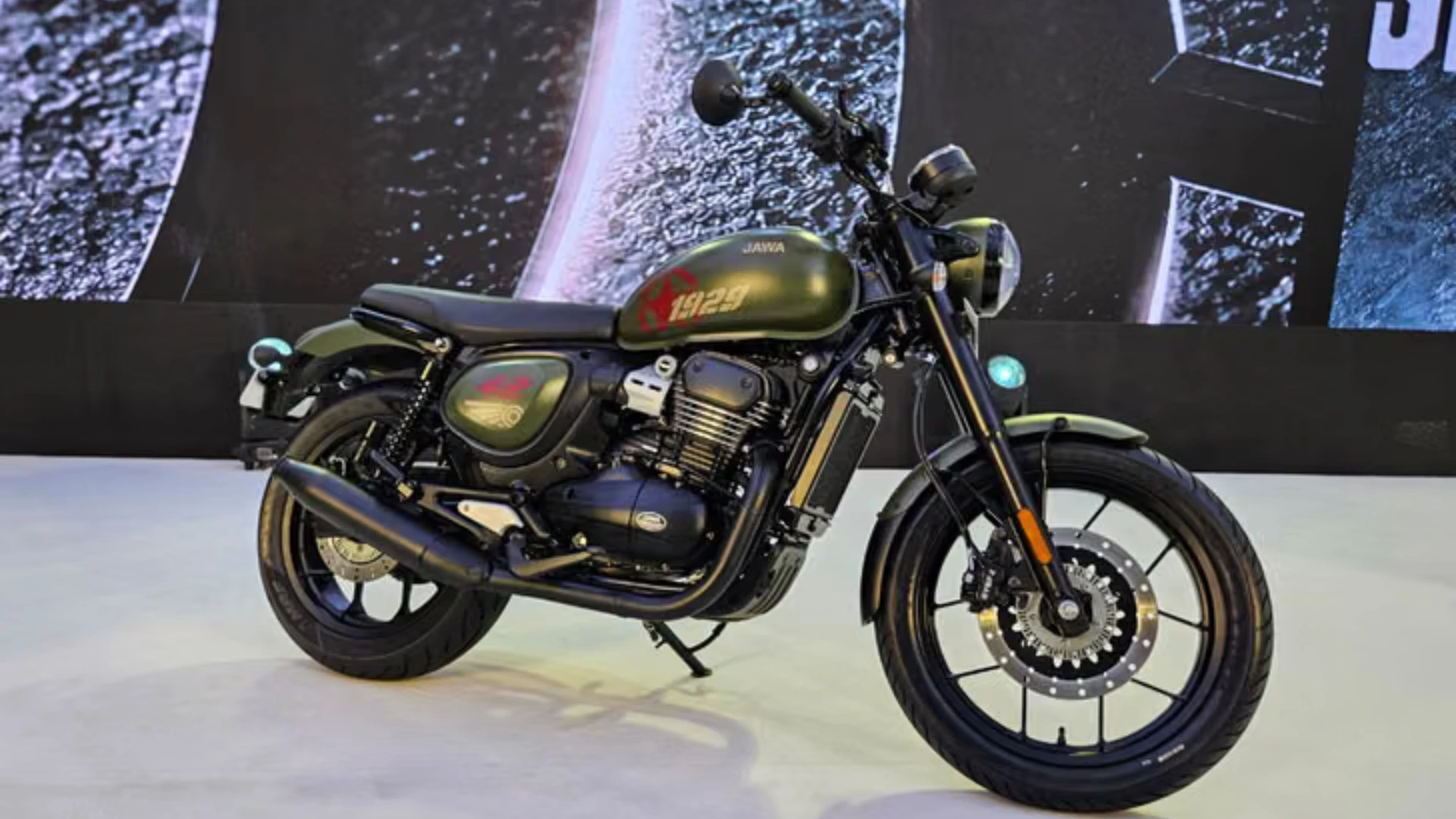
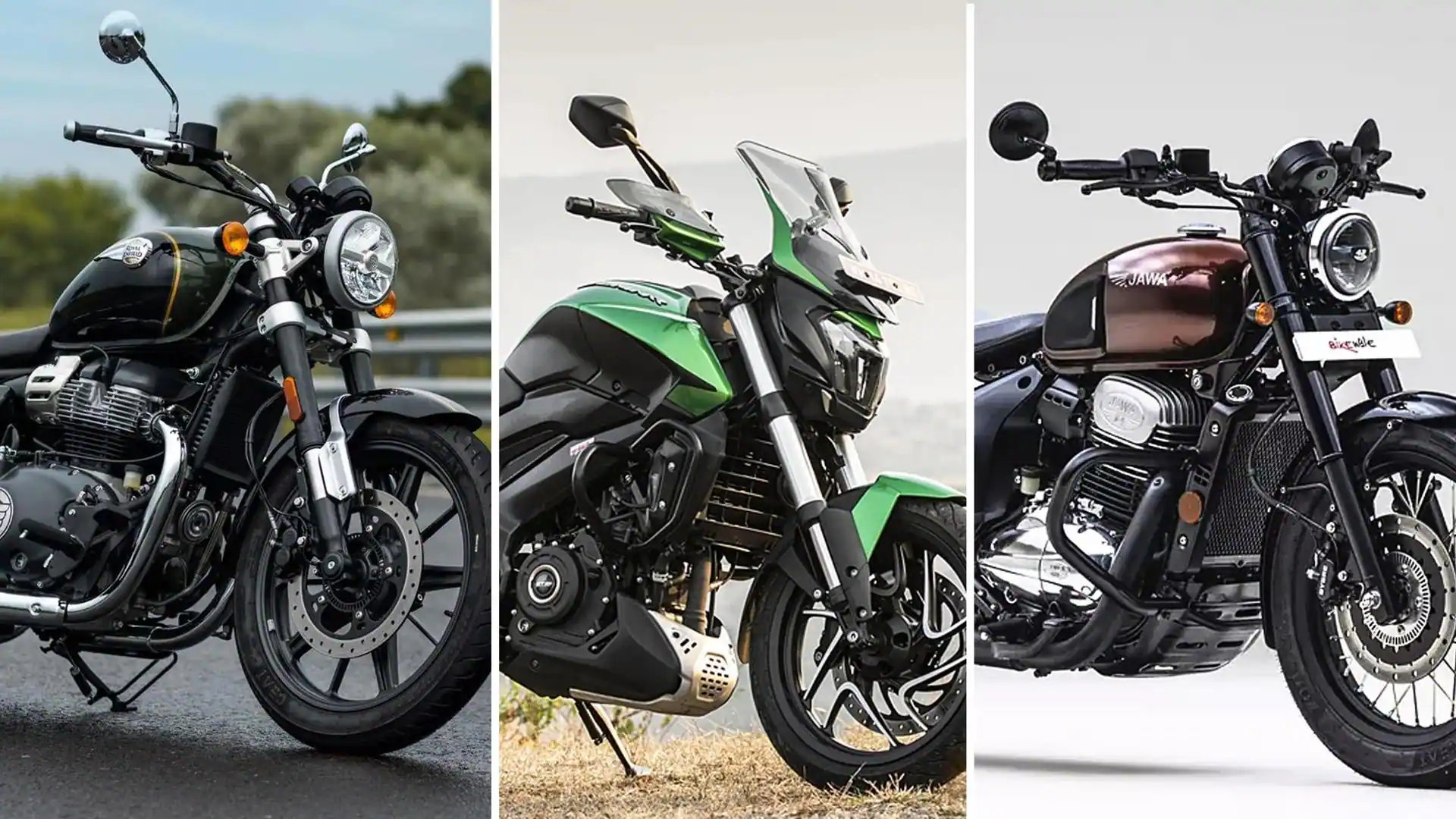
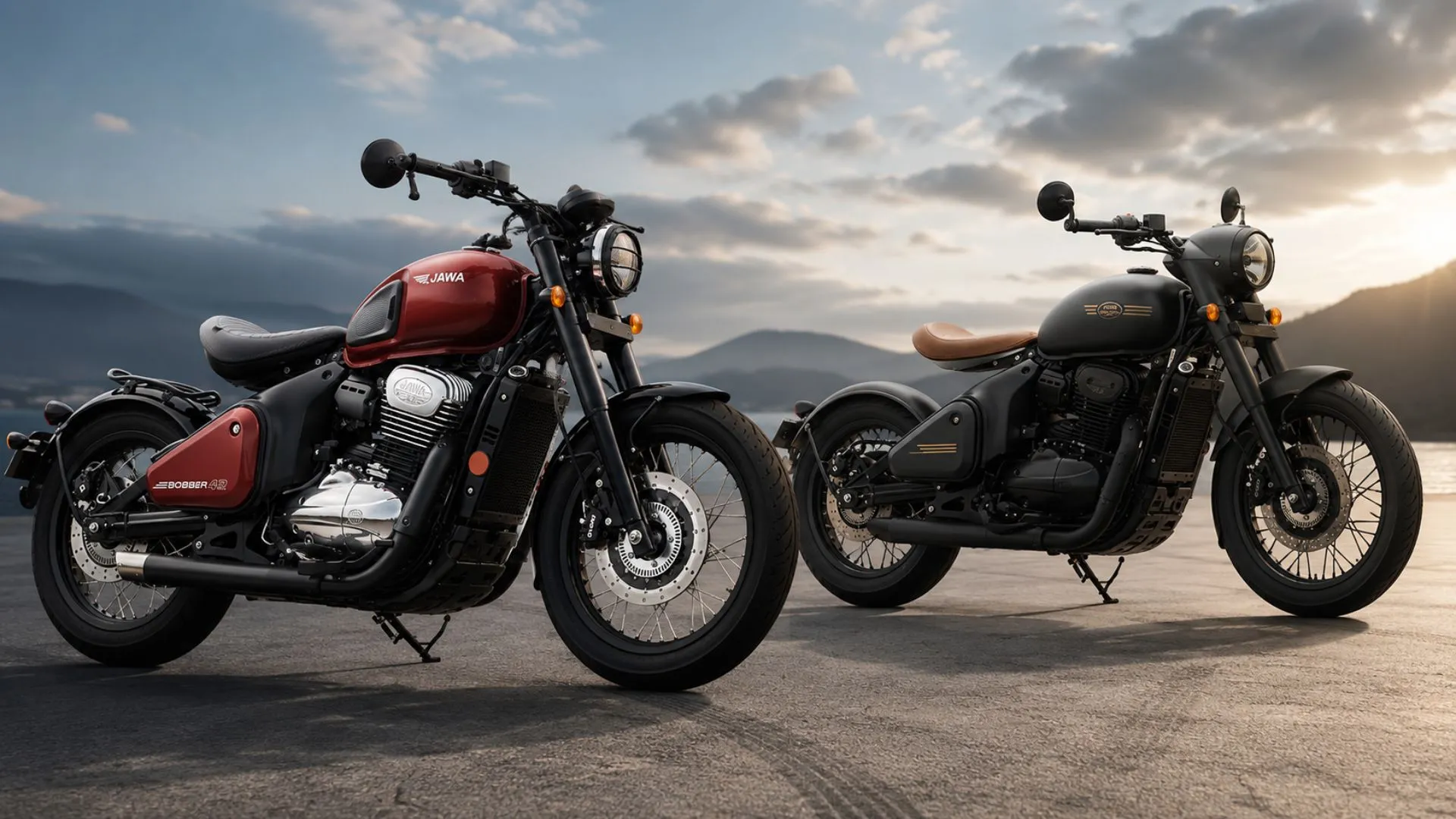
The 2026 Indian bobber market sees its most popular comparison between the Jawa 42 Bobber and Perak because of the fast-growing retro motorcycle segment. The two motorcycles share a common 334cc engine and both display the Jawa brand yet they belong to different price categories which create a distinction between their two riding experiences.
This guide cuts through the noise and tells you exactly which bobber earns its place in your garage.
Technical Breakdown: Engine Architecture and Power Delivery
Both bikes share the same core engine, a 334cc, single-cylinder, liquid-cooled, DOHC unit that meets BS6 Phase 2 standards. The two bikes perform differently because of their distinct tuning methods.
|
Feature |
Jawa 42 Bobber |
Jawa Perak |
|---|---|---|
|
Engine Type |
334cc, Single-Cyl., Liquid-Cooled, DOHC |
334cc, Single-Cyl., Liquid-Cooled, DOHC |
|
Maximum Power |
29.9 PS @ 7,500 rpm |
30.6 PS @ 7,500 rpm |
|
Peak Torque |
30 Nm @ 5,500 rpm |
32.7 Nm @ 6,000 rpm |
|
Transmission |
6-Speed Manual |
6-Speed Manual |
|
Clutch |
Assist & Slipper |
Assist & Slipper |
|
Top Speed |
~145 km/h |
~135 km/h |
|
0–60 km/h |
~3.9 seconds |
~4.2 seconds |
The 42 Bobber demonstrates better city performance than the Perak because its slipper clutch system and more aggressive throttle response provide sharper control. The Perak builds power in a mellower, more linear fashion, a trait that suits relaxed highway cruising far better than city stop-go traffic.
Suspension and Chassis: Which One Rides Better on Indian Roads?
Both bikes use a double-cradle tubular frame, which serves as a reliable base for the bobber riding style. The two suspension systems show different design objectives through their actual suspension components.
|
Hardware Component |
Jawa 42 Bobber |
Jawa Perak |
|---|---|---|
|
Front Suspension |
Telescopic Forks, Ø35mm |
Telescopic Forks, Ø35mm |
|
Rear Suspension |
Monoshock, 7-Step Preload Adj. |
Monoshock, 7-Step Preload Adj. |
|
Front Brake |
280mm Disc, 2-Piston Calliper |
280mm Disc, Floating Calliper |
|
Rear Brake |
240mm Disc |
240mm Disc |
|
ABS |
Dual-Channel |
Dual-Channel |
|
Seat Height |
740 mm |
750 mm |
|
Wheelbase |
1,485 mm |
1,485 mm |
|
Kerb Weight |
185 kg |
185 kg |
The 42 Bobber's 10mm lower seat height makes it notably more accessible for shorter riders which provides a real benefit to Indian city environments. Both bikes draw criticism for suspension that struggles on severely broken roads. The Perak's floating front calliper, however, delivers slightly superior braking feel under hard stops.
Also Read: Collision Coverage Insurance in India 2026 Complete Guide
Does the Tech Package Justify the Price Difference?
The two bikes show their biggest differences in their cockpit areas. The 42 Bobber clearly targets the tech-conscious modern buyer while the Perak maintains its factory-custom aesthetic through its minimalist design.
The 42 Bobber Advantage
Full LED illumination, a retro-style analogue cluster with a comprehensive LCD digital inset displaying gear position, tachometer, trip meters, service indicator, and fuel readout. It is unambiguously the more feature-rich motorcycle of the two.
The Perak Advantage
The speedometer shows analog readings while the digital odometer displays its measurements through a small embedded display. The design exists as a design philosophy which the designers created without any intention of saving costs. The Perak maintains halogen headlighting usage throughout its single model which contrasts with the modern full LED system of the 42 Bobber.
|
Feature |
Jawa 42 Bobber |
Jawa Perak |
|---|---|---|
|
Instrument Cluster |
Analogue + Full Digital LCD |
Analogue + Small Digital Inset |
|
Headlight |
Full LED |
Halogen (LED tail lamp only) |
|
Gear Position Indicator |
Yes |
No |
|
Service Indicator |
Yes |
No |
|
Colour Options |
7 (Spoke + Alloy variants) |
1 (Stealth Black only) |
|
ABS Type |
Dual-Channel |
Dual-Channel |
Weight, Dimensions, and Fuel Economy
A question that potential buyers commonly ask seeks to identify which vehicle model provides superior fuel efficiency during extended driving periods. The answer is unambiguous.
|
Dimension / Economy |
Jawa 42 Bobber |
Jawa Perak |
|---|---|---|
|
Kerb Weight |
185 kg |
185 kg |
|
Fuel Tank Capacity |
12.5 Litres |
13.2 Litres |
|
ARAI-Rated Mileage |
30.56 kmpl |
34.05 kmpl |
|
Real-World Mileage |
25–28 kmpl |
28–32 kmpl |
|
Highway Mileage |
~27 kmpl |
32+ kmpl |
The Perak's 3.5-kmpl real-world efficiency advantage, combined with a 0.7-litre larger tank, translates into a meaningfully greater highway range between fuel stops, which serves as a crucial element for weekend tourers who travel 300-400 kilometer distances.
Critical Analysis: Where Can These Motorcycles Improve?
The Jawa 42 Bobber
The 42 Bobber has many features but its instrument cluster does not meet the quality standards of its premium market position. The transmission system at low speeds operates with evident mechanical issues while the adjustable suspension system fails to completely hide road bumps during operation. The motorcycle faults which Jawa must resolve are present in their product which costs less than ₹2.22 lakh.
The Jawa Perak
The Perak's single-variant, single-colour approach is a bold bet that limits its addressable audience. The exposed wiring which runs near the rear turn indicators together with the inconsistent weld quality at certain joints direct undermine the "factory-custom premium" which the bike commands. The 2026 Halogen headlights which cost ₹2.54 lakh on-road present an undefendable case. The Perak exhibits difficulties when operating in heavy urban traffic because its engine requires elevated RPMs to achieve safe movement through the city.
Also Read: BMW 7 Series vs Mercedes S-Class: Which Luxury Flagship Wins in 2026 India?
Are the Costs Justified? The Price Gap
Despite striking similarity as depicted on paper in terms of pricing, things change quite a lot once you hit the road.
|
Variant |
Price (Ex-Showroom) |
|---|---|
|
Jawa 42 Bobber |
₹1.95 lakh – ₹2.22 lakh |
|
Jawa Perak |
₹1.99 lakh (single variant) |
Final Verdict: Which Bobber Should You Buy?
The option between Jawa 42 Bobber and Perak primarily depends on the goal of riding.
Buy the Jawa 42 Bobber if:
- You ride primarily in city traffic and need smoother, more tech-assisted daily performance
- You want full LED lighting, a richer digital cluster, and gear position display
- Colour personalisation matters, 7 options across spoke and alloy wheel variants
- Budget is a priority and you want the most feature-rich entry into the bobber segment
Buy the Jawa Perak if:
- You are a solo touring rider for whom highway efficiency and range are non-negotiable
- You want the most dramatically styled, factory-custom bobber under ₹3 lakh on-road
- The stealth black, minimalist aesthetic aligns with your riding identity
- You prefer an authentic, raw bobber experience over a gadget-rich package
The Jawa 42 Bobber functions as the better daily bobber because it combines intelligent design with practical features. The Jawa Perak functions as the ultimate machine for purists because it maintains its original character everything except for essential comfort. The two models introduce a new concept to India's sub-400cc segment because they deliver authentic factory bobbers which maintain their character while remaining affordable.
Frequently Asked Questions
Karan Bhatia
Karan Bhatia is an automobile expert and reviewer with 8+ years of experience test-driving cars, bikes, and EVs. He provides honest, detailed, and practical reviews that highlight performance, design, safety, and value for money. His expert insights help readers make confident choices when buying their next vehicle.