Table of Content
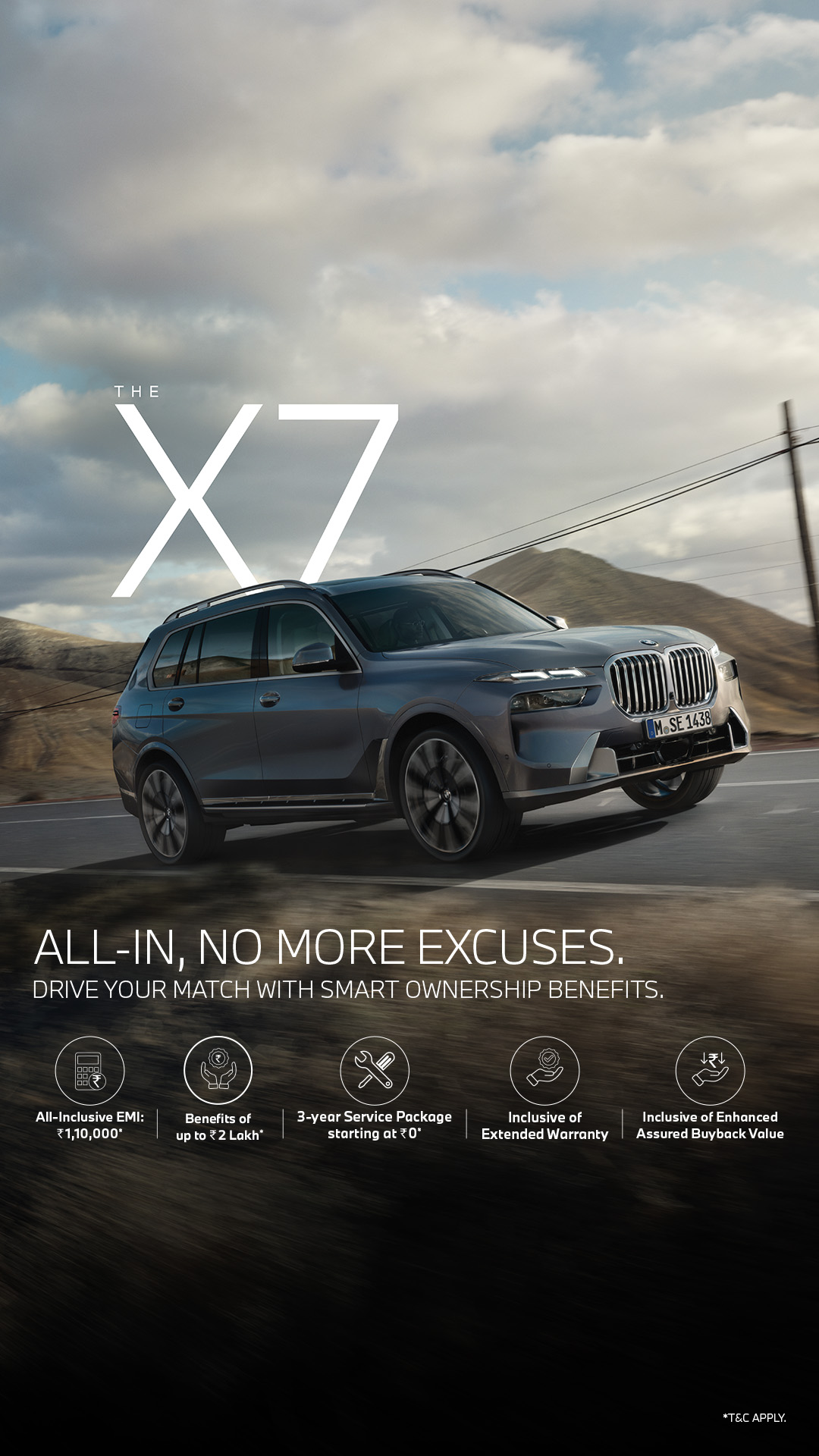
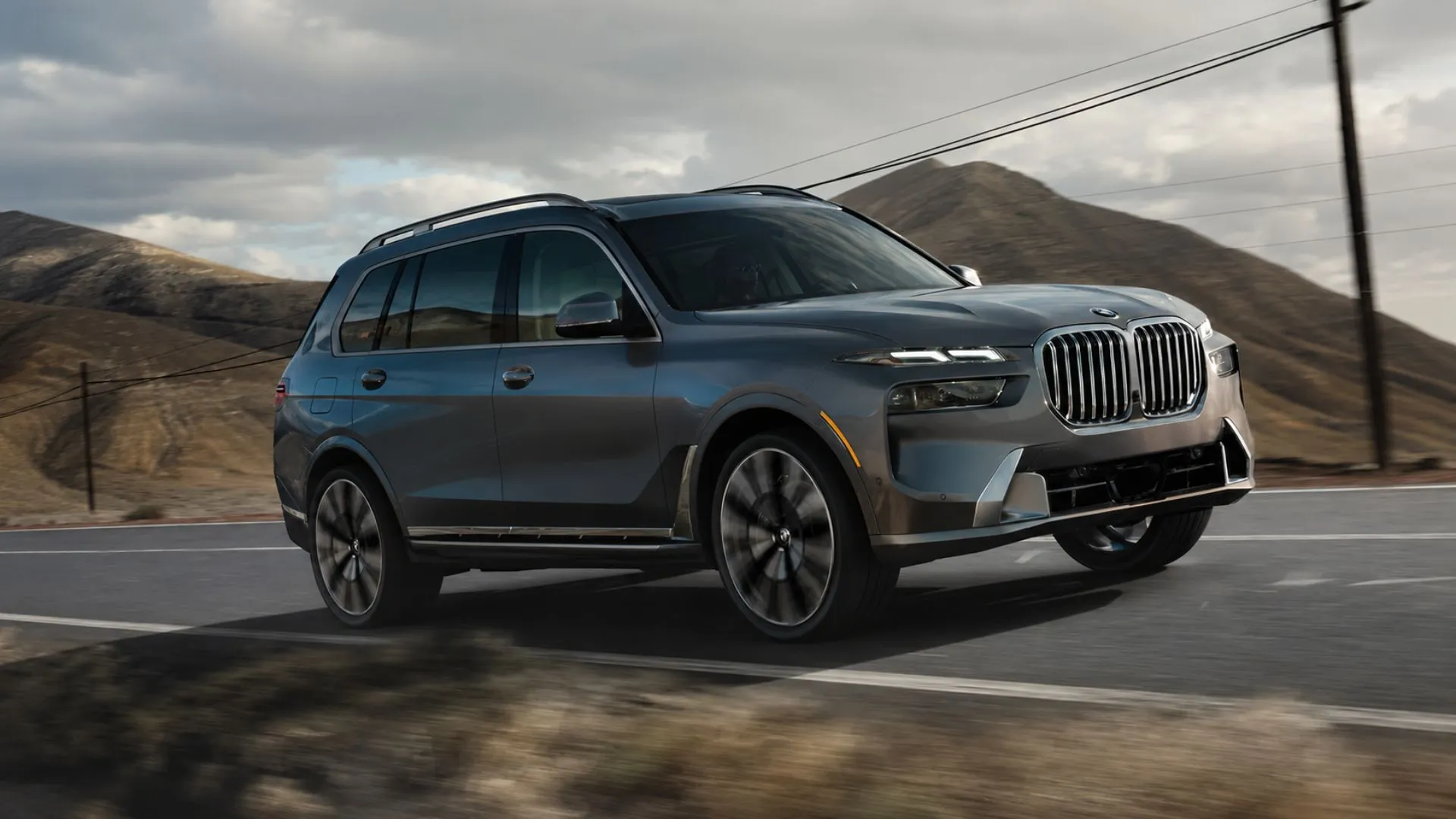
▼The BMW X7 has kind of quietly become the answer to a very specific Indian question, what do you buy once the sedan stops feeling big enough, but you still need to arrive looking like you mean business. Across boardrooms, factory visits, and business districts from Gurgaon to Bengaluru, this flagship SUV is showing up more and more often in the spot reserved for the corner office, and honestly, the reasons go well beyond just the badge.
It's not really about flash. It's about a car that works two jobs at once, on a Tuesday morning it's a self-driven executive vehicle, and by evening it's the chauffeur-driven ride pulling up outside a client dinner. That kind of dual life is exactly what India's business class has started demanding from a flagship SUV, and the X7 has ended up being the one that answers it most convincingly.
Why Is Everyone Suddenly Talking About the X7?
BMW Group India, for what it's worth, just posted its highest-ever first-quarter sales in early 2026, and Sports Activity Vehicles, that's BMW's own term for its SUVs, grew 38% year-on-year to make up roughly 65% of total sales. Long wheelbase models grew 23% in the same period and now cross half of total volume, largely on the back of chauffeur-driven executives and comfort-first buyers.
That's not a small shift. It says something structural is happening, fewer status sedans, more flagship SUVs doing double duty as a mobile office.
Also Read: How Colour Choice Impacts Luxury Car Resale Value in India: 2026 ultimate Guide
Built Around How Indian Executives Actually Travel
About the Indian luxury market there is this thing everyone kind of misreads, global carmakers, they mostly get it wrong. People here ride with chauffeurs far more often than in Europe or the US , so that rear-seat space is not just a detail, it’s a real deal purchase point, like not something tucked into a brochure and forgotten. BMW’s long-wheelbase, first approach has made the brand unusually popular among executives who want that “first-class” vibe in the back, while they don’t really want to lose how the car feels when you drive it too.
The X7 sits right at the top of that thinking. Unlike most full-size rivals that lean almost entirely into rear-seat luxury, the X7 keeps the driver genuinely in the picture, it's noticeably responsive for something this large. For a business owner who's sometimes behind the wheel and sometimes in the back seat on a call, that's not a small thing.
BMW X7 Specifications and Variants
|
Variant |
Engine |
Power |
Torque |
0–100 kmph |
|---|---|---|---|---|
|
xDrive40i M Sport |
3.0L Turbo-Petrol |
375 bhp |
520 Nm |
5.8 sec |
|
xDrive40d M Sport |
3.0L Turbo-Diesel |
340 bhp |
700 Nm |
~6.1 sec |
Both come with an 8-speed automatic and xDrive all-wheel drive, backed by a 48V mild-hybrid system that smooths out the low-end response and helps efficiency a little.
Key dimensions, for reference:
- Length: 5,181 mm
- Width: 2,000 mm
- Height: 1,835 mm
- Wheelbase: 3,105 mm
- Seating: 6-seater with captain chairs, or 7-seater with a bench middle row
BMW X7 Price
|
Variant |
Ex-Showroom Price (Approx.) |
|---|---|
|
xDrive40i M Sport |
₹1.27 Crore |
|
xDrive40d M Sport |
₹1.30 – 1.36 Crore |
|
Signature Edition (Limited) |
₹1.33 Crore+ |
Prices move around a bit city to city and month to month, so it's worth double-checking the latest on-road number with your local dealer before you actually book.
How Does the X7 Compare to Its Rivals?
|
Competitor |
X7 Advantage |
Rival Advantage |
|---|---|---|
|
Mercedes-Benz GLS |
More driver engagement, sportier character |
More opulent, comfort-focused rear seat |
|
Audi Q8 |
Better third-row practicality, sharper handling |
Sportier design, more tech-forward cabin |
|
Land Rover Defender |
More refined on-road manners, sharper dynamics |
Stronger off-road credentials, boxier utility |
If pure rear-seat indulgence is the only thing that matters to you, the GLS probably edges it. But if you want a flagship that's just as rewarding to actually drive, the X7 makes the stronger case, and that's really the whole point of this piece.
Why Business Leaders Are Choosing the X7
- Dual-purpose usability: self-driven executive sedan-ish on weekdays, chauffeur-driven family SUV sort of thing on weekends, it’s the same car but two roles that feel totally different.
- A cabin that works as a workspace: ambient lighting, multi-zone climate control, and a curved dual-screen iDrive 8.5 setup that actually makes sense for calls and reviewing documents on the move.
- Serious road presence: at over 5.1 metres long, riding on 21-inch wheels, this thing signals scale in a way that matters at client-facing arrivals.
- Configurability: six-seat captain chairs for solo executive comfort, or a seven-seat bench when the family needs to come along.
- Strong resale value, backed by BMW's brand equity and steady demand in the used luxury SUV market.
- Local manufacturing, assembled at BMW's Chennai plant, which helps on the after-sales and parts-availability front.
Also Read: Is the Volvo EX30 a Good First Electric Car? Pros & Cons
What to Watch Out For
- Running costs sit firmly in flagship-European territory, this isn't a car you buy expecting mainstream-brand maintenance bills.
- Real-world mileage lands around 11–14 kmpl, which is about what you'd expect for something this size and this powerful.
- BMW is reportedly evaluating a long-wheelbase X5 for a later India launch, positioned between the regular SUVs and the X7, worth tracking if rear comfort at a lower price point is your real priority.
Buy It If
- You genuinely need one SUV that works both as a self-driven executive car and a chauffeur-driven family vehicle.
- You want flagship-level road presence without giving up on driving engagement entirely.
- Six- or seven-seat flexibility actually matters for how you use the car day to day.
Think Before Buying If
- The single most cosseting rear seat available, at any cost, is your only real criterion.
- You almost never plan to drive it yourself.
- Running costs are a genuine constraint rather than a footnote in your decision.
Conclusion
BMW X7 has turned into something more than just a luxury SUV for India's business class, it's become a working tool for leaders who need one vehicle that performs in the boardroom, on the highway, and from the driver's seat, all without missing a beat. Between its chauffeur-ready comfort, real driving dynamics, and flexible seating, it answers a very specific need that's become common among India's executives, a car that doesn't force you to pick between being driven and driving. For business leaders weighing their next flagship purchase, the X7 remains one of the most versatile, well-rounded options out there right now.
Frequently Asked Questions
Karan Bhatia
Karan Bhatia is an automobile expert and reviewer with 8+ years of experience test-driving cars, bikes, and EVs. He provides honest, detailed, and practical reviews that highlight performance, design, safety, and value for money. His expert insights help readers make confident choices when buying their next vehicle.