Table of Content
▼The affordable car budget India conversation has shifted considerably over the past decade and a half, and honestly, the numbers tell a story that goes well beyond simple inflation.
In the past, with a sum of Rs. 5 lakh, you could enter India’s new car market and select from various hatchbacks and, depending on the model, even own a sedan that felt desirable. Today, Rs. 5 lakh will only allow you to enter the market. Real shopping starts only with Rs. 10 lakh.
When Rs 5 Lakh Was Enough
The Maruti Suzuki Swift was launched during the year 2010-11 with a price of approximately Rs.4.33 lakh. Interestingly, though the car wasn't considered a low-cost vehicle, it was viewed as a premium automobile and consequently attracted a large number of aspiring customers.
This is the essence of the contrast; fifteen years ago, having a budget of Rs. 5 lakh didn’t necessarily mean you had to opt for the cheapest available automobile.
Also Read: Kia Sorento vs Toyota Fortuner: Full Comparison Guide
What Rs 5 Lakh Gets You Today
The affordable car budget India offers at the Rs. 5 lakh mark has narrowed considerably compared to a decade and a half ago.
|
Model |
Starting Price (Ex-Showroom) |
Top Automatic Variant |
|---|---|---|
|
Maruti Suzuki Alto K10 |
Rs. 3.70 lakh |
Rs. 5.45 lakh |
|
Maruti Suzuki Wagon R |
Rs. 4.99 lakh |
— |
|
Maruti Suzuki Swift |
Rs. 5.84 lakh |
— |
|
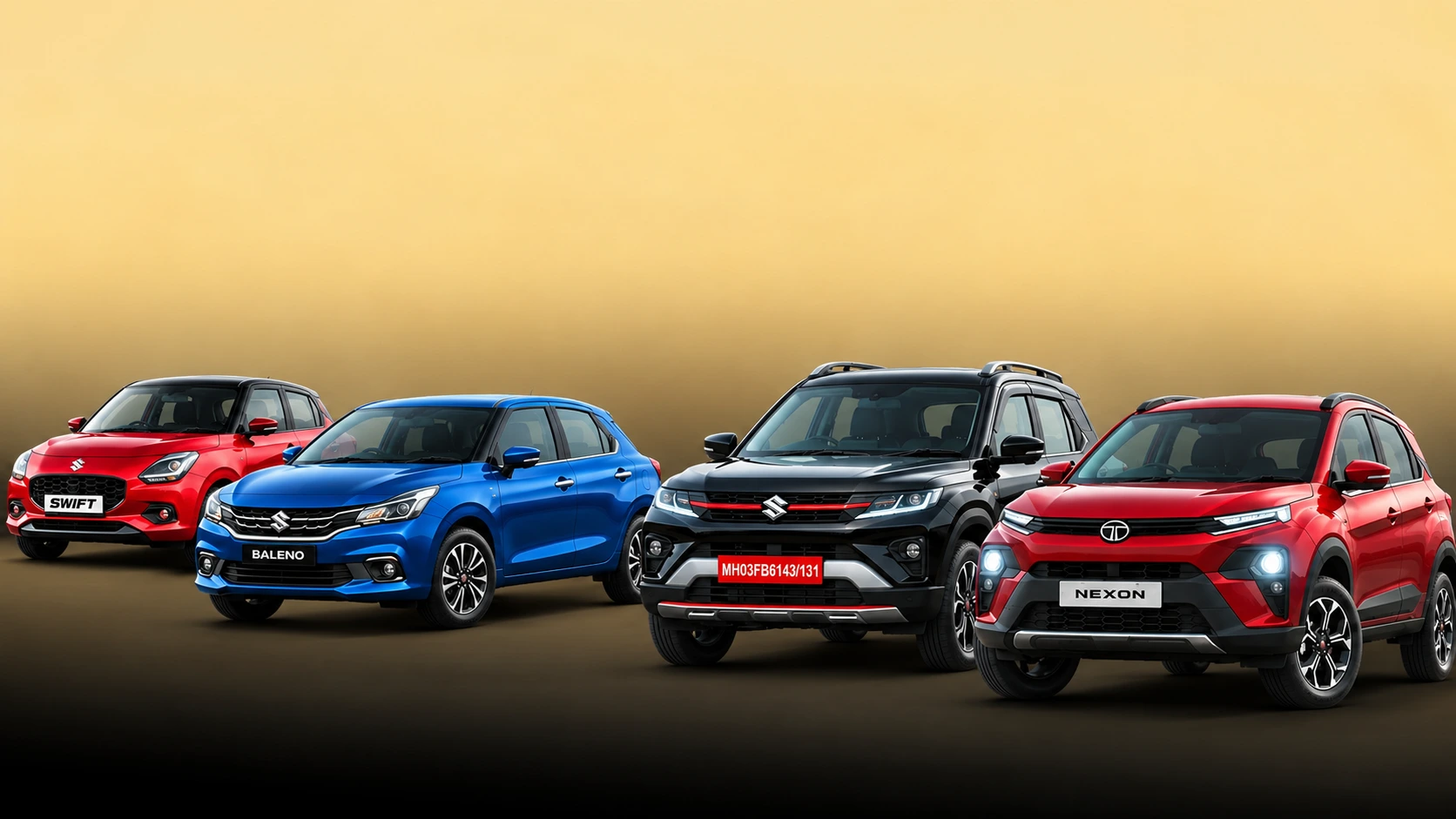
Maruti Suzuki Baleno |
Around Rs. 6 lakh |
Nearly Rs. 10 lakh |
Key Takeaway
- Rs. 5 lakh can still buy a new car, but the moment you want a larger hatchback, more equipment, or an automatic gearbox, the budget starts climbing quickly.
Rs 10 Lakh Changes the Conversation
At around Rs. 10 lakh, the choices become considerably broader. Depending on the model, you can look at a well-equipped premium hatchback, a compact sedan, a compact SUV, or even a larger SUV in a lower variant.
More importantly, you get to choose:
- Which body style suits your needs, hatchback, sedan, or SUV
- Which engine works best for your driving pattern
- Whether an automatic gearbox is worth the extra spend
- Which features are actually worth paying for
That is broadly what Rs. 5 lakh represented to buyers a decade or two ago. There is, however, an important catch. These are ex-showroom prices. A Rs. 10 lakh car can easily cross Rs. 11-12 lakh on-road once registration, insurance, and other charges are added. For many buyers, therefore, the psychological Rs. 10 lakh barrier is actually higher in real-world terms.
Also Read: Cars Cheaper Than iPhone Duo: 5 Options Under Rs 4.5 Lakh
Cars Have Changed Too
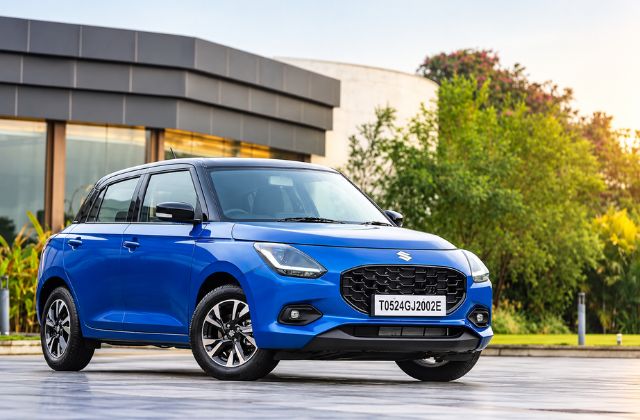
It would be unfair to look at these numbers and conclude that manufacturers have simply doubled car prices. A modern car is a very different product. Safety regulations are stricter, emissions norms are tougher, and buyers expect significantly more equipment.
- Six airbags and electronic stability control
- Touchscreen infotainment and connected-car technology
- Automatic climate control and rear AC vents
- Automatic transmissions moving further down the price ladder
All of this comes with a price tag. The recent price revisions provide evidence of the pressures faced by manufacturers. Maruti Suzuki has announced a price hike for certain models by as much as Rs. 20,000, effective September 2026. With input costs and inflation on the rise, this will be the third price hike that the car manufacturer has made this year. But rising costs have only a part to play in the story.
The SUV Effect
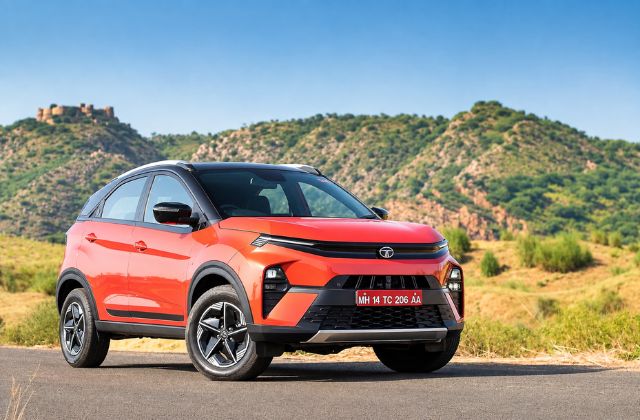
India's idea of the ideal family car has changed too. A hatchback may still make perfect sense, but many buyers are willing to spend more for an SUV's higher seating position, greater ground clearance, and more imposing design. Manufacturers have responded by packing the Rs. 8-12 lakh bracket with compact SUVs.
This has pushed budgets higher. A buyer who once started with Rs. 5 lakh may now begin at Rs. 7-8 lakh simply because they want an SUV. Add an automatic gearbox, a higher variant, and a few must-have features, and Rs. 10 lakh suddenly doesn't seem that far away. In fact, for some cars, it is where the variant most buyers actually want begins.
The Price You See Isn't Always the Price You Pay
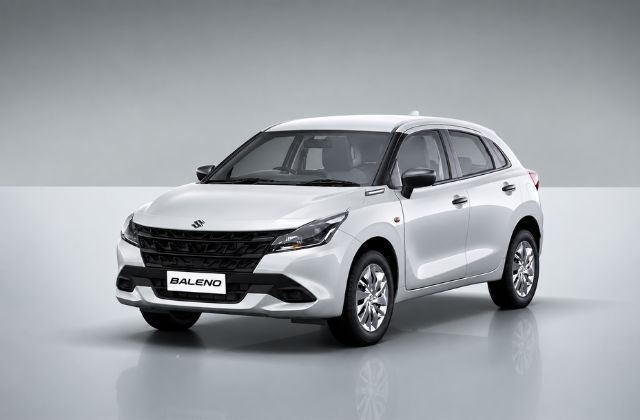
There's another reason Rs. 10 lakh has become such an important number: the starting price rarely tells the whole story. Manufacturers advertise attractive entry prices, but the base variant may not have the features most buyers expect.
Want an infotainment system? Need an automatic? Automatic climate control, alloy wheels, a sunroof, or ADAS? You could be several variants higher.
|
Starting Price |
Realistic Purchase Price (With Automatic) |
|---|---|
|
Rs. 6 lakh |
Rs. 8.5-9 lakh |
|
Rs. 8.5-9 lakh |
Rs. 10 lakh+ |
While a car may cost around Rs. 6 lakh, the final price may reach Rs. 8.5-9 lakh, taking the chosen variant into account. This is complemented by the choice of an automatic gearbox which leads to a price close to Rs. 10 lakh. That is why actual prices may be hard to connect to upfront pricing.
The Real Change Is in Our Expectations
Perhaps this is where the Rs. 5 lakh versus Rs. 10 lakh comparison makes the most sense. Ask what you can buy for Rs. 5 lakh today, and the conversation usually starts with entry-level hatchbacks.
At Rs. 10 lakh, it becomes a different discussion altogether:
- Hatchback or SUV?
- Manual or automatic?
- Petrol, CNG, or electric?
- Which variant gives you the features you actually want?
You are no longer simply trying to find the cheapest new car you can afford. You are choosing between different kinds of cars. And that is a pretty significant shift.
So, Is Rs 10 Lakh the New Rs 5 Lakh?
No, in true purchasing power, a car worth Rs. 10 lakh is not the same as a car worth Rs. 5 lakh fifteen years ago. The new car is safer, cleaner, better equipped, and more powerful in many respects.
However, considering the position of both prices in the buying landscape makes the disparity apparent. Rs. 5 lakh did index you well into the mainstream in the past, while now, it places you on the edge of the starting line. On the other hand, Rs. 10 lakh is becoming more of a threshold to enter the market lately.
Conclusion
The affordable car budget India buyers once relied on has moved considerably, and it isn't just that cars have become more expensive, our definition of an affordable new car has moved with them. Rs. 5 lakh once represented genuine choice in the mainstream market; today, that same sense of choice starts closer to Rs. 10 lakh. For anyone budgeting for a new car in 2026, treating Rs. 10 lakh as the realistic starting point for real options, rather than Rs. 5 lakh, will make for a far more accurate shopping experience.
Frequently Asked Questions
Aakash Mehra
Automotive Journalist & Car Reviewer. Aakash Mehra is a seasoned automotive journalist with over 9 years of experience in car journalism and consumer-focused reviews. Having test-driven more than 550+ vehicles, he delivers detailed comparisons, expert insights, and unbiased advice to help readers confidently choose the right car.