Table of Content
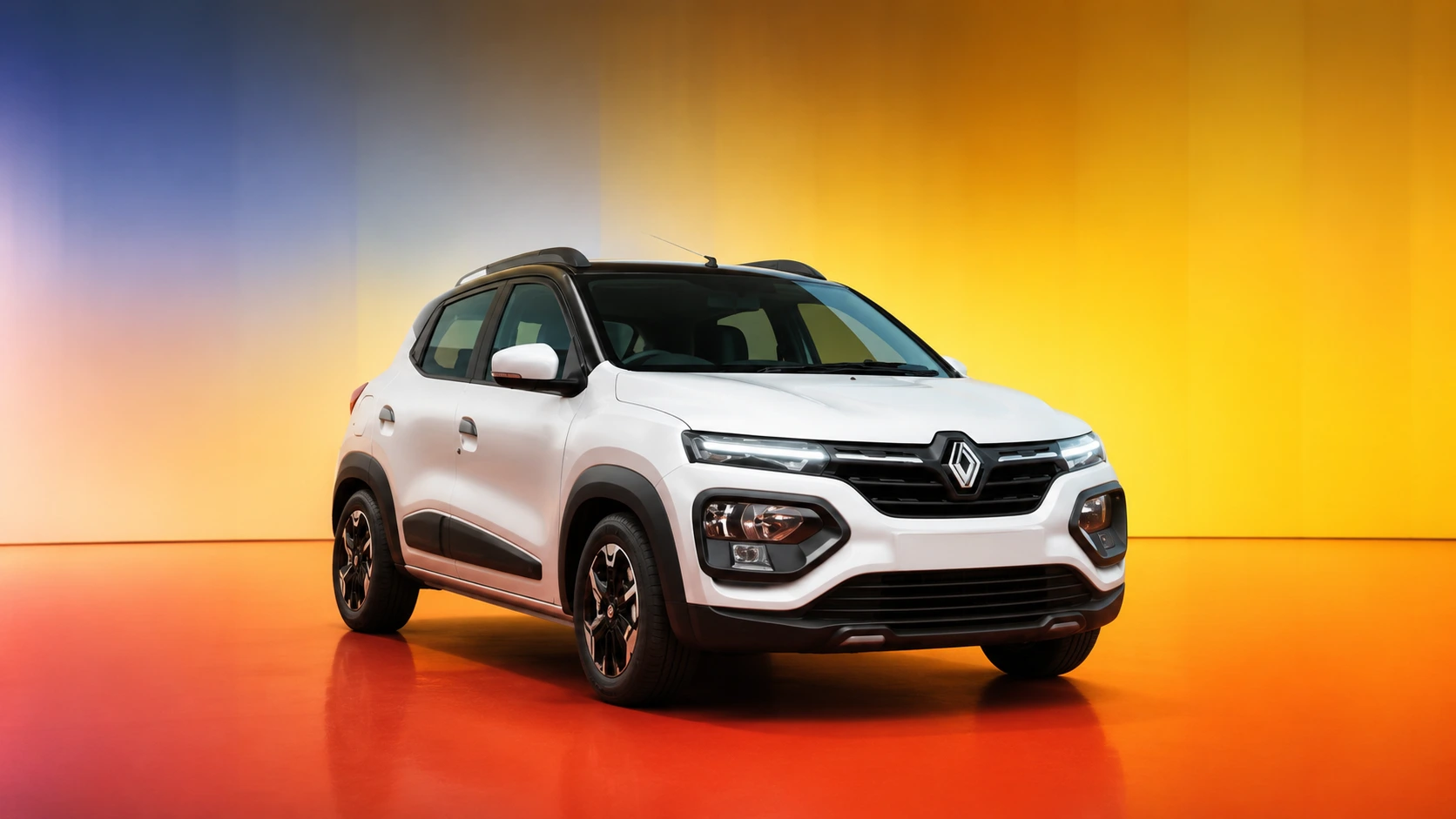
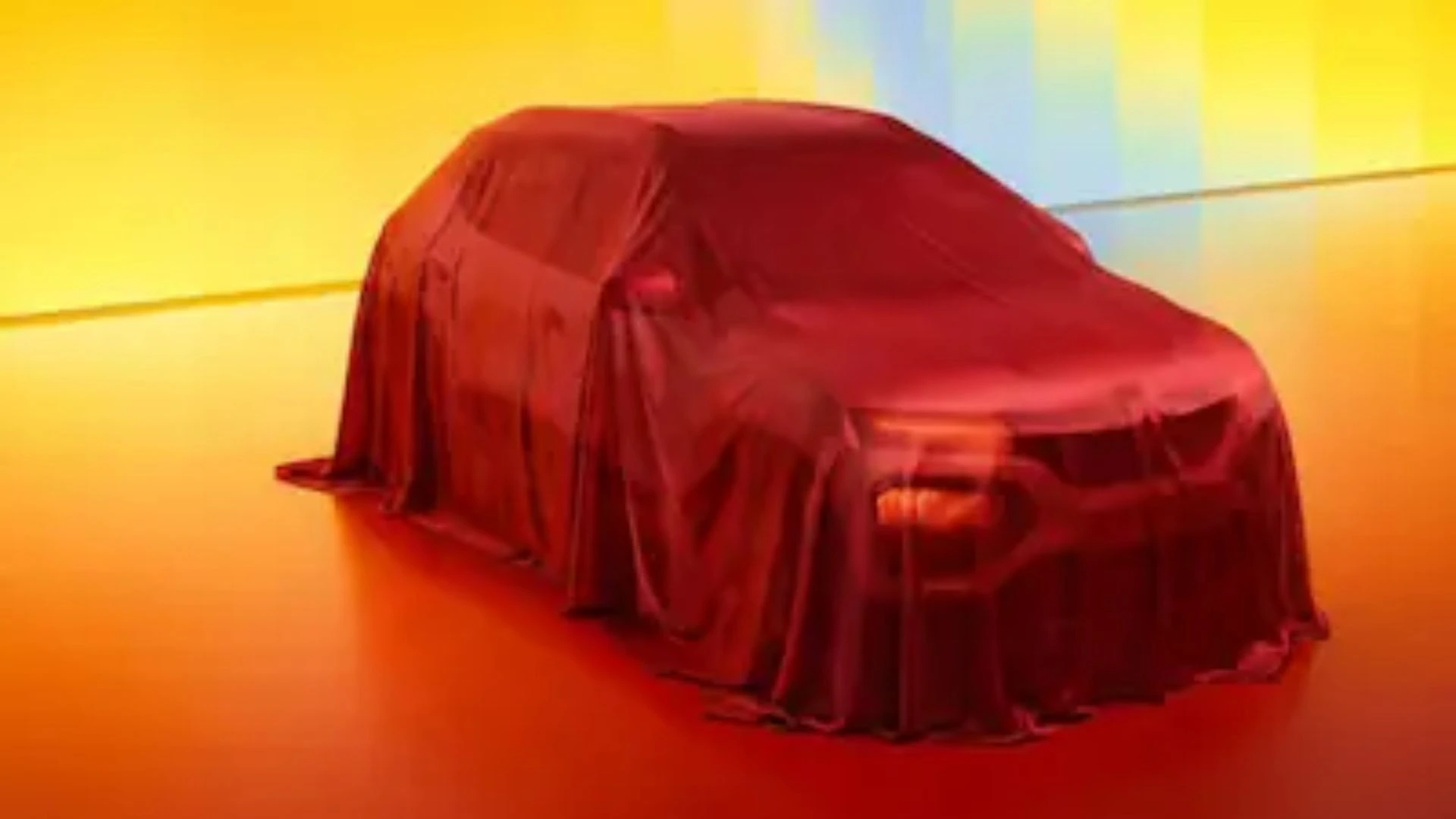
▼Renault India is set to launch the highly anticipated Kwid facelift on July 3, delivering a mid-cycle refresh to its iconic entry-level hatchback. Serving as the most accessible model in the brand catalog for over a decade, this updated vehicle brings fresh global styling updates and crucial cabin feature improvements to aggressively counter segment rivals in the domestic passenger market.
A Modern Fresh Update for the Entry Level Segment
The upcoming release marks a key milestone for the French carmaker. Having served budget-conscious buyers for over ten years, the entry-level hatchback remains a core driver for company volumes, ensuring the product stays visually striking and competitive. This mid-cycle intervention ensures the product remains visually striking and technologically relevant in an era dominated by high feature expectations.
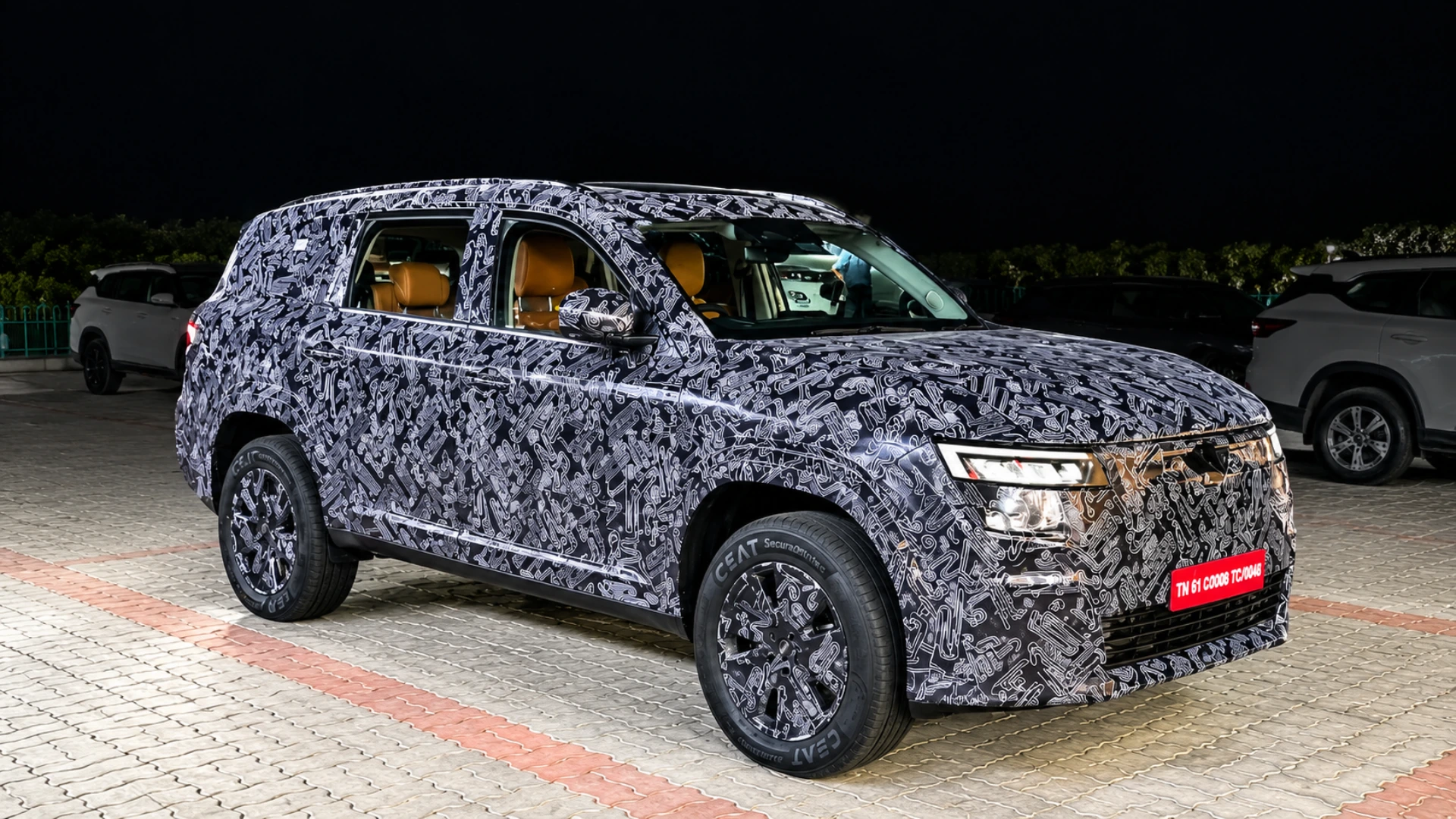
Spy shots reveal that the changes focus on refined cosmetic updates rather than a redesign. Camouflage wrap around the front fascia, badges, and tail lamps indicates localized enhancements for a fresh road presence.
Design Cues Borrowed From Global Concepts
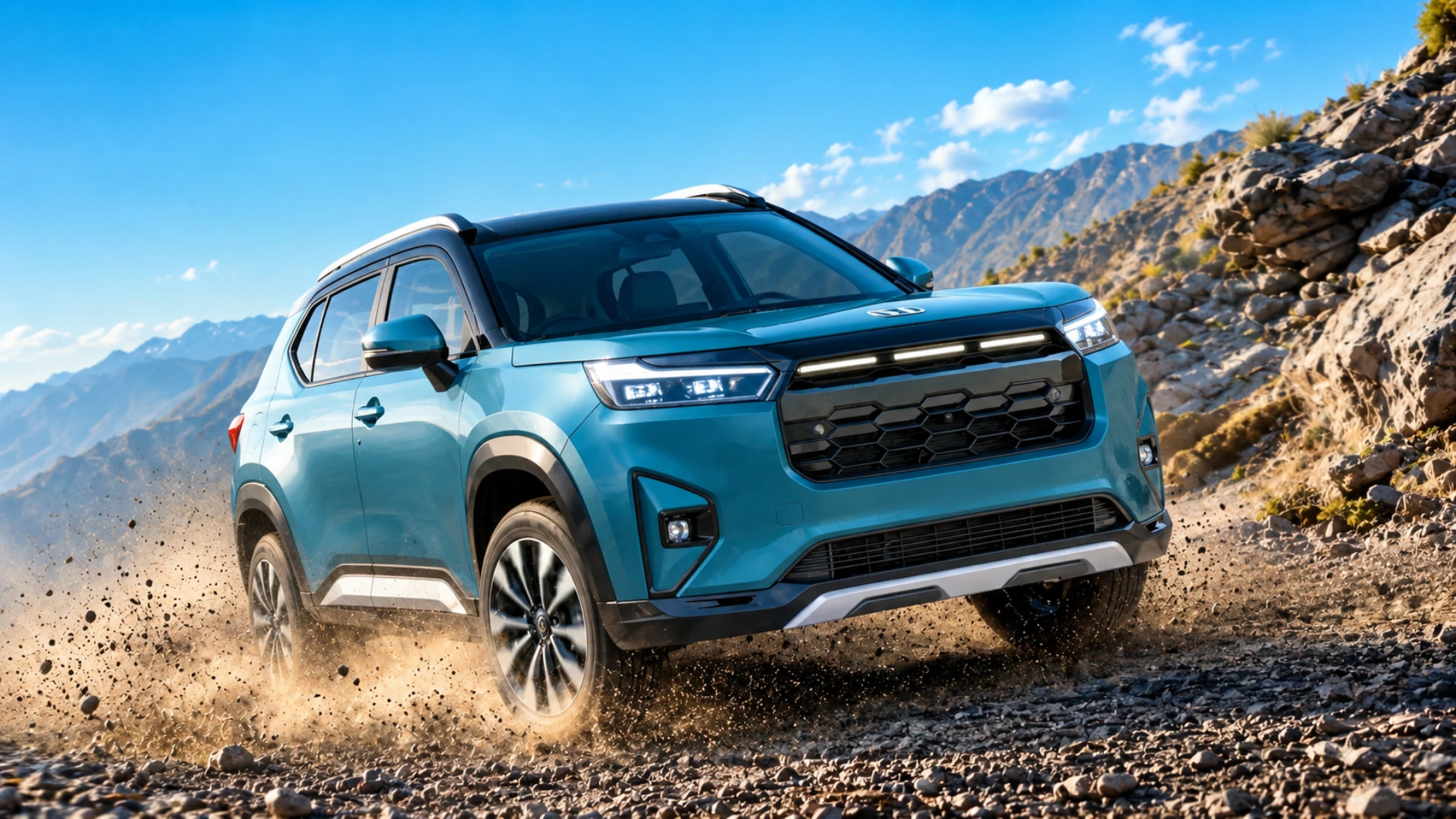
Front styling updates follow the latest design language seen on international platforms. The cosmetic update draws inspiration from the Dacia Spring EV, aligning the hatchback with modern global standards.
Key expected exterior design alterations include these prominent highlights:
- Revised Front Grille: A sleeker nose architecture flowing smoothly into the lighting assemblies.
- Updated Bumpers: Sharper front and rear bumper profiles giving the car an SUV-inspired stance.
- New Lighting Layout: Split headlight units matching contemporary automotive layout trends, along with redesigned LED signature elements at the rear.
These strategic updates aim to keep the product fresh against traditional entry level alternatives like the Maruti Suzuki Alto K10 and Celerio.
Interior Adjustments and Cabin Tech Upgrades
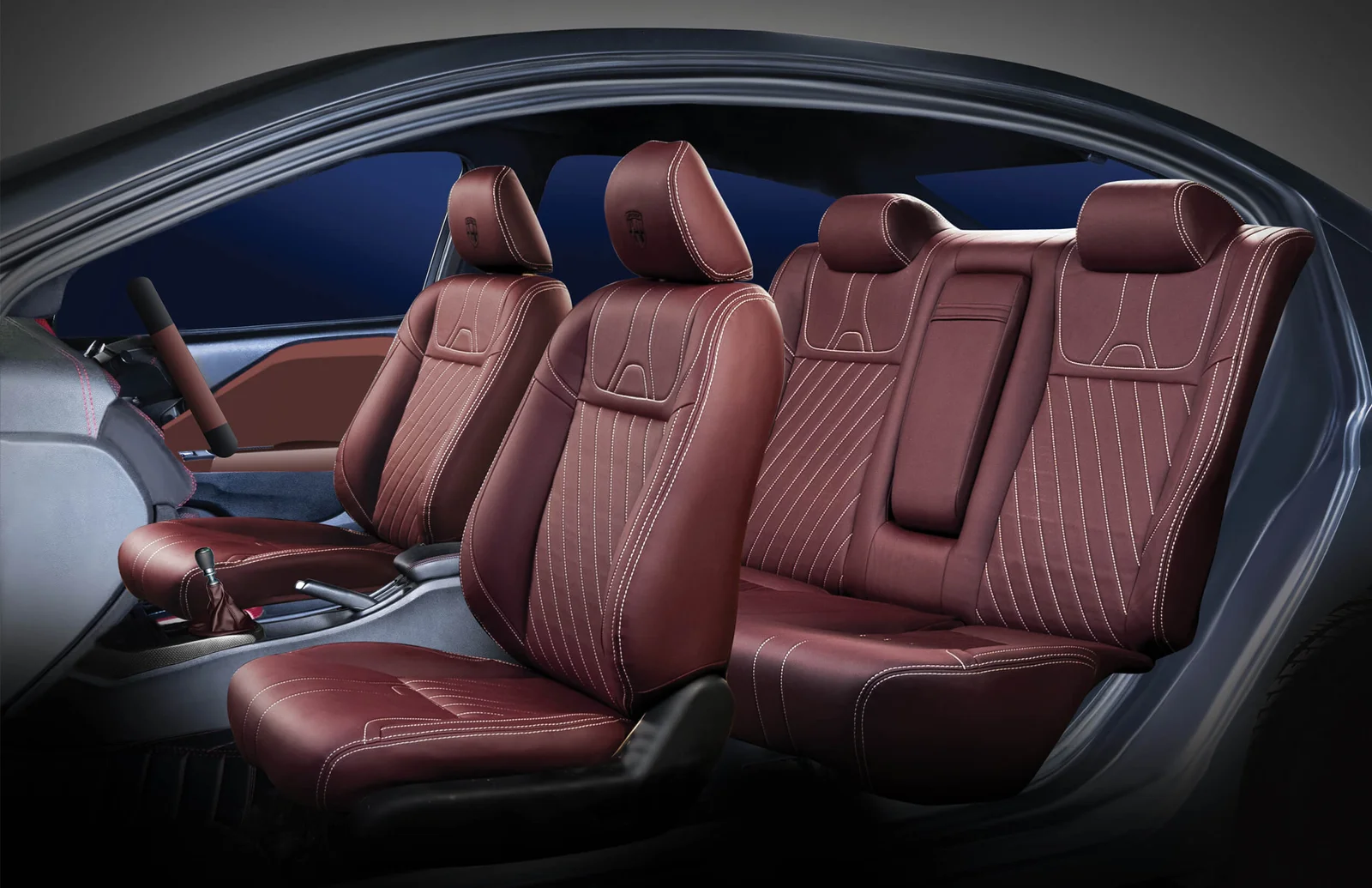
Renault is introducing noticeable cabin enhancements meant to uplift premium vibes for budget-conscious customers. While the entry-level hatchback tier is known for strict price boundaries, consumers now demand advanced convenience features.
The upcoming interior space upgrades include several expected features:
- Larger Touchscreen Infotainment: An upgraded central display loaded with smoother smartphone integration software interfaces.
- Fully Digital Instrument Cluster: A modernized driver cockpit replacing analog dials with a clean, high-visibility digital telemetry screen.
- Dashboard Revisions: Updates to the central dashboard layout accompanied by superior textures on frequently used touchpoints.
These improvements provide an upscale cabin experience without a massive hike in the final retail price list.
Reliable Powertrain Options Remain Identical
Unlike the extensive cosmetic and interior revisions, the mechanical core remains unchanged. Renault will continue to rely on its dependable engine to deliver predictable city mileage.
The vehicle continues to deploy a 1.0-litre three-cylinder naturally aspirated petrol engine paired with traditional gearbox options. The table below outlines the core mechanical and output parameters of the updated vehicle range:
|
Technical Engine Metric |
Official Specification Guidelines |
|
Engine Configuration Type |
1.0-litre Three-Cylinder Naturally Aspirated Petrol |
|
Maximum Power Generation |
65 bhp developed at peak revolutions |
|
Peak Torque Production |
96 Nm of torque available for urban commuting |
|
Manual Gearbox Layout |
5-speed standard manual transmission |
|
Automatic Gearbox Layout |
5-speed automated manual transmission (AMT) |
|
Primary Competitors |
Maruti Suzuki Alto K10 and Maruti Suzuki Celerio |
Conclusion
The upcoming Renault Kwid facelift proves that an entry-level car can adapt beautifully to modern global design trends. By combining the distinctive styling traits of the Dacia Spring EV with critical cabin upgrades like a digital cluster and keeping the reliable 1.0-litre powertrain intact, Renault ensures its classic hatchback remains a dominant choice for practical budget buyers.
Neha Mehlawat
Neha Mehlawat is an automotive journalist and industry analyst with 10+ years of experience covering cars, bikes, and mobility trends. She tracks the latest launches, technology upgrades, and policy changes in the auto sector, delivering sharp insights that help readers stay ahead in the fast-evolving world of automobiles.