Table of Content
▼Kia India will increase prices across its entire vehicle lineup by up to 2 percent starting July 1, 2026. This upward price revision will affect both internal combustion engine models and electric vehicles. Popular models like the Sonet, Seltos, and Carens are included, with the exact premium varying based on the specific model and variant chosen by the buyer.
Understanding the Kia Price Revision
The South Korean automotive manufacturer announced this strategic price adjustment across its domestic portfolio due to continuous economic shifts. According to the company, the upward revision is necessitated by rising input costs and an overall increase in operational expenditure.
While manufacturing costs have escalated significantly, the brand highlighted that it has passed on only a minimal portion of this burden to final consumers. Kia plans to absorb most of the cost escalation internally to keep its vehicle lineup competitive while maintaining its premium build standards.
Affected Models and Variants
The impending price hike will impact Kia’s diverse lineup, which spans multiple segments from compact SUVs to premium electric vehicles.
- Compact and Mid-Size SUVs: This includes the widely popular Kia Sonet and Kia Seltos, which form the core of the brand's sales volume in India.
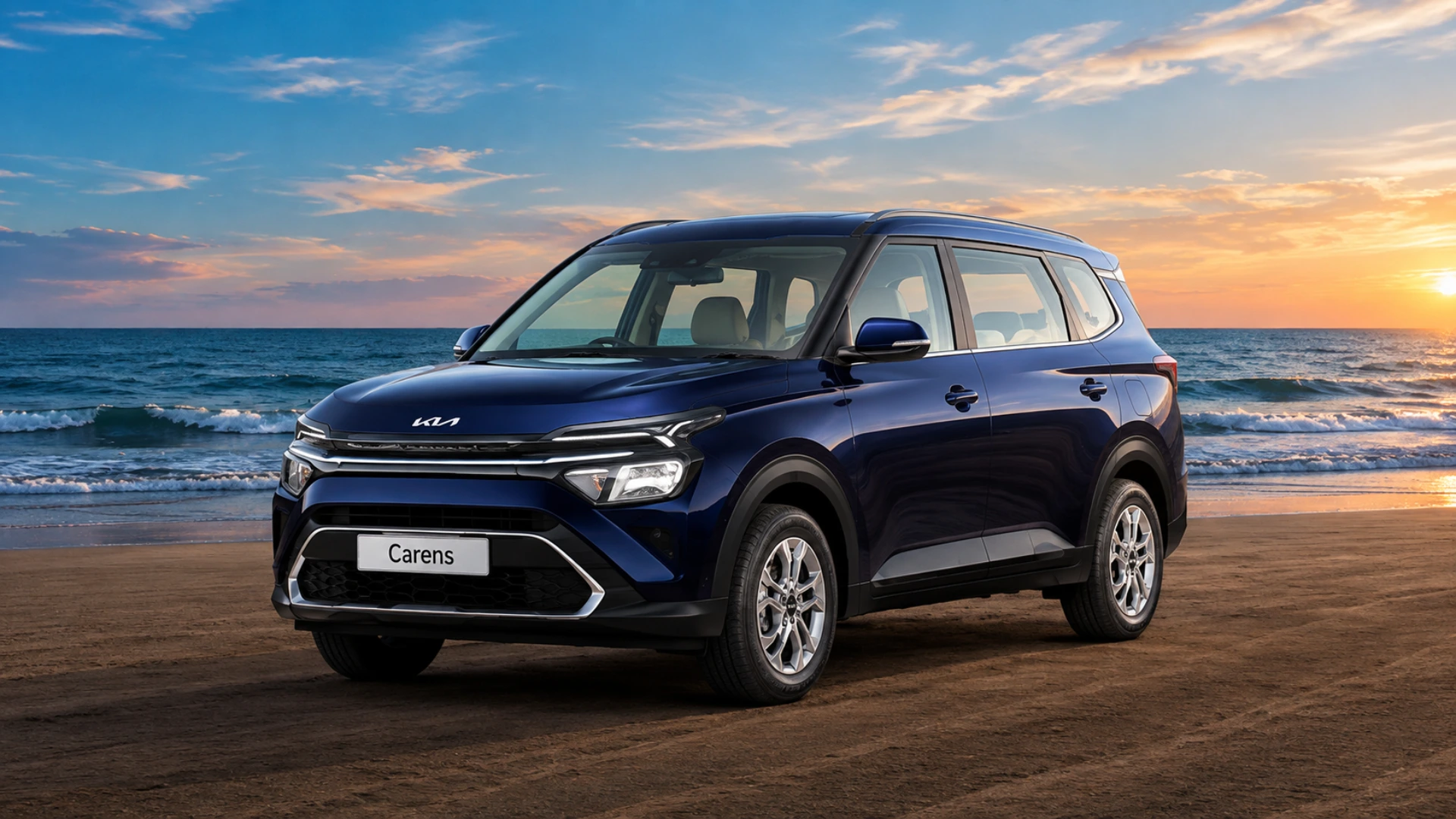
- Family Vehicles and MPVs: The versatile Kia Carens, the premium Carnival, and upcoming models like the Clavis and Syros will see adjusted price tags.
- Flagship Electric Vehicles: Premium electric models sitting at the absolute top of the lineup, specifically the Kia EV6 and the ultra-luxury Kia EV9, are also subject to this increase.
Because the hike is capped at a maximum of 2 percent, the final ex-showroom price adjustment will depend strictly on the configuration and variant selected.
Industry-Wide Pricing Trends
Kia is not the only manufacturer adjusting vehicle prices this season. The entire Indian automotive sector is currently navigating intense pressure from commodity market volatility and shifting currency dynamics.
Several prominent passenger and commercial vehicle brands have announced similar pricing strategies to safeguard their operational margins:
- Maruti Suzuki: Implemented a price increase of up to Rs 30,000 across its entire domestic vehicle portfolio.
- Tata Motors: Announced a 1.5 percent increase for passenger cars and electric vehicles, alongside a 2.5 percent hike for commercial trucks and buses.
- Premium Manufacturers: Luxury automotive giants, including BMW India and Mercedes-Benz, along with mass market players like Hyundai Motor India and Nissan Motor India, have also initiated price corrections.
Summary of the Price Hike Impact
|
Model Range |
Fuel Powertrain Options |
Maximum Expected Hike |
Primary Reason |
|
Sonet and Seltos |
Petrol and Diesel ICE |
Up to 2 Percent |
Input Cost Inflation |
|
Carens and Carnival |
Multi Seat MPV ICE |
Up to 2 Percent |
Operational Expenses |
|
EV6 and EV9 |
Pure Electric Battery |
Up to 2 Percent |
Commodity Volatility |
Conclusion
The upcoming price revision by Kia India emphasizes the economic pressures currently shared across the automotive industry. For prospective buyers, finalizing purchases before the July 1 deadline offers a clear opportunity to acquire models like the Seltos or Sonet at the existing price points before the new ex-showroom rates take effect across dealerships.
Also Read This |
|
|---|---|
|
Isuzu Motors Starts I-Care Pre-Monsoon Service Camp in India |
|
Neha Mehlawat
Neha Mehlawat is an automotive journalist and industry analyst with 10+ years of experience covering cars, bikes, and mobility trends. She tracks the latest launches, technology upgrades, and policy changes in the auto sector, delivering sharp insights that help readers stay ahead in the fast-evolving world of automobiles.
_1791268692.webp)
_1790839360.webp)