_1779094617.webp)
Table of Content
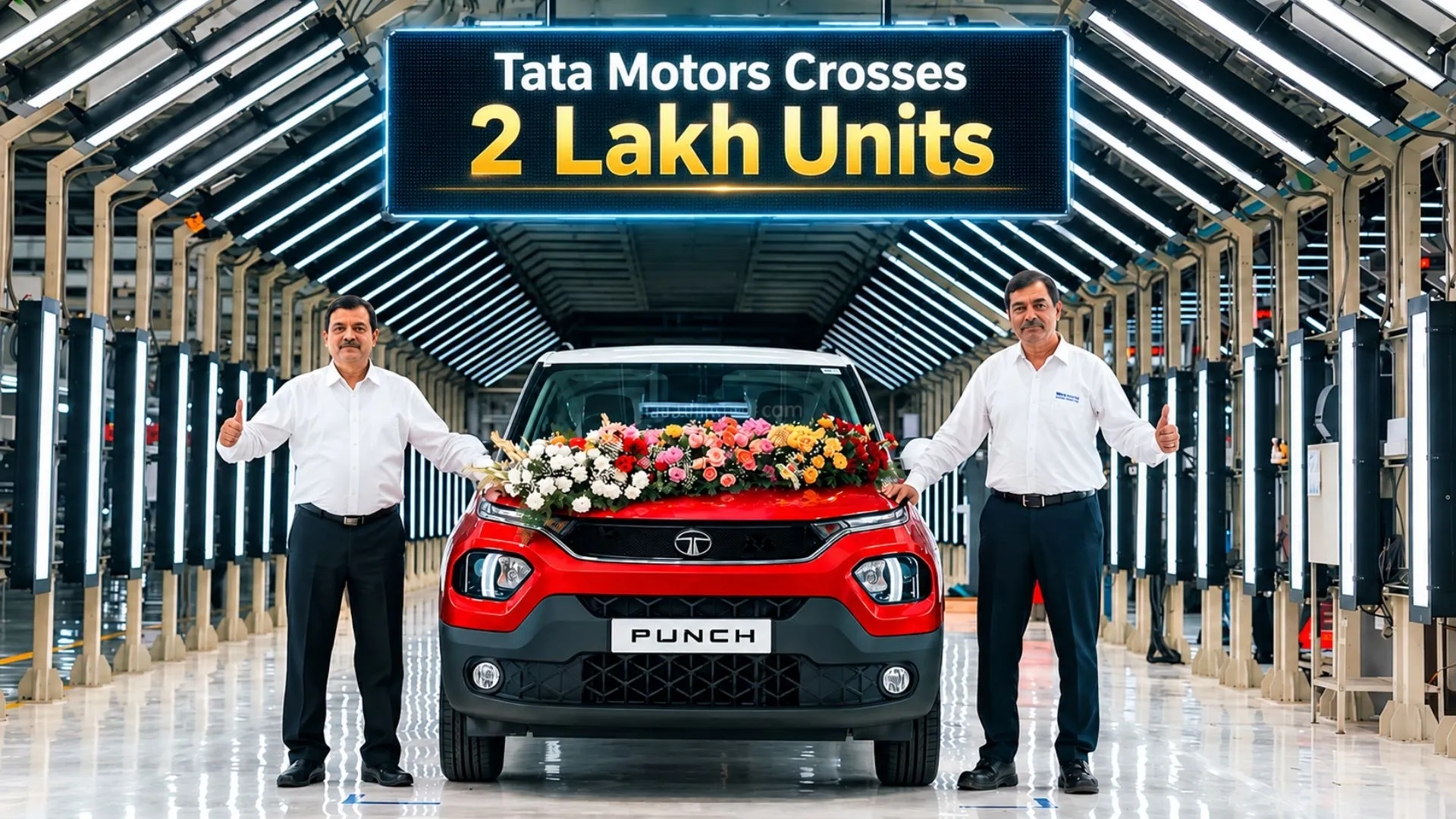
▼Tata Motors Passenger Vehicles Ltd has confirmed plans to launch its first flex-fuel passenger vehicle in the Indian market by the end of the calendar year 2026 or early 2027. This announcement follows recent government draft notifications aimed at establishing clear regulatory categories for vehicles running on high-content biofuels. The company is prepared for this shift, aligning with India's long-term mission to eventually transition toward an E100 (100 percent ethanol) fuel supply ecosystem.
Driven by Regulatory Frameworks and Eco-Readiness
Speaking during a media interaction detailing the company's financial milestones, Shailesh Chandra, Managing Director and CEO of Tata Motors Passenger Vehicles Ltd, confirmed their technology readiness. The carmaker is currently working closely with the government and the Society of Indian Automobile Manufacturers (SIAM) to finalize testing parameters for higher alternative fuel blends.
Tata Motors has systematically built its green mobility architecture over the last few years. All mainstream Tata petrol cars rolling off factory lines have been fully E20 compliant since 2023. The development of dedicated Flex-Fuel Vehicles (FFVs) represents the next logical phase in reducing imported crude dependencies and curbing tailpipe emissions.
Tata Punch: The Prime Candidate for the Flex-Fuel Debut
The popular Tata Punch subcompact SUV is expected to pioneer this new fuel technology for the brand. Tata Motors showcased a near-production flex-fuel Punch prototype at the Bharat Mobility Global Expo 2025, demonstrating its adaptation of multi-fuel engineering.
While the flex-fuel variant retains the familiar 1.2-litre, three-cylinder naturally aspirated engine, it incorporates critical engineering modifications to safely handle corrosive biofuel properties:
- Upgraded Fuel Injection: Reconfigured fuel injectors and high delivery fuel pumps optimized for different viscosity levels.
- Smart ECU Calibration: An advanced Engine Control Unit capable of detecting ethanol percentages in real time and automatically adjusting ignition timing.
- Corrosion-Resistant Exhaust: Reinforcement of the exhaust after treatment system and internal engine valves to withstand moisture and acid buildup.
Tata's Growing Powertrain Diversity
The addition of a flex-fuel engine option expands Tata’s multi-powertrain strategy. The brand's micro SUV platform is expanding to cater to distinct consumer use cases.
|
Powertrain Option |
Core Engine / Battery Tech |
Target Market Segment |
|
Standard Petrol |
1.2L Revotron iVTEC |
Budget Conscious Buyers |
|
iCNG (Dual Cylinder) |
1.2L Factory Fitted CNG |
High Mileage Commuters |
|
Punch. ev |
Gen 2 Pure EV Architecture |
Zero Emission Tech Adopters |
|
Flex-Fuel (FFV) |
1.2L Modified E85 Engine |
Eco-Friendly Alternative Seekers |
Understanding Flex-Fuel Vehicles
A Flex-Fuel Vehicle is explicitly engineered to run on unblended petrol, pure ethanol, or any combination of the two, such as E85 (85 percent ethanol and 15 percent petrol). Ethanol is an eco-friendly, high-octane biofuel derived from agricultural products like sugarcane molasses, broken rice grains, and maize.
Because ethanol has a lower energy density than fossil petrol, FFVs utilize specialized sensors to keep performance identical regardless of the fuel mix inside the tank.
Conclusion
Tata Motors' upcoming flex-fuel vehicle launch marks a significant step in the domestic auto industry's clean energy transition. By adapting the best-selling Punch platform to run seamlessly on up to E85 ethanol blends, Tata is providing a practical solution to traditional fuel costs while reducing carbon footprints. With mass production technology fully validated, the rollout of these vehicles depends on the government establishing a reliable public refueling infrastructure across the country.
Also Read This |
|
|---|---|
|
Mahindra & Mahindra Offers Discounts Up to ₹2.5 Lakh in May 2026 |
|
Neha Mehlawat
Neha Mehlawat is an automotive journalist and industry analyst with 10+ years of experience covering cars, bikes, and mobility trends. She tracks the latest launches, technology upgrades, and policy changes in the auto sector, delivering sharp insights that help readers stay ahead in the fast-evolving world of automobiles.