Table of Content
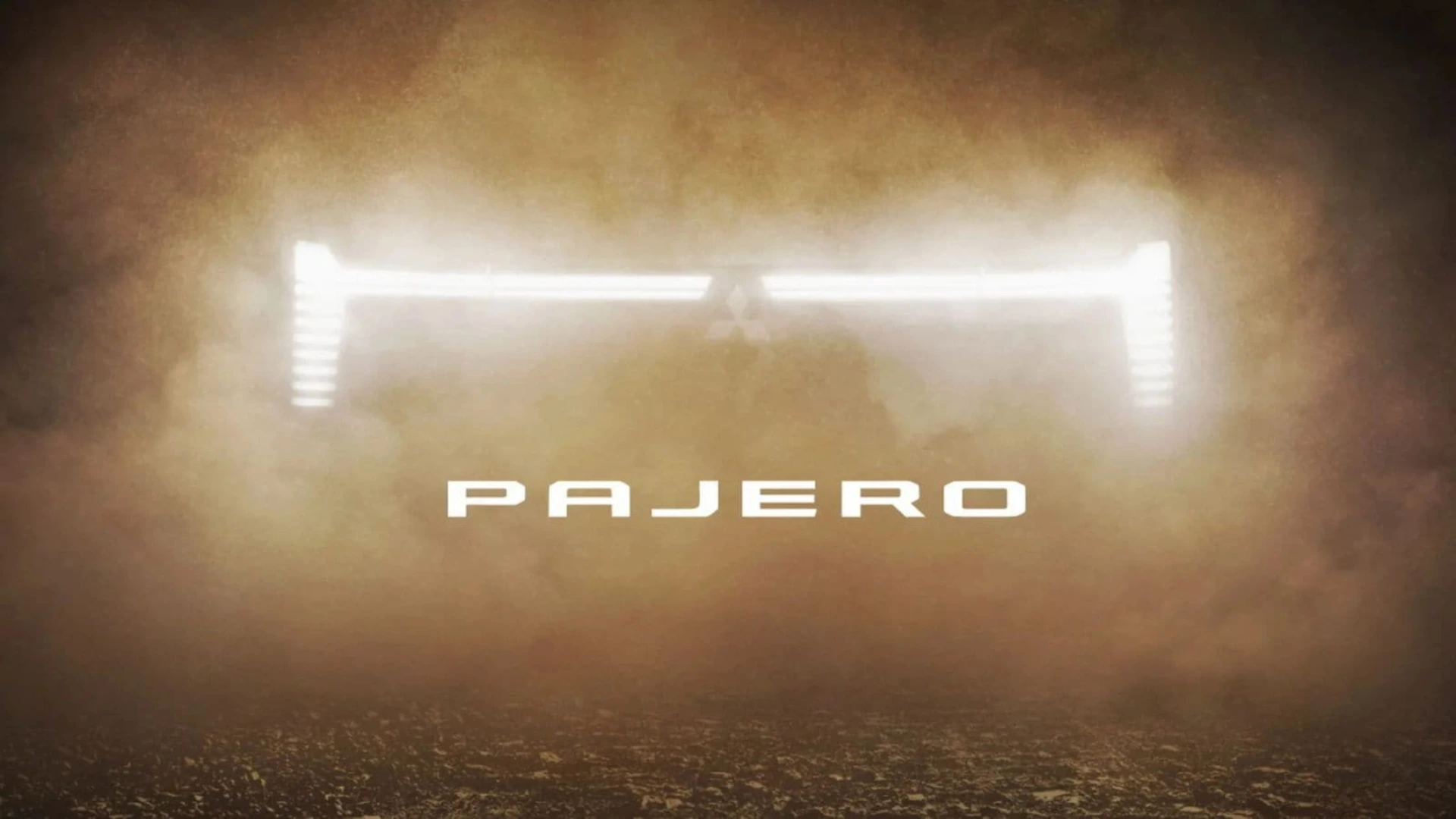
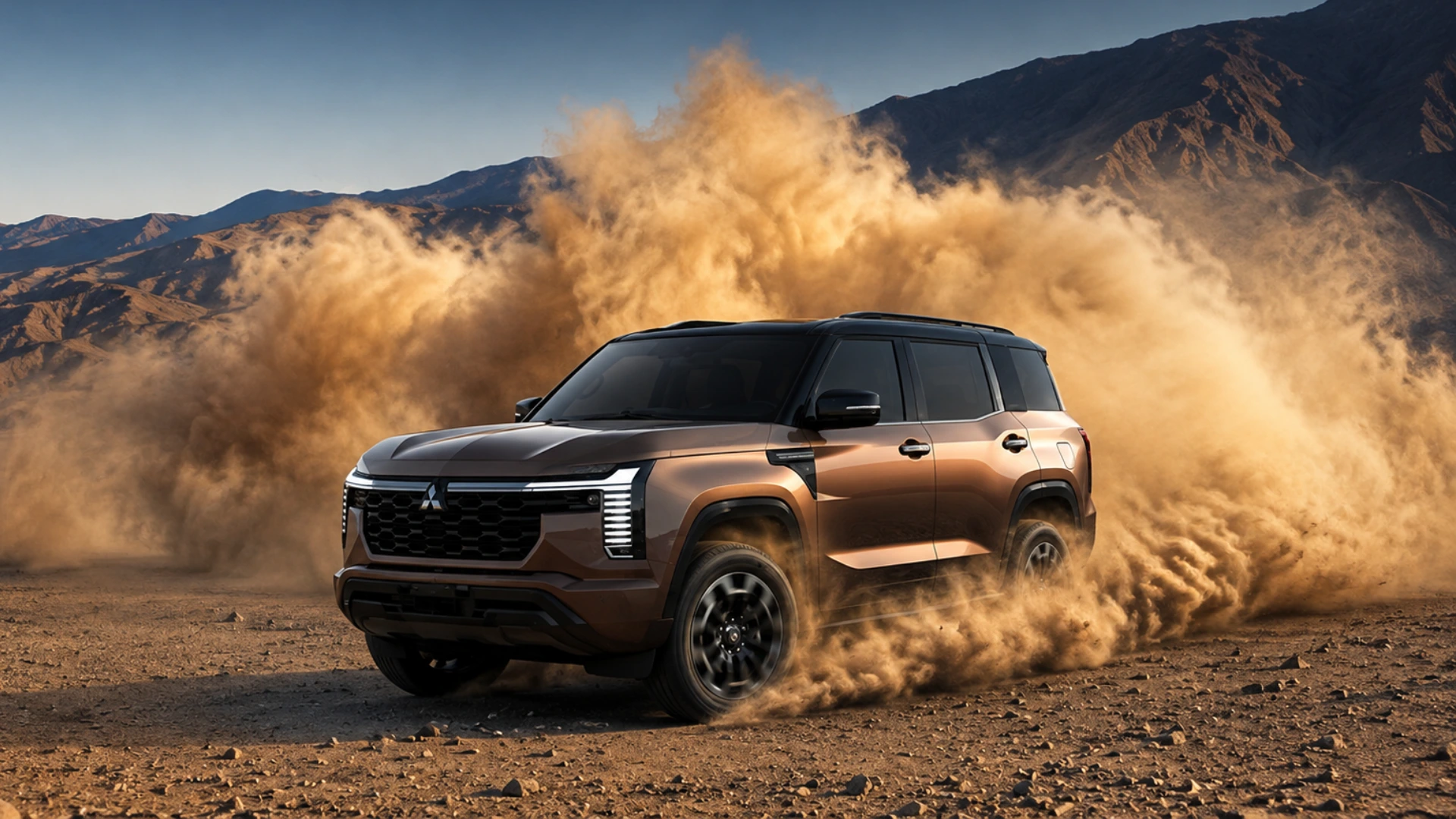
▼Mitsubishi has unveiled the 5th-generation Mitsubishi Pajero, reviving its flagship nameplate as a robust seven-seat SUV. Built on the strong ladder frame architecture from the Triton pickup, this vehicle launches first in Thailand, followed by Japan and Australia by March 2027. While an India launch remains unlikely, the new model would be a fierce rival to the Toyota Fortuner if it arrived.
Striking Exterior Design and Dimensions
The all-new SUV takes a thoroughly modern approach to an established name. Instead of merely copying its predecessors, it adopts the confident styling language seen on recent Mitsubishi models like the Xforce, but scales it up for a more rugged presence.
Functional Utility
The front fascia of Pajero is dominated by a broad grille, aggressive wheel arches, and substantial lower body protection. A flat roofline combined with a large glass area maximizes cabin space and outward visibility. Functional elements like side steps, sturdy mud flaps, and a high-set suspension reinforce its purpose-built nature.
Unlike previous iterations, this modern SUV features a conventional tailgate, with the spare wheel smartly tucked beneath the vehicle body instead of being mounted on the rear.
|
5th-Generation Mitsubishi Pajero Specs |
Details |
|
5th-Generation Mitsubishi Pajero Length |
4920 mm |
|
5th-Generation Mitsubishi Pajero Width |
1925 mm |
|
Overall Height |
1910 mm |
|
Wheelbase |
2870 mm |
|
Ground Clearance |
230 mm |
Premium Cabin and Advanced Features
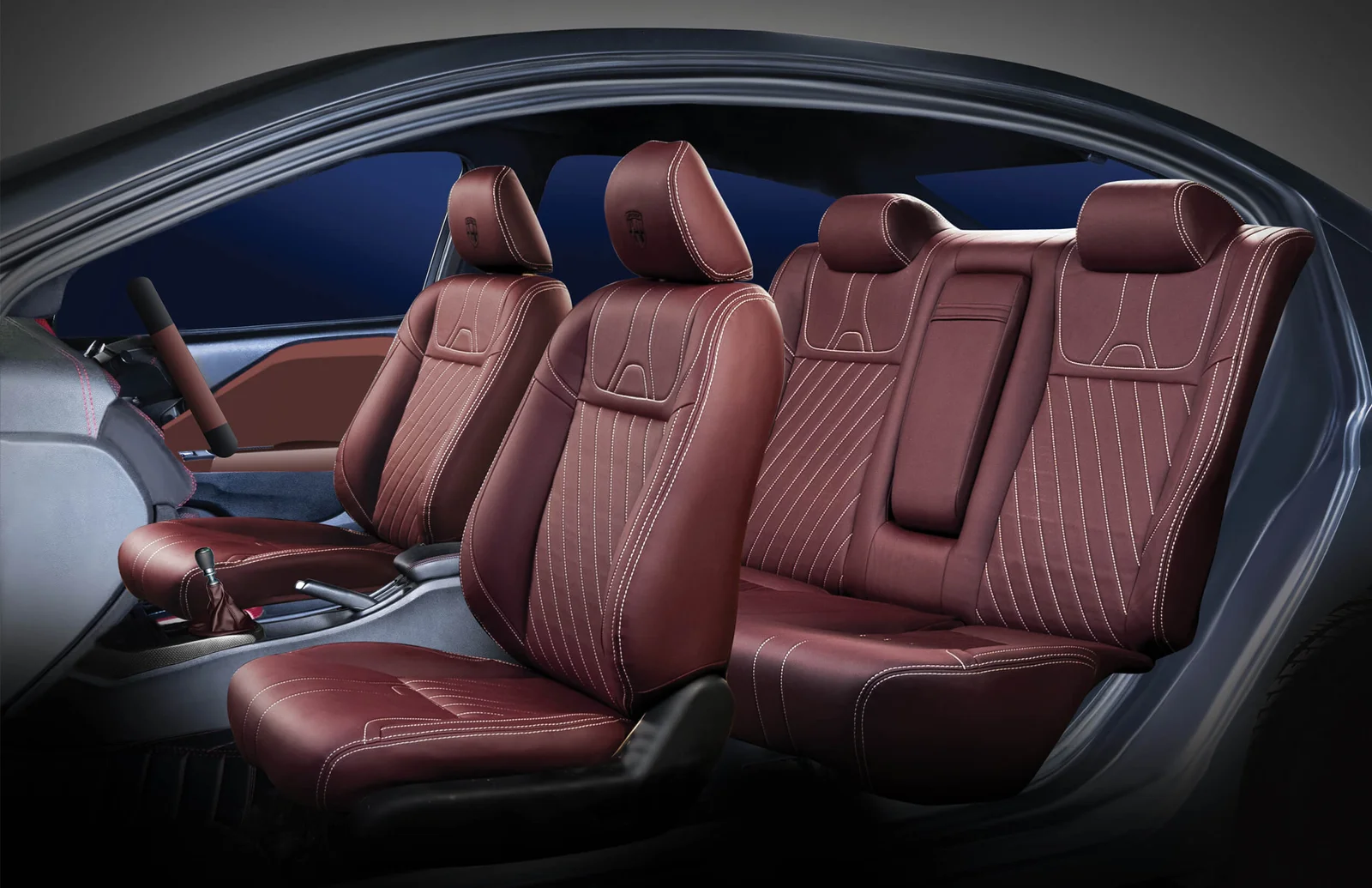
Inside, the spacious SUV offers a premium three-row layout. The second row seats can slide up to 150 mm and tumble forward, providing effortless access to the third row while expanding luggage space. The flat roof design ensures excellent headroom for all passengers.
Premium variants are equipped with plush leather upholstery, soft touch dashboard materials, and sturdy grab handles.
Key comfort and tech features include:
- Double-glazed side windows and an acoustic windscreen for a quiet ride.
- Tri-zone automatic climate control alongside manual rear sunshades.
- Heated second row seats and a cooled storage compartment under the centre armrest.
- Two massive 14.3-inch displays on higher trims and 12.3-inch screens on lower versions.
- A premium 12-speaker Yamaha audio system delivering crystal clear sound.
- Multiple USB charging ports conveniently placed across all three rows.
Importantly, Mitsubishi retained physical controls for climate settings and introduced a rotary dial for navigating the Four Wheel Drive modes.
Engine Performance and Off-Road Capability
Under the hood, the SUV is powered by a robust 2.4-litre four-cylinder turbo diesel engine. This powerplant delivers an impressive 204 hp and 480 Nm of peak torque, which is slightly more torque than the Triton pickup offers. The engine is paired with a brand new eight-speed automatic transmission.
Built upon a highly revised ladder frame platform, the structure utilizes high tensile steel for improved rigidity. This translates to better durability, superior on-road control, and exceptional off-road dominance.
The suspension system features a high-mounted double wishbone setup at the front and a five-link rigid axle at the rear. Combined with a perfect 52 to 48 weight distribution, the setup keeps tyre contact consistent over uneven terrain.
To conquer any landscape, it comes standard with the Super All Wheel Control system. This intelligent tech integrates Active Yaw Control, stability management, and ABS to perfectly distribute power and braking force.
Conclusion
The return of the new Mitsubishi Pajero SUV marks an exciting moment for automobile enthusiasts globally. Blending modern luxury with serious all-terrain hardware, it reclaims its spot as a true flagship vehicle. While Indian buyers might miss out on this incredible machine, its stellar design, potent 2.4-litre engine, and advanced tech make it a formidable global contender.
Neha Mehlawat
Neha Mehlawat is an automotive journalist and industry analyst with 10+ years of experience covering cars, bikes, and mobility trends. She tracks the latest launches, technology upgrades, and policy changes in the auto sector, delivering sharp insights that help readers stay ahead in the fast-evolving world of automobiles.