Table of Content
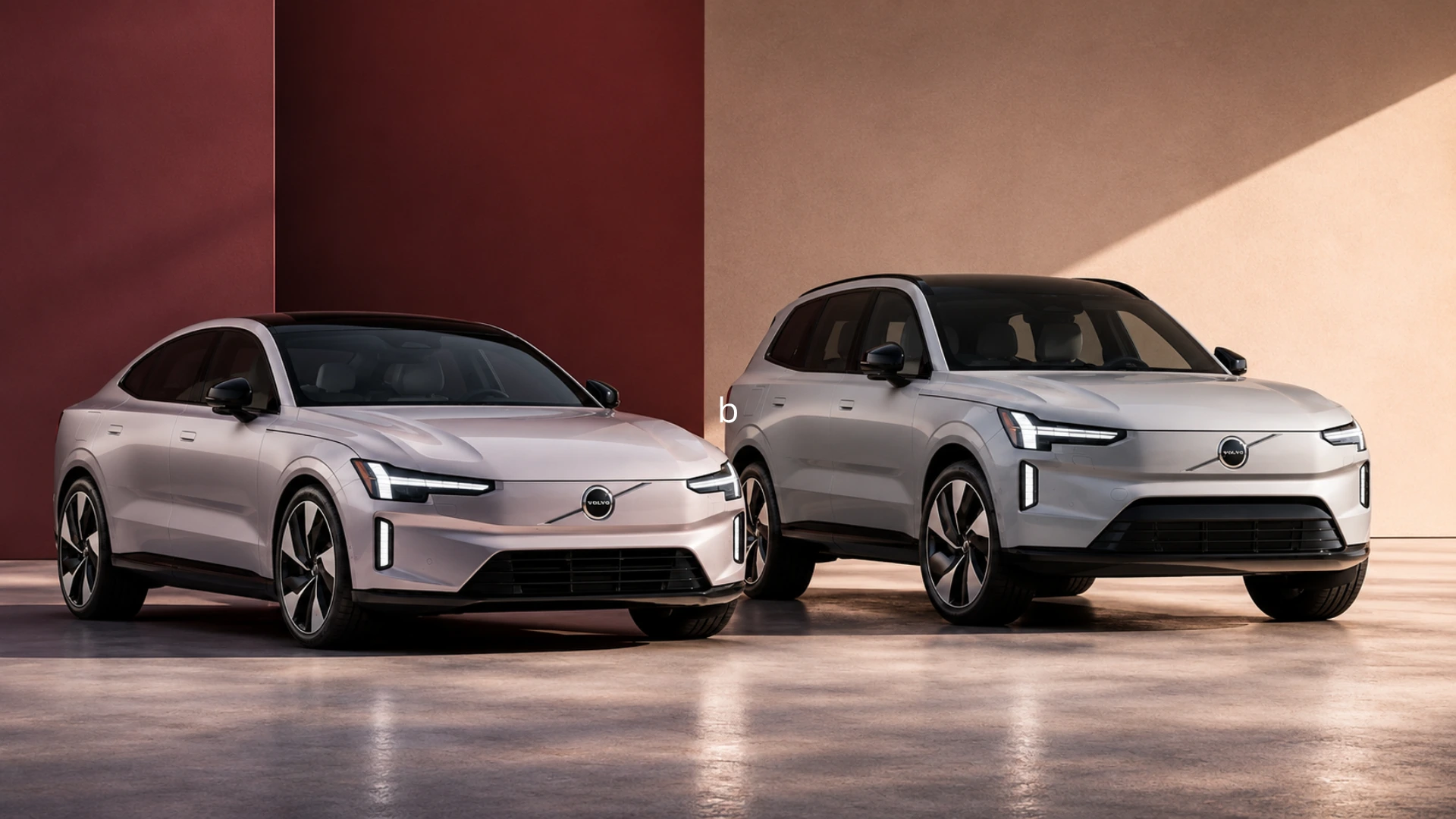
▼The highly anticipated Volvo EX90 and ES90 have officially appeared on the Volvo India website. This listing comes just ahead of their confirmed launch on October 12, marking two major electric vehicle releases for 2026. Following the success of the XC60 and XC90, these flagship models share a similar luxury feature list. The Volvo EX90 and ES90 aim to dominate the premium electric mobility segment with impressive battery range and advanced safety technology.
Major Launches for 2026
Volvo Cars India is heavily expanding its luxury electric portfolio. Both new models share the advanced SPA2 electric architecture, featuring an 800 volt system for rapid charging capabilities. By introducing a premium SUV and a luxury sedan simultaneously, the Swedish automaker is targeting a diverse group of elite buyers looking for zero-emission vehicles.
The Volvo EX90 Flagship SUV
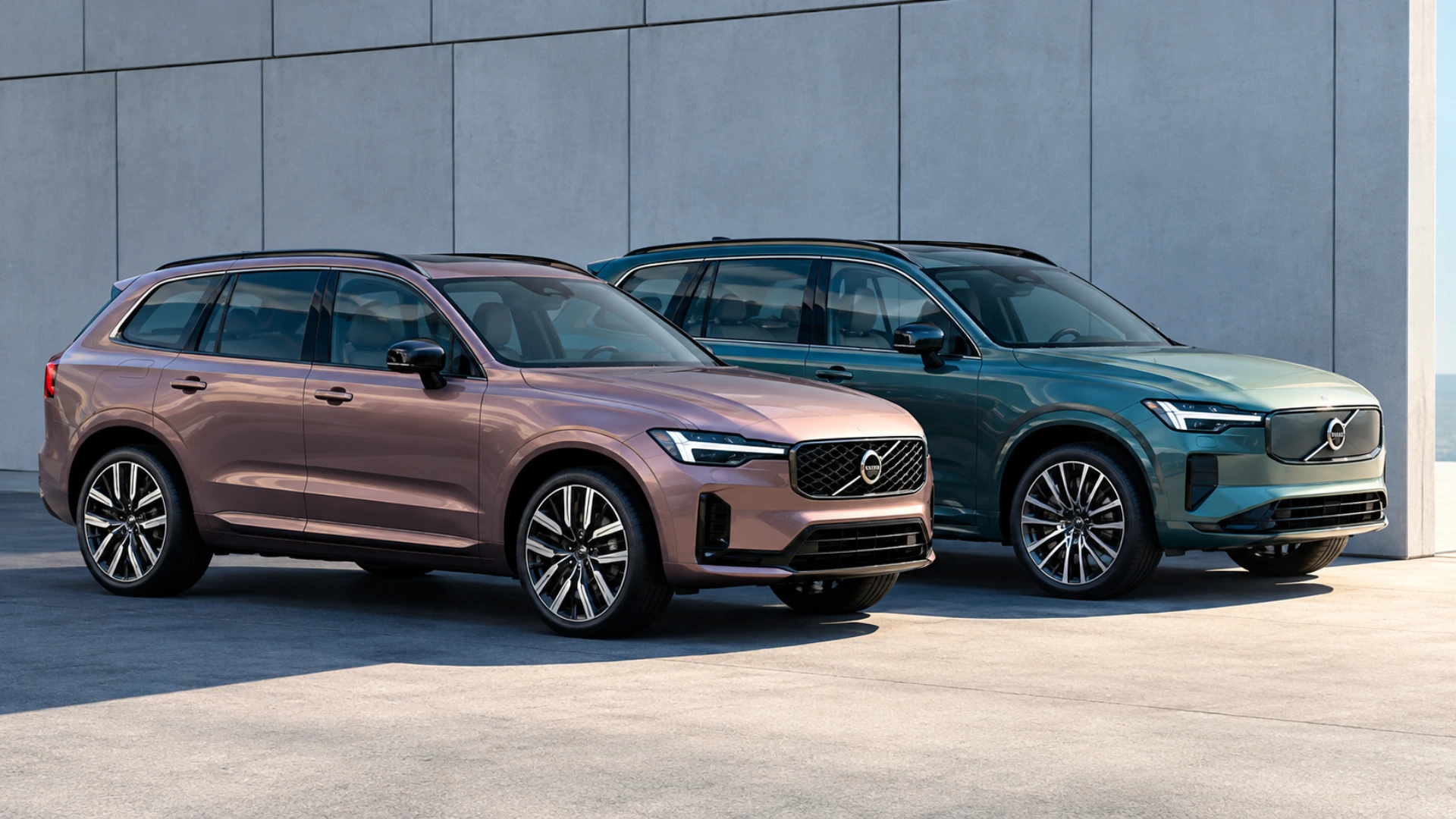
This is the flagship SUV for the brand and will compete directly with cars like the Mercedes-Benz EQS SUV, along with future electric models from BMW and Audi. It retains the familiar boxy shape of its internal combustion engine sibling but relies entirely on electric motivation.
The interior heavily mirrors what is offered on the standard combustion model but adds an extended feature list focused on digital integration and passenger comfort. Some of the major features expected include:
- Multi-zone climate control for individualized comfort
- Dual digital screens including a large Google-based infotainment system
- Premium leather-free upholstery embracing Scandinavian minimalism
- A full LED light package featuring the signature Thor Hammer daytime running lights
- Level 2 ADAS with LiDAR technology for automated safety
Globally, this SUV is offered with both Rear Wheel Drive and All Wheel Drive setups. Given the tight competition in India, the manufacturer is highly likely to offer the All Wheel Drive version for at least one variant. This All Wheel Drive version offers up to 608 km of WLTP range and robust torque figures for effortless highway cruising.
The Volvo ES90 Luxury Sedan
The sedan market represents a new challenge for the automaker. While the luxury electric sedan space is relatively untapped in India, a major rival is the BMW i7 sedan, which has already built a solid reputation for its size, features, and imposing road presence. The BMW i5 is also a direct competitor in this segment.
The ES90 is fully prepared for this challenge. It is not short on presence or performance, offering:
- A massive 92 kWh or 106 kWh battery pack option
- Up to 696 km of maximum driving range on a single charge
- A highly spacious second row package designed for chauffeur-driven owners
- Optional All Wheel Drive configurations for enhanced stability
In terms of appearance, the sedan takes after its combustion engine sibling with the same elegant square lines, T-shaped headlights, and C-shaped tail lamps. However, it will definitely have its work cut out once launched, especially given the extensive sales and service reach of BMW across the country.
Specifications Comparison
To help buyers understand how these two flagship models compare, here is a breakdown of their expected specifications based on global data.
|
Feature |
Volvo EX90 |
Volvo ES90 |
|
Body Style |
7-seater SUV |
Luxury Sedan |
|
Max Battery Capacity |
106 kWh |
106 kWh |
|
Claimed Range |
Up to 608 km |
Up to 696 km |
|
Fast Charging |
10-80 percent in 22 mins |
10-80 percent in 22 mins |
|
Drive Layout |
AWD expected |
RWD and AWD expected |
Conclusion
The confirmation that the Volvo EX90 and ES90 are arriving in India this October is fantastic news for the luxury electric vehicle market. By offering both a versatile three-row SUV and an aerodynamically sleek sedan, the brand is providing excellent choices for elite buyers. With class-leading safety features, massive battery capacities, and luxurious Scandinavian interiors, these two vehicles are set to redefine zero-emission travel in the country.
Neha Mehlawat
Neha Mehlawat is an automotive journalist and industry analyst with 10+ years of experience covering cars, bikes, and mobility trends. She tracks the latest launches, technology upgrades, and policy changes in the auto sector, delivering sharp insights that help readers stay ahead in the fast-evolving world of automobiles.