_1779430918.webp)
Table of Content
▼Maruti Suzuki India Limited has announced an official price increase of up to ₹30,000 across its entire model range, effective from June 2026. This decision, driven by elevated inflationary pressures and a sustained rise in raw material input costs, marks the first price hike by the carmaker in 2026. The exact increase will vary across variants, affecting entry-level hatchbacks to premium vehicles.
Reasons Behind the June 2026 Price Hike
In an official corporate filing, Maruti Suzuki clarified that the impending upward revision is an inevitable response to an adverse cost environment. For several months, the country's largest passenger car manufacturer successfully absorbed escalating commodity expenses through aggressive internal cost reduction measures.
However, with inflation remaining persistently high, passing a portion of the financial burden to retail buyers became necessary to maintain sustainable operational margins. The automaker emphasized that the price revision has been structured carefully to ensure the cumulative impact on end consumers remains at the absolute minimum.
Impact on Market Pricing and the Post-GST Transition
The timing of this price revision is highly significant for the domestic automotive sector. In late 2025, Maruti Suzuki implemented notable price drops across multiple budget models following the introduction of revised GST regulations on small passenger cars. That policy move provided immediate financial relief to buyers looking at the entry and mid-level segments of the market.
This upcoming June, the upward adjustment will gradually close that specific pricing window. While a maximum jump of ₹30,000 is modest in absolute terms, it signals that the temporary savings created by the late 2025 tax reductions are starting to dissolve.
Industry Trends: How Maruti Compares with Competitors
Maruti Suzuki is not alone in adjusting its pricing strategy. Multiple prominent auto brands operating in the Indian passenger vehicle market have executed similar hikes throughout early 2026 to combat logistics and commodity spikes.
Compounding Financial Pressures on Car Buyers
The vehicle price hike arrives at a challenging time for consumers who are already dealing with volatile retail fuel rates. A global energy supply crisis has caused domestic fuel prices to surge unexpectedly.
- Petrol and Diesel: Retail pump rates across various states have jumped by up to ₹4 per litre within a single week.
- Compressed Natural Gas: Even eco-friendly CNG options have seen a price bump of ₹2 per unit.
Affected Vehicle Portfolio Range
The upcoming upward revision will apply across the entire brand line, split between Arena and Nexa dealerships: Entry-level options such as the Alto K10 and S Presso.
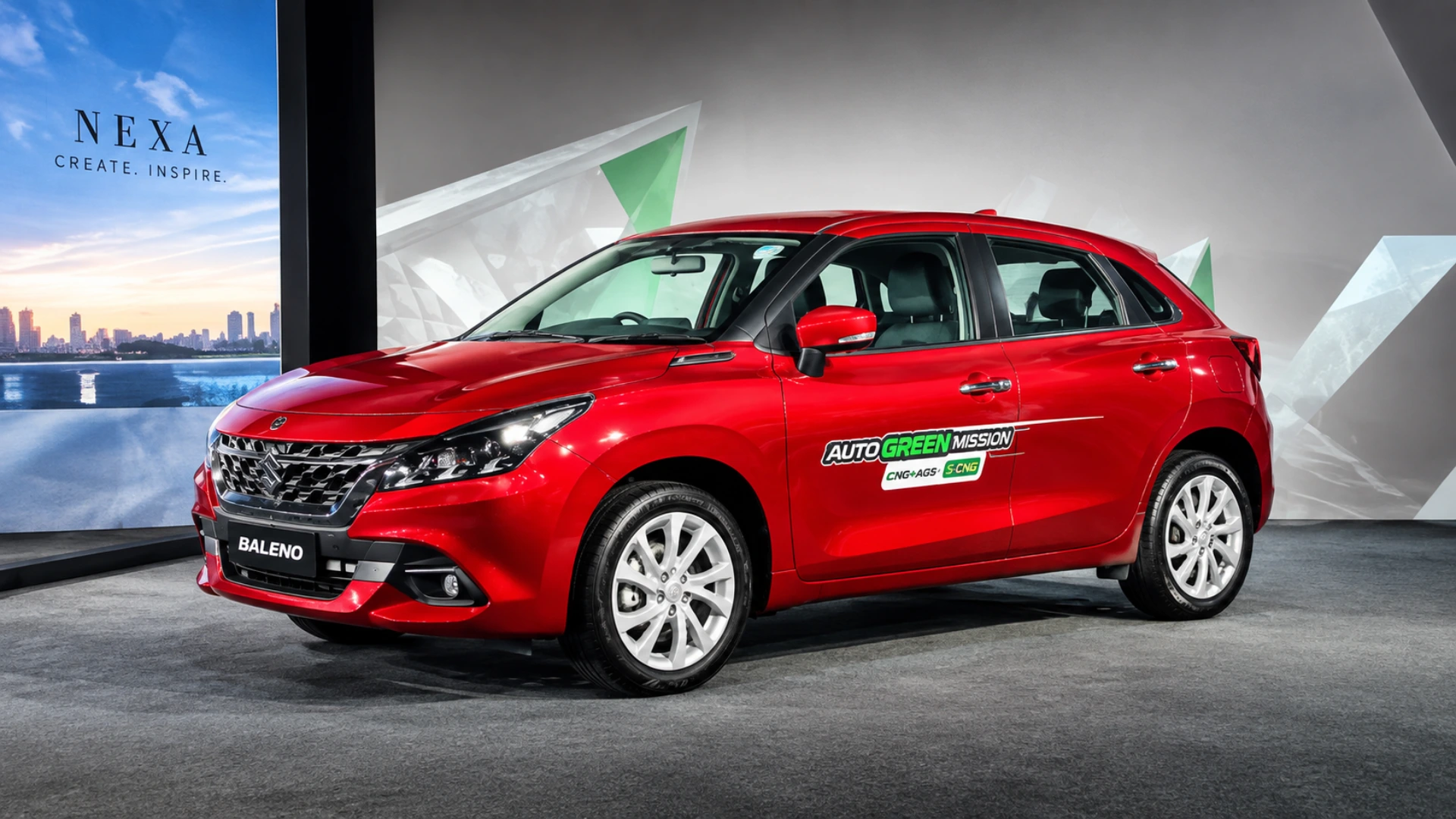
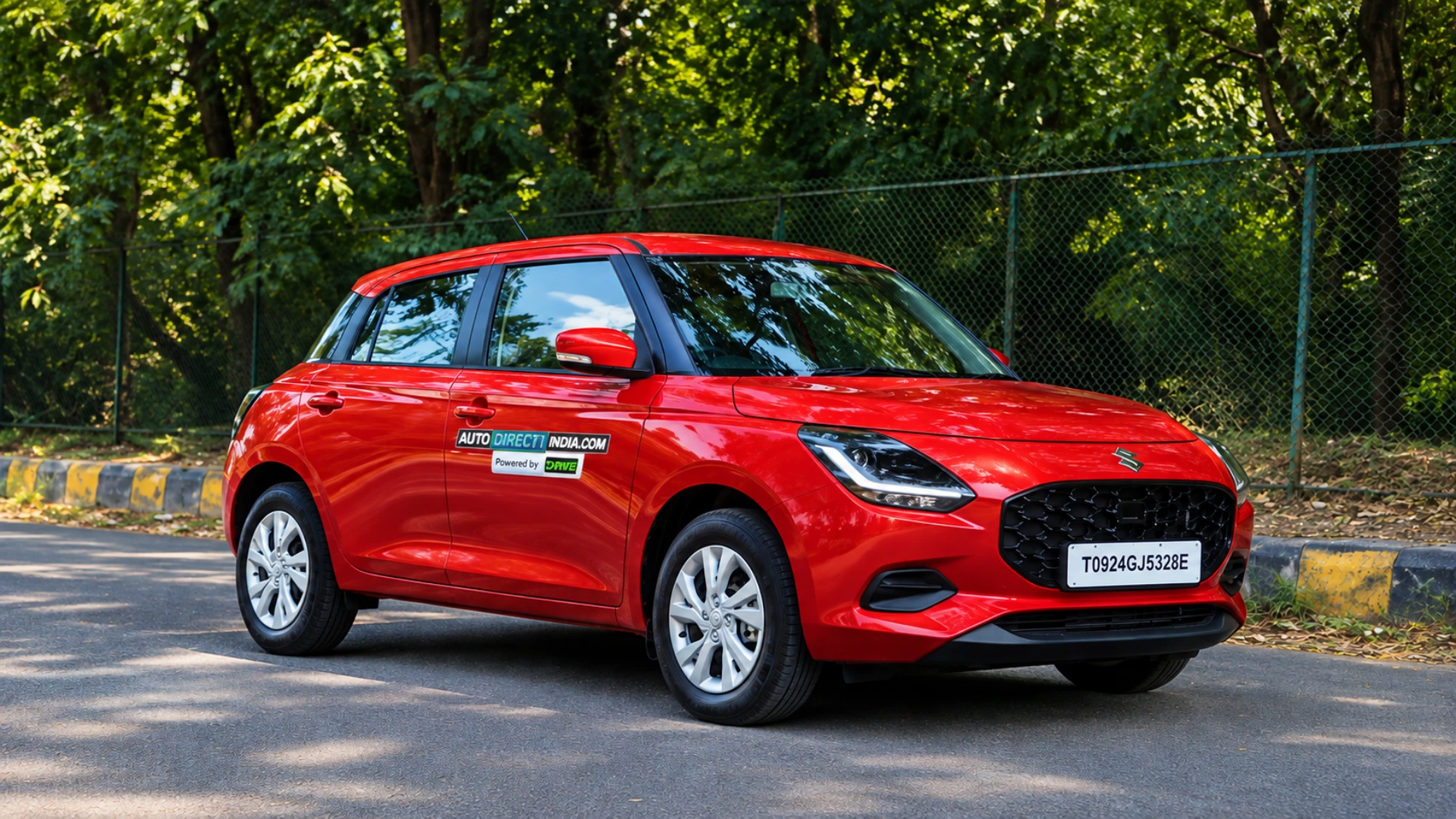
- Popular family vehicles like the WagonR, Baleno, Swift, and Dzire
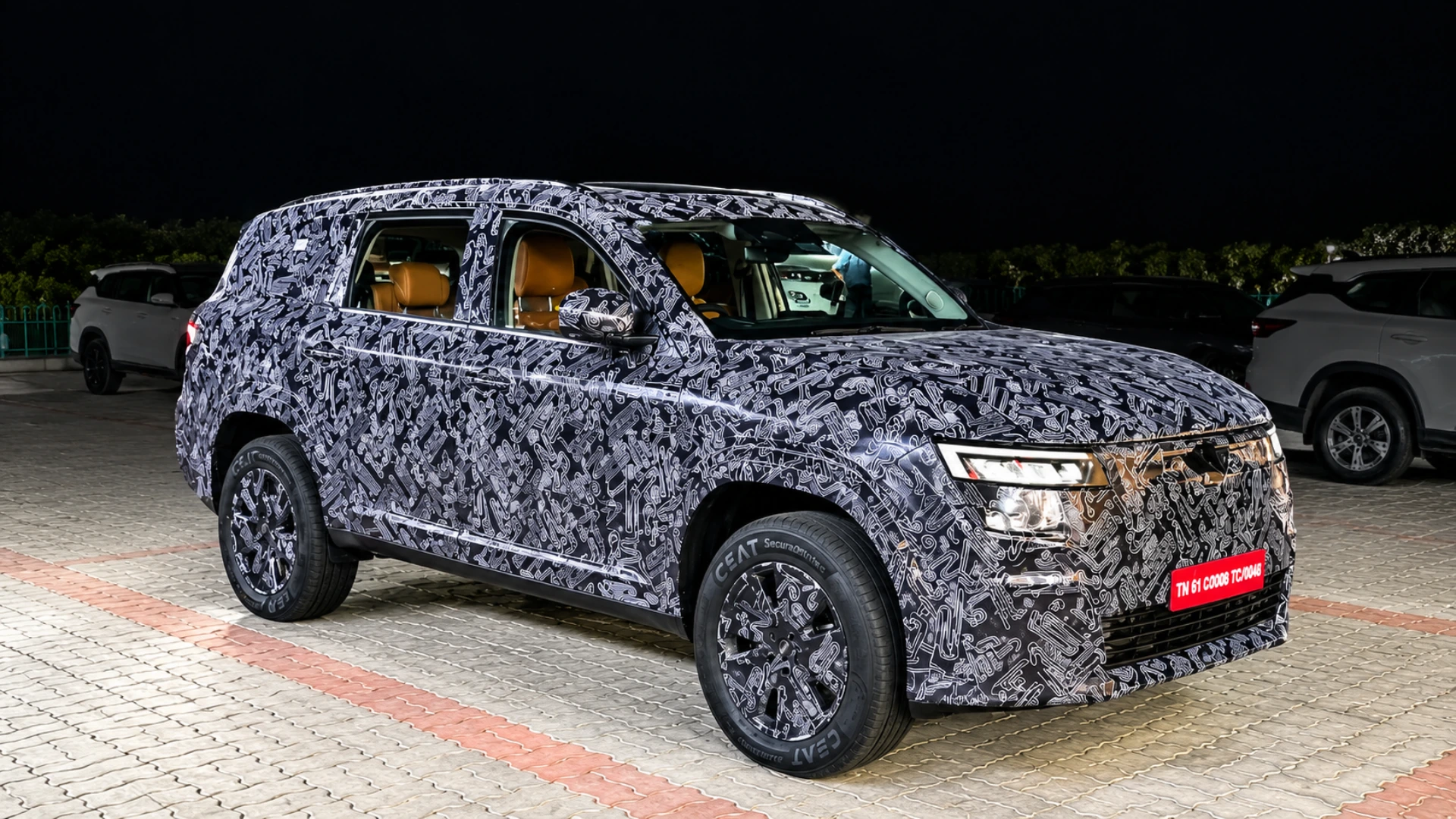
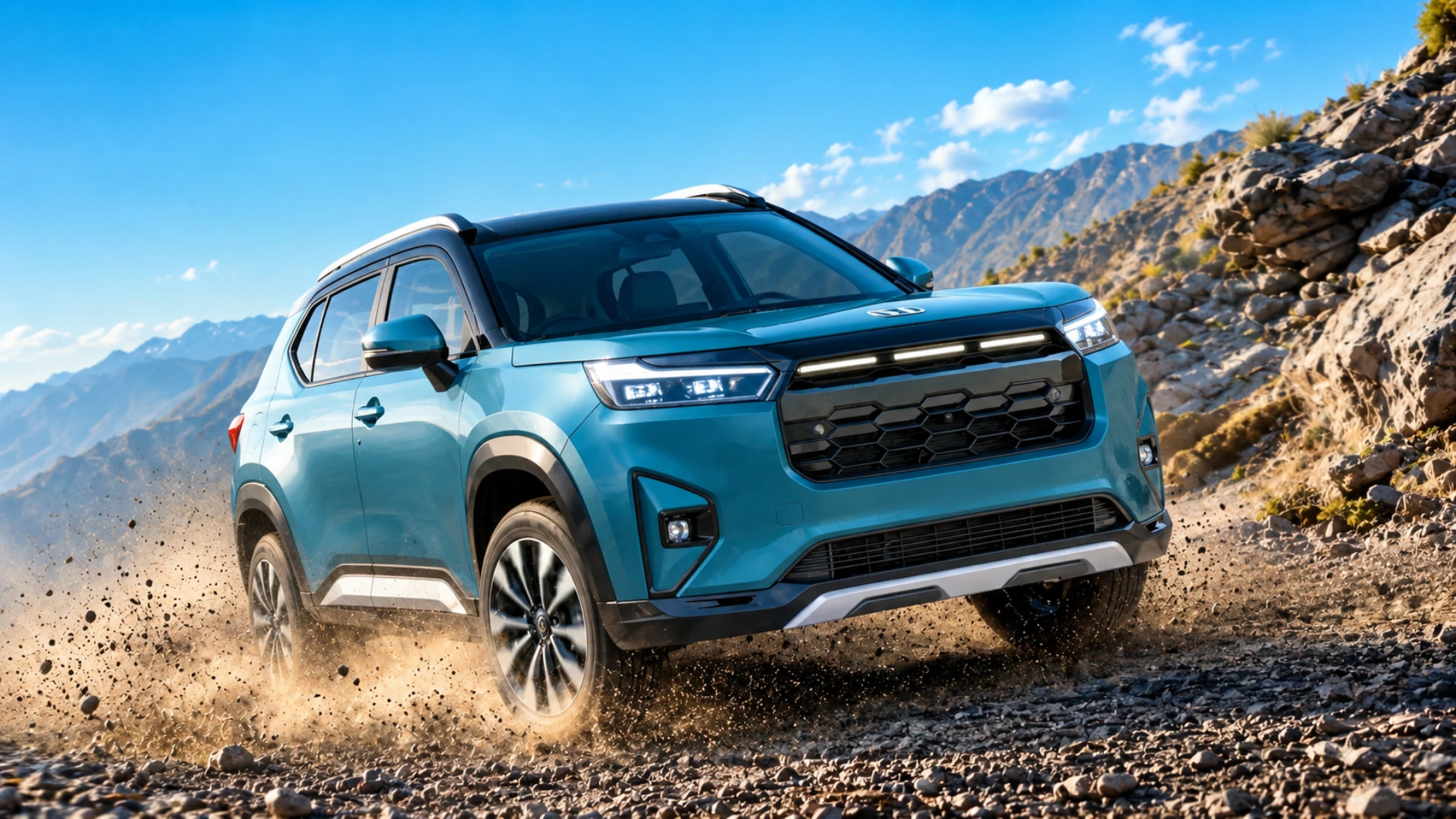
- Premium multi-purpose vehicles and sport utility vehicles, including the Brezza, Ertiga, Grand Vitara, and Invicto
Conclusion
The upcoming price adjustment by Maruti Suzuki reflects the harsh economic realities currently facing the automotive supply chain. While internal cost control measures delayed the move, persistent inflation made a retail adjustment necessary. Prospective buyers looking to secure a new car should consider concluding their purchase agreements before June to escape both the vehicle price revision and rising fuel expenses.
Also Read This |
|
|---|---|
|
Tata Tiago Revealed Ahead of Official Price Announcement on 28 May |
|
Neha Mehlawat
Neha Mehlawat is an automotive journalist and industry analyst with 10+ years of experience covering cars, bikes, and mobility trends. She tracks the latest launches, technology upgrades, and policy changes in the auto sector, delivering sharp insights that help readers stay ahead in the fast-evolving world of automobiles.
_1790584744.webp)