_1781172258.webp)
Table of Content
▼The next-generation Hyundai i20 will feature a massive 12.3-inch integrated display panel that combines the digital instrument cluster and infotainment system. Revealed in an official teaser ahead of its global debut next month, this premium hatchback is expected to arrive in India by early 2027. The screen handles navigation, reverse camera feeds, wireless phone mirroring, and advanced Hyundai BlueLink connected features safely.
Cabin Upgrades and Touch-Sensitive Technology
The inclusion of the single glass piece 12.3-inch integrated panel represents a significant premium shift for the compact hatchback segment. This setup unifies the driver instrumentation with the central entertainment system, offering a layout that was previously reserved for more expensive vehicles.
Beyond the screen upgrade, Hyundai has confirmed that the climate control system will completely shift to touch-sensitive controls. This eliminates physical dials and buttons, giving the central console a much cleaner appearance. These premium interior updates mirror the design choices seen in the new generation Hyundai Venue and the new Hyundai Verna sedan, proving that the brand intends to standardize high-tech luxury across its entire vehicle lineup.
Key Interior Technology Features
- Wireless Phone Mirroring: Seamless connection for Apple CarPlay and Android Auto without cords.
- Hyundai Bluelink: Advanced connected car suites for tracking, remote start, and cabin pre-cooling.
- Integrated Reverse Camera Display: High definition camera feed with dynamic guidelines for effortless parking.
- Touch HVAC Console: Sleek glass finish surface for managing temperature and blower speeds.
Exterior Redesign and Engine Specifications
A previous teaser from the manufacturer highlighted that the premium hatchback will receive a completely new face to match its futuristic interior. The exterior styling revisions include a more aggressive front grille, redesigned headlamps, and sleek new LED daytime running lights that enhance its sporty stance.
The mechanical powertrain offerings will vary significantly based on regional market demands. While the Brazilian market will receive the car with flexible fuel options, the engine lineup for India will remain highly focused on traditional configurations:
- 1.2 Litre Naturally Aspirated Petrol Engine: Tuned for maximum fuel efficiency and smooth city commuting.
- 1.0 Litre Turbo Petrol Engine: Reserved exclusively for the enthusiast-focused N Line variants to deliver rapid acceleration and sporty performance.
Expected Technical Specifications and Layout
The table below outlines the core technical details and market expectations for the upcoming premium vehicle:
|
Feature Category |
Expected Product Specifications |
|
Primary Screen Size |
12.3 Inch Integrated Dual Display Panel |
|
Climate Control Layout |
Touch Sensitive Digital Interface |
|
India Specification Engines |
1.2 Litre Petrol and 1.0 Litre Turbo Petrol |
|
Global Debut Timeline |
Expected Next Month |
|
Expected India Launch |
Early 2027 Calendar Year |
Market Competition and Launch Timeline
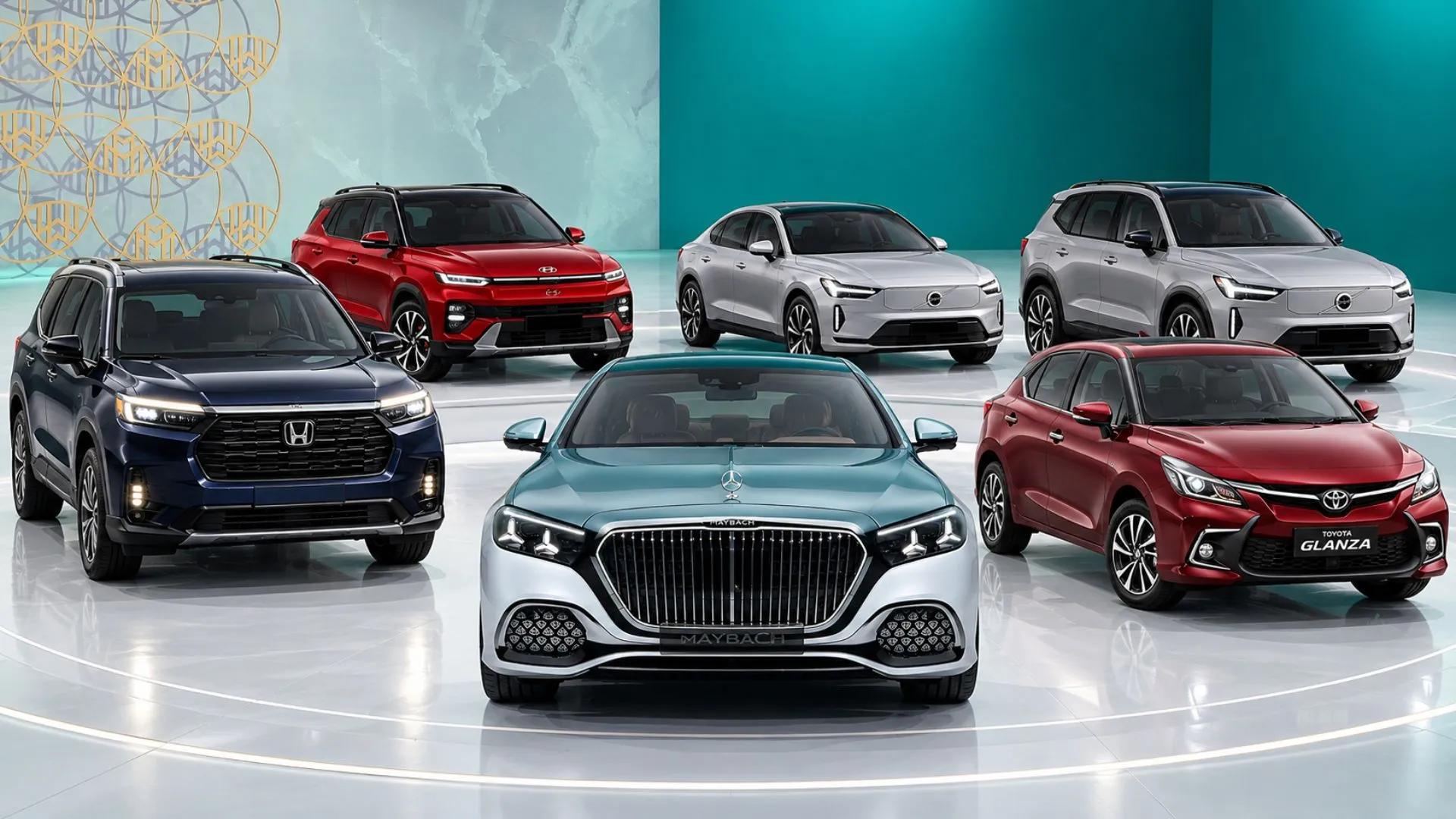
The premium hatchback segment has been waiting for a major technological shakeup. The introduction of this next-generation model will significantly reinforce the competitive position of the brand. When the updated car arrives in India by early 2027, it will directly challenge established segment heavyweights like the Maruti Baleno and the Toyota Glanza, appealing directly to younger, tech-savvy buyers.
Conclusion
The next-generation Hyundai i20 is poised to redefine cabin technology standards with its impressive 12.3-inch integrated display panel and touch-sensitive climate controls. By packing luxury vehicle features into a practical hatchback footprint, the manufacturer ensures a highly competitive package. It stands out as an exciting option for urban commuters looking forward to 2027.
Neha Mehlawat
Neha Mehlawat is an automotive journalist and industry analyst with 10+ years of experience covering cars, bikes, and mobility trends. She tracks the latest launches, technology upgrades, and policy changes in the auto sector, delivering sharp insights that help readers stay ahead in the fast-evolving world of automobiles.
_1790231017.webp)