Table of Content
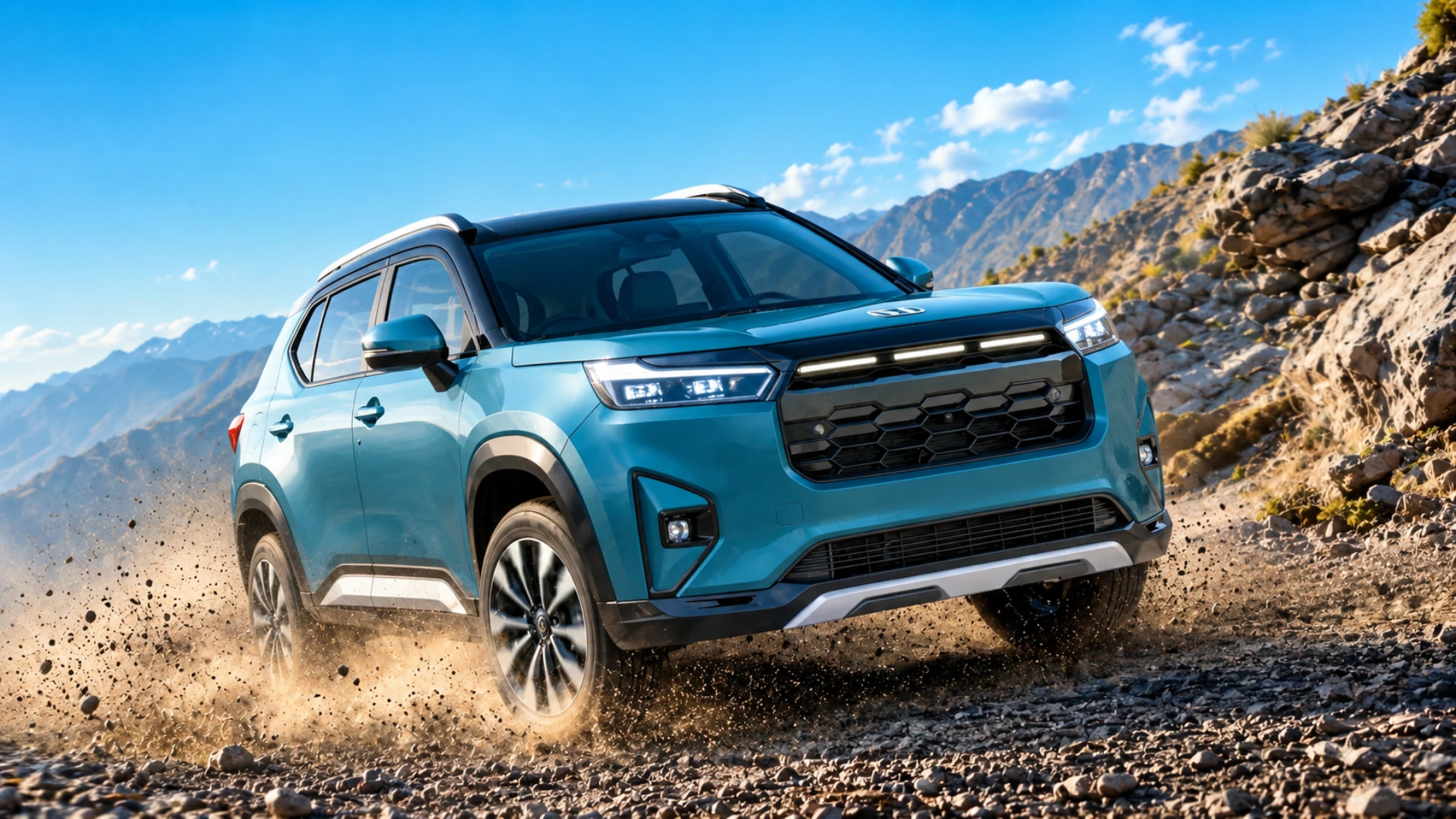
▼Maruti Suzuki price hike news has once again put buyers on alert, with India’s largest carmaker officially announcing another round of price increases across all its vehicle lineup starting August 2026. This call seems to come in response to persistent commodity inflation, ongoing pressure on operating margins, and a steady climb in input costs. If you are planning to buy a new Maruti Suzuki car, you have only a short span to secure current ex-showroom prices before the deadline hits.
Why Is Maruti Suzuki Increasing Car Prices?
Maruti Suzuki keeps it all on tight margins across both its mass-market and its more premium range as well, and this newest revision doesn’t seem like some random one off move. Basically, it looks more like a pattern, because other big automakers like Tata Motors, Hyundai, and Kia have also recently nudged their prices higher, due to kind of the same kinds of challenges.
The primary drivers behind this upcoming price revision include the following critical factors.
- Commodity Inflation: The price of raw materials that are used across the manufacturing process has kept going up steadily through 2026.
- Input Cost Pressures: Components, logistics, and production expenses, they have all sort of moved higher together, squeezing the already tight margins.
- Operating Margin Strain: Even with months of internal cost cutting, the company says fully absorbing these costs is no longer something that can be sustained.
- Industry-Wide Trend: A bunch of other automakers have also announced similar increases in recent weeks, which signals a wider raw material volatility across the whole sector.
Company officials stress that this move is necessary to sustain production efficiency and continue offering the reliability and after-sales support that Maruti Suzuki buyers have come to expect from the brand. Notably, this marks the same reasoning the company cited during its previous revision in June, suggesting these cost pressures have persisted rather than eased.
Affected Maruti Suzuki Models in India
Currently, Maruti Suzuki offers one of the widest vehicle portfolios in the Indian market, spanning hatchbacks, sedans, SUVs, and MPVs. While the brand has not disclosed the exact price increase for each specific model variant, the maximum adjustment is capped at Rs 30,000, ex-showroom.
|
Vehicle Model |
Segment Type |
Fuel Option |
|---|---|---|
|
Maruti Alto K10 |
Entry Hatchback |
Petrol/CNG |
|
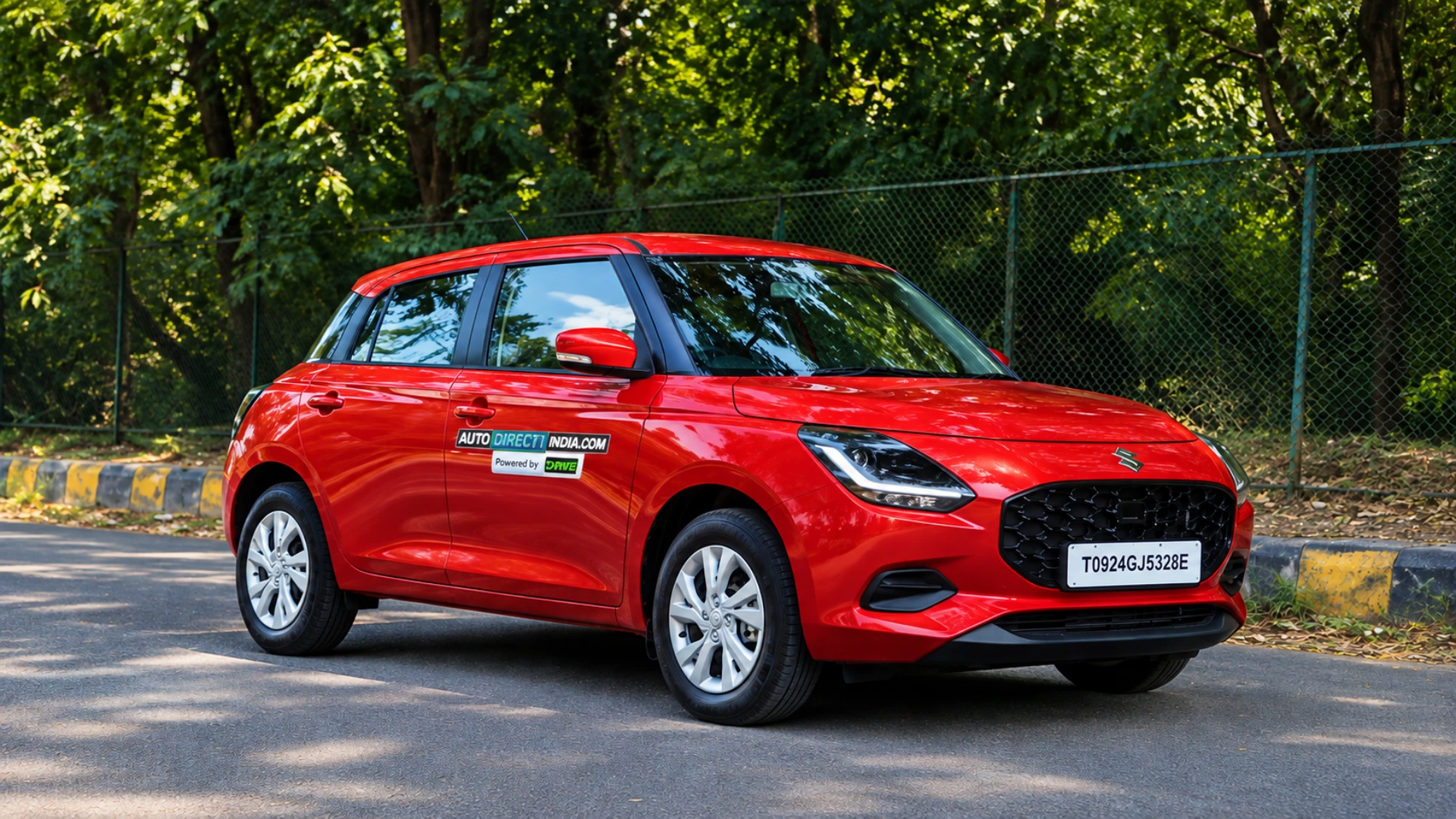
Maruti Swift |
Premium Hatchback |
Petrol/CNG |
|
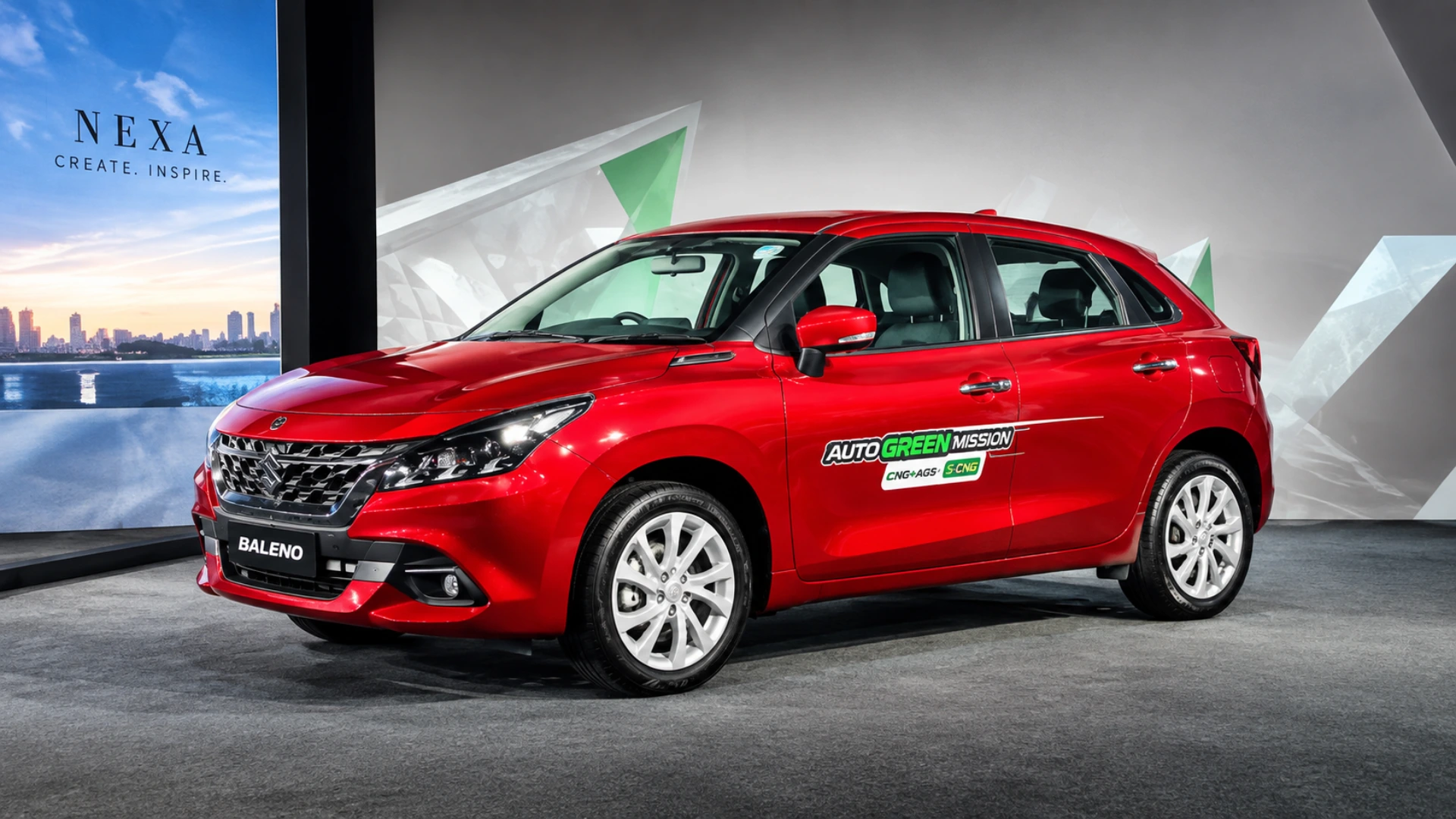
Maruti Baleno |
Premium Hatchback |
Petrol/CNG |
|
Maruti Brezza |
Compact SUV |
Petrol/CNG |
|
Maruti Grand Vitara |
Mid-Size SUV |
Petrol/Hybrid/CNG |
|
Maruti Ertiga |
MPV |
Petrol/CNG |
Impact on Buyers and Dealership Network
The new pricing structure will directly apply to all fresh bookings and then again the subsequent deliveries made starting August 2026 onward. If you are planning to purchase a Grand Vitara, or thinking about the ever-popular Swift, acting swiftly before the deadline is like a smart financial move, honestly.
To support its huge customer base, Maruti Suzuki keeps up the largest sales and service network in the country, stretching over thousands of touchpoints across both city and village India. With this wide reach it means owners in every price band get consistent servicing help, kind of like a steady safety net, and it really helps the brand keep its name for being affordable along with dependable after sales service.
The company also said that more price adjustments might happen later this year, if commodity inflation and input cost pressures keep pressing on , and if there is no relief. That would be the fourth such revision in 2026 alone, a rhythm that shows how volatile the current manufacturing environment has turned for automakers that are working in India.
Buyers should also weigh a few practical considerations before the deadline arrives:
- Booking Timeline: Finalising a purchase before August 2026 helps buyers avoid the additional cost entirely.
- Model-Specific Impact: Since the increase is not uniform, the actual difference will depend on which model and variant a buyer selects.
- Loan and EMI Planning: Buyers relying on financing should factor in how even a modest price increase can affect EMI calculations over the loan tenure.
- Dealership Demand: A short-term surge in bookings is likely as buyers rush to beat the deadline, a pattern that has repeated with each of Maruti Suzuki's previous revisions this year.
Conclusion
The upcoming Maruti Suzuki price hike reflects the rising cost pressures facing India's automotive sector. With prices increasing by up to Rs 30,000 from August 2026, buyers should finalise their purchase before the deadline to avoid the added cost.
Neha Mehlawat
Neha Mehlawat is an automotive journalist and industry analyst with 10+ years of experience covering cars, bikes, and mobility trends. She tracks the latest launches, technology upgrades, and policy changes in the auto sector, delivering sharp insights that help readers stay ahead in the fast-evolving world of automobiles.
_1790584744.webp)