_1790584744.webp)
Table of Content
▼Maruti Suzuki is actively developing a new-generation direct-injection turbo petrol engine internally called DITC. Revealed during the Technology Strategy 2026 presentation, this advanced powertrain will play a massive role in future models for growth markets like India. This exciting development proves that conventional petrol engines will remain a core part of the long-term strategy for Maruti Suzuki alongside hybrid and electric vehicle technologies.
The Strategy Behind the DITC Engine
Automakers are constantly looking for ways to balance driving thrills with everyday practicality. According to the brand, the upcoming DITC engine is being designed to deliver much stronger performance while simultaneously improving overall fuel efficiency.
This is a refreshing approach because conventional turbocharged engines are usually designed primarily to increase peak power output, often at the expense of fuel economy. By utilizing advanced direct injection technology, the brand can generate strong torque from a relatively small engine displacement. Precise fuel management ensures that every drop of petrol is used optimally,y resulting in a highly efficient yet punchy driving experience.
Flexibility Across Vehicle Segments
For a brand like Maruti Suzuki, this new powertrain provides incredible flexibility. A powerful yet efficient turbo engine can easily be adapted across multiple vehicle segments ranging from lightweight urban hatchbacks to heavier midsize SUVs. This helps the company meet evolving customer expectations while strictly adhering to tighter global emissions standards.
Pushing Thermal Efficiency Limits
Beyond just bolting a turbocharger to an engine block, the Japanese automaker is heavily investing in improving the thermal efficiency of its internal combustion engines. Thermal efficiency simply refers to how effectively a car engine converts the raw energy of fuel into usable driving power. Higher efficiency means less energy is wasted as exhaust heat.
|
Engine Metric |
Current Z12E Development |
Future DITC Target |
|
Thermal Efficiency |
Around 40 percent |
Closer to 50 percent |
|
Induction Type |
Naturally Aspirated |
Direct Injection Turbo |
|
Primary Engineering Goal |
Maximum Fuel Economy |
Balanced Performance and Efficiency |
|
Vehicle Application |
Compact Cars |
Hatchbacks to Midsize SUVs |
To push thermal efficiency closer to the incredible 50 percent mark,k the engineering team is utilizing a combination of highly advanced technologies.
These engineering upgrades include:
- Lean combustion techniques for better fuel economy
- Higher compression ratios to maximize power
- Increased exhaust gas recirculation
- Faster overall combustion processes
- Implementation of the highly efficient Miller cycle
- Innovative waste heat recovery systems
- Lower viscosity lubricants to reduce friction
- Significantly reduced mechanical losses inside the block
Past Turbo Petrol Cars from Maruti Suzuki
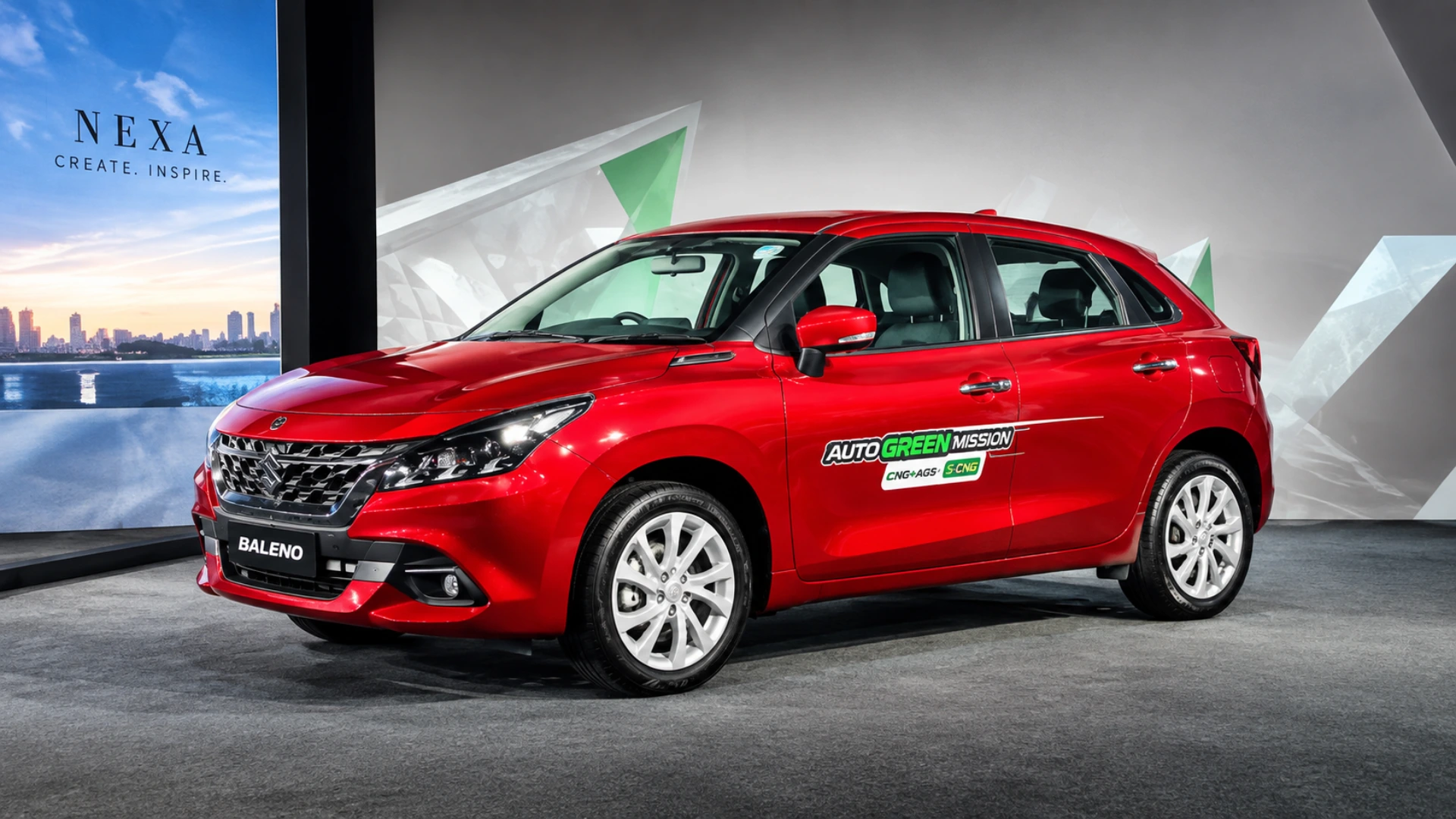
The brand is no stranger to turbocharged performance in India. Back in 2017, car enthusiasts were treated to the Baleno RS, which featured a lively 1.0-litre three-cylinder Boosterjet engine producing 102 hp and 150 Nm of torque. Unfortunately, that specific model was discontinued before the stringent BS6 emission norms took effect in 2020.
More recently, the company reintroduced turbo petrol power to the Indian market with the 1.0 litre Turbo Boosterjet engine featured in the Brezza, which launched in July 2026. However,r the upcoming DITC project is positioned as a completely new generation engine. It remains unclear whether this new unit will eventually replace the existing Boosterjet engine or coexist alongside it in the lineup.
Conclusion
As modern vehicles grow in size and weight,t buyers increasingly demand better highway performance without compromising on daily fuel economy. This modern turbo petrol engine will become a highly important addition to the Maruti Suzuki portfolio. The ultimate challenge for the brand will be achieving the perfect balance between performance, efficienc,y emissions compliance affordabilit,y and long term reliability especially in a diverse and price sensitive market like India.
Neha Mehlawat
Neha Mehlawat is an automotive journalist and industry analyst with 10+ years of experience covering cars, bikes, and mobility trends. She tracks the latest launches, technology upgrades, and policy changes in the auto sector, delivering sharp insights that help readers stay ahead in the fast-evolving world of automobiles.