Table of Content
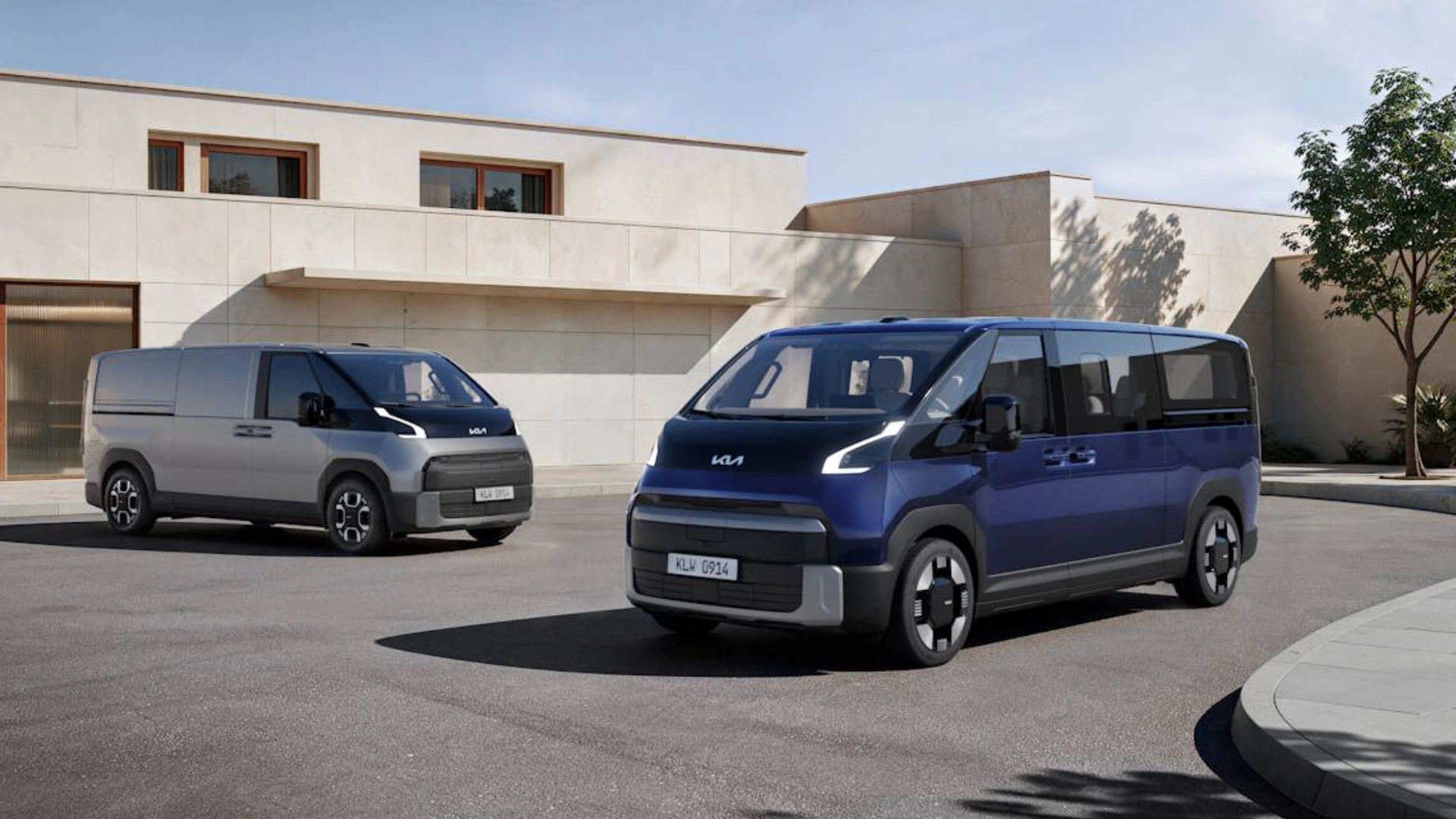
▼The Kia PV7 Electric Van has been globally unveiled as the second model in Kia's Platform Beyond Vehicle lineup, offering up to 460 km of WLTP range, 800V fast charging, and seating for up to nine passengers. Built for both commercial and passenger use, the PV7 comes in Cargo and Passenger versions to suit different buyer needs.
Quick Overview: Kia PV7 Electric Van
- Range: Up to 460 km WLTP (Long Range Cargo)
- Battery Options: 71.5 kWh and 96.2 kWh NCM
- Power and Torque: Up to 200 kW and 420 Nm
- Charging: 800V architecture, 10 to 80 percent in about 25 minutes
- Seating: Up to 9 passengers globally, 11 in Korea
- Cargo Capacity: Up to 8.0 cubic metres, 1,200 kg payload
What Is the Kia PV7 Electric Van?
The Kia PV7 Electric Van sits on Kia's dedicated PBV-specific E-GMP architecture, a platform built specifically to maximise interior space and accessibility rather than being adapted from a passenger car design. This gives Kia room to offer two distinct versions, Cargo and Passenger, from the same underlying vehicle.
Powertrain and Charging
The Kia PV7 Electric Van currently comes with a Front Wheel Drive setup, with an All Wheel Drive version planned for a later stage. Key powertrain details include:
- 71.5 kWh and 96.2 kWh NCM battery pack choices
- Up to 200 kW power and 420 Nm torque
- Long Range Cargo variant WLTP range of more than 460 km
- 800V electrical architecture for rapid charging
- 10 to 80 percent DC fast charging in around 25 minutes
- Dual charging ports, a front AC/DC port and an optional rear side AC port
This makes the PV7 Kia's first model to offer dual charging ports, adding real flexibility for fleet operators and daily users alike.
Kia PV7 Cargo vs Kia PV7 Passenger
|
Feature |
PV7 Cargo |
PV7 Passenger |
|
Focus |
Payload and practicality |
Comfort and flexibility |
|
Seating |
2 or 3 seats |
Up to 9 (11 in Korea) |
|
Cargo Space |
Up to 8.0 cubic metres |
Not the primary focus |
|
Payload |
Up to 1,200 kg |
Not applicable |
|
Key Features |
Low loading height, cargo door monitoring, load carrying modes |
Removable seats, rear climate control, USB-C ports |
The Cargo version clearly targets logistics and business users, while the Passenger version is built for shuttle services, tourism, family use, and crew transport.
Technology Inside the Kia PV7 Electric Van
The cabin runs on Pleos Connect, based on Android Automotive OS, and includes:
- 12.9-inch and 14.6-inch displays
- Connected navigation and an app marketplace
- Flexible screen layouts with over-the-air updates
- Kia's Gleo AI voice assistant for natural language control of vehicle, navigation, and messaging functions
Safety Features
The Kia PV7 Electric Van comes with seven airbags, including a front passenger roof-mounted airbag, along with Pedal Misapplication Safety Assist. The ADAS package includes forward collision avoidance, lane keeping assist, smart cruise control, highway driving assist, and parking aids, supported by a surround view camera system and Built-in Cam 3.0 for recording driving footage.
Conclusion
The Kia PV7 Electric Van is a purpose-built answer to two very different needs, moving cargo efficiently and moving people comfortably, all from one dedicated electric platform. With a real-world range of over 460 km, fast 800V charging, and a strong safety package, the PV7 looks well positioned to serve both business fleets and passenger transport operators once it reaches markets.
Mehul Jain
EV Specialist & Clean Mobility Advocate. Mehul Jain is an expert in India’s evolving electric vehicle ecosystem, with a focus on EVs, charging infrastructure, and sustainable mobility. His articles cover everything from government subsidies to range insights, helping readers navigate the shift to cleaner transportation.
_1716799620.webp)