Table of Content
▼We all have that one dream car poster on our wall—usually a German beauty like a BMW M3 or a Mercedes S-Class. But for years, the harsh reality of India's 110% import duty has turned those dreams into distant fantasies. Well, grab your chequebooks, because things might be about to change significantly.
According to fresh reports, the Indian government is planning to slash import duties on cars from the European Union (EU) as part of a historic Free Trade Agreement (FTA). If finalized, this could be the biggest shake-up for the Indian luxury car market in decades.
Here is the inside scoop on what this means for you and the cars you love.
The Big News: Slashing Taxes from 110% to 40%
Let’s be honest, India has long been a fortress when it comes to imported cars. Currently, Fully Built Units (CBUs) face a staggering tax of 70% to 110%, making them some of the most expensive in the world.
However, under the proposed FTA, India has agreed to reduce this tax significantly for European manufacturers.
- The New Rate: Duties could drop to 40% initially.
- Future Goal: Over time, reports suggest this could go as low as 10%.
- The Catch: This reduction applies to a limited number of cars with an import price of more than €15,000 (approx. $17,739).
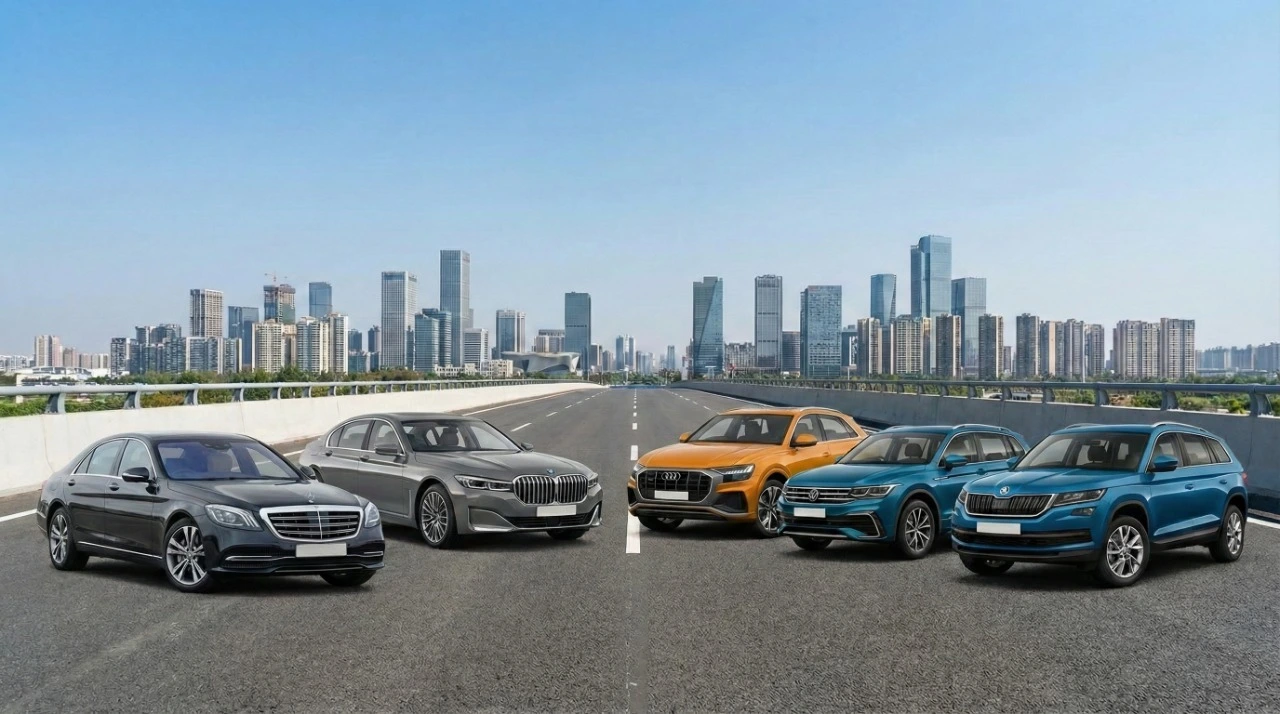
This move is designed to open the doors for European giants like Volkswagen, Mercedes-Benz, and BMW, allowing them to bring their global best-sellers to India without the astronomical price tags.
A "Win-Win" for Luxury Car Buyers
Industry leaders are already buzzing with excitement. BMW Group India President and CEO, Hardeep Singh Brar, called the potential cut a "genuine win-win."
- Niche Market: Since luxury vehicles make up only about 1% of India’s passenger vehicle market, lowering duties won’t really hurt mass-market players like Maruti Suzuki or Hyundai.
- More Choices: Currently, high tariffs force brands to limit their portfolio. Lower taxes mean we could finally see models that were previously deemed "too expensive" for India.
The Fine Print: Quotas and Restrictions
Before you start celebrating, there are a few conditions attached to this deal. It’s not an open floodgate; it’s a controlled stream.
- The Quota: India has proposed a cap of 200,000 Internal Combustion Engine (ICE) vehicles annually under this lower duty structure. While the exact number might be revised, it ensures the market isn't swamped overnight.
- Price Threshold: The tax cut targets premium vehicles (above €15,000), protecting the budget segment where Indian manufacturers dominate.
What About Electric Vehicles?
If you were hoping for a cheaper imported EV, you might have to wait a bit longer.
- The 5-Year Wait: Battery Electric Vehicles (BEVs) are excluded from this tariff reduction for the first five years.
- Why? The government wants to shield domestic champions like Tata Motors and Mahindra & Mahindra.
- Domestic Protection: Indian brands have invested heavily in the local EV ecosystem. Opening the gates to cheap European EVs now could undercut their growth. After five years, however, EVs are expected to join the lower duty party.
Current Market Reality
To give you some context, European brands currently hold less than 4% of India’s massive 4.4 million annual car sales. The market is heavily dominated by Asian giants like Suzuki, Tata, and Mahindra, who control about two-thirds of the share.
This trade deal is seen as a way to boost bilateral trade. While India hopes to export textiles and jewellery to the EU duty-free, Europe wants better access to the world's third-largest car market.
Will Your Dream Car Get Cheaper?
So, what does this mean for your wallet?
- Yes, if: You are eyeing a CBU import like the BMW M2, Mercedes-Benz GLE, or Audi Q8. A drop from 110% to 40% duty could slash lakhs (or even crores) off the on-road price.
- No, if: You are looking at locally assembled (CKD) luxury cars or budget European cars. Models already made in India won't see a direct price drop from this specific import duty cut.
- Wait for it if: You want a niche European sports car or station wagon that was never launched here. This policy might finally make it viable for brands to bring them in.
Final Thoughts
This potential FTA is a ray of hope for Indian petrolheads. While we must wait for the official ink on the paper, the prospect of buying a German engineering marvel at a "fair" price is tantalizing. It balances the needs of our local industry while finally giving luxury car buyers a break.
Also Read This |
|
|---|---|
|
Mexico 50% Auto Import Tariff Hits $1 Billion Indian Car Exports |
Mahindra Thar Roxx Star Edition Hits Market at Rs 16.85 Lakh |
Neha Mehlawat
Neha Mehlawat is an automotive journalist and industry analyst with 10+ years of experience covering cars, bikes, and mobility trends. She tracks the latest launches, technology upgrades, and policy changes in the auto sector, delivering sharp insights that help readers stay ahead in the fast-evolving world of automobiles.