Table of Content
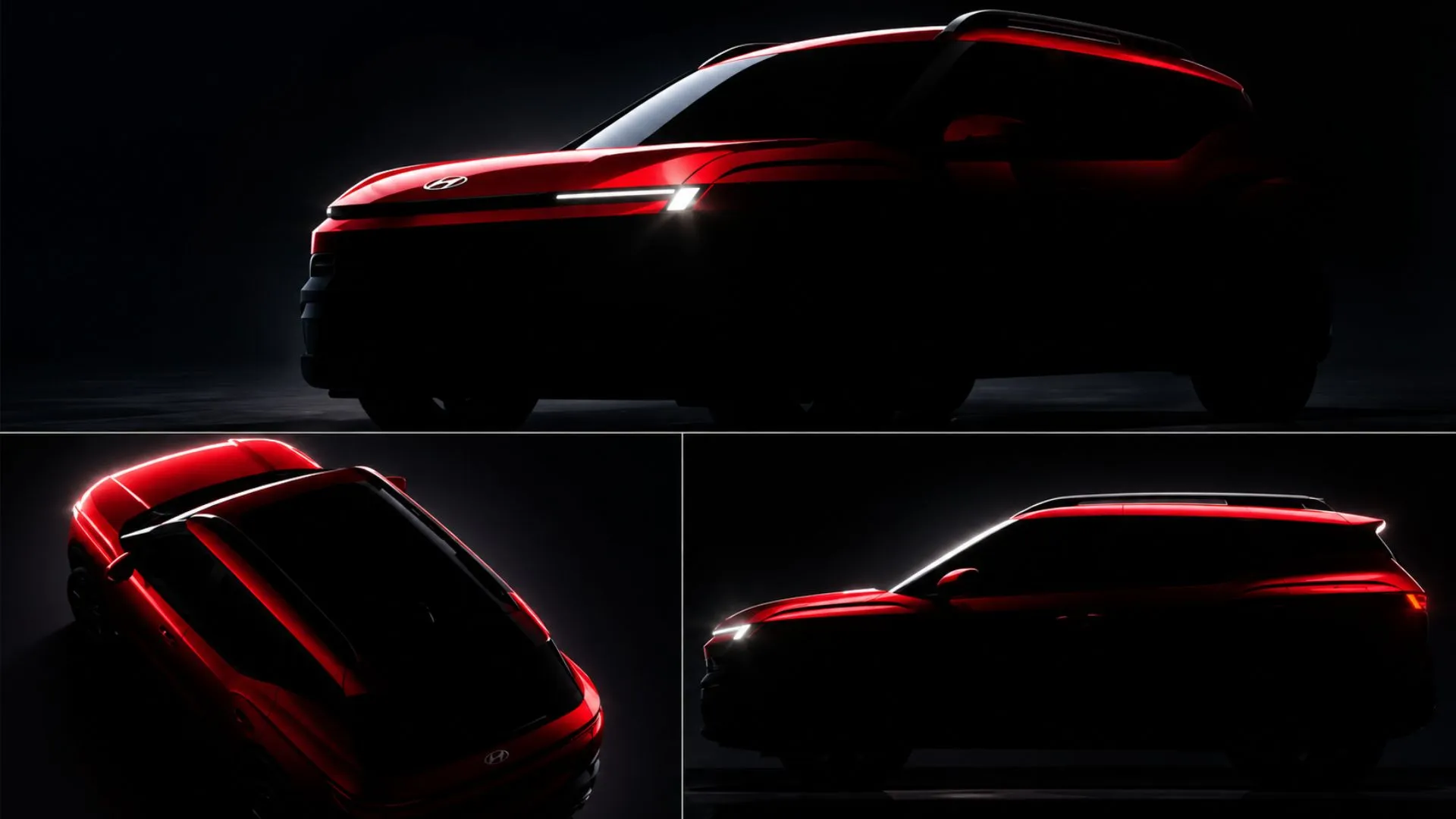
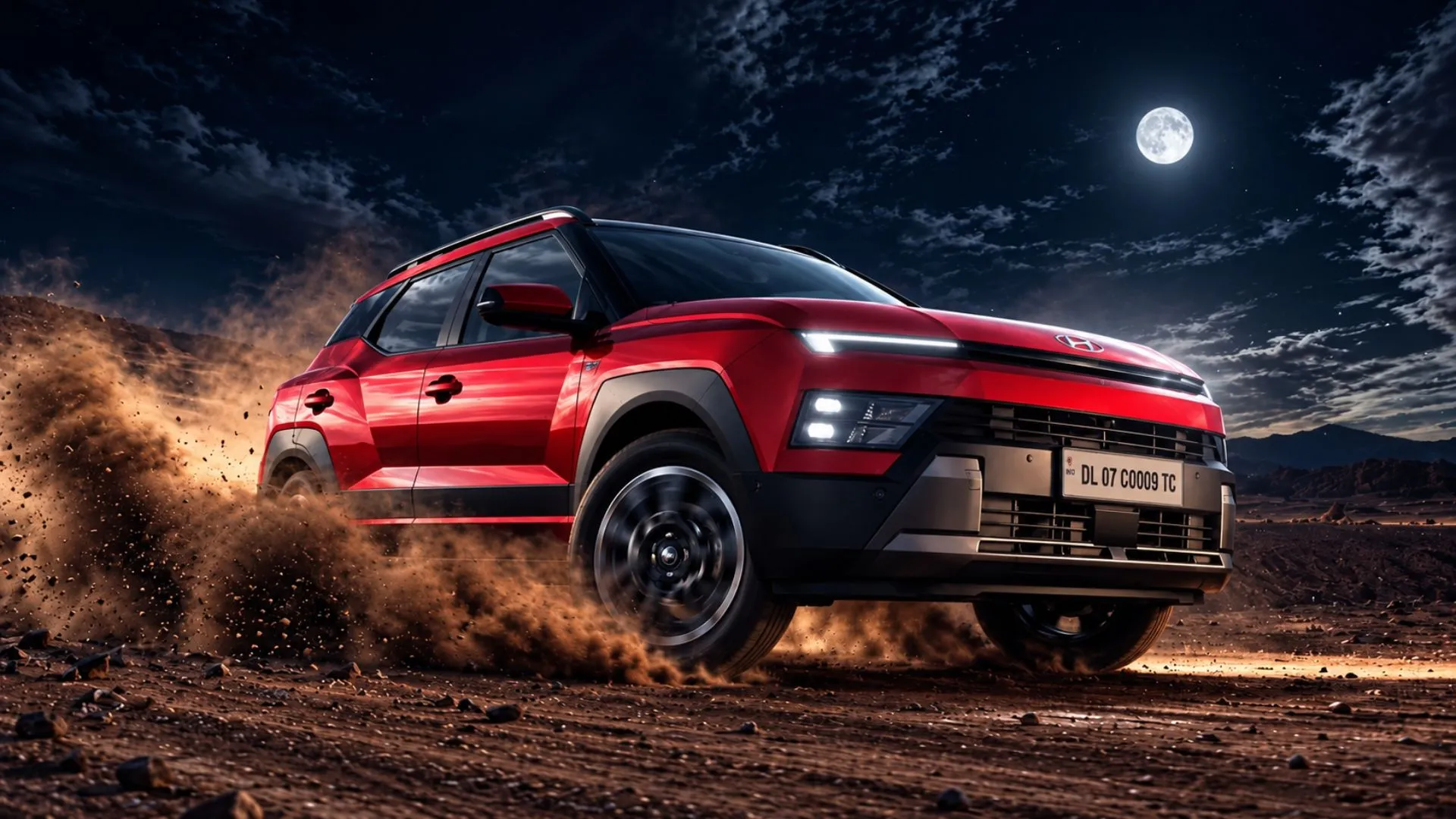
▼Hyundai Bayon variant-wise features and dimensions have leaked online just ahead of its launch on 26 October 2026. The documents further indicate that there are seven trims, the top variant being feature-rich and the body being spacious enough to fit between the Venue and the Creta. It should be, however, noted that although Hyundai has not confirmed the details as yet, these leak give a clear insight about the expectations of the buyers.
Dimensions and Platform
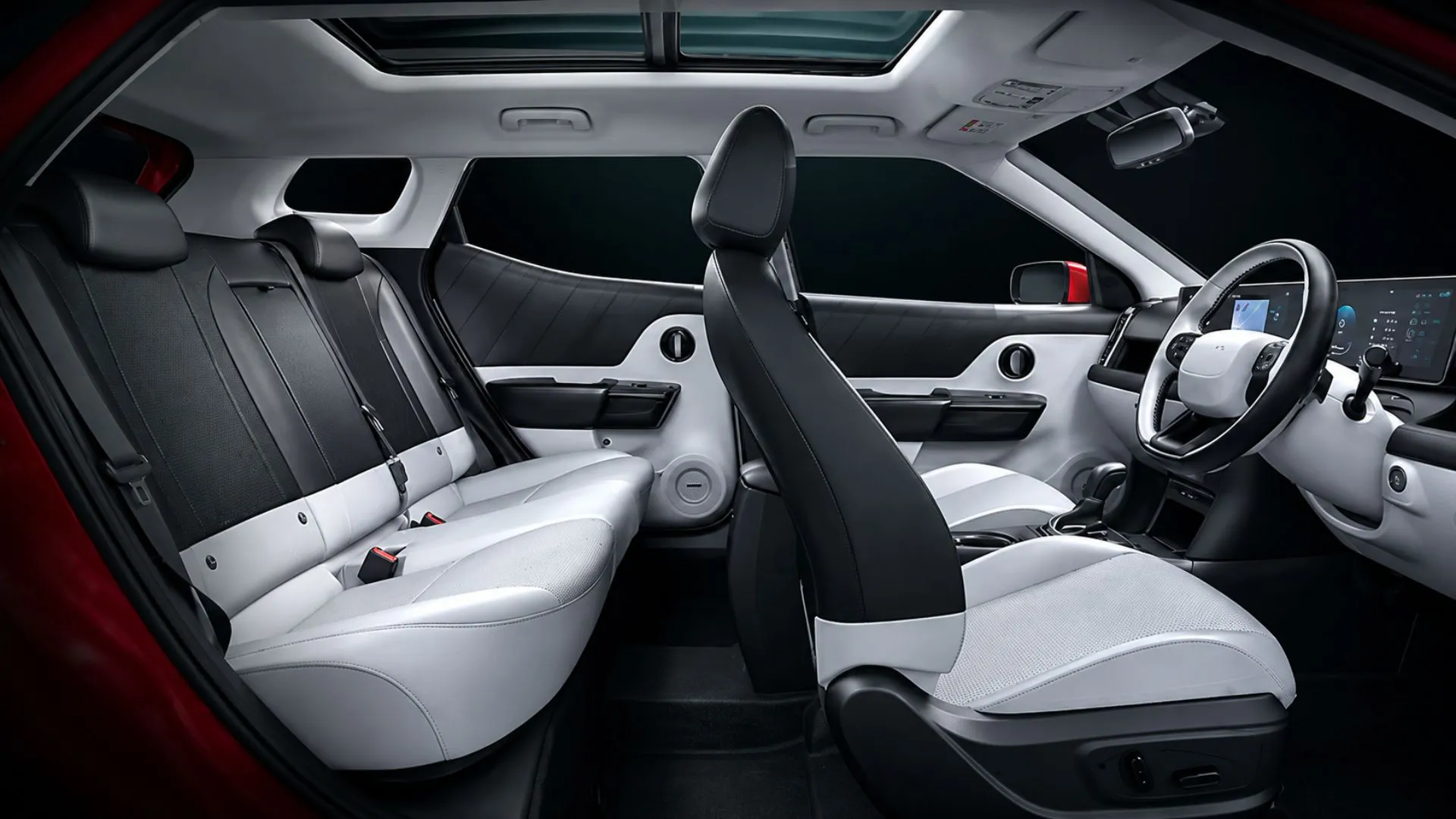
The new SUV measures 4,245 mm in length, 1,810 mm in width and 1,605 mm in height with roof rails. A 2,600 mm wheelbase promises generous rear-seat space, while the 205 mm ground clearance suits Indian road conditions.
|
Feature |
Specification |
|---|---|
|
Length |
4,245 mm |
|
Width |
1,810 mm |
|
Height |
1,605 mm |
|
Wheelbase |
2,600 mm |
|
Ground Clearance |
205 mm |
|
Turning Radius |
5.16 metres |
|
Boot Space |
505 litres |
|
Fuel Tank |
43 litres |
Engine and Powertrain Details
The Hyundai Bayon will use the proven 1.5-litre naturally aspirated petrol engine also seen in the Creta. It produces 115 PS and 143.8 Nm of torque. Buyers can choose between a six-speed manual and an iVT automatic, and the automatic adds Dash Boost mode, paddle shifters and Eco, Normal, and Sport drive modes.
Variant Lineup and Gearbox Options
The leaked lineup includes seven trims: HX2, HX3, HX3+, HX5, HX6, HX8 and HX10. The first three trims come only with the manual gearbox, while the HX5 and above offer both manual and iVT options.
Variant-Wise Features
|
Variant |
Key Features |
|---|---|
|
HX2 |
R16 steel wheels, LED projector headlamps, 4.2-inch TFT cluster, manual AC, rear AC vents |
|
HX3 |
10.25-inch touchscreen, rear camera, smart key, push-button start |
|
HX3+ |
Electric sunroof, bridge-type roof rails, 17-inch styled wheels |
|
HX5 |
OTA updates, Bluelink connectivity, wireless charger, cruise control, automatic climate control |
|
HX6 |
Panoramic sunroof, R17 diamond-cut alloys, ambient lighting, dual LED projector headlamps |
|
HX8 |
Parking sensors, dashcam, ventilated front seats, 8-way power driver seat, rear disc brakes |
|
HX10 |
Dual 12.3-inch curved screens, Bose audio, 360-degree camera, generative AI assistant, Level 2 Pro ADAS |
Safety and Technology
Hyundai has reportedly fitted all variants with 35 standard safety features, including six airbags, electronic stability control, hill start assist, and tyre pressure monitoring. The top HX10 trim adds Level 2 Pro ADAS with 23 features, supported by three radars and 12 sensors. It also gets a generative AI voice assistant powered by Perplexity and SoundHound AI, which responds to natural voice commands.
Expected Pricing and Market Rivals
The Hyundai Bayon is expected to start at around Rs 9.5 lakh for the base HX2 and go up to nearly Rs 17 lakh for the HX10. Some reports put the top trim slightly lower, and Hyundai will confirm official prices at launch. At this price, the SUV takes on the Skoda Kushaq, Volkswagen Taigun, and Maruti Suzuki Victoris.
Conclusion
Hyundai Bayon's spacious 4,245 mm body, reliable 1.5-litre petrol engine and proper seven-trims hasten its entry into the market this festive season. The panoramic sunroof is introduced with the HX6, whereas the HX10 will come with exceptional technology and ADAS for consumers seeking everything. Wait til Hyundai announces its prices to know which variant suits your pockets.
Neha Mehlawat
Neha Mehlawat is an automotive journalist and industry analyst with 10+ years of experience covering cars, bikes, and mobility trends. She tracks the latest launches, technology upgrades, and policy changes in the auto sector, delivering sharp insights that help readers stay ahead in the fast-evolving world of automobiles.