Table of Content
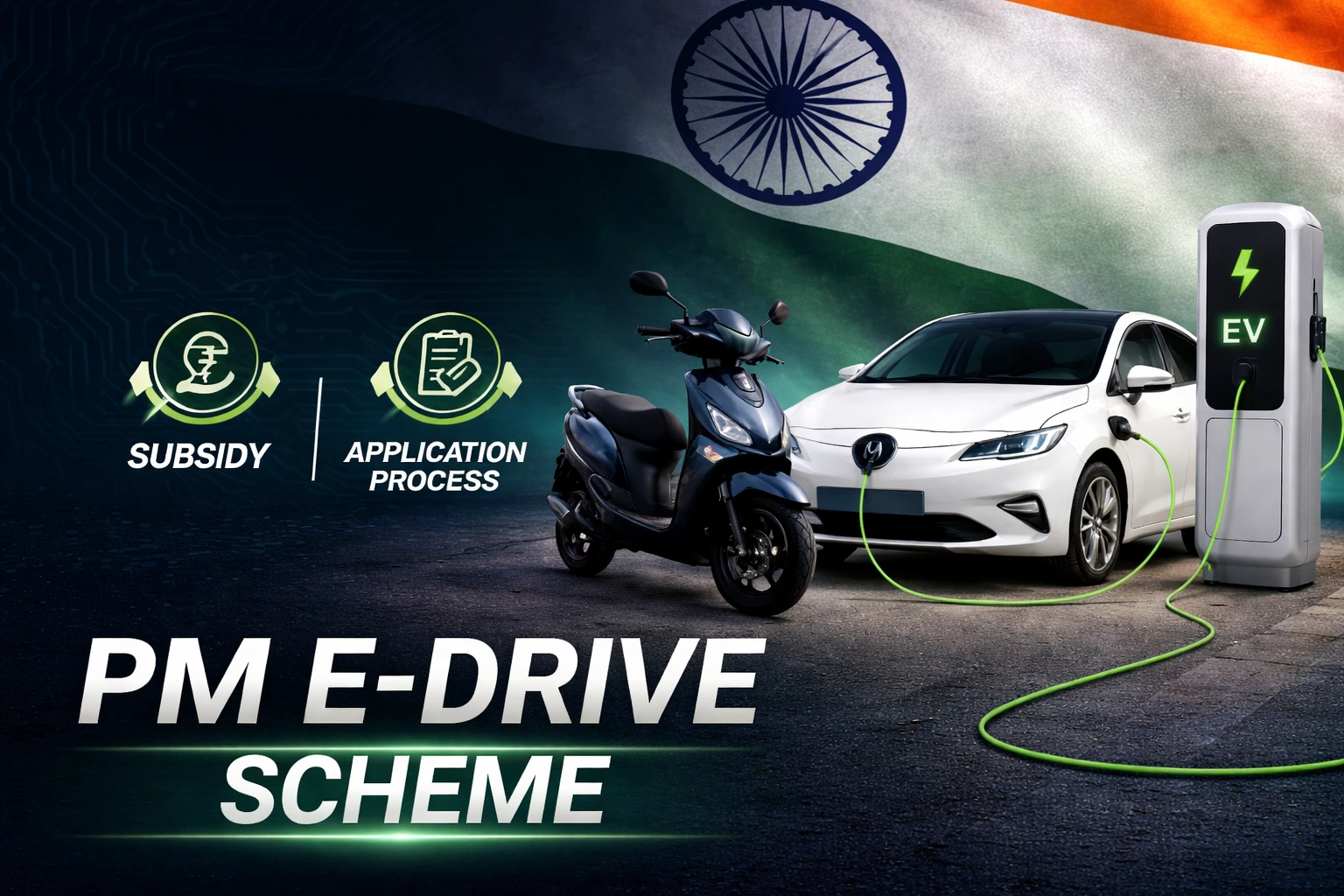
▼The Indian government has officially extended the electric vehicle subsidies under the revised PM E Drive scheme. This update provides continued financial incentives for electric two wheelers until July 31 2026 and three wheelers until March 31 2028. For buyers this means extended opportunities to save upfront costs on EVs though the fund limited nature of the program requires prompt action before the allocated budget completely runs out.
Extended Subsidy Timelines Under PM E Drive
As per recent reports the government has carefully revised the timelines and eligibility criteria under the PM E Drive scheme. The primary goal is to support wider electric vehicle adoption across the country while gradually reducing dependency on government subsidies over time.
This extension brings a massive sigh of relief for buyers who were planning to transition to zero emission mobility but needed more time to make a purchase decision.
Key Deadlines For Buyers
- Electric Two Wheelers: Buyers purchasing battery powered scooters and motorcycles will be eligible for financial incentives if the vehicle is registered until July 31 2026.
- Electric Three Wheelers: Commercial operators buying e rickshaws and e carts will continue to receive subsidies for a longer duration until March 31 2028.
It is crucial to note that the scheme remains strictly fund limited. This means the financial benefits will continue only until the allocated budget is exhausted or the terminal date of the scheme is reached whichever happens first.
Also Read: https://autonexa.com/kia-carens-clavis-ev-gt-line-and-x-line-launched-in-india
Subsidy Amount and Eligibility Criteria
The incentive structure under the PM E Drive scheme has been thoroughly rationalized to cover a larger volume of vehicles. The government aims to support approximately 24.79 lakh electric two wheelers and over 39000 electric three wheelers reflecting a strong focus on affordable and high volume mobility segments.
|
Vehicle Category |
Subsidy Rate |
Maximum Cap Per Vehicle |
Ex Factory Price Cap |
|
Electric Two Wheelers |
Rs 2500 per kWh |
Rs 5000 |
Rs 1.5 Lakh |
|
Electric Three Wheelers |
Rs 2500 per kWh |
Rs 12500 |
Not Specified |
What This Extension Means For EV Buyers
If you are in the market for a new electric scooter or an e rickshaw this government update directly impacts your purchase journey. Here are the main takeaways for consumers.
- Reduced Upfront Purchase Costs: The extended timelines provide potential buyers with additional time to benefit from these government incentives effectively lowering the initial acquisition cost of the vehicle.
- Urgency Due To Limited Funds: Since the scheme is fund limited buyers should act quickly. If the allocated budget is exhausted before the deadline the subsidies will end earlier than expected.
- Improved Ownership Experience: The government is concurrently focusing on strengthening public charging infrastructure and expanding electric bus deployment. This parallel development will significantly improve the overall EV ownership experience in the long term.
- Transition To Market Driven Ecosystem: The government is gradually reducing the overall subsidy amounts compared to earlier phases. This clear signal indicates a steady transition towards a more mature and market driven EV ecosystem where future growth will rely heavily on battery cost reductions and wider consumer acceptance.
Conclusion
The extension of the PM E Drive scheme is a highly positive step for the Indian electric mobility sector. By stretching the subsidy deadlines to July 2026 for two wheelers and March 2028 for three wheelers the government ensures continued support for early adopters. However because the funds are capped buyers must finalize their purchases proactively to secure these valuable financial benefits before the budget runs dry.
Mehul Jain
EV Specialist & Clean Mobility Advocate. Mehul Jain is an expert in India’s evolving electric vehicle ecosystem, with a focus on EVs, charging infrastructure, and sustainable mobility. His articles cover everything from government subsidies to range insights, helping readers navigate the shift to cleaner transportation.
_1716799620.webp)