Table of Content
▼- When it all began: 1886 to 1890
- The Benz Patent Motorwagen
- The birth of Mercedes: 1900 to 1902
- Daimler and Benz unify: 1926
- Detailed Milestone Highlights: 1986 to 2026
- The 1980s: Precision and Stability
- The 1990s: Environmental Care and Safety Standards
- The 2000s: The Intelligent Vehicle
- The 2010s: Connectivity and Efficiency
- The 2020s: The Age of Autonomy and Hyper Efficiency
- Brand Evolution: From Carriages to Computing
- Market Position and Competition
- Conclusion
- Also Read This
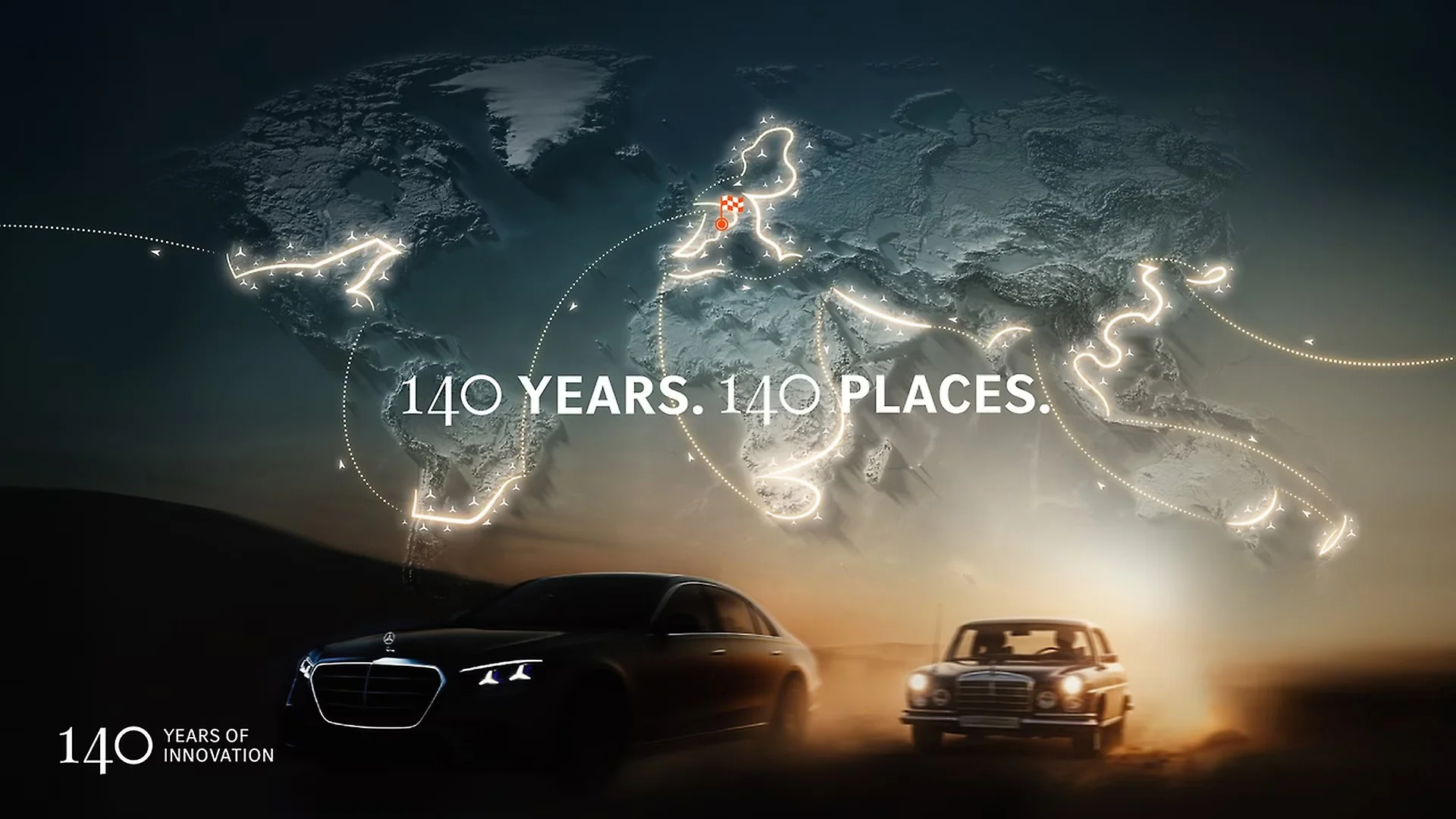
In 1886, Carl Benz and Gottlieb Daimler independently changed the world by inventing the first automobiles in Germany. This year, the global icon Mercedes Benz celebrates 140 years of pioneering excellence. Since the patent of the Motorwagen, the brand has defined luxury and safety for generations, evolving from horseless carriages into the ultimate symbol of prestige.
The 140 year journey of Mercedes Benz is not just a history of transportation but a story of constant reinvention that has shaped modern society. From the first three wheeled patent vehicle to the AI integrated flagships of today, the brand has consistently delivered on its promise to provide the best or nothing. This anniversary marks a transition into a new era of digital luxury, where software and sustainability lead the way.
When it all began: 1886 to 1890
The Benz Patent Motorwagen
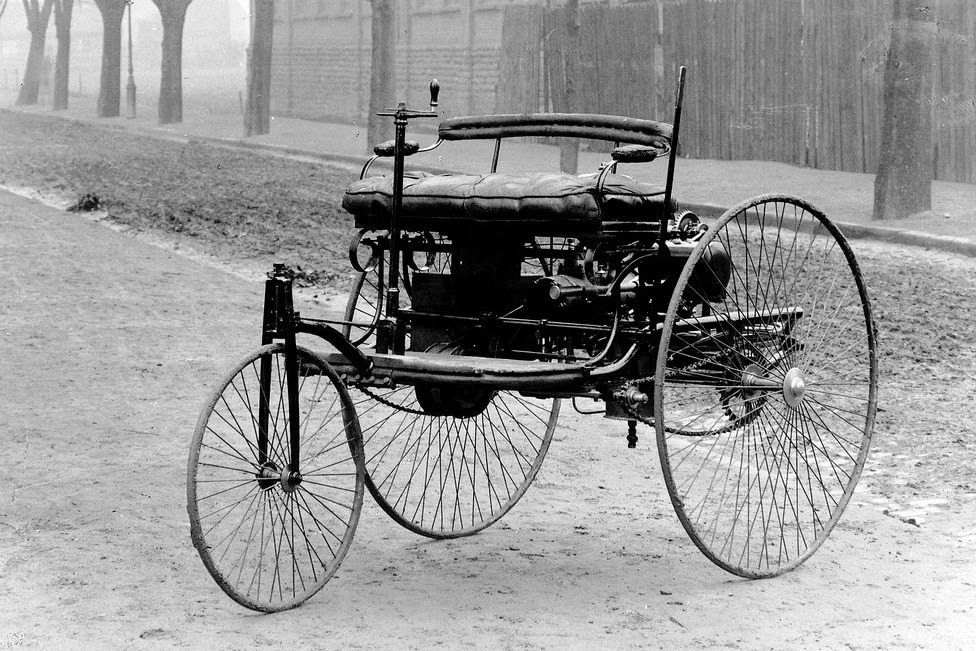
In January 1886, German engineer Carl Benz patented his three wheeled Patent Motorwagen, the first petrol powered car. It featured a 0.68 hp single cylinder 4 stroke engine. Benz created this invention after leading a successful industrial machine company known as Benz and Companie Rheinische Gasmotoren Fabrik, or Benz and Cie.
On July 3, 1886, Benz performed the first successful public road tests, where the car reached a top speed of 16 kph. During that same year, Gottlieb Daimler and Wilhelm Maybach independently fitted a 1.1 hp petrol engine to a stagecoach with a rear belt drive. This effectively produced the first four wheeled RWD automobile in the world.
Daimler used this 1.1 hp engine for various transport modes, including motorboats and airships. Together with Maybach, he founded Daimler Motoren Gesellschaft (DMG) in 1890. Meanwhile, Benz began selling the Motorwagen in the summer of 1888 and continued to build new versions over the years.
The birth of Mercedes: 1900 to 1902
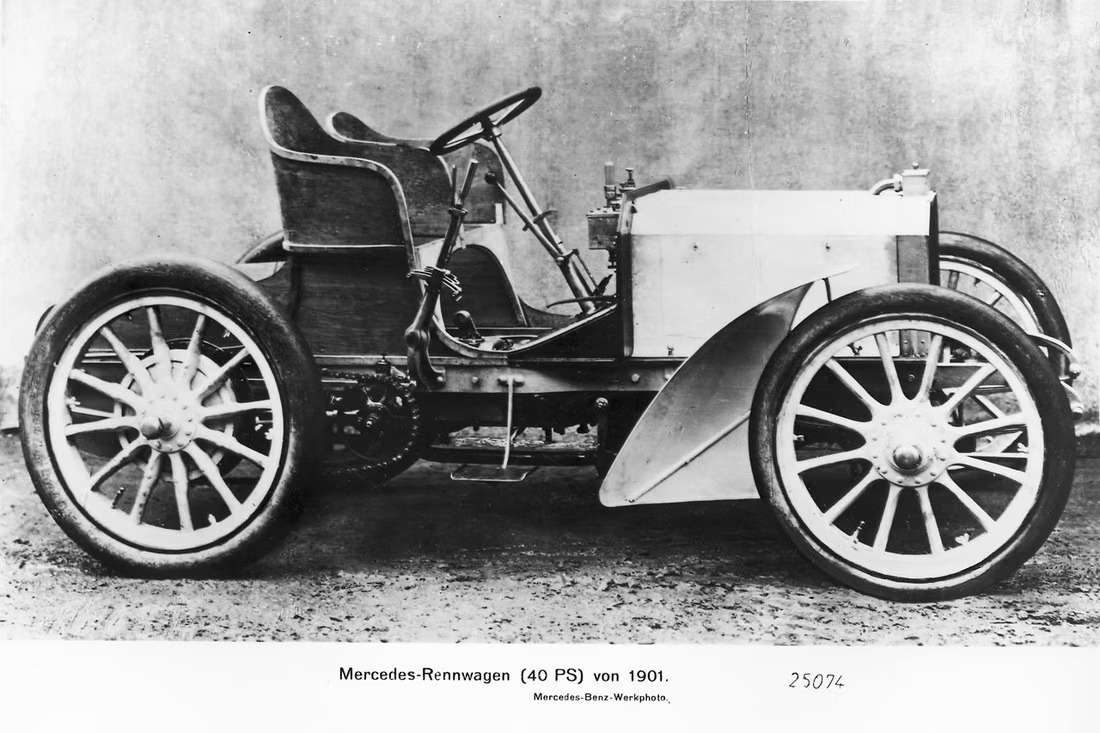
The reputation of DMG for high performance engines caught the eye of Emil Jellinek, an Austrian businessman. In 1900, he commissioned the company to build a new 35 hp 4 cylinder engine called Daimler Mercedes. The name Mercedes was the nickname of his daughter, Adriana.
The Mercedes 35 hp race cars dominated the motorsport scene in 1901 because they featured a lower center of gravity and a wider track. DMG later added rear seats to the 35 hp model, turning it into a successful family car. Consequently, Mercedes became a dedicated product line, and the name was officially trademarked by September 1902.
Daimler and Benz unify: 1926
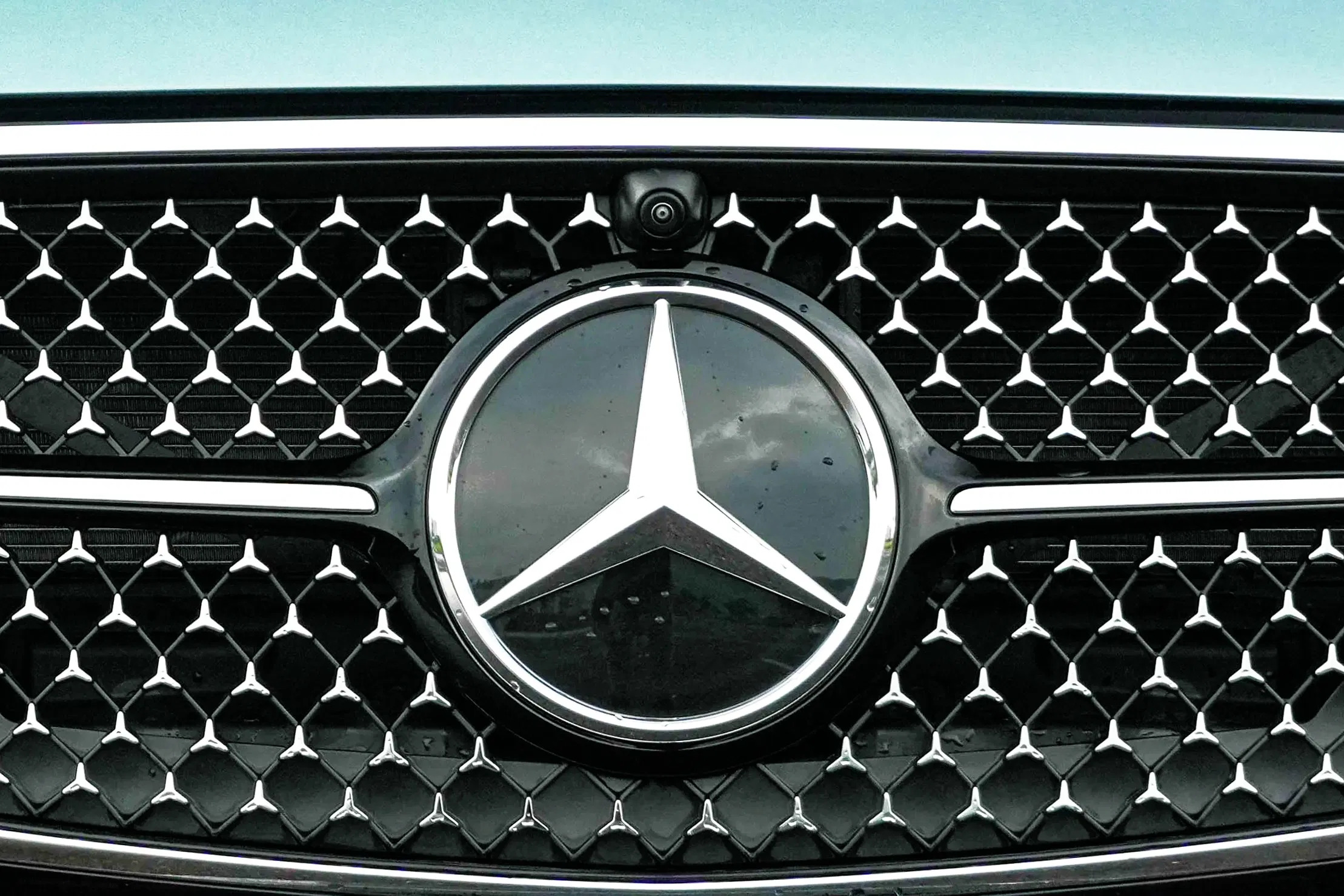
While they were both pioneers, Daimler and Benz did not always agree. In fact, they never met in 1886 despite their parallel inventions. Following the economic crisis in Germany after the first world war, DMG and Benz and Cie signed an agreement to merge in 1926. This merger created the Mercedes Benz brand. The iconic three pointed star logo, representing land, water, and air, was finalized as the trademark for the new company.
Detailed Milestone Highlights: 1986 to 2026
The last forty years have seen the brand move from mechanical mastery to digital intelligence. In this section, we take an in depth look at the specific breakthroughs that defined each era of the modern Mercedes-Benz journey.
The 1980s: Precision and Stability
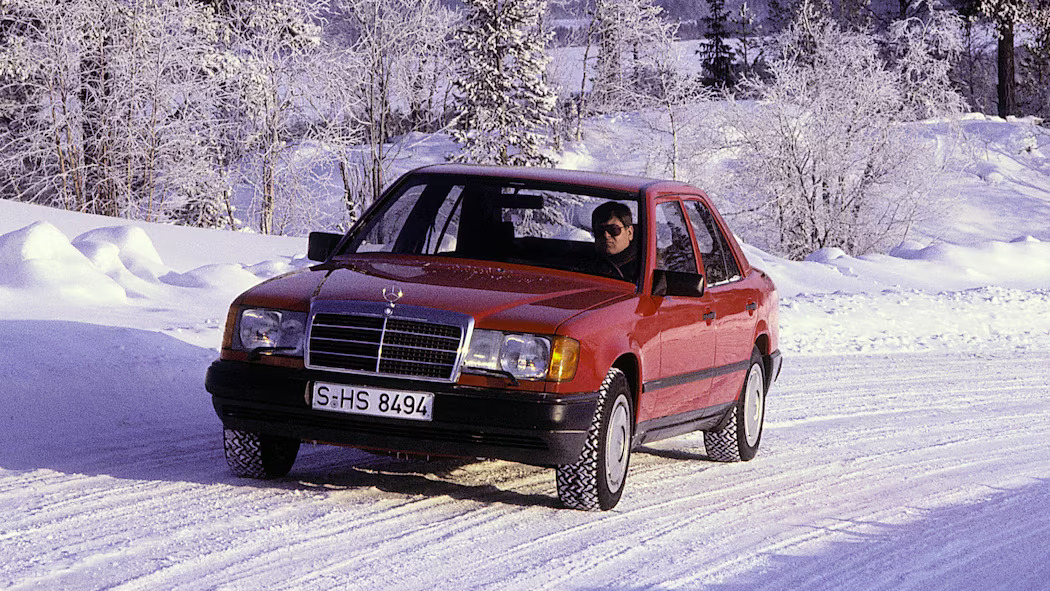
The late eighties focused on perfecting how a car interacts with the road. Mercedes-Benz realized that power was nothing without control.
- 1986: The brand introduced the 4MATIC all wheel drive system. This was not just a simple mechanical drive; it featured automatic differential locks and acceleration skid control (ASR) to ensure the car could navigate ice and snow with ease.
- 1989: The R 129 SL Roadster debuted with the first-ever automatic pop up roll over bar. This safety feature could extend in just 0.3 seconds if the car sensed an impending flip, providing open top thrills without the traditional risks.
The 1990s: Environmental Care and Safety Standards
During this decade, the company began to prioritize the health of the planet and the ultimate protection of the driver.
- 1991: Mercedes Benz became the first carmaker to introduce CFC free climate control systems across its entire range. This was a major win for the ozone layer.
- 1995: The Electronic Stability Program (ESP) was launched in the S 600 Coupe. This system uses sensors to detect if a car is sliding and applies individual brakes to pull the vehicle back into line. It is now a legal requirement on all modern cars.
- 1997: The launch of the A Class and the SmartKey marked a new direction. The SmartKey replaced the traditional metal key with an encrypted electronic code, virtually eliminating the risk of car theft through lock picking.
The 2000s: The Intelligent Vehicle
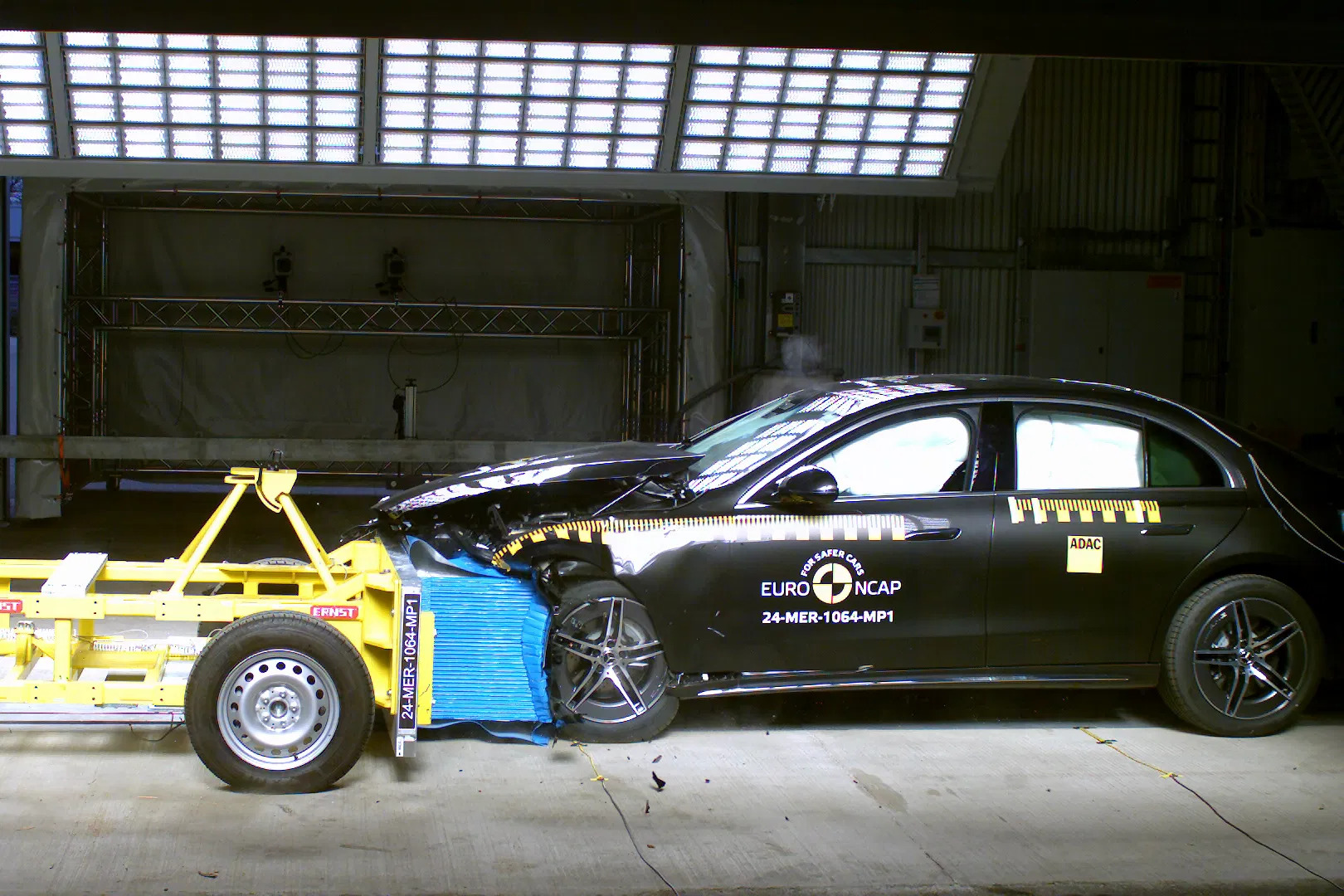
As the new millennium dawned, Mercedes Benz cars began to "think" for themselves using advanced radar and telematics.
- 2002: The PRE SAFE system was introduced. This technology connects active and passive safety. If the car detects an unavoidable skid or emergency braking, it automatically tensions the seatbelts and closes the sunroof to prepare for an impact.
- 2005: Night View Assist was launched, using infrared cameras to help drivers see pedestrians or animals far beyond the reach of their high beam headlights.
- 2009: The Chakan plant opened in Pune, India. This was a critical step in the global expansion of the brand, allowing for local assembly and making luxury more accessible in one of the fastest growing markets in the world.
The 2010s: Connectivity and Efficiency
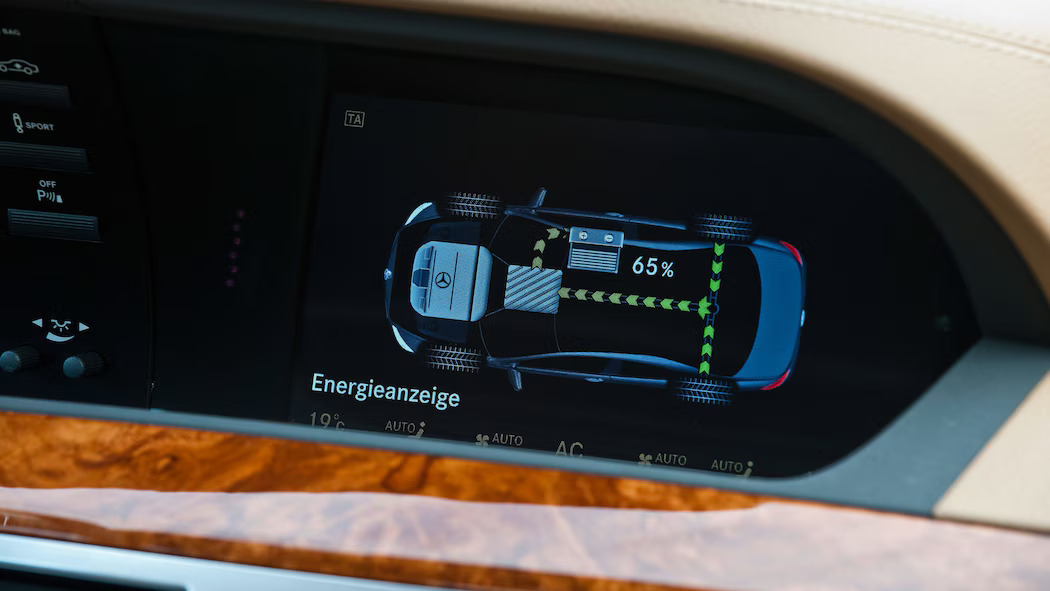
This era focused on the "Mercedes me" ecosystem and the push toward smaller, more efficient turbocharged engines and hybrid power.
- 2013: The W 222 S Class introduced "Intelligent Drive." For the first time, a car could see in 3D using stereo cameras, allowing it to "read" the road ahead and adjust the suspension for bumps before the tires even touched them.
- 2018: The Mercedes Benz User Experience (MBUX) was revealed. This AI powered infotainment system allowed drivers to simply say "Hey Mercedes" to control everything from the temperature to the navigation.
- 2019: The first fully electric SUV, the EQC, arrived. This marked the official beginning of the "EQ" sub brand and the transition away from fossil fuels.
The 2020s: The Age of Autonomy and Hyper Efficiency
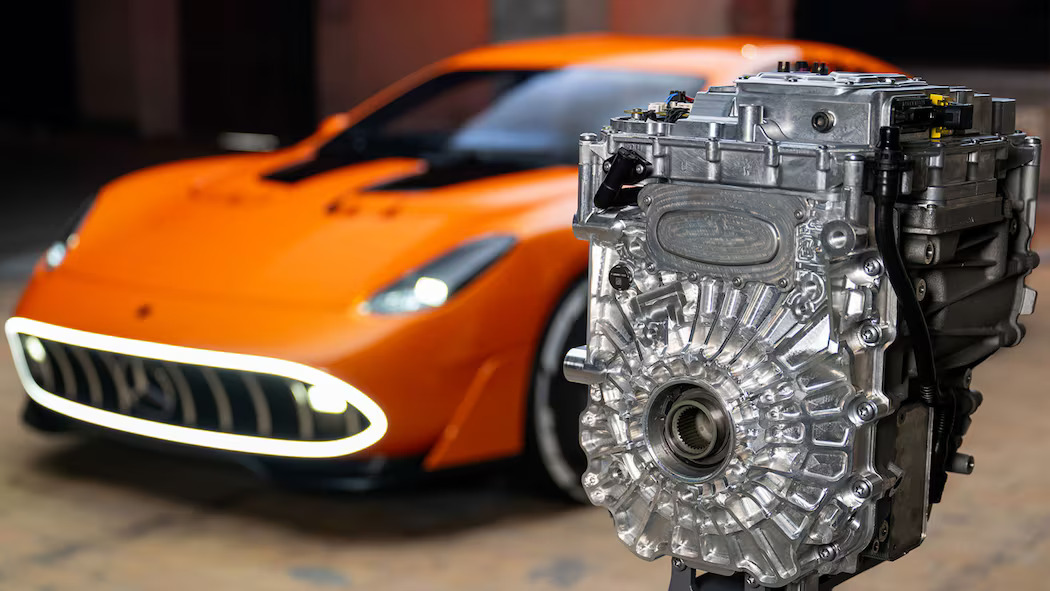
In the current decade, the brand has pushed the limits of how far an electric car can go and how much a driver needs to do.
- 2021: Mercedes Benz received the first international legal approval for Level 3 autonomous driving. In certain conditions, the car can now legally drive itself without the driver watching the road.
- 2022: The VISION EQXX set a world record by traveling 1202 kilometers on a single charge. This proved that aerodynamics and weight management are the secrets to the electric future.
- 2025: The brand reached a new pinnacle with the Concept AMG GT XX, which utilized solid state battery technology to achieve a range of 1205 kilometers during high speed testing in Nardo.
- 2026: To celebrate the 140th anniversary, the company launched the "MB OS." This central software platform acts as the brain of the vehicle, integrating Google Gemini powered AI to provide a personalized "Welcome Home" feeling for every passenger.
Brand Evolution: From Carriages to Computing
In the early days, the focus was on the transition from animal power to the internal combustion engine. The early vehicles were essentially motorized carriages with leather benches and solid rubber tires. As the brand evolved, it became the global gold standard for the "executive" and "luxury" segments.
The evolution is best seen in the S Class. What began as a representational sedan for world leaders has transformed into a mobile office and digital sanctuary. The 2026 models feature micro LED digital lights and a "Superscreen" interior that uses artificial intelligence to anticipate the needs of the driver. Mercedes Benz has successfully navigated the shift from being a car manufacturer to a software driven tech company.
Market Position and Competition
Mercedes Benz remains at the top of the luxury ladder by focusing on its 140 year heritage. While rivals like BMW emphasize "the ultimate driving machine" and Audi focuses on "progress through technology," Mercedes Benz positions itself as "the best or nothing."
In the modern market, the brand stays ahead through its commitment to safety and custom luxury. The Mercedes Maybach sub brand allows the company to compete with ultra luxury marques like Rolls-Royce, while the Mercedes AMG division ensures a dominant presence in the performance sector. By maintaining high-quality standards and a clear vision for an electric future, the brand remains the most desirable luxury carmaker in India and across the globe.
Conclusion
As Mercedes-Benz concludes its 140th anniversary celebrations in 2026, the brand stands at a crossroads between its legendary past and an electric future. By merging a century of craftsmanship with the cutting edge AI of today, the three pointed star has proven its ability to lead the industry regardless of the era.
The move toward software defined luxury and sustainable mobility ensures that the next 140 years will be just as groundbreaking as the first. Ultimately, Mercedes-Benz continues to remind the world that while many can build a car, only a few can build an icon that defines history.
Aakash Mehra
Automotive Journalist & Car Reviewer. Aakash Mehra is a seasoned automotive journalist with over 9 years of experience in car journalism and consumer-focused reviews. Having test-driven more than 550+ vehicles, he delivers detailed comparisons, expert insights, and unbiased advice to help readers confidently choose the right car.
_1782464515.webp)