Table of Content
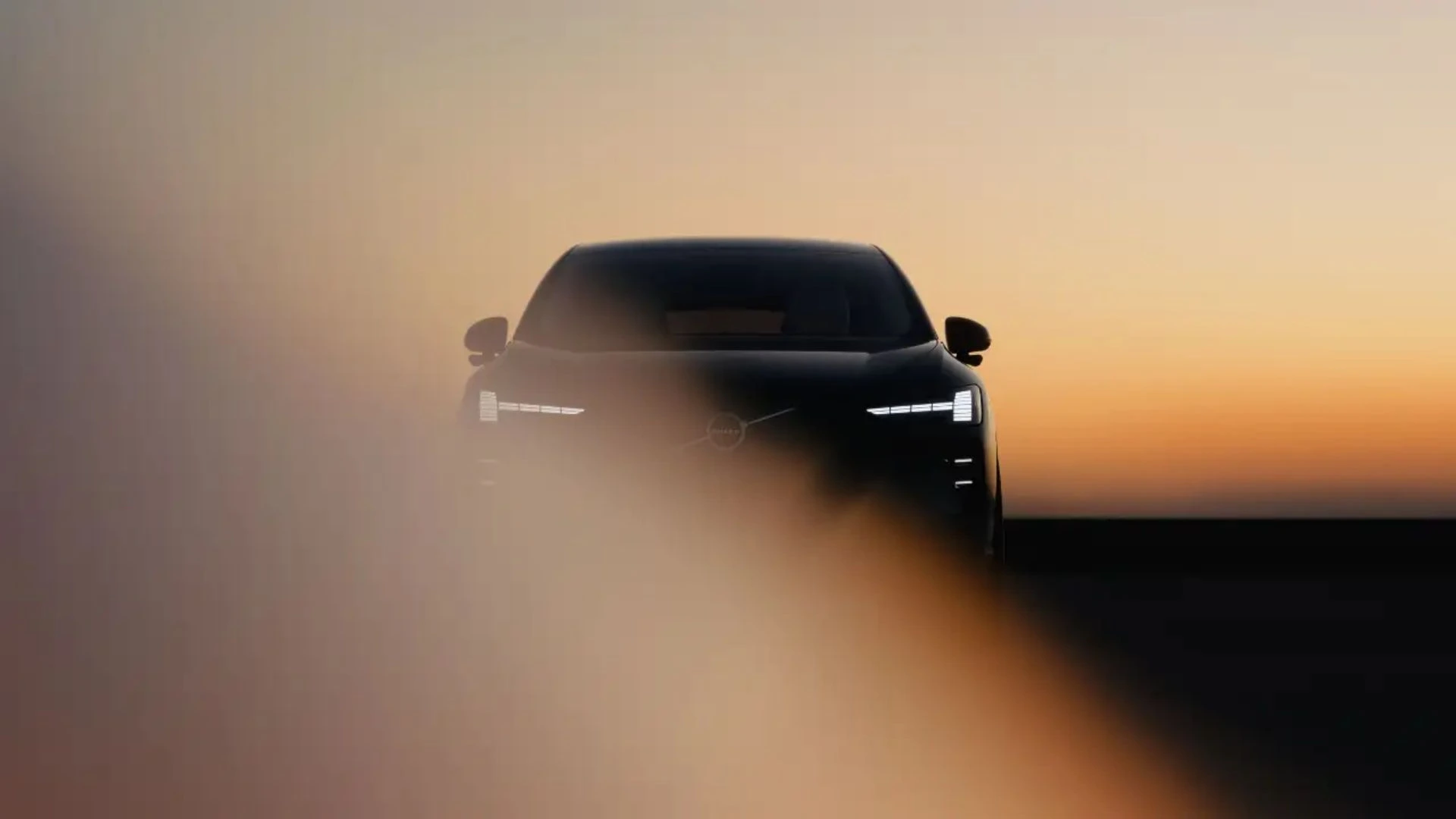
▼Range anxiety? Volvo just decided to bury that concept for good. If you have been holding off on buying an electric luxury SUV because you are worried about running out of juice on a long highway trip, the upcoming Volvo EX60 might just be the answer you’ve been waiting for.
Set for its global premiere on January 21, 2026, the Swedish carmaker has dropped some serious numbers that are making the entire industry sit up and take notice. We are talking about a massive 810 km range on a single charge. Yes, you read that right.
The New King of Range?
The headline feature here is undoubtedly the range. Volvo claims the new EX60 will deliver a best-in-class 810 km (WLTP cycle). To put that in perspective, that’s roughly driving from Delhi to Udaipur without needing to plug in even once.
- Positioning: It sits comfortably between the smaller EX40 (formerly XC40 Recharge) and the flagship 7-seater EX90.
- The Goal: Volvo wants to close the gap between refueling a petrol car and recharging an EV. With this kind of range, they are getting very close.
Under the Skin: The SPA3 Architecture
The secret sauce behind these numbers is Volvo’s brand-new SPA3 platform. This isn't just a modified petrol chassis; it is built from the ground up purely for electric vehicles.
- Structural Battery: The battery pack is integrated directly into the car’s structure (chassis), making the vehicle stiffer and safer—a classic Volvo trait.
- Better Efficiency: By removing the heavy "battery box" and using the cells as part of the frame, the car sheds unnecessary weight, which equals more range.
- Megacasting: Volvo is using a new manufacturing technique called 'megacasting' to create large single-piece aluminum body parts, further reducing weight and complexity.
Lightning Fast Charging: 340 km in 10 Minutes!
Range is great, but charging speed is freedom. The EX60 moves to a powerful 800-volt electrical architecture, similar to what we see in the Porsche Taycan or Audi e-tron GT.
- Max Speed: It supports ultra-fast charging up to 400 kW.
- The "Coffee Break" Charge: Volvo claims you can regain 340 km of range in just 10 minutes. That is barely enough time to grab a cappuccino and a sandwich at a highway food court.
The "Smart" Battery by Breathe
Hardware is one thing, but software is where the magic happens. Volvo has partnered with Breathe Battery Technologies to integrate smart algorithms that act like a brain for the battery.
- What it does: It continuously monitors driving style, temperature, and charging intake in real-time.
- The Benefit: It prevents the battery from overheating during those super-fast charging sessions, ensuring your battery stays healthy for years, not just months.
Is the Volvo EX60 For You?
This car is clearly targeting a specific type of buyer. Here is our take:
- The Highway Warrior: If your lifestyle involves frequent inter-city travel (e.g., Mumbai-Pune-Goa runs), the 800+ km range is a blessing.
- The Safety Buff: It’s a Volvo. With the new structural innovations, expect it to set new benchmarks in crash safety.
- The Tech Adopter: If you want the latest in 800V charging tech that "future-proofs" your purchase for the next 5-7 years.
Final Verdict
The Volvo EX60 seems to be ticking every single box: incredible range, rapid charging, and the safety legacy of Volvo. By moving to the new SPA3 platform, Volvo isn't just catching up to Tesla or the Germans; they might just be overtaking them.
We expect the global reveal on January 21 to give us the full picture on pricing and interiors. As for India? Given Volvo's history of assembling cars locally here, we wouldn't be surprised to see this hit our roads by late 2026 or early 2027.
Neha Mehlawat
Neha Mehlawat is an automotive journalist and industry analyst with 10+ years of experience covering cars, bikes, and mobility trends. She tracks the latest launches, technology upgrades, and policy changes in the auto sector, delivering sharp insights that help readers stay ahead in the fast-evolving world of automobiles.