_1770640154.webp)
Table of Content
▼Tata Motors has officially revealed the updated Punch EV facelift this February 2026, showcasing a sharper and more minimalistic exterior design. Following the recent launch of the petrol powered Punch facelift, the electric version arrives with a cleaner front fascia and aero optimized styling. While prices are expected to be announced on February 20 2026, the model focuses on bringing the micro SUV in line with the newer design language of the Tata EV portfolio.
Battery Options And Performance Specifications
The Tata Punch EV facelift continues to offer two distinct battery pack choices to cater to different range requirements. Mechanically, the SUV remains consistent with its predecessor, ensuring a balance of city agility and highway stability.
|
Specification |
Medium Range (MR) |
Long Range (LR) |
|
Battery Capacity |
25 kWh Lithium Ion |
35 kWh Lithium Ion |
|
Maximum Power |
82 hp |
122 hp |
|
Peak Torque |
114 Nm |
190 Nm |
|
Claimed Range (ARAI) |
265 km |
365 km |
|
Acceleration (0 to 100 kmph) |
13.5 seconds |
9.5 seconds |
|
Braking Hardware |
Front Disc and Rear Drum |
All Four Disc Brakes |
The vehicle is equipped with a permanent magnet synchronous motor that drives the front wheels. It also features multiple levels of regenerative braking, allowing drivers to toggle between different intensities to maximize efficiency during city commutes.
Exterior Visual Updates And Styling Tweaks
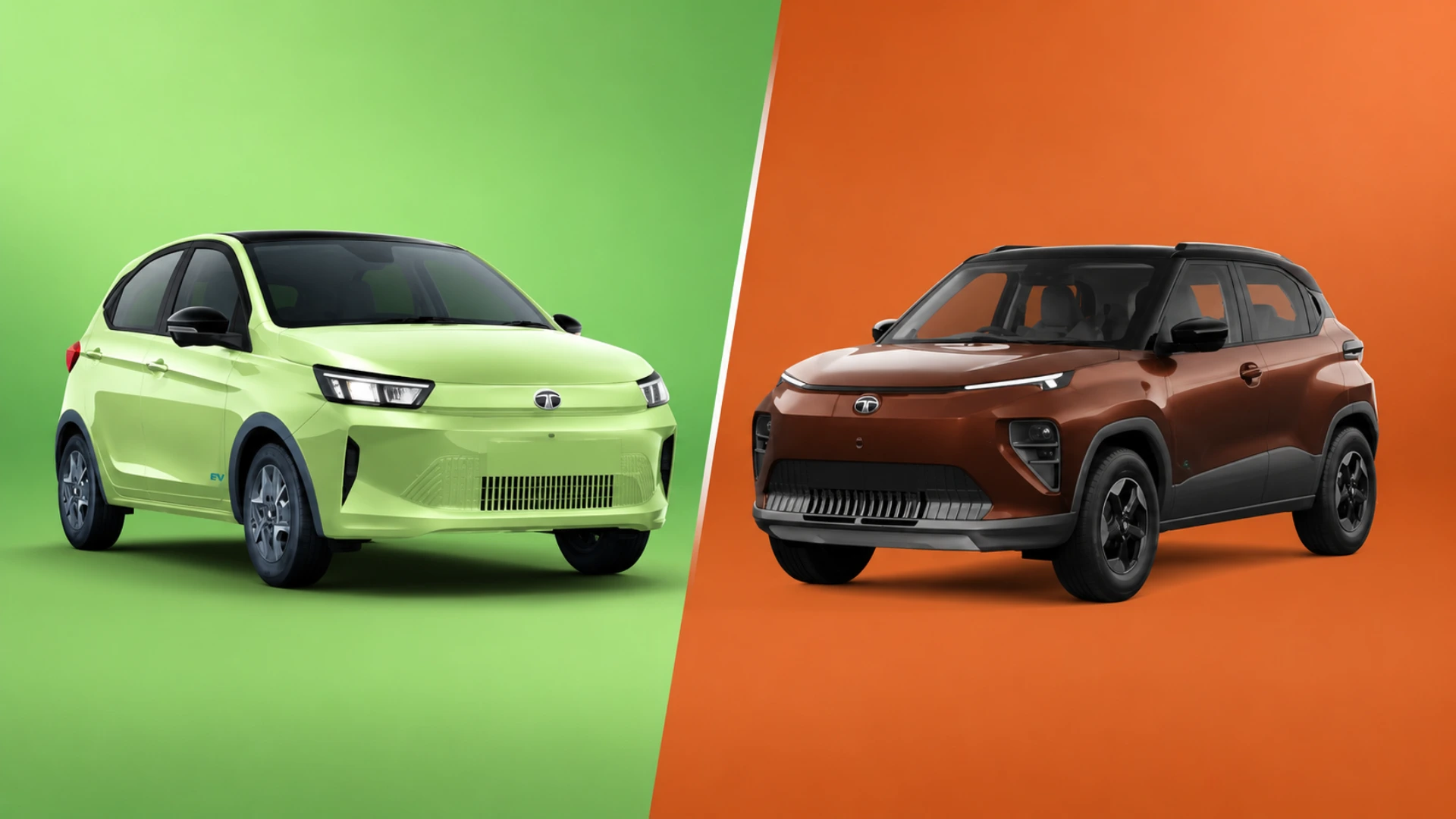
The most significant changes are visible at the front of the SUV. Tata has removed the black trim that previously bridged the headlamp clusters, opting for a body colored closed off grille. This creates a much cleaner and more futuristic appearance. A full width LED light bar now connects the daytime running lights, featuring welcome and goodbye animations.
The front bumper has been revised with a new scuff plate design, and the charging port remains centrally located behind the illuminated Tata logo. On the sides, the Punch EV facelift sports new aero optimized alloy wheels, which are inspired by the Nexon EV to reduce drag. A fresh Sunlit Yellow exterior shade with a black roof has also been introduced to add a vibrant touch to the lineup.
Interior Cabin Technology And Enhanced Features
While the core layout remains familiar, the facelift is expected to pack more premium tech. The highlight is the likely inclusion of a 12.3 inch touchscreen infotainment system running the latest software.
- Digital Cockpit: A 10.25 inch fully digital instrument cluster with navigation display.
- Premium Comfort: Ventilated front seats and premium upholstery with contrast stitching.
- Convenience: Wireless smartphone charger, electronic parking brake with auto hold, and an air purifier.
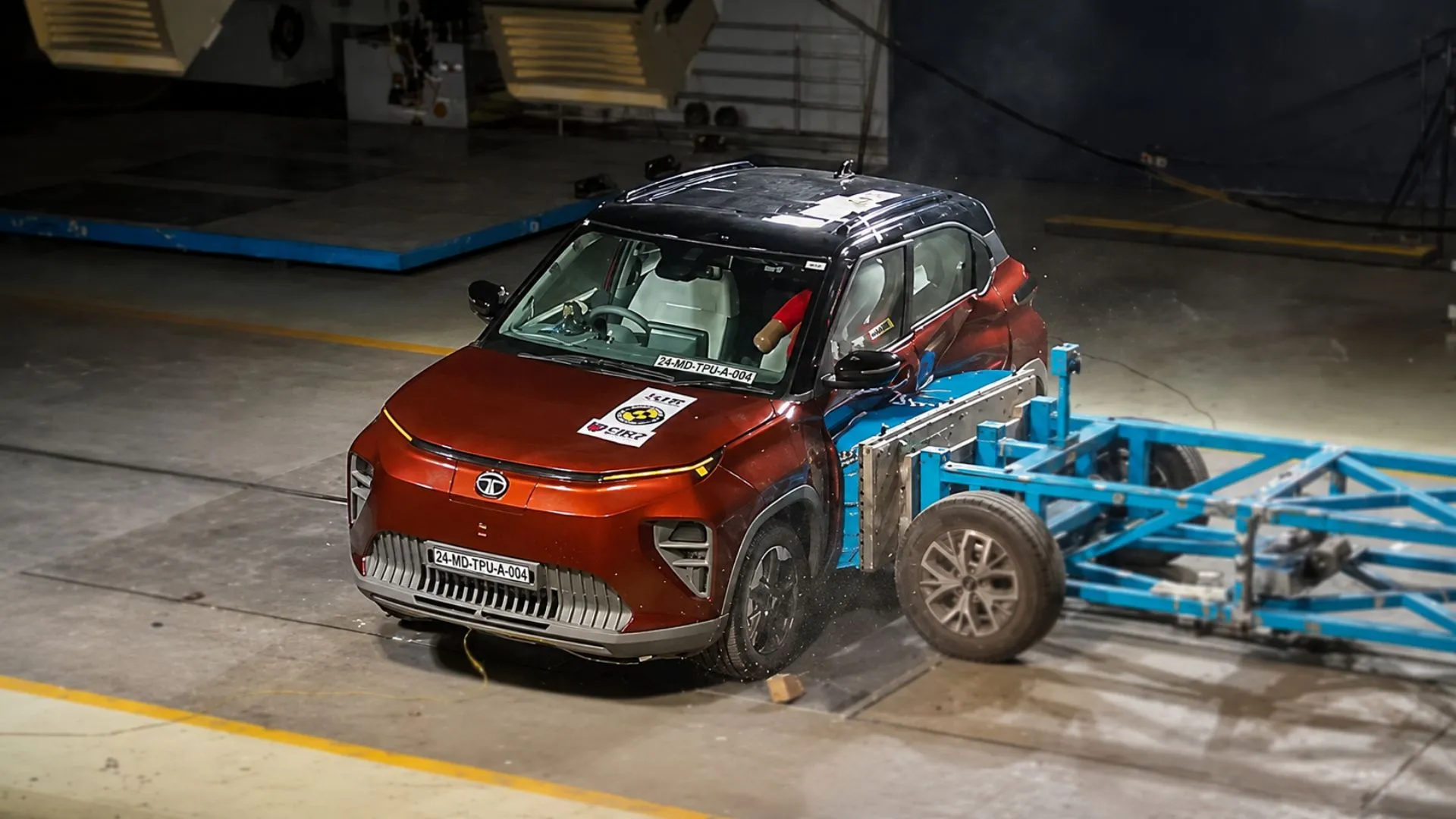
- Safety Suite: Six airbags as standard, 360 degree camera system, and the anticipated addition of Level 2 ADAS (Advanced Driver Assistance Systems).
Price Forecast And Market Rivals
The outgoing Tata Punch EV was priced between Rs 9.99 lakh and Rs 14.44 lakh ex showroom. With the new design and tech additions, the facelifted version is expected to carry a premium of roughly Rs 20,000 to Rs 40,000 depending on the variant.
The Punch EV facelift primarily competes with:
- Citroen eC3: Known for its spacious cabin and comfort oriented suspension.
- MG Comet EV: A compact city dweller that offers a unique urban footprint at a lower price point.
Conclusion
The Tata Punch EV facelift is a strategic update that brings the electric micro SUV up to date with its internal combustion sibling and the larger Nexon EV. By refining the exterior and adding high end features like a larger screen and potential ADAS, Tata Motors is ensuring the Punch EV remains the benchmark in the affordable electric SUV segment. As the official price launch on February 20 approaches, the Punch EV looks set to continue its dominance in the Indian green mobility market.
Also Read This |
|
|---|---|
Frequently Asked Questions
Neha Mehlawat
Neha Mehlawat is an automotive journalist and industry analyst with 10+ years of experience covering cars, bikes, and mobility trends. She tracks the latest launches, technology upgrades, and policy changes in the auto sector, delivering sharp insights that help readers stay ahead in the fast-evolving world of automobiles.
_1771841137.webp)